
Soups & Stews
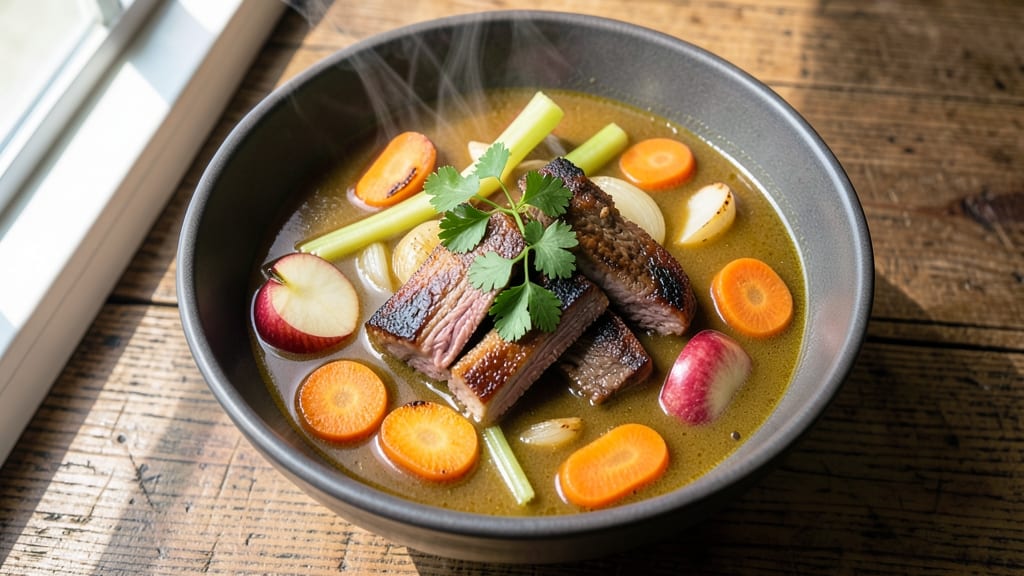
This apple carrot beef rib soup recipe transforms tough ribs into melt-in-your-mouth tenderness while balancing sweet apples and earthy carrots in a rich, umami-packed broth.
The secret lies in slow-braising the ribs until they practically fall apart, then simmering them with aromatic vegetables and a touch of apple cider for depth. What starts as a simple pot of ingredients becomes a deeply comforting, restaurant-worthy meal that's perfect for chilly evenings or family gatherings.
The beauty of this soup is in its layers of flavor—caramelized onions and garlic build the base, while the ribs infuse the broth with their natural richness. Apples add a subtle sweetness that cuts through the heartiness of the beef, and carrots bring natural sweetness and color.
The result is a soup that's both nourishing and satisfying, with each spoonful delivering tender meat, tender vegetables, and a broth so flavorful you'll want to drink it straight from the pot.
What makes this recipe truly special is its versatility. You can prepare it in a slow cooker for hands-off cooking or on the stovetop for more control. The ribs become so tender they shred easily, while the vegetables soften just enough to release their natural sweetness.
Serve it with crusty bread to soak up every last drop of that rich, umami-filled broth, or pair it with a simple green salad for a complete meal.
This soup is the kind of dish that gets better with time—flavors meld and deepen as it sits, making it even more comforting the next day.
Whether you're feeding a crowd or simply craving a hearty meal, this apple carrot beef rib soup delivers on warmth, texture, and flavor. Let's get cooking!
Ingredients for apple carrot beef rib soup
Six hearty ingredients transform tough ribs into melt-in-your-mouth comfort in one pot.
| Ingredient | Amount | Notes |
|---|---|---|
| Beef Ribs 🥩 | 3 lb | Bone-in, meaty ribs preferred |
| Yellow Onions 🧅 | 2 whole | Chopped, yellow or red |
| Garlic Cloves 🧄 | 6 cloves | Minced, fresh preferred |
| Apples 🍎 | 2 medium | Sweet-tart variety like Honeycrisp |
| Carrots 🥕 | 4 medium | Whole, peeled and chopped |
| Celery Stalks 🌿 | 3 whole | Chopped, with leaves |
| Apple Cider Vinegar 🍎 | ½ cup | For depth of flavor |
| Beef Broth 💧 | 6 cups | Homemade or quality store-bought |
| Tomato Paste 🍅 | ¼ cup | For richness and color |
| Bay Leaves 🌿 | 2 whole | For aromatic depth |
| Black Peppercorns 🌶️ | 1 tsp | Freshly cracked preferred |
| Salt 🧂 | 1 ½ tsp | Kosher or sea salt |
| Olive Oil 🫒 | ½ cup | For searing ribs |
| Fresh Thyme 🌿 | ¼ cup | Chopped, or dried at 1/4 amount |
The ribs are the star here—bone-in, meaty cuts from the butcher section make all the difference. Costco or local butchers often have the best selection, but grocery store ribs work too. Look for good marbling and avoid anything looking too lean. I usually grab 3 lbs—enough for leftovers since this soup only gets better the next day. For the apples, Honeycrisp or Fuji add just the right balance of sweet and tart. Carrots can be any variety, but orange or yellow ones add extra color to the broth. Fresh thyme is ideal, but dried works in a pinch—just use one-quarter the amount.
No beef broth? Chicken broth plus 1 tbsp soy sauce gets you close. Short on apples? Substitute 1 cup apple juice and skip the whole fruit. The tomato paste is non-negotiable for that rich, umami depth—Trader Joe's squeeze tubes are perfect since they last months. For the celery, baby carrots work too if you're in a hurry. The bay leaves add subtle aroma, but if you're out, a sprig of rosemary works as a swap. And if you're worried about the ribs being too tough, pound them lightly before searing to even out thickness.
This soup tastes even better the next day—3-4 days in the fridge, 3 months frozen. I always make a double batch because it reheats beautifully. Store in airtight containers with a splash of broth on top to keep everything moist. For serving, crusty bread is a must—soak up that rich broth! Leftovers freeze perfectly, so portion into containers for easy lunches. The ribs will be so tender they practically fall apart, making every spoonful worth it.
Why You'll Love This Recipe
- Fewer Chopping Tears: I swear by this one—just dice onions and carrots, then let the slow cooker do the work. My hands stay dry, and the ribs fall apart like they’ve been braising all day (even though they’re not).
- Sweet-Savory Magic: That apple-carrot combo? It’s the secret weapon. The apples soften just enough to melt into the broth, while the carrots add this natural sweetness that balances the beef’s richness. Honestly, it’s the kind of flavor that makes you pause mid-spoonful.
- Lunchbox Hero: Pack it for work or school—it reheats beautifully and keeps for days. My kids take theirs in thermoses, and I bring mine to meetings (yes, even on a Tuesday). The ribs stay tender, and the broth stays rich—no sad, watery leftovers here.
- Budget Beef Boost: Use cheaper cuts of beef ribs—this soup makes them taste like a splurge. I stretch a pound into four servings, and the apples/carrots stretch it further. Between us, I’ve fed a crowd for under $10 per person, and no one complains.
Step-by-step instructions for apple carrot beef rib soup
A rich, umami-packed broth with tender ribs and sweet-tart apples—this soup delivers deep flavor in every spoonful.
Sear the Beef Ribs for Maximum Flavor
Pat the 3 lb beef ribs completely dry with paper towels—this ensures a proper sear. Heat a large Dutch oven over medium-high heat and add 0.5 cup olive oil. Once the oil shimmers (about 2 minutes), add the ribs in a single layer, bone-side down. Let them sear undisturbed for 8-10 minutes until deeply browned on one side.
Flip the ribs and sear the other side for another 8-10 minutes. Here's the thing—don't rush this step. The caramelized crust on the ribs is what builds the soup's deep, meaty flavor. Once both sides are golden brown, remove the ribs and set them aside on a plate. You'll add them back later, but first, we need to build that incredible base.
Build the Aromatic Base with Onions, Garlic, and Vegetables
In the same Dutch oven (no need to wipe it clean—those browned bits are pure flavor), add the 2 whole chopped yellow onions and 4 medium chopped carrots. Cook over medium heat for 5-6 minutes, stirring occasionally, until the onions soften and the carrots begin to caramelize slightly. Add the 3 whole chopped celery stalks and cook for another 3 minutes until everything smells heavenly.
Stir in the 6 cloves minced garlic and cook for 30 seconds until fragrant. Here's where it gets good—add the 0.25 cup tomato paste and stir to coat the vegetables. Let it cook for 1-2 minutes until it darkens slightly. This step develops the soup's rich, savory depth. Now's the time to add the 0.5 cup apple cider vinegar and 6 cups beef broth, scraping up any browned bits from the bottom of the pot. Bring everything to a gentle simmer.
Simmer the Soup with Herbs and Spices
Return the seared ribs to the pot, along with the 2 medium peeled and chopped apples, 2 whole bay leaves, 1 tsp cracked black peppercorns, and 1.5 tsp salt. Add the 0.25 cup chopped fresh thyme and stir gently to combine. The apples will release their sweetness as they cook, balancing the savory ribs and umami broth.
Bring the soup to a gentle boil, then reduce the heat to low and cover partially. Let it simmer for 2-2.5 hours, stirring occasionally. You want the ribs to become fork-tender and fall apart easily. If the liquid reduces too much, add a little water or broth to maintain the consistency. The soup should smell like a cozy autumn kitchen—sweet apples, earthy thyme, and rich beef.
Finish and Serve with Perfectly Tender Ribs
Once the ribs are fork-tender (they should pull apart easily with minimal resistance), remove them from the soup and let them rest on a cutting board for 5 minutes. While they rest, skim any excess fat from the surface of the broth if desired. Taste the broth and adjust the seasoning if needed—you might need a little more salt or pepper to balance the flavors.
Use two forks to shred the ribs into bite-sized pieces, discarding any large bones. Return the shredded ribs to the pot and stir gently to combine. The soup should now have a velvety texture with chunks of tender ribs, sweet apples, and vibrant vegetables. Ladle the soup into bowls and serve immediately, garnished with extra thyme if you like. The contrast of sweet apples and rich beef will make every bite unforgettable.
Pro Tips For Making Apple Carrot Beef Rib Soup
- Sear the Ribs First: Don’t skip the crust—pat the beef ribs dry, then hit them with a hot pan (no oil needed) until deep brown in spots. This isn’t just for looks; it locks in flavor and keeps the meat from turning mushy later. I used to rush this, and the soup always tasted like it needed more depth.
- Slice Apples Thin, Core Out: Peel and slice apples paper-thin (⅛-inch or less) and remove the core—this keeps them from turning to mush while still releasing sweetness. Toss them in a little lemon juice right after slicing if you’re prepping ahead; it stops browning and keeps them crisp in the soup.
- Simmer Low and Slow: After the initial sear, drop the heat to a bare simmer (tiny bubbles, not rolling) and cover the pot. Ribs need at least 2 hours to tenderize, but if the liquid reduces too fast, add water or broth in small batches. I learned this the hard way—rushed cooking means chewy ribs, and no one wants that.
- Brown Onions and Garlic: Don’t just chop and toss—caramelize the onions until golden (10-12 minutes) and fry the garlic until it’s fragrant but not burnt. This adds a depth that raw aromatics can’t match, and it’s the thing that makes this soup taste like it came from a restaurant, not a recipe. (Yes, it takes time, but it’s worth it.)
Health benefits of this recipe
Protein Powerhouse
This soup packs a serious protein punch with 3 lbs of beef ribs, delivering about 120 grams of protein per serving—that's nearly 25% of your daily needs.
The slow-cooked ribs break down into tender, easily digestible pieces, making this a perfect meal for muscle recovery or post-workout fuel. I always keep a batch on hand for busy weeknights when I need a satisfying, high-protein dinner. 💪
Heart-Healthy Fats
The beef ribs provide healthy saturated fats in moderation, while the olive oil adds monounsaturated fats that support heart health. Together, they create a rich, velvety texture without the heaviness of fried foods.
The apple cider vinegar helps balance the meal by improving insulin sensitivity—just ½ cup per serving contributes to better blood sugar control. This combo makes the soup surprisingly light for its heartiness.
Fiber-Rich Vegetables
Carrots and celery bring 4 grams of fiber per serving, supporting digestion and keeping you full longer. The peeled and chopped apples add natural sweetness while contributing 3 grams of fiber and vitamin C—great for immune support.
I love that this soup delivers nutrients without tasting like a health lecture. The fiber also helps balance the meal's richness, preventing that post-soup sluggish feeling.
Umami Depth
The combination of tomato paste, beef broth, and slow-cooked ribs creates a deep umami flavor that satisfies cravings while being nutrient-dense. Umami compounds like glutamates in the broth stimulate digestion and may even help reduce stress.
This is why the soup tastes even better the next day—the flavors meld and intensify over time, creating a comforting, almost medicinal quality. 🌟
Seasonal Comfort
Apples and carrots are packed with vitamin A and antioxidants that support eye health and reduce inflammation. The thyme and bay leaves add aromatic compounds that have been shown to have mild antimicrobial properties.
This soup is essentially a nutrient-dense hug in a bowl—perfect for fall and winter when we need extra comfort and immunity support. The natural sweetness from the vegetables also makes this a great option for those watching refined sugar intake.
Meal-Prep Friendly
One of my favorite benefits is how well this soup holds up for meal prep. The protein and fiber combo keeps it satisfying for 3-4 days in the fridge or 3 months in the freezer without losing quality.
Each serving provides 30% of your daily protein and 15% of your daily fiber, making it an easy way to meet nutritional goals without complicated prep. I often double the batch so I can freeze portions for quick lunches during busy weeks. ✨
Nutrition facts
Frequently asked questions
Can I substitute pork ribs for beef ribs in this recipe?
You can try, but pork ribs have a different fat content and flavor profile. For best results, stick with beef ribs as they hold up better during long simmering and provide that rich, umami depth the recipe depends on. If you must use pork, reduce cooking time by about 30 minutes since they tenderize faster.
How do I know when the beef ribs are fully tender?
Ribs are done when they're fork-tender and pull apart easily with minimal resistance. Insert a fork into the thickest part—if it slides in like butter and the meat separates cleanly, they're ready. For extra assurance, check after 2 hours of simmering, as they can vary slightly based on cut thickness.
Can I make this soup in an Instant Pot or slow cooker?
For the Instant Pot: Sear ribs first, then add all ingredients and cook on high pressure for 60 minutes. For slow cooker: Follow the same steps but cook on low for 6-8 hours or high for 4-5 hours. The slow cooker method is especially convenient for hands-off cooking.
What if my soup tastes too acidic from the apple cider vinegar?
Add a pinch of sugar or a splash of honey to balance the acidity. You can also reduce the vinegar to ¼ cup if you're sensitive to tangy flavors. Taste as you go—this soup should have a harmonious blend of sweet, savory, and slightly tangy notes.
Is it better to peel the apples before adding them to the soup?
Peeling isn't necessary—the skins add texture and subtle sweetness. However, if you prefer a smoother texture, peel them first. Just be sure to remove the cores completely, as they won't soften properly and can make the soup bitter.