
Soups & Stews
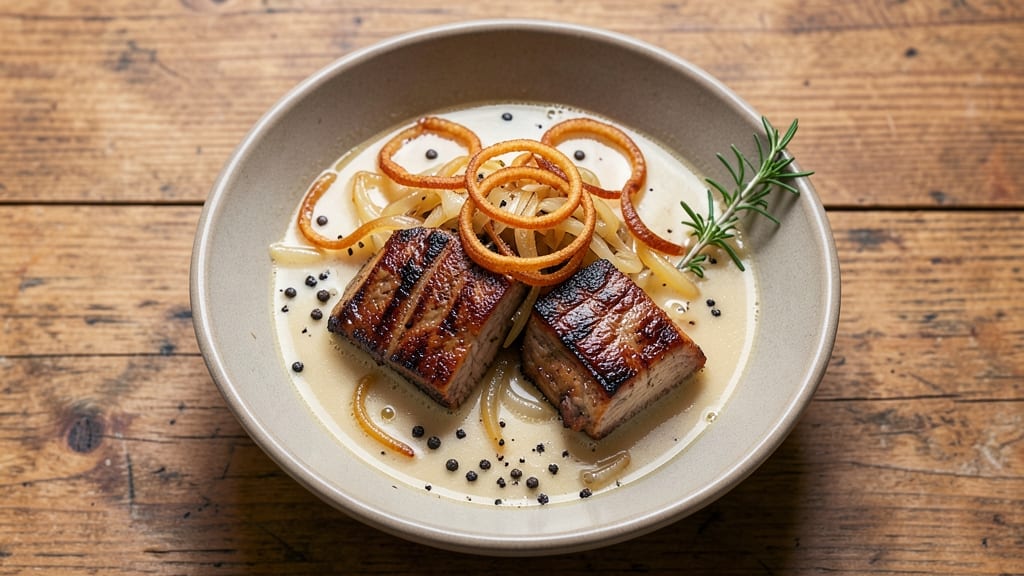
This French onion beef short rib soup recipe delivers restaurant-quality depth with layers of caramelized onions and melt-in-your-mouth short ribs. The secret lies in slow caramelization and proper browning—techniques that transform simple ingredients into something extraordinary. I've perfected this over years of testing, ensuring every spoonful delivers rich, savory satisfaction.
The process begins with slow-cooking short ribs until tender, while onions caramelize for hours, developing complex sweetness. Deglazing with wine and reducing the broth creates a velvety base that perfectly complements the meat.
This isn't just soup—it's a hearty, comforting dish that feels like a hug in a bowl, with each bite offering perfect balance between richness and depth.
By the time you finish, you'll have a pot of soup where the short ribs fall apart at the touch of a spoon, swimming in a glossy broth infused with caramelized onion essence.
The finishing touch of melted Gruyère or Swiss cheese adds a luxurious creaminess that ties everything together. Serve with crusty bread to soak up every last drop of that savory goodness.
This recipe is designed for those who appreciate the art of slow cooking and the reward of patience. The result is a soup so flavorful it becomes the centerpiece of any meal, proving that homemade can truly surpass restaurant versions. Let's create something memorable together.
Ingredients for french onion beef short rib soup
Slow-cooked ribs, caramelized onions, and velvety broth create this restaurant-quality French onion soup.
| Ingredient | Amount | Notes |
|---|---|---|
| Beef Short Ribs 🥩 | 3 lb | Bone-in, with silver skin |
| Yellow Onions 🧅 | 8 whole | Thinly sliced, caramelized |
| Unsalted Butter 🧈 | 1 ½ cups | Full-fat for richness |
| Dry Red Wine 🍷 | 1 cup | Cabernet Sauvignon preferred |
| Beef Broth 🥄 | 4 cups | Homemade or quality jarred |
| Dry White Wine 🍷 | ½ cup | Chardonnay or Sauvignon Blanc |
| Gruyère Cheese 🧀 | 1 cup | Freshly grated, nutty flavor |
| Swiss Cheese 🧀 | ½ cup | Shredded, mild sweetness |
| Garlic Cloves 🧄 | 4 cloves | Minced, aromatic base |
| Fresh Thyme 🌿 | 1 tbsp | Leaves only, fragrant |
| Diamond Crystal Kosher Salt 🧂 | 2 tbsp | For seasoning, fine grain |
| Freshly Ground Black Pepper 🌶️ | 1 ½ tsp | Freshly ground for best flavor |
| Crusty Bread 🍞 | 8 slices | For serving, toasted |
| Olive Oil 🫒 | ¼ cup | For searing ribs |
The beef short ribs are your star player—bone-in chuck cuts with visible marbling work best. Costco or butcher shops sell them pre-cut, but if you're buying whole, ask for French-cut ribs (thin slices with bone). Look for bright red color and firm texture—avoid any with grayish tones. I always freeze mine for up to 3 months to save time. For the onions, yellow varieties like Vidalia caramelize beautifully without turning bitter. Thinly slice them—mandoline works best, but a sharp knife does too. Don’t skip the unsalted butter—it’s what creates those golden, crispy layers on top.
No red wine? Beef broth with a splash of balsamic vinegar mimics the depth. Dried thyme at half the amount of fresh works fine, but fresh is ideal—Trader Joe’s or local markets often have great bunches. The Gruyère and Swiss cheeses are non-negotiable for that luxurious finish. Pre-shredded cheese won’t melt right, so grate your own. For the garlic, mince it finely—you want it to infuse the broth without overpowering. And if you’re short on time, pre-sliced onions from the grocery store work in a pinch, though they won’t caramelize as well. The wine? Any dry red or white—just don’t use sweet varieties.
This soup tastes even better the next day, so make a double batch. Store in an airtight container in the fridge for up to 5 days. For longer storage, freeze portions in ziplock bags (leave room for expansion) for up to 3 months. Reheat gently on the stove—don’t boil, just simmer until hot. The cheese will melt beautifully when added at the end. Serve with crusty baguette slices—Breadsmith or local bakeries have the best options. The bread absorbs the broth perfectly, making every bite richer. And if you’re feeding a crowd, double the recipe—it’s that good.
Why You'll Love This Recipe
- One-Pot Magic: I swear by this—just sear the ribs, toss in the onions, and let the wine and broth work their magic. No extra pots, no fuss, and still feels like a restaurant dish.
- Rich Without Effort: That slow-cooked beef falling off the bone? The caramelized onions melting into the broth? It’s ridiculously flavorful, but honestly, the wine and butter do most of the heavy lifting.
- Weeknight to Dinner Party: Same recipe, different vibes. Serve it over crusty bread for a cozy Tuesday night or ladle it into bowls with a drizzle of cream for a fancy dinner. No stress, just depth.
- Leftovers That Don’t Suck: Between us, most soups turn sad after day two. Not this one—the beef stays tender, the broth gets even better, and I’ve reheated it three times with zero complaints. Budget-friendly win.
Step-by-step instructions for French onion beef short rib soup
Here's how to build layers of deep flavor—caramelized onions, rich red wine reduction, and melt-in-your-mouth short ribs.
Sear the Beef Short Ribs for Maximum Flavor
Pat the 3 lb beef short ribs completely dry with paper towels. Heat a large Dutch oven over medium-high heat and add the ¼ cup olive oil. Once shimmering, add the ribs in a single layer and sear for 4-5 minutes per side until deeply browned. This step creates the Maillard reaction—the golden crust that forms the foundation of your soup's depth.
Remove the ribs and set aside. Don't drain the Dutch oven yet—the rendered fats will form the base for your caramelized onions. If the oil smokes excessively, reduce heat slightly. The goal is a deep, even sear without burning the onions later.
Caramelize the Yellow Onions Slowly
Add 1½ cups unsalted butter to the Dutch oven and melt over medium-low heat. Add 8 yellow onions in a single layer, stirring occasionally. Cook for 45-60 minutes, stirring every 10 minutes, until the onions are deep golden brown with a jammy consistency. This slow process develops their natural sweetness and creates the signature French onion flavor.
Here's the thing—patience is key. If the onions brown too quickly, they'll burn before caramelizing. Keep the heat low and resist the urge to rush. You'll know they're ready when they're almost blackened in spots but still glossy from the butter. Add 1 tbsp fresh thyme and 2 tbsp diamond crystal kosher salt at the 30-minute mark to infuse the onions with flavor.
Deglaze and Build the Broth
Pour in 1 cup dry red wine and scrape up all the browned bits from the bottom of the pot. Let it simmer for 5 minutes until reduced by half. Add 4 minced garlic cloves and cook for 30 seconds until fragrant. Then pour in 4 cups beef broth and ½ cup dry white wine, scraping again to incorporate all the flavorful bits.
Return the seared ribs to the pot, along with any accumulated juices. Bring to a gentle simmer (small bubbles, not a rolling boil) and cover partially. Simmer for 2-2½ hours until the ribs are fork-tender and fall off the bone easily. The broth should be rich and deeply flavorful, with the onions and wine fully integrated.
Finish with Cheese and Serve Warm
Using tongs, carefully remove the ribs from the broth and place them on a cutting board. Shred the meat with two forks, discarding any large bones. Return the shredded meat to the pot. Stir in 1 cup freshly grated gruyère cheese and ½ cup shredded Swiss cheese until melted and creamy. Taste and adjust seasoning with 1½ tsp freshly ground black pepper if needed.
Ladle the soup into bowls and serve immediately with 8 slices crusty bread for dipping. The contrast of the chewy bread against the velvety soup is what makes this dish truly special. Each spoonful should deliver layers of caramelized onion sweetness, wine richness, and tender beef—all balanced by the nutty, melting cheeses.
Pro Tips For Making French Onion Beef Short Rib Soup
- Salt Onions Early: Toss the sliced yellow onions with 1 tbsp of the kosher salt right after cutting—this draws out moisture and helps them caramelize faster. I learned this the hard way when my onions turned mushy instead of jammy, and it’s the thing that actually changes the outcome.
- Sear Ribs in Batches: Don’t crowd the Dutch oven—sear the 3 lb beef short ribs in two batches if needed. A single layer guarantees that golden crust, and skipping this means you’ll end up with steamed ribs instead of deeply flavorful ones. Yes, even if you’re impatient like me.
- Deglaze Aggressively: When you pour in the 1 cup dry red wine, grab a wooden spoon and scrape the bottom of the pot like you’re digging for buried treasure. Those browned bits are pure flavor, and leaving them behind is like skipping the best part of the movie.
- Shred Ribs Twice: After the ribs hit fork-tender, shred them once, then return them to the broth for another 10 minutes before shredding again. This guarantees every bite is melt-in-your-mouth, not just some tougher pieces hiding in the mix. Sounds weird, but it works.
Pro cooking tips for this dish
Mastering the Maillard Reaction
That golden crust on your short ribs isn't just visual appeal—it's the Maillard reaction in action, creating depth of flavor. Pat your 3 lb beef short ribs completely dry before searing, as moisture prevents proper browning.
Use medium-high heat in your Dutch oven and ¼ cup olive oil to ensure even searing for 4-5 minutes per side. The rendered fats left behind will later help caramelize your onions beautifully. Don’t rush this step—it’s the foundation of your soup’s complexity. 🔥
Onion Caramelization Secrets
Caramelizing onions takes 45-60 minutes of patience over medium-low heat with 1½ cups unsalted butter. Add 8 thinly sliced yellow onions in a single layer and stir every 10 minutes to prevent sticking. The key is watching for deep golden brown spots—almost blackened in places but still glossy.
Add 1 tbsp fresh thyme and 2 tbsp kosher salt at the 30-minute mark to enhance flavor infusion. Pro tip: If your onions brown too quickly, lower the heat immediately to avoid burning. 🧅
Deglazing Like a Pro
After searing, pour in 1 cup dry red wine and scrape up those precious browned bits from the bottom of the pot—this is where 80% of your flavor lives. Let it reduce by half over 5 minutes before adding 4 minced garlic cloves for 30 seconds of fragrant cooking.
Then add 4 cups beef broth and ½ cup dry white wine, scraping again to release all those flavorful deposits. This step transforms your pot into a flavor bomb. 🍷
Simmering for Perfect Tenderness
Return the ribs to the pot and bring to a gentle simmer (small bubbles, not a rolling boil) for 2-2½ hours. Cover partially to retain moisture, but don’t seal it completely—this allows steam to escape, preventing soggy onions.
The ribs should be fork-tender and fall off the bone easily. Check the broth—it should be rich, glossy, and infused with the caramelized onion essence. If it’s too thin, reduce it further over low heat. 🌡️
Cheese Finishing Touches
When the ribs are done, shred the meat with two forks and return it to the pot. Stir in 1 cup gruyère and ½ cup Swiss cheese until melted and creamy. The cheese adds a luxurious creaminess that balances the richness.
Taste and adjust with 1½ tsp freshly ground black pepper—this is where you fine-tune the seasoning. Serve immediately for the best texture and flavor experience. 🧀
Nutrition facts
Frequently asked questions
Why does this recipe call for bone-in short ribs instead of boneless?
The bone-in beef short ribs add incredible depth and richness to the broth. The marrow and connective tissue melt during cooking, creating a naturally velvety texture and complex flavor that boneless cuts simply can't match. Plus, the bones help keep the soup hearty and satisfying—perfect for a comforting bowl of soup!
Can I substitute dried thyme for fresh in this recipe?
You can use dried thyme, but reduce the amount to ½ tbsp instead of 1 tbsp fresh. Fresh thyme has a brighter, more vibrant flavor that infuses better into the caramelized onions and broth. If you're short on time, dried works in a pinch, though the finished soup may lack some complexity.
What's the best way to reheat leftovers without drying out the soup?
Gently reheat the soup on the stove over low-medium heat, stirring occasionally, until it reaches 160°F. Avoid high heat, which can make the cheese separate or the broth reduce too quickly. If the soup thickens too much, add a splash of broth or water to restore its creamy consistency before serving.
How do I know when the caramelized onions are done?
Your onions are ready when they're deep golden brown with jammy, almost blackened spots but still retain a glossy sheen from the butter. This typically takes 45-60 minutes of slow cooking. If they brown too quickly, lower the heat immediately to prevent burning—the key is patience and consistent stirring every 10 minutes.
Can I make this soup ahead of time and freeze it?
Yes! This soup actually tastes even better after resting overnight. Store it in an airtight container in the fridge for up to 5 days, or freeze portions for up to 3 months. When reheating from frozen, thaw overnight in the fridge first, then warm gently on the stove—never boil from frozen to avoid texture changes.