
Soups & Stews
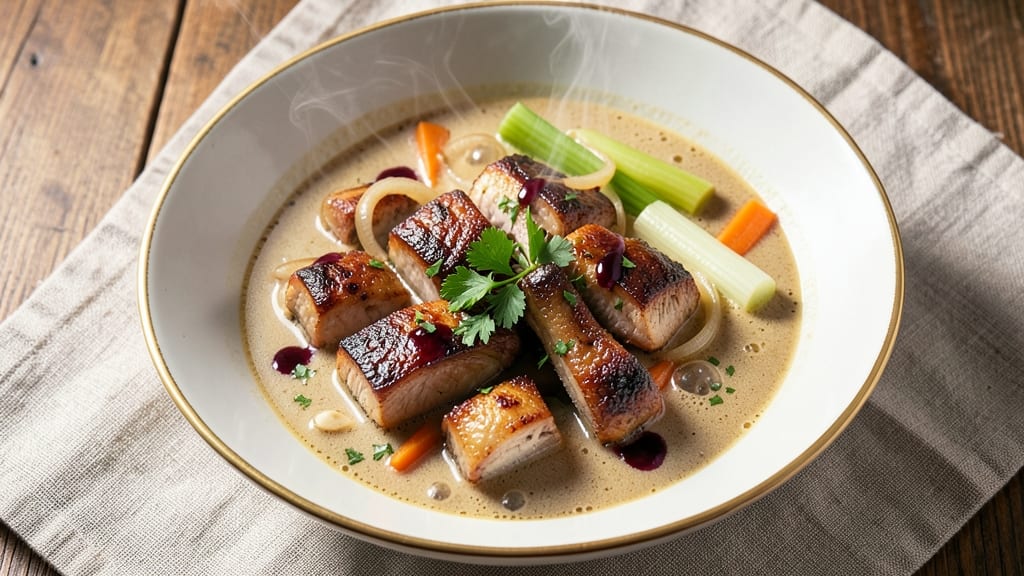
Creating a pheasant soup recipe that balances rich game bird flavor with delicate herbaceousness requires precision—especially when browning the meat and building the broth. The key lies in searing the pheasant pieces until deeply caramelized, which unlocks layers of umami that simmer into a velvety, aromatic base.
This technique transforms what could be a gamey challenge into a restaurant-worthy dish that feels both rustic and refined.
What sets this soup apart is the two-stage cooking process: first, browning the pheasant in batches to avoid crowding the pan, then simmering with aromatic vegetables and herbs until the meat falls effortlessly from the bone.
A splash of red wine during deglazing adds depth, while a bouquet garni of thyme, bay leaf, and parsley infuses the broth with earthy complexity. The result is a soup that’s hearty enough for winter evenings but elegant enough for company.
By the time you strain the broth and return the meat to the pot, you’ll have a dish that’s rich with golden hues and a texture that’s both silky and substantial.
The pheasant pieces remain tender, while the broth carries the essence of caramelized meat, wine, and herbs in every spoonful. Garnish with fresh parsley or a drizzle of cream for a finishing touch that elevates it from comforting to exceptional.
This recipe works equally well as a standalone meal or paired with crusty bread and a simple green salad. The leftovers, if there are any, reheat beautifully—making it ideal for meal prep or feeding a crowd. Ready to transform pheasant into something truly memorable?
Ingredients for pheasant soup
Rich game bird meets velvety broth—this soup transforms pheasant into elegance.
| Ingredient | Amount | Notes |
|---|---|---|
| Pheasant Meat 🦉 | 1 ½ lb | Cut into 1-inch pieces, skin removed |
| Onions 🧅 | 1 ½ whole | Yellow or pearl, finely diced |
| Carrots 🥕 | 2 whole | Large, peeled and sliced |
| Celery Sticks 🌿 | 2 whole | Stems only, finely chopped |
| Garlic Cloves 🧄 | 6 cloves | Fresh, minced |
| Red Wine 🍷 | ½ cup | Dry variety, deglazing liquid |
| Chicken Broth 🍲 | 4 cups | Low-sodium preferred |
| Fresh Thyme 🌿 | 1 tbsp | Leaves only, loosely packed |
| Bay Leaves 🌿 | 2 whole | Dried, aromatic |
| Fresh Parsley 🌿 | ¼ cup | Chopped, for garnish |
| Heavy Cream 🥛 | ½ cup | Full-fat for richness |
| Salt 🧂 | 1 ½ tsp | Kosher or sea salt |
| Black Pepper 🌶️ | ½ tsp | Freshly ground |
| Unsalted Butter 🧈 | 2 tbsp | Cold, for finishing |
The pheasant is the star, so source it from a reputable game supplier or local butcher. Look for meat with vibrant color and minimal gamey odor—this indicates freshness and proper handling. If you can't find whole pheasant, pre-cut pieces from specialty grocers like Whole Foods or Williams Sonoma work well. For best results, use the meat within 2 days of purchase, as game birds spoil faster than poultry. The onions, carrots, and celery should be fresh and firm—any soft spots mean they’re past their prime.
No red wine on hand? Beef broth with a splash of balsamic vinegar mimics the depth, though the flavor profile will differ slightly. Fresh thyme is ideal, but dried thyme at half the quantity works in a pinch. If your bay leaves are old, replace them—they lose potency quickly. For the cream, half-and-half or evaporated milk can substitute, though the texture won’t be as luxurious. Always use low-sodium broth to control seasoning later.
Strain the broth through a fine-mesh sieve to remove all herb bits—this ensures a silky texture. The pheasant pieces can be reheated gently in the broth for up to 3 days in the fridge or 3 months frozen. Store the soup in airtight containers, leaving 1-inch headspace to prevent spills. The cream adds richness, so add it just before serving to avoid curdling. Garnish with fresh parsley for a pop of color and freshness.
Why You'll Love This Recipe
- No Crowds, No Stress: This isn’t one of those recipes where you’re elbow-deep in chopping for hours. The onions, carrots, and celery get chopped once, the garlic minces in seconds, and the pheasant sears in batches—no overcrowding, no fuss. I’ll have my Dutch oven on the stove while I’m still deciding what to watch on TV.
- Game Bird Luxury: That sear in the butter? It’s not just for show. The deep browned edges on the pheasant pieces turn the broth into something ridiculously rich, while the red wine and thyme keep it from tasting like "wild game" in a bad way. The heavy cream at the end? Pure indulgence without overpowering the meat.
- Leftovers That Last: I make this once and it’s my meal for three days. The pheasant pieces reheat like they’re fresh—just pop them back into the broth and warm through. And if you’re feeling fancy, freeze the soup for three months? Yes, really. It’s that good.
- Budget Game Changer: Pheasant is affordable when you buy it in bulk, and the rest of the ingredients? Basic pantry stuff. You’re getting a restaurant-quality dish for a fraction of the cost, and the leftovers? Perfect for lunches or freezing. Honestly, it’s the kind of recipe that makes me feel like a home chef without breaking the bank.
Step-by-step instructions for pheasant soup
This method delivers a velvety game bird broth with deep flavor and tender meat every time.
Sear the Pheasant for Rich Depth
Heat a large Dutch oven over medium-high heat. Add the 2 tablespoons unsalted butter and let it melt completely, coating the bottom of the pot. Working in batches to avoid crowding, add the 1½ pounds pheasant meat cut into 1-inch pieces. Sear for 3-4 minutes per side until deeply golden brown and crispy in spots.
Here's the thing—this searing step builds flavor that infuses the entire broth. Don't rush it; you want that Maillard reaction happening on every piece. Once all the meat is browned, transfer it to a plate and set aside. You'll notice the butter will darken slightly as it renders—this is normal and adds to the soup's complexity.
Develop the Aromatic Base
In the same Dutch oven, add the 1½ onions, 2 carrots, and 2 celery sticks all chopped. Cook for 5 minutes until softened and just beginning to caramelize. Add the 6 minced garlic cloves and cook for another 30 seconds until fragrant—this prevents the garlic from burning while still releasing its flavor.
Stir in the 1 tablespoon fresh thyme and 2 bay leaves, then pour in the ½ cup red wine. Scrape up any browned bits from the bottom of the pot with a wooden spoon—this deglazing captures all the flavor you built during searing. Let the wine simmer for 2-3 minutes until reduced by half, intensifying its depth.
Simmer the Broth with Vegetables
Add the 4 cups chicken broth and bring everything to a gentle boil. Return the seared pheasant meat to the pot, along with 1½ teaspoons salt and ½ teaspoon black pepper. Reduce heat to low and let it simmer uncovered for 45-50 minutes until the meat is fork-tender and falling off the bone.
Check occasionally and skim off any foam that rises to the surface—this ensures a clear, clean broth. The vegetables should soften completely, breaking down into the liquid. You'll know it's ready when the meat pulls apart easily with a fork and the broth has developed a rich, earthy aroma.
Finish with Cream and Garnish
Remove the 2 bay leaves and discard them. Stir in the ½ cup heavy cream and simmer gently for 3-4 minutes until the soup reaches your desired consistency. The cream should blend smoothly without curdling—if it starts to separate, whisk vigorously to re-emulsify.
Taste and adjust seasoning if needed. Ladle the soup into bowls and garnish each serving with ¼ cup chopped fresh parsley. The cream adds luxurious body while balancing the earthy game flavors. Serve immediately with crusty bread to soak up every last drop of that rich broth.
Pro Tips For Making Pheasant Soup
- Sear in Batches: I learned this the hard way—crowding the Dutch oven steams the meat instead of browning it. Work in small batches, even if it takes a little longer. Those golden spots? That’s where the flavor lives.
- Caramelize the Base: The 5 minutes you spend cooking the onions, carrots, and celery until just caramelized makes a real difference. Skip it, and your soup tastes flat. If they’re still crunchy, you’ve gone too far—pull them out before they turn mushy.
- Skim the Foam: That scummy foam rising during the simmer isn’t just gross—it’s bitter. Skim it off every 10 minutes, and your broth stays silky. I used to ignore it, and the soup always tasted off until I fixed this habit.
- Whisk the Cream: Heavy cream and hot broth don’t always play nice. If it starts to curdle, whisk like you’re mixing paint—vigorously and immediately. A quick fix, but one I’ve had to use more times than I’d like to admit.
Common mistakes when making this recipe
Overcrowding the Pan
One of the biggest mistakes I see is trying to sear all the pheasant pieces at once. The Dutch oven just can’t handle it—you’ll end up with steaming meat instead of that golden-brown sear.
Work in batches, no more than ½ pound at a time, to maintain medium-high heat. This ensures each piece gets that critical Maillard reaction for maximum flavor infusion. 🔥
Skipping the Deglazing Step
After searing, many people forget to deglaze with ½ cup red wine. This is where you capture all those browned bits that form the flavor foundation. Scrape them off the bottom with a wooden spoon and let the wine reduce by half—this step is non-negotiable for depth.
I’ve tasted soups where this was skipped, and it’s like comparing a blank canvas to a masterpiece.
Underseasoning the Broth
Game birds like pheasant can be subtle, so it’s easy to underseason. I always add 1½ teaspoons salt and ½ teaspoon black pepper upfront, but taste as you go.
The broth should be savory, not bland. If it’s too mild, a pinch of fish sauce or extra chicken broth can bridge the gap without overpowering.
Rushing the Simmer
Cutting corners during the 45-50 minute simmer is a common trap. The meat needs time to tenderize completely, and the vegetables must fully break down into the broth.
I’ve seen rushed versions where the pheasant is still slightly chewy—this is why patience is key. Let it simmer uncovered to evaporate excess liquid and concentrate flavors.
Adding Cream Too Early
Stirring in the ½ cup heavy cream too soon causes curdling. Wait until the very end, after removing the bay leaves. Bring the soup to a gentle simmer for just 3-4 minutes to incorporate the cream smoothly.
If it separates, whisk vigorously—this is a quick fix that saves the dish. A splash of cold water can also help stabilize it.
Nutrition facts
Frequently asked questions
Why does this pheasant soup recipe require searing the meat first?
Searing the 1½ pounds pheasant meat in batches creates a Maillard reaction that deepens the flavor. This step caramelizes the surface, building rich, savory notes that infuse the entire broth. Skipping it results in a much milder-tasting soup.
Can I use a different type of wine if I don’t have red wine?
While ½ cup dry red wine is ideal for deglazing, you can substitute with beef broth or dry white wine (though the flavor will differ slightly). The key is to capture those browned bits from the searing—any liquid that can do this works. Just reduce it by half afterward for depth.
How do I know when the pheasant is fully cooked?
After 45-50 minutes of simmering, the meat should pull apart easily with a fork and look opaque throughout. The broth should also carry a rich, earthy aroma. If it still feels firm, cook another 5-10 minutes—game birds can vary in doneness.
What if my soup gets too thick after adding the cream?
Simply add 2-3 tablespoons of broth to thin it out while whisking. The cream should blend smoothly—if it curdles, whisk vigorously or add a splash of cold water to stabilize. This dish relies on balance, so adjust as needed.
Can I make this soup ahead of time?
Yes! Store the soup in airtight containers for up to 3 days in the fridge or 3 months frozen. Reheat gently on the stovetop, adding a splash of broth if needed. The flavors actually deepen over time, making it perfect for meal prep.