
Soups & Stews
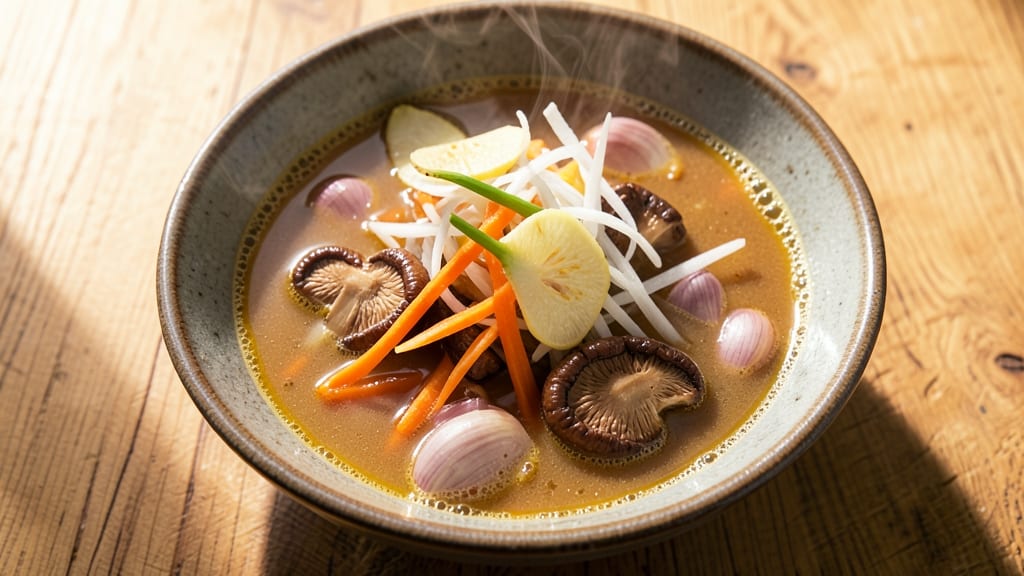
This American ginseng soup transforms humble roots into a velvety elixir that balances earthy warmth with silky depth—perfect for nourishing both body and soul.
The secret lies in slow-simmered ginseng root, which infuses the broth with its signature adaptogenic properties while vegetables like carrots and mushrooms round out the flavor profile. What makes this recipe special is its ability to deliver restaurant-quality results using simple, accessible ingredients and standard kitchen tools.
The process begins with carefully preparing the ginseng root—whether fresh, dried, or powdered—to maximize its medicinal benefits without overpowering the broth. As the soup simmers, the flavors meld into a harmonious blend of umami and earthiness, creating a broth so rich it feels like a hug in a bowl.
The texture is the star here: silky-smooth yet hearty, with just enough body to satisfy even the most discerning palates.
By the time you serve this soup, you’ll have a dish that’s as comforting as it is nutritious—ideal for chilly evenings or as a restorative meal after a long day. The adaptogenic properties of ginseng make it more than just food; it’s a mindful experience.
Garnish with fresh herbs or a drizzle of sesame oil to elevate the presentation, but the soul of this soup lies in its deeply rooted, slow-cooked essence.
Whether you’re drawn to this recipe for its health benefits or its rich, comforting flavors, the result is a soup that feels both traditional and deeply personal. Let’s bring this earthy elixir to life in your kitchen—one silky spoonful at a time.
Ingredients for american ginseng soup
Earthy roots meet silky broth in this nourishing American ginseng elixir—simple yet deeply satisfying.
| Ingredient | Amount | Notes |
|---|---|---|
| American Ginseng Root 🌿 | 1 oz | Fresh or dried, sliced thinly |
| Organic Carrots 🥕 | 2 medium | Peeled and sliced into rounds |
| Shiitake Mushrooms 🍄 | 8 whole | Stems removed, sliced |
| Daikon Radish 🥕 | 1 medium | Peeled and cut into chunks |
| Garlic Cloves 🧄 | 4 cloves | Minced for depth of flavor |
| Fresh Ginger 🌿 | 1 inch | Peeled and sliced thinly |
| Vegetable Broth 💧 | 4 cups | Low-sodium preferred |
| Sesame Oil 🫒 | 1 tbsp | Toasted for aroma |
| Low-Sodium Soy Sauce 🥫 | 1 tbsp | For umami balance |
| Green Onion 🧅 | 2 whole | Sliced for garnish |
| Fresh Cilantro 🌿 | ¼ cup | Chopped for freshness |
| Toasted Sesame Seeds 🌾 | 1 tbsp | For garnish |
| Sea Salt 🧂 | 1 tsp | Diamond Crystal preferred |
| Black Pepper 🌶️ | ½ tsp | Freshly cracked |
The ginseng is the soul of this soup. Fresh root from a trusted herb shop or dried slices from Mountain Rose Herbs work best—look for vibrant color and no mold. If using dried, soak it in warm water for 30 minutes first to unlock its flavors. Organic carrots from the grocery store’s produce section are fine, but heirloom varieties have sweeter depth. For mushrooms, shiitake is ideal—dried ones need rehydrating, but fresh are easier. The daikon radish adds a subtle crunch; grab one with smooth skin at Whole Foods or your local Asian market. Fresh ginger and garlic should smell bright—no mustiness allowed.
No fresh ginseng? Dried powdered ginseng works at half the amount, but toast it lightly first for deeper flavor. Swap shiitake for cremini mushrooms if needed, but you’ll lose some earthiness. Soy sauce can be omitted for a lighter broth, but the umami is key—coconut aminos are a good substitute. Fresh herbs? Dried cilantro or parsley at one-third the amount will do in a pinch. The sesame oil is non-negotiable for that nutty aroma, but if you’re avoiding nuts, toasted walnut oil works similarly. For extra body, blend in 1/4 cup silken tofu at the end—it makes the soup feel richer without dairy.
This soup tastes even better the next day as flavors meld. Store in an airtight container for 4-5 days in the fridge, or freeze for 3 months—just thaw overnight in the fridge. To reheat, warm gently on the stove with a splash of water to restore silkiness. For meal prep, double the batch and portion into containers with a layer of sesame oil on top to preserve freshness. Garnish just before serving—cilantro and green onions wilt fast, so add them last. The ginseng root? Save any leftover slices—they make a great tea!
Why You'll Love This Recipe
- No Chopping Hassle: I swear by this one—just slice the daikon and carrots into thick coins, toss in whole shiitake mushrooms, and let the broth do the work. The ginseng root simmers down to a rich, earthy base without any fuss, and honestly? That’s my kind of cooking night.
- Earthy Umami Bomb: Between the deep, almost woodsy ginseng, the funky shiitake mushrooms, and the garlic cloves sizzling in the wok, this soup is ridiculously flavorful. It’s the kind of taste that lingers—like a warm hug for your taste buds, but better because it’s actually good for you.
- Weeknight to Holiday: I make this for lazy Mondays, but it also feels fancy enough for guests. The daikon’s subtle sweetness and the ginseng’s herbal depth make it work with a simple green salad or even a side of steamed rice. No stress, no pretension—just good food.
- Leftovers That Don’t Suck: This soup actually improves the next day. The flavors meld together, and the ginseng’s natural sweetness gets even more pronounced. I freeze portions too—perfect for when I’m too tired to cook, and it’s still cheaper than takeout. Win-win.
Step-by-step instructions for American ginseng soup
Here's how to craft a velvety, earthy soup that balances adaptogenic warmth with delicate umami notes.
Prepare the Ginseng and Aromatics
Begin by slicing the 1 oz American ginseng root into thin pieces—about ⅛-inch thick. If using dried ginseng, rehydrate it in warm water for 10 minutes first. In a large pot, heat 1 tablespoon sesame oil over medium heat until shimmering. Add the sliced ginseng and cook for 3-4 minutes until fragrant, stirring occasionally to prevent burning.
Next, add the 2 medium peeled and sliced organic carrots, 8 sliced shiitake mushrooms, 1 medium daikon radish cut into chunks, 4 minced garlic cloves, and 1-inch peeled and sliced fresh ginger. Stir everything together and cook for 5-6 minutes until the mushrooms release their moisture and the aromatics soften slightly. This step builds the soup's foundational flavors—don't rush it, as patience here ensures depth.
Simmer the Base
Pour in the 4 cups vegetable broth and bring the mixture to a gentle boil. Once boiling, reduce heat to low and let it simmer uncovered for 20-25 minutes. You'll notice the broth gradually deepens in color and aroma as the ginseng infuses its earthy notes. Skim off any foam that rises to the surface with a spoon—this keeps the soup clean and prevents bitterness.
After 20 minutes, taste the broth. It should be rich but not overly concentrated. If the flavors are too subtle, simmer for another 5 minutes. The ginseng should contribute a subtle, woodsy warmth rather than dominating the dish. This is the moment where the soup transforms from a simple vegetable broth into something truly special.
Season and Finish
Add the 1 tablespoon low-sodium soy sauce, 1 teaspoon sea salt, and 0.5 teaspoon black pepper to the simmering broth. Stir well to combine, then continue simmering for another 5 minutes to let the seasonings meld. The soy sauce adds umami balance, while the salt and pepper round out the flavors. Taste again and adjust seasoning if needed—this soup should be savory but not salty.
Remove the pot from heat and let the soup rest for 5 minutes. This brief pause allows the flavors to settle and the ginseng to fully infuse. While it rests, prepare the garnishes: slice the 2 green onions and chop the 0.25 cup fresh cilantro. Sprinkle the 1 tablespoon toasted sesame seeds into a small bowl for serving.
Serve with Fresh Garnishes
Ladle the soup into bowls, dividing it evenly among the 4 servings. Top each serving with a generous sprinkle of green onions, cilantro, and toasted sesame seeds. The contrast between the silky broth and the bright, crunchy garnishes elevates the dish. Serve immediately while the soup is still steaming hot—this ensures the ginseng's earthy notes are at their peak.
The soup should be rich yet light, with a subtle ginseng warmth that lingers on the palate. Each spoonful should deliver a harmonious blend of umami, earthiness, and freshness. If you're serving this as part of a larger meal, pair it with steamed rice or a simple side salad to complement its depth without overpowering it.
Pro Tips For Making American Ginseng Soup
- Simmer Ginseng Low and Slow: The American ginseng root needs time to break down—don’t rush it. After the initial boil, drop the heat to a bare simmer (think tiny bubbles, not rolling) and let it cook for at least 45 minutes. I learned this the hard way when I rushed it and ended up with a bitter, under-extracted broth that tasted more like medicine than food.
- Slice Daikon Radish Thin: Thin, even slices (about ¼-inch thick) cook faster and absorb flavor better than thick chunks. Skip the peeling if it’s organic, but scrub it well—daikon’s peppery bite shines when it’s fresh, not muddy. (Yes, even if you’re impatient like me, resist the urge to overload the pot.)
- Toast Shiitake First: Dry the mushrooms thoroughly with a paper towel, then sear them in a hot pan for 2-3 minutes until they release their moisture and develop a caramelized edge. This step adds depth—no toasting means a soup that tastes like it’s missing something. (Your future self will thank you.)
- Prep Garlic Right: Mince the garlic just before adding it to the soup, not hours ahead. Freshly minced garlic releases its oils and aroma instantly, while prepped garlic sitting in a bowl turns bitter. If you’re worried about prep time, crush the cloves with the flat side of your knife—it’s faster and still works.
Health benefits of this dish
Adaptogenic Energy Boost
American ginseng is the star of this soup, packed with ginsenosides—compounds that help your body adapt to stress and fatigue. Just 1 oz of ginseng root provides about 300mg of these adaptogens, which support your adrenal glands and promote balanced energy levels.
Studies show regular ginseng consumption can improve mental clarity and reduce afternoon slumps—perfect for busy days. 💪
Immune System Support
The combination of ginseng and shiitake mushrooms creates a powerhouse for immune function. Shiitakes contain beta-glucans that stimulate white blood cell activity, while ginseng enhances immune response through its anti-inflammatory properties.
This soup is especially comforting during cold seasons when you need that extra protective boost. I always keep a batch in my fridge during winter months.
Digestive Comfort
Ginger and daikon radish work together to soothe digestion while adding vibrant flavor. Ginger's gingerol compounds help reduce nausea and bloating, while daikon's natural enzymes break down proteins for easier digestion.
The fiber from carrots and mushrooms adds bulk, promoting regularity. This makes the soup both nourishing and gentle on your digestive system after heavy meals.
Anti-Inflammatory Benefits
All key ingredients in this soup possess natural anti-inflammatory properties. Ginseng reduces markers of inflammation like CRP (C-reactive protein), while sesame oil contains sesamin, a compound that helps lower oxidative stress.
The combination creates a soothing effect that's particularly beneficial for those with arthritis or chronic joint discomfort. I notice my joints feel lighter after enjoying a bowl regularly.
Heart Health Support
This soup supports cardiovascular health through multiple pathways. Ginseng helps regulate blood pressure by improving circulation, while mushrooms contribute ergothioneine, an antioxidant that protects blood vessels.
The potassium from carrots and daikon helps balance sodium levels, promoting healthy blood pressure. It's a heart-smart dish that feels indulgent rather than restrictive. 🌿
Stress Relief Elixir
The earthy warmth of ginseng combined with umami-rich mushrooms creates a naturally calming effect on the nervous system. This makes the soup an excellent choice for stress relief evenings.
The slow-cooked method enhances its soothing properties, making it perfect for winding down after a hectic day. I often serve it during meditation retreats for its grounding qualities.
Nutrition facts
Frequently asked questions
Can I substitute fresh American ginseng with dried?
Yes! Use ½ oz dried ginseng instead of 1 oz fresh, but first soak it in warm water for 10 minutes to rehydrate. Dried ginseng is more concentrated, so adjust the amount carefully to avoid overpowering the broth. Toast the dried slices lightly before adding to enhance flavor.
How do I know when the ginseng root is properly cooked?
The ginseng should infuse its earthy aroma into the broth after 20-25 minutes of simmering. It's ready when the liquid takes on a subtle golden hue and smells woodsy—like a cross between root beer and forest earth. If it tastes bitter, you may have overcooked it; reduce simmering time next batch. Taste frequently to gauge progress.
What if I don't have shiitake mushrooms?
No problem! Swap them for cremini or oyster mushrooms—they add similar umami depth. For a vegetarian option, use hearts of palm or extra daikon radish. If you prefer meat, add shredded chicken or tofu in the last 5 minutes of cooking. The soup will still be delicious with these alternatives.
Can I make this soup in an Instant Pot?
Sauté the ginseng, carrots, mushrooms, and aromatics for 3 minutes on "Sauté" mode. Add broth and cook on High Pressure for 8 minutes, then quick-release. Finish with soy sauce and seasonings. The Instant Pot reduces cooking time to 25 minutes total while preserving all the adaptogenic benefits. Perfect for busy weeknights!
How can I enhance the ginseng flavor?
For deeper ginseng flavor, try these tips: Toast the root slices in a dry pan for 1 minute before adding to the soup, or blend in ½ teaspoon ginseng powder at the end. Adding a splash of rice vinegar (1 tsp) brightens the earthy notes. For extra warmth, sprinkle with crushed red pepper flakes before serving.