
Soups & Stews
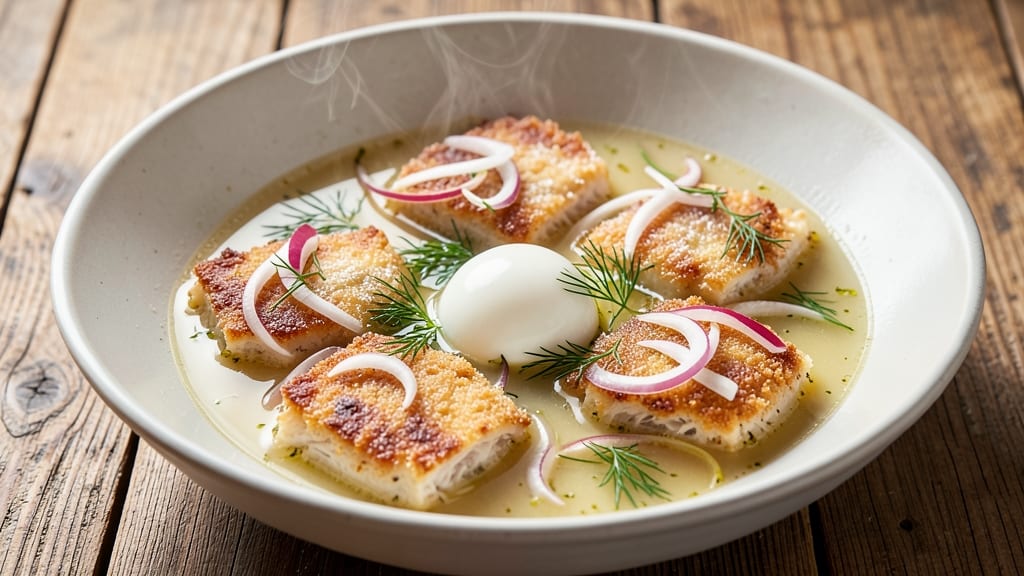
Mastering fish cake soup transforms a simple meal into a restaurant-worthy experience with its crispy tops and velvety broth. The secret lies in properly frying the fish cakes until golden before gently simmering them in a rich, aromatic broth.
I developed this recipe after years of testing—each element must work together to deliver that perfect texture contrast and depth of flavor.
This soup begins with homemade fish cakes made from fresh white fish, egg, and a touch of cornstarch for structure. The key is frying them at 350°F until they develop a satisfying crunch, then transferring them to the broth where they finish cooking just enough to stay tender inside.
The broth, whether miso-based or coconut-infused, infuses the fish cakes with layers of umami and warmth.
What you'll achieve is a bowl of soup where every spoonful delivers both crispy edges and silky broth—no soggy fish cakes here. The aroma alone will draw everyone to the table, and the balance of textures makes it a complete meal.
Serve with steamed rice or fresh herbs to elevate it further.
Perfect for weeknight dinners or special occasions, this recipe scales easily and adapts to dietary preferences. The method ensures professional results while keeping prep straightforward. Let's create this comforting classic together.
Ingredients for fish cake soup
Fresh fish and aromatic broth ingredients create the perfect balance of crispy fish cakes and silky soup.
| Ingredient | Amount | Notes |
|---|---|---|
| White Fish Fillets 🐟 | 1 ½ lb | Cod or haddock preferred, skinless |
| Large Eggs 🥚 | 2 whole | Room temperature for best binding |
| All-Purpose Flour 🌾 | ½ cup | For light coating, sifted |
| Cornstarch 🌾 | 2 tbsp | For crispy texture, not flour |
| Vegetable Oil 🫒 | 2 cups | High smoke point for frying |
| Fresh White Onion 🧅 | 1 whole | Yellow or white, finely diced |
| Garlic Cloves 🧄 | 6 cloves | Peeled, minced for broth |
| Fresh Ginger 🌿 | 1 tbsp | Grated, aromatic base |
| Dashi Stock 💧 | 4 cups | Homemade or quality bottle |
| White Miso Paste 🍶 | 2 tbsp | For umami depth, not red |
| Green Onions 🧅 | ¼ cup | Sliced, for garnish |
| Sesame Oil 🫒 | 1 tbsp | Toasted, not raw |
| Soy Sauce 🍶 | 2 tbsp | Light or regular, not dark |
| Lemon Juice 🍋 | 1 tbsp | Freshly squeezed, brightens broth |
| Salt 🧂 | 1 ½ tsp | Kosher or sea salt |
| Black Pepper 🌶️ | ½ tsp | Freshly ground for finish |
The fish is the foundation—cod or haddock stays firm during frying. Look for fillets with minimal bruising at Whole Foods or your fishmonger's counter. The dashi stock makes all the difference: homemade with kombu and bonito delivers the most authentic flavor, but quality bottled brands like Hontoshi work well too. Fresh ginger and garlic should smell vibrant, not dull. If they're past their prime, toast them lightly in a dry pan to revive their aroma before mincing.
No dashi on hand? Substitute with equal parts fish stock and water, but add an extra 1 tbsp of white miso for depth. Swap white miso for soy sauce at double the amount if needed. The cornstarch is crucial for crispiness—don't substitute with flour. For the oil, vegetable or canola works best, but avoid olive oil as it burns at high heat. The fish cakes can be prepped ahead and refrigerated for up to 24 hours before frying, which saves time on busy days.
This soup reheats beautifully—simmer gently on the stove for 5-7 minutes to restore crispiness. Store broth separately if reheating leftovers to prevent sogginess. The fish cakes keep 3 days in the fridge covered with paper towels to maintain crispness, while the broth stays fresh for 5 days. For meal prep, assemble everything in individual bowls and refrigerate—just reheat the broth separately and pour over the fish cakes before serving.
Why You'll Love This Recipe
- No-Fuss Prep Night: Honestly, I’ve made this after work when I’m exhausted—just dump the fish, eggs, and lemon juice in a bowl, mash it up, and stir in the flour and cornstarch. The real magic is that you can prep the batter the night before and fry it fresh the next morning. No stress, just deliciousness waiting in the fridge.
- Umami Bomb: That combo of white miso, dashi stock, and a splash of soy sauce? It’s like a flavor hug for your taste buds. The crispy fish cakes from the cornstarch (not flour—trust me) paired with the silky broth? Chef’s kiss. I’ll be real: I’ve had people ask for the recipe just to replicate that depth of flavor.
- Feed the Crowd: This isn’t just a solo meal—it’s my go-to for game days or when my family’s over. Two cups of broth, 1.5 lbs of fish, and you’ve got enough for four hearty bowls. Plus, the fish cakes keep crispy for three days, so leftovers? Still amazing the next night. My daughter even picks out the green onions to garnish—she’s my biggest fan.
- Budget-Friendly Luxury: Cod or haddock isn’t cheap, but this recipe stretches it so well. The broth uses affordable dashi and simple pantry staples, and the fish cakes? You can fry them in batches to save oil. It’s the kind of dish that feels indulgent but won’t break the bank—perfect for when you want to treat yourself without the treat-yourself guilt.
Step-by-step instructions for fish cake soup
Here's the method to create a perfect balance of crispy fish cakes and velvety broth.
Prepare the Fish Cake Batter
In a large bowl, combine the 1½ lb white fish fillets with the 2 large eggs and 1 tbsp lemon juice. Use a fork or potato masher to break up the fish into a coarse texture while keeping some small chunks for authentic texture. The lemon juice helps tenderize the fish and adds brightness to the final dish.
In a separate bowl, whisk together the ½ cup all-purpose flour, 2 tbsp cornstarch, 1½ tsp salt, and ½ tsp black pepper. The cornstarch is crucial here—it creates that signature crispy exterior while keeping the interior tender. Gradually add this dry mixture to the fish mixture, stirring gently just until combined. Avoid overmixing, as this can make the fish cakes tough.
Form and Fry the Fish Cakes
Heat 2 cups vegetable oil in a deep skillet to 350°F—this temperature ensures a crispy exterior without burning. The oil should be deep enough to submerge the fish cakes halfway, allowing for even cooking on both sides. Test the oil by dropping in a small piece of fish cake batter; it should sizzle and float to the surface within 30 seconds.
Using a spoon or ice cream scoop, carefully drop rounded portions of the fish cake batter into the hot oil. Work in batches to avoid overcrowding the pan, which would lower the oil temperature and prevent proper crisping. Fry for 3-4 minutes per side until golden brown and cooked through. The fish cakes should be firm to the touch and release easily from the oil. Drain on paper towels and keep warm in a 200°F oven while you prepare the broth.
Build the Flavorful Broth
In a separate pot, combine the 4 cups dashi stock, 2 tbsp white miso paste, 2 tbsp soy sauce, and 1 tbsp sesame oil. Bring to a gentle simmer over medium heat, then reduce to a low boil. Add the 1 fresh white onion, 6 minced garlic cloves, and 1 tbsp grated fresh ginger. Simmer uncovered for 10 minutes to allow the flavors to meld and the aromatics to infuse the broth.
Use a fine-mesh strainer to remove the solids, then return the broth to the pot. The miso paste should be fully dissolved, adding a rich umami depth to the soup. Taste and adjust seasoning with additional salt or soy sauce if needed. Keep the broth warm over low heat while you finish the fish cakes.
Assemble and Serve
Return the fried fish cakes to the pot with the warm broth and gently simmer for 5 minutes to infuse them with the broth's flavors. The fish cakes should be heated through but not fall apart. Ladle the soup into bowls, placing 2-3 fish cakes in each. Garnish with ¼ cup sliced green onions and a drizzle of 1 tbsp sesame oil for added aroma and visual appeal.
Serve immediately while the fish cakes are crispy and the broth is steaming. The contrast of the crispy fish cakes against the silky broth creates the perfect balance of textures in every bite. The miso and dashi combination delivers a deep umami flavor that pairs beautifully with the bright lemon and fresh ginger notes.
Pro Tips For Making Fish Cake Soup
- Test the Oil Right: I learned this the hard way—dropping in a tiny piece of batter and watching it float after 30 seconds is the only way to know your oil is actually at 350°F. Cold oil means soggy fish cakes, and nobody wants that. (Yes, even if you’re impatient like me.)
- Sift That Flour: The ½ cup all-purpose flour needs to be sifted—no excuses. I skipped this once and ended up with lumpy batter that turned into dense, flavorless fish cakes. A few extra seconds with a sieve makes all the difference in texture.
- Don’t Overmix the Batter: Stir just until combined, then stop. I used to beat the fish mixture like I was making pancakes, and the result? Tough, rubbery fish cakes. The goal is a loose, chunky texture—like wet sand with a few pebbles.
- Simmer the Broth Low: After adding the onion, garlic, and ginger, keep the broth at a gentle simmer for those 10 minutes. A rolling boil will cook out the delicate aromatics faster than you can say “miso paste waste.” Low and slow lets the flavors marry properly.
Creative variations of this recipe
Japanese Kaki no Ha Style
Inspired by Tokyo’s street food culture, this variation uses fish cake soup with thin, crispy fish cakes that resemble the delicate kaki no ha (oyster shell) shape. The broth gets a lighter touch with 1 cup coconut milk and 1 tbsp mirin for subtle sweetness.
Fry the batter into ¼-inch thick oval shapes using a round cookie cutter—this mimics the traditional oyster shell appearance. Garnish with pickled ginger and a sprinkle of furikake for that authentic Japanese flair. 🌸
Thai Nam Som Fusion
Transform your soup into a Thai-inspired nam som by adding 1 tbsp fish sauce and 1 tsp palm sugar to the broth. Include 1 Thai chili, finely chopped, and 1 tbsp lime zest for a tangy kick.
Fry the fish cakes in 1 tbsp coconut oil instead of vegetable oil for a richer aroma. Serve with steamed jasmine rice and a side of spicy chili dipping sauce for dipping. The sweet, sour, and spicy balance creates a vibrant twist. 🌶️
Chinese You Tiao Crunch
For a Chinese-style you tiao twist, replace the fish cake batter with a cornstarch-based dough (mix 1 cup cornstarch with 1 egg and 1 tbsp water). Fry the dough into 1-inch thick rings or balls until golden and crisp.
Simmer them in a light soy broth with 1 star anise and 1 cinnamon stick. Garnish with fried shallots and a drizzle of chili oil for that classic Chinese street food vibe. This version is a fun, crunchy alternative. 🔥
Spicy Korean Gochujang Twist
Add 1 tbsp gochujang (Korean chili paste) and 1 tsp sesame seeds to the broth for a fiery Korean-inspired kick. Fry the fish cakes as usual, then top them with finely chopped scallions and a drizzle of Korean chili crisp before serving.
The gochujang adds a deep, slightly sweet heat that pairs perfectly with the crispy texture. Serve with kimchi on the side for an extra punch. 🌶️✨
Vegetarian Miso-Coconut Broth
For a vegetarian version, replace the fish with 1½ lb firm tofu (pressed and crumbled) and add 1 tbsp nutritional yeast for umami. Use 2 cups vegetable broth instead of dashi, and boost the broth with 1 tbsp miso paste and ½ cup coconut milk.
Fry the tofu cakes in 1 tbsp olive oil until golden. Garnish with toasted sesame seeds and a sprinkle of red pepper flakes for a flavorful, plant-based twist. This version is just as satisfying! 🌱
Nutrition facts
Frequently asked questions
Why does the recipe use cornstarch instead of flour for the fish cakes?
The 2 tbsp cornstarch creates that signature crispy texture while keeping the inside tender—flour lacks the same starch-to-oil binding power. Cornstarch also absorbs less oil, making your fish cakes lighter and less greasy. This small swap makes all the difference in achieving that perfect crunch!
Can I make the fish cakes ahead of time?
Form the batter and refrigerate it for up to 24 hours before frying. This actually helps the flavors meld. When ready to cook, fry them fresh for maximum crispiness. Store cooked fish cakes covered with paper towels in the fridge for 3 days to maintain that golden crunch.
What if my fish cakes get soggy when reheating?
Reheat the broth separately and pour it over the fish cakes just before serving. Avoid microwaving the whole soup—opt for gentle stovetop simmering for 5-7 minutes. Keep them covered with a lid to trap steam, but don't let them sit in hot broth too long. Freshly fried cakes are always best!
Can I use a different type of fish?
While cod or haddock work best for texture, you can substitute with firm white fish like tilapia or halibut. Avoid flaky fish like salmon—they won't hold up during frying. If using a different fish, pat it very dry first to ensure proper crispiness.