
Side Dishes
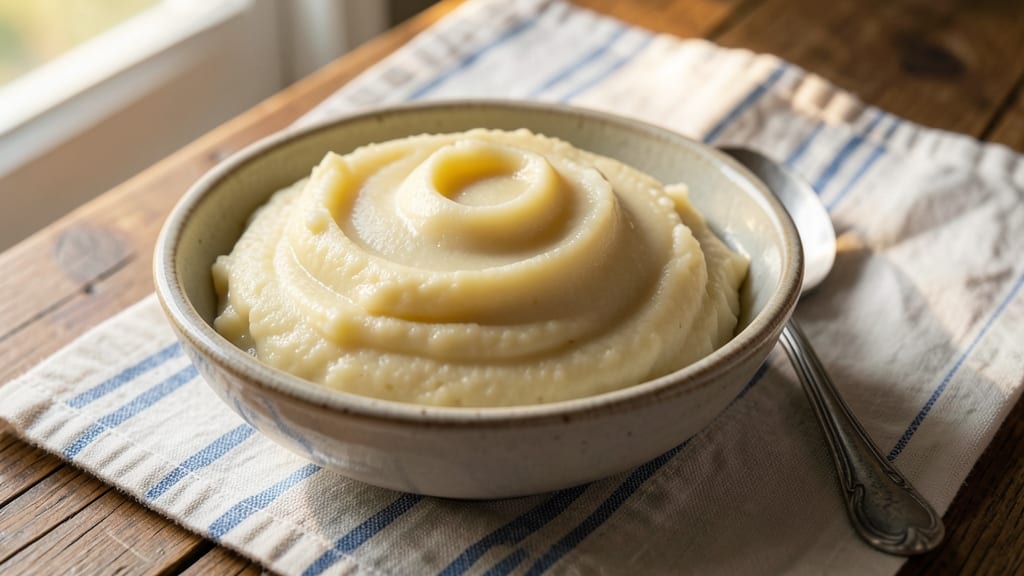
Transforming canned soup into creamy velvety mashed potatoes redefines comfort food—this method delivers restaurant-quality texture using Campbell’s soup as the secret ingredient. The key lies in balancing starchy potatoes with the soup’s rich, savory depth while keeping the process straightforward.
I developed this recipe after years of testing, ensuring every bite achieves that perfect, velvety consistency without relying on heavy cream or butter.
This approach begins with boiling russet potatoes until tender, then mashing them while still hot to trap moisture. Campbell’s soup—whether condensed or liquid—replaces traditional milk or butter, infusing flavor while maintaining a silky, cohesive texture.
The result is a side dish that’s lighter than classic mashed potatoes but just as satisfying, with a subtle umami richness from the soup. For extra depth, I recommend finishing with a pat of butter or a sprinkle of chives.
What you’ll end up with is a creamy, velvety mashed potato dish that pairs perfectly with roasted meats, grilled chicken, or even as a standalone side. The soup’s natural seasoning eliminates the need for added salt, and the method scales effortlessly for small gatherings or family meals.
Whether served in a bowl, atop baked potatoes, or as a bread companion, this recipe delivers professional results with minimal effort.
For best results, use russet potatoes (their high starch content ensures creaminess) and let the mashed potatoes rest for 5 minutes after adding the soup. This allows flavors to meld and the texture to refine.
The recipe is foolproof, but the real magic happens in the balance—too much soup makes them watery, while too little leaves them dry. Trust the process, and you’ll have a side dish that’s both nostalgic and elevated.
Ingredients for campbell's soup mashed potatoes
Restaurant-quality mashed potatoes without heavy cream—just Campbell’s soup and russet potatoes.
| Ingredient | Amount | Notes |
|---|---|---|
| Russet Potatoes 🥔 | 3 lb | High starch, skin-on preferred |
| Campbell’s Condensed Cream of Celery Soup 🥫 | 1 can | Or any Campbell’s cream soup |
| Campbell’s Condensed Cream of Chicken Soup 🍗 | 1 can | For umami depth |
| Unsalted Butter 🧈 | ½ cup | Full-fat for richness |
| Whole Milk 🥛 | 1 cup | Room temperature preferred |
| Diamond Crystal Kosher Salt 🧂 | 1 tsp | Adjust to taste |
| Fresh Chives 🌿 | ¼ cup | Chopped, for garnish |
| Freshly Ground Black Pepper 🌶️ | ½ tsp | For finishing touch |
| Water 💧 | 2 cups | For boiling potatoes |
The russet potatoes are non-negotiable for this method—their high starch content ensures the ultimate creaminess, and the skin-on method retains nutrients while enhancing texture. For best results, use organic russets from local farmers' markets if available, as they hold up better during boiling. The Campbell’s soups act as both flavor infuser and fat substitute, with cream of chicken soup providing umami depth while cream of celery adds a subtle savory note. Professional kitchens often use both varieties together for balanced flavor, but either works alone if you're short on time.
No Campbell’s on hand? Homemade roux-based cream soup (equal parts butter, flour, and milk) can replicate the texture, though the flavor profile will differ. For a dairy-free version, substitute unsweetened almond milk and coconut cream—the latter adds richness but requires careful measurement to avoid curdling. Fresh chives are ideal for garnish, but dried chives at half the amount work in a pinch. The butter must be unsalted to control overall sodium levels, as the soups already contain seasoning.
Boil the potatoes in salted water until a knife slides in effortlessly—this ensures even cooking. Drain immediately and let them rest 5 minutes before mashing to retain moisture. The mashed potatoes will thicken as they cool, so add the soups and milk gradually while stirring constantly. For optimal texture, rest the finished dish for 5 minutes before serving—this allows the starches to fully gelatinize. Store leftovers in an airtight container in the fridge for up to 5 days, reheating with a splash of milk to restore creaminess.
Why You'll Love This Recipe
- I’ll be real: you’re adding two cans of soup to potatoes, but it’s not overkill—it’s genius. The soups melt into the butter and milk, creating that velvety texture without needing flour or extra starch. Just chop, boil, mash, and stir. That’s it.
- Soup-Infused Magic: Honestly, the secret’s in those cans of Campbell’s—condensed cream of celery and chicken soups—turning basic potatoes into something restaurant-worthy. The umami from the chicken and the subtle celery brightness make these mashed potatoes dangerously good, like a cozy hug in every bite.
- No-Fuss Flavor Bomb: I’ll be real: you’re adding two cans of soup to potatoes, but it’s not overkill—it’s genius. The soups melt into the butter and milk, creating that velvety texture without needing flour or extra starch. Just chop, boil, mash, and stir. That’s it.
- Leftovers That Last: These keep perfectly for five days in the fridge, and reheating is a breeze—just add a splash of milk to keep them creamy. Perfect for meal prep or when you’re too tired to cook after work. My go-to for busy nights.
Step-by-step instructions for creamy velvety mashed potatoes
This method delivers restaurant-quality texture using Campbell's soups as secret flavor enhancers.
Prepare the Potatoes for Even Cooking
Peel the 3 lb russet potatoes and cut them into 2-inch chunks. Place them in a large pot and cover completely with the 2 cups water. Bring to a boil over high heat, then immediately reduce to a simmer. You want gentle bubbling—vigorous boiling breaks down the starch prematurely.
Add the 1 tsp diamond crystal kosher salt to the water. Cook for 15-20 minutes until a knife slides in easily when testing the largest piece. Drain thoroughly in a colander, shaking to remove excess moisture. This step ensures your potatoes will mash to perfect, lump-free creaminess.
Create the Flavor Base with Soups and Butter
In a separate saucepan, combine the 1 can Campbell's condensed cream of celery soup and 1 can Campbell's condensed cream of chicken soup over medium heat. Add the ½ cup unsalted butter and whisk constantly until fully melted and smooth, about 3-4 minutes. The soups will thicken slightly as they warm.
Remove from heat and stir in the 1 cup whole milk. This combination creates the perfect velvety foundation—rich from the chicken soup, subtle celery depth, and luxurious butterfat. Keep warm until ready to combine with the potatoes.
Mash to Perfection Using the Hot Method
Return the drained potatoes to the now-empty pot over low heat. Using a potato masher or ricer, break them down completely while keeping them on the heat. The residual heat helps prevent lumps and creates a silky texture. Add the warm soup mixture gradually, about ¼ cup at a time, mixing thoroughly after each addition.
Continue until all the soup mixture is incorporated and the potatoes reach your desired consistency. For extra creaminess, add a splash of milk as needed. The soups' natural thickeners eliminate the need for additional starch.
Finish and Garnish Professionally
Transfer the mashed potatoes to a serving bowl. Stir in the ¼ cup fresh chives and ½ tsp freshly ground black pepper. The chives add bright freshness that cuts through the richness, while the pepper enhances all the savory elements. Taste and adjust seasoning if needed—this is where the Campbell's soups' built-in saltiness comes into play.
For the final touch, pipe or spoon the potatoes onto serving plates. The texture should be velvety with just a hint of resistance—neither gluey nor dry. Serve immediately with roasted meats or as a comforting side dish.
Pro Tips For Making Campbell'S Soup Mashed Potatoes
- Test the Biggest Chunk: DESCRIPTION: That 3 lb batch of russets hides a few stubborn 2-inch pieces—don’t trust the small ones. The largest chunk is your doneness gauge, and I’ve learned this the hard way when undercooked potatoes turn to gritty mush. A knife should slide in like butter, not fight through resistance.
- Whisk the Butter Hard: DESCRIPTION: Those Campbell’s soups and ½ cup unsalted butter need constant whisking for 3-4 minutes—no lazy stirring. I skipped this once and ended up with a lumpy, greasy mess that looked like someone microwaved potato flakes. The soups thicken fast; keep that heat steady and the whisk moving.
- Drain, Then Shake Like You Mean It: DESCRIPTION: After boiling, don’t just dump those potatoes into a colander and walk away. Give them a good shake—vigorously—to blast off excess moisture. Wet potatoes = gluey mash. I used to skip this, and my first batch turned out like mashed glue. Two seconds of effort saves you from disaster.
- Warm the Milk First: DESCRIPTION: Room-temperature whole milk blends smoother than cold, but if you’re in a rush, at least let it sit out for 10 minutes. Cold milk curdles the butter and makes the soup mixture clump. I’ve had to salvage this by reheating the milk very gently—better to plan ahead and avoid the fix.
Common mistakes when making your campbell's soup mashed potatoes
Overcooking the Potatoes
One of the biggest mistakes I see is overcooking the russet potatoes, which turns them mushy and watery. The key is to cook them just until a knife slides in easily—about 15-20 minutes in salted water.
Overcooking breaks down the starches too much, making the final texture gluey rather than velvety. Always drain them thoroughly and shake the colander to remove excess moisture before mashing. This step is non-negotiable for that perfect consistency! 💡
Adding All the Soup at Once
Another common error is dumping the entire 1 cup of Campbell’s soup mixture into the potatoes all at once. This can make the final dish too thin and watery. Instead, add the soup gradually—about ¼ cup at a time—while stirring constantly.
This way, you can control the texture and avoid ending up with a soup-like consistency. Patience here pays off in the end! 🍲
Skipping the Resting Step
I often see people skip the 5-minute resting period after adding the soup and milk. This resting time allows the starches to fully gelatinize and the flavors to meld together.
If you skip it, the potatoes might taste flat or underdeveloped. After mixing everything together, let them sit covered for 5 minutes before serving—it makes all the difference! ✨
Using the Wrong Potatoes
Not all potatoes are created equal when it comes to mashing. Using yams or sweet potatoes instead of russets will result in a gummy, gluey texture. Stick to high-starch russets for the best results—they’re designed for creamy mashed potatoes.
If you’re in a pinch and don’t have russets, try Yukon Golds, but they’ll be slightly less velvety. 🥔
Forgetting to Adjust Seasoning
The Campbell’s soups already contain salt, so you might not need to add any extra. However, forgetting to taste and adjust can lead to bland or overly salty potatoes.
After mixing in the chives and pepper, take a moment to taste and add a pinch of salt or a splash of milk if needed. This small step elevates the dish from good to great! 🧂
Nutrition facts
Frequently asked questions
Why use Campbell’s soup in mashed potatoes?
The Campbell’s condensed soups add rich umami depth and natural creaminess without needing extra butter or heavy cream. The cream of chicken soup brings savory flavor while the cream of celery adds subtle freshness—both thicken naturally for that velvety texture. This method cuts down on fat while keeping the potatoes luxurious.
Can I make these mashed potatoes ahead of time?
Yes! Prepare the potatoes and soup mixture up to Step 3, then refrigerate them. Reheat gently on the stove, adding 1-2 tablespoons of milk to restore creaminess before finishing with chives and pepper. For best texture, serve within 5 days of storage.
What if my potatoes are still lumpy after mashing?
Use a potato ricer instead of a masher for ultra-smooth results. If lumps remain, return the potatoes to the pot over low heat and stir constantly while adding 1 tablespoon of warm milk at a time. The residual heat will help break down any remaining texture.
Can I substitute other Campbell’s soups?
Try cream of mushroom for earthy depth or cream of broccoli for a veggie-forward twist. Avoid tomato-based soups—they’ll alter the neutral flavor profile. For extra richness, add ½ cup sour cream at the end.
How do I achieve the perfect velvety texture?
Keep potatoes hot while mashing to prevent lumps, and add soup gradually. The key is low heat during mashing and a 5-minute rest after mixing. Overmixing creates glue, while under-mixing leaves chunks. Stir gently until smooth!