
Soups & Stews
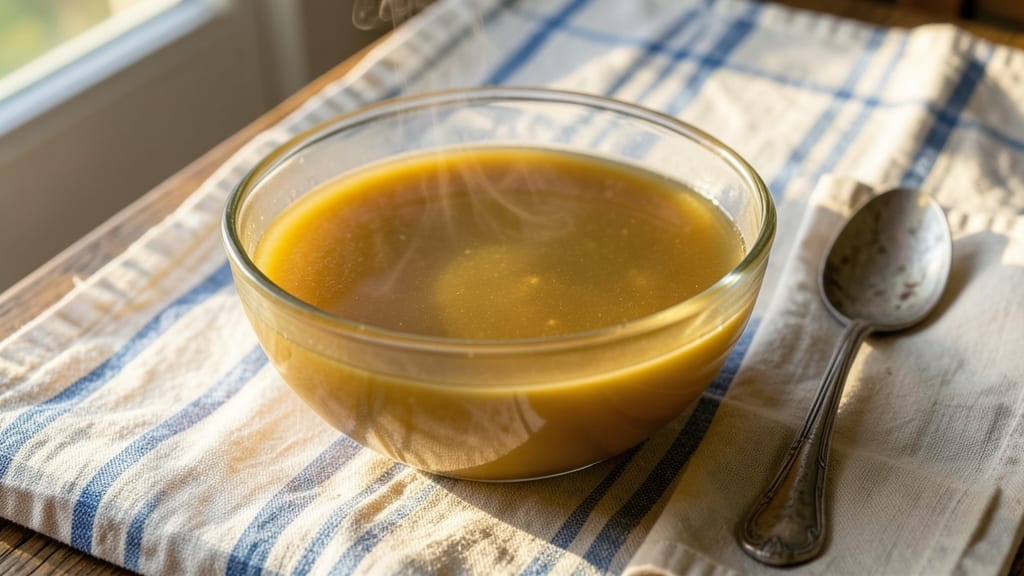
Creating a bouillon soup recipe from scratch transforms simple ingredients into a deeply flavorful, aromatic broth that forms the heart of countless meals. The secret lies in slow simmering—extracting maximum umami from vegetables, bones, or proteins to build a rich foundation that feels restaurant-quality at home.
I’ve perfected this method over years of testing, ensuring every sip delivers that satisfying depth you can’t replicate with store-bought versions.
The beauty of homemade bouillon is its versatility—whether you’re using chicken carcasses, beef bones, or a robust vegetable base, the technique remains the same. Aromatics like onions, carrots, and celery form the flavor backbone, while herbs and spices add complexity.
This recipe delivers a foolproof method that yields a clear, deeply savory broth in under 2 hours, with minimal effort after the initial prep.
What you’ll end up with is a golden, fragrant broth that’s perfect for sipping on its own or as the base for soups, grains, or braised dishes. The slow simmering process concentrates flavors, creating a liquid so rich it transforms simple ingredients into something extraordinary.
Garnish with fresh herbs or a swirl of olive oil for an elegant touch—this is comfort food at its most refined.
Vegetarian? Swap bones for mushrooms, soy sauce, and kombu to achieve the same depth. The key is patience—let the flavors meld, and you’ll have a broth that tastes like it’s been simmering all day. Ready to elevate your cooking? Let’s get started.
Ingredients for bouillon soup
Homemade bouillon transforms simple ingredients into restaurant-quality broth foundation.
| Ingredient | Amount | Notes |
|---|---|---|
| Chicken Carcasses 🍗 | 2 lb | Skin-on, with giblets removed |
| Yellow Onions 🧅 | 2 whole | Coarsely chopped, skin removed |
| Carrots 🥕 | 3 whole | Roughly chopped, peel on |
| Celery Stalks 🌿 | 3 whole | Chopped, including leaves |
| Garlic Cloves 🧄 | 6 cloves | Unpeeled, smashed lightly |
| Fresh Thyme 🌿 | 1 tbsp | Leaves only, tied in cheesecloth |
| Bay Leaves 🍃 | 2 whole | Dried, high-quality leaves |
| Black Peppercorns 🌶️ | 1 tbsp | Whole, lightly crushed |
| Diamond Crystal Kosher Salt 🧂 | 1 ½ tsp | Fine grain preferred |
| Extra-Virgin Olive Oil 🫒 | ¼ cup | High-quality, fruity profile |
| Water 💧 | 8 cups | Filtered or spring preferred |
| Fresh Parsley 🌿 | ¼ cup | Chopped, for garnish |
| Cold-Pressed Extra-Virgin Olive Oil 🫒 | 1 tbsp | For finishing touch |
| Lemon Wedges 🍋 | 2 whole | For serving |
The foundation of exceptional bouillon lies in the bones. Chicken carcasses provide a delicate, clean flavor profile, but beef marrow bones or pork knuckle deliver deeper umami for a more robust broth. For maximum extraction, roast carcasses at 400°F for 30 minutes before simmering to render fat and enhance aroma. Whole Foods Market and ButcherBox offer prepped carcasses with giblets removed, saving valuable prep time. Always opt for organic or pasture-raised when possible—it makes a noticeable difference in the final product.
Vegetables form the aromatic backbone, but substitutions are flexible. Mushrooms (shiitake or cremini) replace carrots and celery for a vegetarian version, while soy sauce (1 tbsp) and kombu (1 sheet) amplify umami in plant-based broths. For extra depth, add 1/2 cup tomato paste during the simmer. Fresh herbs can be replaced with dried at one-third the quantity, though the flavor profile will differ. The garlic should be unpeeled to prevent bittering, and the thyme should be tied in cheesecloth to prevent over-extraction.
This broth develops its full complexity through slow simmering. Strain immediately after cooking to remove solids, then refrigerate overnight to remove fat. The clear liquid can be stored in airtight glass jars for up to 5 days in the fridge or 6 months in the freezer. For best results, freeze in 1-cup portions—perfect for future recipes. Always label with date and type (e.g., 'Chicken Bouillon'). The finished product should be golden and fragrant, with no cloudiness or sediment after refrigeration, indicating proper extraction.
Why You'll Love This Recipe
- Here’s what sold me: this thing freezes like a dream. Make a big batch on Sunday, freeze it in 1-cup portions, and boom—you’ve got instant soup, stock, or even a quick braising liquid whenever you need it. My budget-friendly hack: buy chicken carcasses in bulk from the butcher and turn them into 6 months’ worth of flavor for pennies a serving.
- No-Fuss Flavor Bomb: I’ll never look at chicken carcasses the same way again—this is the kind of recipe that turns scraps into liquid gold. Just sear those bones for 15 minutes, toss in a handful of veggies and herbs, and let it do its thing while you nap. The crushed garlic cloves and peppercorns? They’re the secret sauce that makes this taste like a restaurant’s secret, not your average pot of water.
- Umami Overload: That first sip? Chef’s kiss. The seared chicken carcasses and thyme bundle give it a depth that’s impossible to replicate with store-bought. The carrots and celery add natural sweetness, while the bay leaves keep it bright. I’ll be real: I’ve used this as the base for risotto, deglazed it for pasta sauce, and even drunk it straight from the mug—it’s that good.
- Freezer’s Best Friend: Here’s what sold me: this thing freezes like a dream. Make a big batch on Sunday, freeze it in 1-cup portions, and boom—you’ve got instant soup, stock, or even a quick braising liquid whenever you need it. My budget-friendly hack: buy chicken carcasses in bulk from the butcher and turn them into 6 months’ worth of flavor for pennies a serving.
Step-by-step instructions for bouillon soup
Aromatic, deeply flavorful bouillon develops through patience and technique. Here's how to extract maximum umami from every ingredient.
Prepare the Base Ingredients for Maximum Flavor Extraction
Begin by coarsely chopping the 2 yellow onions, 3 carrots (peel left on), and 3 celery stalks (including leaves) into even ½-inch pieces. This size ensures proper flavor infusion without creating a thick slurry. In a separate bowl, lightly crush the 6 garlic cloves with the flat side of a knife—just enough to expose the inner flesh without pulverizing them.
Tie the 1 tablespoon fresh thyme leaves in cheesecloth and lightly crush the 1 tablespoon black peppercorns with a mortar and pestle or rolling pin. This releases their essential oils, which are crucial for building the bouillon's depth. Keep the 2 bay leaves whole and the 1½ teaspoons diamond crystal kosher salt ready for later use.
Sear the Chicken Carcasses for Rich Fond Development
Heat a large Dutch oven or heavy pot over medium-high heat until hot. Add the 2 pound chicken carcasses skin-side down and sear undisturbed for 8-10 minutes, pressing gently with a metal spatula to ensure even contact. This step develops the Maillard reaction, creating a deep, caramelized fond that forms the bouillon's foundation.
Flip the carcasses and sear the other side for another 5-7 minutes. Remove them from the pot and set aside. Immediately pour in the ¼ cup extra-virgin olive oil and let it heat until shimmering. Add the prepared vegetables—onions, carrots, celery, garlic, thyme bundle, bay leaves, and crushed peppercorns—and sauté for 10 minutes until softened and fragrant. This step extracts their concentrated flavors into the oil.
Simmer the Bouillon for Deep Umami Development
Return the seared carcasses to the pot and pour in the 8 cups water. Bring to a rolling boil, then reduce heat to maintain a gentle simmer—small bubbles breaking the surface, but not a vigorous boil. Skim any foam that rises to the surface during the first 15 minutes of simmering, as this contains impurities that can cloud the final broth.
Partially cover the pot and simmer for 3-4 hours, maintaining the gentle simmer. The broth should reduce by about ¼ of its original volume, intensifying the flavors. Stir occasionally to prevent sediment from settling on the bottom. The carcasses will become tender, and the liquid will develop a rich, amber color and deep, savory aroma.
Strain and Finish with Refined Touches
Once the bouillon has simmered, carefully remove the carcasses and discard them. Strain the liquid through a fine-mesh sieve lined with cheesecloth to remove all solids, pressing gently on the vegetables to extract maximum flavor. Discard the solids and return the strained bouillon to the pot.
Stir in the ¼ cup cold-pressed extra-virgin olive oil and adjust seasoning with additional diamond crystal kosher salt if needed. The bouillon should taste deeply savory with a balance of sweetness from the vegetables and umami from the chicken. Keep the pot over low heat while you prepare the ¼ cup chopped fresh parsley for garnish.
Serve with Fresh Accents
Ladle the hot bouillon into serving bowls, garnishing each with a sprinkle of chopped fresh parsley and a lemon wedge on the side. The acidity of the lemon brightens the rich, umami flavors of the bouillon, creating a perfect balance. Serve immediately while hot, as the flavors continue to develop as the broth cools slightly.
This homemade bouillon captures the essence of slow-cooked depth, far surpassing store-bought versions. The key lies in the careful preparation of each ingredient and the patience required to let the flavors meld over hours of simmering.
Pro Tips For Making Bouillon Soup
- Press the Chicken Hard: When searing the 2 lb chicken carcasses, don’t just drop them in—press down firmly with a spatula for those first 8-10 minutes. I used to skip this, and my fond never got that deep, caramelized crust that makes the broth sing. The skin needs pressure to render properly, or you’ll end up with patchy spots that won’t contribute to the flavor.
- Crush Peppercorns Like You Mean It: Those 1 tbsp of whole black peppercorns won’t do much good if they’re just sitting there. Use a mortar and pestle or roll a heavy pan over them until they’re visibly cracked—you should smell that sharp, resinous aroma. I learned this the hard way after making broth that tasted blandly peppery instead of layered with heat.
- Skim Early, Skim Often: The first 15 minutes of simmering are critical—skim that foam aggressively. It’s not just fat; it’s bits of skin, protein, and impurities that’ll turn your clear bouillon cloudy. I used to let it build up, and my broth always looked murky, no matter how long I strained it. A fine-mesh skimmer or ladle makes this easier, and your future self will thank you.
- Sauté Veggies Until They’re Soft, Not Browned: Those 2 onions, 3 carrots, and 3 celery stalks should be tender after 10 minutes of sautéing, not crispy or caramelized. Overcooking them turns sweet into bitter, and you’ll taste it in every sip. Keep the heat medium and stir occasionally—you’re extracting flavor, not making a stir-fry.
Wine and beer pairings for bouillon soup
Light & Crisp Pairings
For bouillon soup’s rich, savory depth, a crisp white wine like Sancerre from the Loire Valley cuts through the umami with its bright citrus and mineral notes. The dry, unoaked Chardonnay from Burgundy also works beautifully—its subtle apple and almond flavors complement the broth’s complexity without overpowering it.
I always reach for Domaine Leflaive for that perfect balance of elegance and food-friendliness. 🍷
Bold Red Complements
If you prefer red, a light-bodied Pinot Noir from Oregon or Burgundy enhances the broth’s herbal notes with its red fruit and earthy undertones. For something bolder, try a Beaujolais-Villages with its juicy black cherry flavors—it’s affordable and pairs surprisingly well with the chicken’s savory richness.
Avoid heavy tannins like Cabernet Sauvignon, which can clash with the delicate bouillon.
Beer Options for Depth
A Belgian witbier like Leffe Blond offers a refreshing contrast with its citrus and coriander notes, cleansing the palate between savory sips. For something heartier, a German pilsner like Warsteiner provides crisp bitterness that balances the broth’s richness.
Skip dark, malty beers—they’ll compete with the bouillon’s natural flavors instead of complementing them. 🍺
Seasonal Twists
In summer, a sparkling rosé like Champagne Rosé adds a festive touch with its berry brightness. For winter, a dry Riesling from Alsace brings honeyed sweetness that pairs wonderfully with the bouillon’s depth. The acidity in both wines cuts through the fat in the broth, making every sip more balanced.
Non-Alcoholic Options
For a refreshing non-alcoholic pairing, try a ginger-infused sparkling water with a squeeze of lemon—the ginger’s spice complements the bouillon’s savory notes while the bubbles cleanse your palate.
Alternatively, a sparkling apple cider adds a subtle sweetness that contrasts nicely with the umami. Both options keep the experience light and refreshing. 💧
Nutrition facts
Frequently asked questions
Why does my bouillon need such a long simmer time?
The 3-4 hour simmer is key to extracting maximum flavor from the chicken carcasses and vegetables. This slow process breaks down collagen and releases umami compounds, creating a rich, aromatic base that store-bought versions can't match. Patience here transforms simple ingredients into a deeply savory broth.
Can I skip the searing step for the chicken carcasses?
Searing is essential for developing the bouillon's depth! The 8-10 minutes on each side creates a caramelized fond through the Maillard reaction, which adds layers of flavor that simmering alone can't achieve. Skip it, and your broth will lack that restaurant-quality richness.
What if I don't have cheesecloth for the thyme?
No problem! Use a clean kitchen towel or even a small piece of muslin cloth tied tightly around the thyme leaves. The goal is to prevent the herbs from over-extracting and turning bitter. Just make sure it's snug enough to stay submerged during simmering.
How do I prevent my bouillon from getting cloudy?
Skimming foam during the first 15 minutes of simmering removes impurities that cause cloudiness. Also, straining through cheesecloth-lined fine-mesh sieve after cooking helps achieve that clear, elegant finish. A clear broth indicates proper extraction and clean preparation.
Can I use dried herbs instead of fresh thyme?
Yes, but use one-third the quantity—about 1 teaspoon dried thyme instead of 1 tablespoon fresh. Dried herbs are more concentrated, so they'll release their flavors more quickly. The bouillon will still be delicious, though the herbal notes will be slightly different.