
Soups & Stews
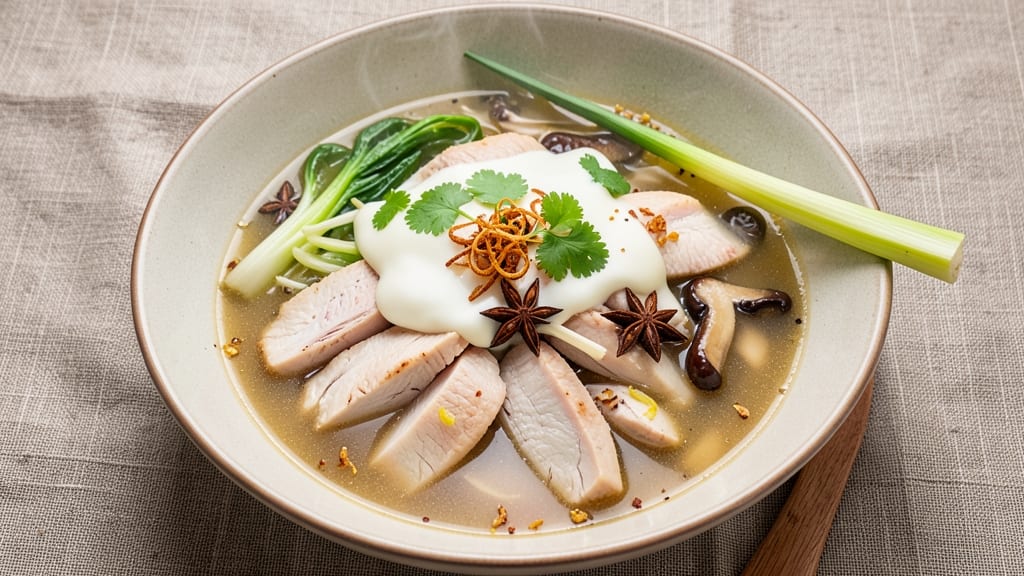
This Asian style chicken soup recipe delivers the kind of aromatic, silky broth that transforms a simple meal into a comforting experience.
The secret lies in the layered flavors—fragrant ginger, bright lemongrass, and a touch of star anise—simmered low and slow to create a base that’s both deeply savory and subtly sweet.
I’ve perfected this version after years of testing, ensuring the chicken stays tender while the broth develops a rich, umami depth that lingers long after the last spoonful.
The recipe balances tradition with accessibility, using techniques like poaching chicken in the broth for extra flavor without sacrificing tenderness. Silky rice noodles absorb the aromatic liquid, while fresh herbs and a squeeze of lime at the end brighten the dish with a refreshing contrast.
What makes this soup truly special is how it adapts—serve it as a light lunch, a hearty dinner, or even a healing meal when you need something warm and nourishing.
By the time you finish simmering, you’ll have a bowl of soup that’s restaurant-quality at home: golden broth, tender chicken, and noodles that glide effortlessly through the liquid. The aroma alone will draw everyone to the table, and the first bite delivers that perfect harmony of spice, sweetness, and umami.
This is the kind of recipe that becomes a weekly staple, especially when the weather turns cool.
Ready to make it? The process is straightforward—simmer, poach, and garnish—but the result is anything but ordinary. Let’s get started with a broth so fragrant, it’ll have your kitchen smelling like a bustling Asian street market in minutes.
Ingredients for asian style chicken soup
Ginger, lemongrass, and star anise create the aromatic soul of this fragrant Asian chicken soup.
| Ingredient | Amount | Notes |
|---|---|---|
| Boneless, Skinless Chicken Breast 🍗 | 1 ½ lb | Cut into 1-inch pieces |
| Fresh Ginger Root 🌿 | 2 tbsp | Finely grated (peeled) |
| Lemongrass Stalks 🌱 | 3 whole | Bruised and cut into 2-inch pieces |
| Star Anise Pods 🌶️ | 2 whole | Lightly crushed |
| Garlic Cloves 🧄 | 4 cloves | Smashed (peeled) |
| Coconut Milk 🥥 | 1 cup | Full-fat for creaminess |
| Chicken Broth 💧 | 4 cups | Low-sodium preferred |
| Rice Noodles 🍜 | 8 oz | Thin or medium width |
| Fresh Cilantro 🌿 | ¼ cup | Chopped for garnish |
| Fresh Lime 🍋 | 1 whole | Juiced for finishing |
| Fish Sauce 🍶 | 1 tbsp | For umami depth |
| Soy Sauce 🥢 | 1 tbsp | Light or dark |
| Brown Sugar 🍯 | 1 tbsp | For subtle sweetness |
| Sesame Oil 🫒 | 1 tsp | For aroma (toasted) |
| Salt 🧂 | 1 tsp | Adjust to taste |
The ginger and lemongrass are non-negotiable here—they’re the heart of that bustling street market aroma. Fresh ginger from the produce section (not the jarred stuff) is a must, as is lemongrass from an Asian market—the stalks should be plump and vibrant. Star anise? Penzeys or bulk bins at Whole Foods have the best quality. Bruise the lemongrass with the flat side of your knife before cutting—this releases those incredible oils. For the chicken, free-range or organic makes the broth richer, but any boneless breast will work if that’s what’s on sale.
No lemongrass? Substitute 1 tbsp lime zest plus 1 tsp lime juice—it’s not the same, but it’ll get you close. Fresh ginger? Dried ginger powder at half the amount works in a pinch, though it lacks that bright punch. The fish sauce is essential for umami—Red Boat is my go-to, but any reputable brand works. Swapping coconut milk? Full-fat canned coconut milk is key; the lighter versions won’t give that same silky texture. And if you’re avoiding sesame oil, toasted peanut oil works beautifully instead.
This soup tastes even better the next day once all the flavors meld. Store it in the fridge for up to 4 days, and freeze for 3 months if you want to make a big batch. I always double the broth and freeze portions—perfect for lazy weeknights. The noodles? Cook them just before serving so they stay silky (they get mushy if reheated). Garnish with fresh cilantro and a squeeze of lime right before eating—that’s when the magic happens.
Why You'll Love This Recipe
- Pantry Magic: I swear by this recipe because it uses what I already have—no last-minute grocery runs. That star anise? It’s the secret that turns basic chicken into something aromatic without extra shopping.
- Ginger-Garlic Punch: The moment I toss in fresh ginger and lemongrass with minced garlic, the kitchen smells like a Thai street cart. It’s that bright, zesty kick that makes every spoonful feel like a little vacation.
- Lunchbox Hero: Between us, this soup is my meal prep MVP. Cook a big batch, and I’m set for lunches all week—just reheat and add a splash of soy sauce. My kids even ask for it (and that’s saying something).
- Budget Booster: Skinless chicken breast keeps costs down, but the star anise and lemongrass make it feel special. I stretch it with veggies, and suddenly, a simple protein becomes a flavor-packed staple that doesn’t break the bank.
Step-by-step instructions for Asian style chicken soup
Here's how to build a fragrant, aromatic broth that's the heart of this comforting soup.
Prepare the Chicken and Aromatics
Cut the 1.5 lb boneless, skinless chicken breast into 1-inch pieces - this size ensures even cooking and easy separation later. In a separate bowl, combine the 2 tbsp finely grated fresh ginger root, 3 whole lemongrass stalks (bruised and cut into 2-inch pieces), 2 whole star anise pods (lightly crushed), and 4 smashed garlic cloves. The bruising releases the lemongrass oils, while crushing the star anise prevents it from floating.
Here's the thing - don't skip the bruising. Gently tap the lemongrass stalks with the side of your knife to create small cracks before cutting. This releases the essential oils that will infuse your broth with that signature Asian aroma. The star anise should be lightly crushed, just enough to expose the inner seeds without turning it into powder.
Build the Fragrant Broth
Heat a large pot over medium heat and add the chicken pieces. Let them sear for 3-4 minutes until they develop a light golden color - this creates a flavorful crust that won't dissolve in the broth. Remove the chicken and set it aside temporarily.
In the same pot, add 1 teaspoon sesame oil and let it warm for 30 seconds until fragrant. Add the prepared aromatics and cook for 2 minutes until you can smell that wonderful citrusy, spicy aroma developing. This is where the magic happens - those essential oils are being released and will form the foundation of your soup's flavor.
Pour in the 4 cups chicken broth and bring to a gentle boil. Return the chicken to the pot, reduce heat to low, and let it simmer uncovered for 20 minutes. You'll know it's ready when the chicken is fully cooked and the broth has reduced slightly, becoming more concentrated and aromatic. The chicken should feel tender when pierced with a fork.
Finish the Broth and Cook the Noodles
Strain the broth through a fine-mesh sieve into a clean pot, pressing gently on the aromatics to extract all their flavor. Discard the solids. Return the broth to medium heat and stir in the 1 cup coconut milk, 1 tablespoon fish sauce, 1 tablespoon soy sauce, and 1 tablespoon brown sugar. Simmer gently for 5 minutes until the mixture is heated through and slightly thickened.
While the broth simmers, prepare the noodles. Bring a separate pot of water to a boil and add the 8 oz rice noodles. Cook according to package instructions - usually 3-5 minutes - until they're tender but still slightly firm. Drain and rinse briefly with cold water to stop the cooking process and prevent them from becoming mushy.
Assemble and Serve
Return the cooked chicken to the finished broth and let it warm through for 2 minutes. Divide the cooked rice noodles among 4 bowls, then ladle the hot broth and chicken over the top. The noodles should be partially submerged in the broth, allowing each bite to deliver that perfect combination of textures.
Finish each serving with 1 tablespoon freshly juiced lime and 1 tablespoon chopped fresh cilantro. The lime brightens the rich broth, while the cilantro adds a fresh, herbal note. Taste and adjust seasoning with additional salt if needed - the fish sauce and soy sauce should provide plenty of umami, but everyone's palate is different.
Serve immediately while the broth is steaming hot. The contrast between the silky noodles, tender chicken, and fragrant broth creates a truly comforting eating experience. Leftovers can be refrigerated for up to 3 days, but I find this soup tastes best fresh from the pot.
Pro Tips For Making Asian Style Chicken Soup
- Char Chicken First: Toss the raw chicken breast in a mix of soy sauce, a splash of rice vinegar, and a pinch of sugar before adding it to the pot. This creates a light crust that locks in flavor and prevents the meat from drying out—trust me, your soup won’t taste like boiled chicken.
- Bruise the Ginger: Don’t just slice the ginger—smash it with the flat side of your knife first. This releases its oils and aroma into the broth immediately, giving your soup that deep, warm ginger punch from the start. (Yes, even if it looks like you’re attacking it.)
- Skip the Star Anise Crowd: One whole star anise pod is enough—don’t pile them in like you’re decorating a Christmas tree. Too many make the broth bitter, and you’ll be fishing out more than just the chicken. Toss it in early, then remove it before serving.
- Cold Water Start: Begin with cold water and bring it to a boil slowly. This keeps the chicken from toughening up while the broth builds flavor gradually. Rushing to a boil just makes the chicken rubbery—patience here pays off.
Make-ahead tips for this dish
Broth Prep Ahead
Make the fragrant broth the night before for maximum flavor development. Simmer the aromatics and chicken for 20 minutes, then strain and refrigerate the broth in an airtight container.
The flavors deepen overnight, creating a more complex taste. I always double the batch and freeze half for quick lunches later in the week. 💫
Noodle Prep Shortcut
Save time by prepping the rice noodles in advance. Soak them in cold water for 15 minutes (instead of boiling) to soften slightly, then drain and store in a sealed container.
When ready to serve, just reheat the broth and noodles together for 3-4 minutes on the stove. This keeps them from becoming mushy during storage.
Chicken Make-Ahead
Poach the chicken in the broth up to 2 days ahead for extra tenderness. After simmering, let it cool completely, then store in the broth. Reheat gently in the broth for 5 minutes before serving.
The chicken absorbs the flavors beautifully, making it even more delicious when reheated. Just avoid reheating dried-out chicken—always keep it submerged in broth.
Freezer-Friendly Packaging
For long-term storage, freeze the broth and chicken separately. Use quart-sized freezer bags for easy thawing—just place the sealed bag in cold water for 1 hour. When ready to serve, combine with fresh noodles and reheat.
The texture stays perfect, and the aroma wakes up your kitchen like fresh soup. Label bags with dates to track freshness.
Garnish Prep
Chop all garnishes (cilantro, lime wedges) and store in small containers in the fridge for 3 days. The lime juice can be pre-measured into a squeeze bottle for easy serving. Fresh herbs like cilantro lose potency when stored, so add them just before eating for the brightest flavor.
A sprinkle of toasted sesame seeds adds crunch and can be prepped ahead too.
Reheating Leftovers
Reheat soup gently on the stove over low heat for 8-10 minutes, stirring occasionally. Avoid microwaving—it makes the noodles rubbery. If the broth seems too thick after reheating, add 1-2 tablespoons hot water to restore its silky consistency.
Taste and adjust seasoning with a pinch of salt or a splash of fish sauce before serving. 🔥
Nutrition facts
Frequently asked questions
Can I use chicken thighs instead of chicken breast?
Chicken thighs add even more richness to the broth and stay tender when poached. Use 1.5 lb bone-in, skin-on thighs instead, and increase simmering time to 25 minutes to ensure they're fully cooked. The skin will render fat that enhances the broth's depth, giving it a more luxurious texture. Just remove the skin before serving if you prefer a cleaner presentation.
What if I don't have lemongrass?
You can substitute with a combination of 1 tbsp lime zest + 1 tsp lime juice + 1 tsp grated galangal (if available). For a simpler option, use 1 tbsp lime juice + 1 tsp ground coriander—it won't be identical, but it'll still add brightness. The key is balancing the citrusy note with something earthy to mimic lemongrass's complexity. Don't skip the lime zest, though—it's crucial for that signature aroma.
How can I make this soup spicier?
Add 1-2 slices of fresh red chili (like Thai bird's eye) when searing the aromatics, or stir in ½ tsp chili flakes + 1 tsp sambal oelek with the fish sauce. For heat lovers, simmer 1-inch of fresh ginger with 1 tsp gochugaru (Korean chili flakes) in the broth for 5 minutes before adding the chicken. Adjust to taste—start with less and add more gradually.
Can I make this vegetarian?
Yes! Swap the chicken for 1 lb shiitake mushrooms (sliced) + 1 lb tofu (pressed and cubed). Use vegetable broth instead of chicken broth, and add 1 tbsp soy sauce + 1 tsp miso paste to the broth for umami depth. Boost the aromatics with ½ tsp white pepper to complement the earthy flavors. The texture will be heartier, but the fragrant broth remains the star.
Why did my broth turn cloudy?
Cloudiness usually means the broth didn't simmer long enough to clarify. Bring it to a gentle boil for 5 extra minutes to allow impurities to rise, then skim off the foam. For a clearer broth, strain it through a cheesecloth-lined sieve after simmering. If using coconut milk, whisk it in off the heat to preserve its creaminess—adding it while hot can cause separation.