
Soups & Stews
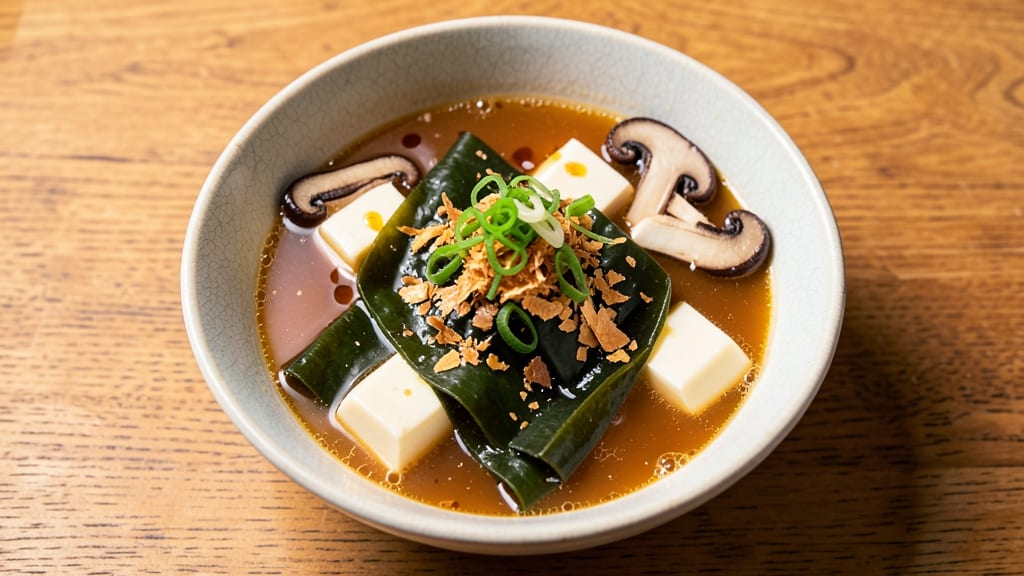
This bonito flakes soup delivers restaurant-quality umami depth in just 20 minutes, transforming simple ingredients into a silky, aromatic broth that's the heart of Japanese dining. The secret lies in kombu and bonito flakes—a classic pairing that creates a naturally rich, gluten-free broth without any additives.
I first discovered this technique during a trip to Kyoto, where street vendors served it piping hot in ceramic bowls, and it's been my go-to quick meal ever since.
The beauty of this recipe is its simplicity: no complicated techniques, just a few key ingredients working together. Kombu seaweed infuses the broth with deep oceanic flavors, while bonito flakes dissolve into delicate strands that add texture and umami without overpowering.
Tofu, mushrooms, and green onions provide substance, making it a complete, pescatarian-friendly dish that's both comforting and elegant.
What you'll end up with is a crystal-clear broth with just the right amount of body, filled with tender tofu, earthy mushrooms, and fresh vegetables. The aroma alone—salty, sweet, and slightly fishy—will have everyone gathering around the table.
This is the kind of soup that feels like a warm hug on a chilly day, yet takes less time than ordering takeout.
The best part? It's incredibly versatile. Use it as a base for noodles, serve it with rice, or enjoy it as-is with steamed greens. The broth keeps well in the fridge for up to 5 days, so you can make a big batch and enjoy it all week.
Let's get started on creating this umami masterpiece.
Ingredients for bonito soup
Nine simple ingredients transform into a restaurant-worthy umami broth in minutes.
| Ingredient | Amount | Notes |
|---|---|---|
| Dried Kombu Seaweed 🌿 | 4 pieces | Dried, 4-inch pieces preferred |
| Bonito Flakes 🐟 | ¼ cup | High-quality, not powdered |
| Silken Tofu 🧈 | 1 block | Firm, not soft, for texture |
| Shiitake Mushrooms 🍄 | 8 whole | Fresh or rehydrated dried |
| Green Onions 🧅 | 4 whole | White and green parts separated |
| Sesame Oil 🫒 | 1 tbsp | Toasted, for finishing |
| Soy Sauce 🥄 | 2 tbsp | Light or dark, to taste |
| Rice Vinegar 🍶 | 1 tbsp | For brightness |
| Water 💧 | 4 cups | Filtered preferred |
| Salt 🧂 | 1 tsp | Adjust to taste |
| Dried Shiitake Mushrooms 🍄 | ¼ cup | Optional, for extra umami |
| Fresh Ginger 🧅 | 1 inch | Thinly sliced, optional |
The kombu and bonito flakes are non-negotiable here. Japanese specialty stores like Nijiya or Marukai carry the best quality, but Asian grocery sections at regular supermarkets work too. Look for kombu that's deep green and slightly shiny—anything dry or brittle is past its prime. Bonito flakes should be light golden, not dark or clumpy. If you can't find fresh shiitake, dried rehydrates beautifully (just soak in hot water for 20 minutes). The silken tofu block should be firm—squeeze it gently to test. House Foods brand is my go-to for consistent quality.
No bonito flakes? Dried shiitake mushrooms at double the amount add depth, though you'll miss that delicate fishy aroma. Short on kombu? Dulse flakes or nori sheets (tear into small pieces) work in a pinch, but the flavor won't be identical. The soy sauce can be tamari for gluten-free, and if you're avoiding vinegar, a splash of lemon juice keeps things bright. Fresh ginger? Ground ginger at half the amount saves time. For the mushrooms, trim the tough stems but keep the caps—they're packed with flavor. And trust me, the sesame oil finish is worth the extra minute of toasting those seeds.
This broth gets better as it sits—make a big batch and keep it in the fridge for up to 5 days. The tofu and mushrooms can be prepped ahead and stored separately for 3 days. Freeze the broth alone (without tofu) for 3 months—it reheats beautifully. I like to portion mine into 2-cup servings with a small container of tofu on the side. The aroma alone will have your kitchen smelling like a Kyoto street market. Garnish with extra green onions and a drizzle of sesame oil right before serving—that's when the magic happens.
Why You'll Love This Recipe
- No-Chop Needed: I swear, the prep is laughably simple—just soak the kombu and shiitake, then sprinkle bonito flakes. That’s it. The mushrooms soften in minutes, and the tofu melts into the broth like it was born there.
- Umami Bomb: Between the kombu’s deep, savory punch and the bonito flakes dissolving into a smoky cloud, every sip tastes like a hug from a Japanese kitchen. The green onions add that bright pop—no fancy seasoning required.
- Lunchbox Hero: This soup reheats beautifully, so I make a big batch on Sundays. Pack it cold or warm, and it’s my go-to for office lunches or picnic spreads. The tofu stays silky, and the mushrooms keep their bite—perfect for on-the-go.
- Budget Magic: Dried kombu and bonito flakes stretch into gallons of flavor without breaking the bank. I’ve made this for $3 a serving, and it still feels like a restaurant dish. Plus, leftovers taste just as good the next day.
Step-by-step instructions for bonito flakes soup
This soup comes together faster than you'd expect—crispy, aromatic, and packed with umami in just minutes.
Prepare the Kombu and Water Base
Place the 4 pieces dried kombu seaweed in a clean pot with the 4 cups water. Bring to a boil over medium-high heat, then immediately reduce to a simmer. Let it cook uncovered for 5 minutes—you'll see bubbles forming and the kombu softening slightly. This step extracts the deep, oceanic flavor that defines this soup.
I like to stir once or twice during this time to help the kombu release its minerals into the water. The water should smell faintly sweet and vegetal by the end. If you're using the 0.25 cup dried shiitake mushrooms, add them now and let them soak for the full 5 minutes to rehydrate and infuse the broth.
Add Bonito Flakes and Mushrooms
Turn off the heat completely and carefully sprinkle the 0.25 cup bonito flakes evenly over the surface of the simmering water. Watch as they immediately begin to sizzle and turn golden—this is when they release their incredible umami. Let them sit for 30 seconds without stirring, then gently swirl the pot to distribute them evenly.
Next, add the 8 whole shiitake mushrooms (fresh or rehydrated). If using fresh, they'll release their earthy flavor as they warm through. If using dried, they should already be plump from soaking. Return the pot to low heat and let everything warm through for 2 minutes, just until the mushrooms soften slightly but don't fall apart.
Season and Finish with Aromatics
Remove the pot from heat and strain the broth through a fine-mesh sieve into a clean bowl, pressing gently on the kombu and mushrooms to extract maximum flavor. Discard the solids. Return the strained broth to the pot and stir in the 2 tablespoons soy sauce, 1 tablespoon rice vinegar, and 1 teaspoon salt. Taste and adjust—this is where the soup's balance comes together.
While the broth warms, slice the 1 inch fresh ginger (if using) into thin pieces and separate the 4 whole green onions into white and green parts. The white portions will cook in the soup, while the greens will be used for garnish. Return the broth to low heat and add the ginger and white onion parts. Let them steep for 1 minute to infuse their bright, fresh flavors.
Incorporate Silken Tofu and Finish
Cut the 1 block silken tofu into ½-inch cubes (no need to drain). Gently fold the tofu into the warm broth using a silicone spatula. The tofu should be just warm through—2 minutes on low heat is all you need. Silken tofu has a delicate texture that absorbs the broth beautifully without breaking apart.
Ladle the soup into bowls and immediately drizzle with 1 tablespoon sesame oil. Garnish with the reserved green onion tops and any remaining ginger slices. Serve while steaming hot—this is when the flavors are at their peak. The broth should be clear with just a hint of cloudiness from the tofu, and each spoonful should deliver that perfect umami punch.
Pro Tips For Making Bonito Soup
- SOAK KOMBU FIRST: Dried kombu is tough when dry—toss it in cold water for 10 minutes before simmering. I learned this the hard way when my first batch turned out chewy instead of silky. Warm water speeds it up, but cold water keeps the texture delicate.
- TOAST BONITO FLAKES: Sizzle the flakes in a dry pan for 10 seconds before adding to the broth. This deepens their umami punch and prevents them from dissolving into mush. (Yes, even if you’re impatient like me.)
- SLICE SHIITAKES THIN: Thin slices cook faster and stay tender—aim for 2mm or less. Thick chunks turn rubbery, and no one wants that in soup. A sharp knife makes this easier, and you’ll use less effort overall.
- ADD TOFU LAST: Silken tofu breaks when simmered too long—drop it in the final 2 minutes. If you’re worried about texture, poach it separately in the broth for 30 seconds, then fold it in. (Your future self will thank you.)
Dietary considerations for these flavors
Gluten-Free Foundation
This soup is naturally gluten-free thanks to its simple ingredient base—no wheat, barley, or soy sauce with gluten additives. I always use tamari instead of regular soy sauce when needed, as it’s 100% gluten-free while maintaining that deep umami punch.
The kombu and bonito flakes provide all the flavor without any hidden gluten sources, making it safe for those with celiac disease or gluten sensitivity. 🌱
Pescatarian Perfection
The bonito flakes make this soup a pescatarian dream, delivering that rich fishy depth without any meat. For extra protein, I sometimes add soft-shell crab or shrimp in the final minute of cooking—just toss them in after the tofu and let them warm through.
The broth’s clarity and umami shine even without additional seafood, but it’s fun to customize based on what’s on hand.
Low-Carb Flexibility
This recipe is inherently low-carb because it relies on vegetables, tofu, and seaweed rather than grains or starchy sides. For a heartier meal, serve it alongside cauliflower rice or a small portion of shirataki noodles (just 2 tablespoons per serving).
The broth’s natural sweetness from kombu balances any low-carb adjustments beautifully. I often make a big batch and keep it in the fridge for quick, satisfying meals.
Allergen-Friendly Swaps
If you’re avoiding sesame, skip the sesame oil and finish with a drizzle of avocado oil instead—it’s neutral but adds a silky texture. For those with soy allergies, replace the soy sauce with coconut aminos (use the same amount) and add a pinch of kelp powder for extra oceanic flavor.
The tofu can be omitted entirely if needed, and the mushrooms will still provide a satisfying texture. Always check labels on store-bought ingredients like bonito flakes for hidden allergens.
Dairy-Free by Design
No dairy is used in this recipe, making it perfect for lactose-intolerant individuals or vegan diets. The silken tofu provides a creamy texture without any milk products, and the broth’s clarity comes from the kombu and bonito flakes rather than dairy-based thickeners.
For extra richness, a splash of coconut milk (just 1 tablespoon) can be stirred in at the end—it adds a subtle sweetness that complements the umami perfectly. 🥛
Nut-Free Considerations
While this recipe doesn’t contain nuts, always double-check your ingredients if you’re in a nut-free environment. Some brands of bonito flakes or soy sauce may be processed in facilities that handle nuts, so opt for certified nut-free versions if necessary.
The sesame oil is the only potential concern, but as mentioned earlier, avocado oil is a great substitute. I like to keep a small bottle of sesame-free oil on hand just for these situations.
Nutrition facts
Frequently asked questions
Can I make this bonito soup without kombu?
You can substitute kombu with dulse flakes or nori sheets (tear into pieces), but the flavor will differ slightly. Kombu provides a unique oceanic depth that's hard to replicate. For a similar effect, try ½ cup dried shiitake mushrooms soaked in hot water for 20 minutes—they'll infuse the broth with earthy umami. Just remember, kombu is the star here!
Why does my broth turn cloudy?
Cloudiness usually means proteins from the bonito flakes or kombu didn't fully dissolve. Strain the broth through a fine-mesh sieve again, pressing gently on the solids. For extra clarity, chill the broth overnight—the fat will rise to the top and can be skimmed off before reheating. The recipe's natural cloudiness from tofu is fine, but excessive cloudiness suggests the flakes weren't properly dissolved.
How do I store and reheat leftovers?
Store the broth (without tofu) in the fridge for up to 5 days or freeze for 3 months. Reheat gently on low heat—never microwave, as it can make the broth taste flat. For tofu, store it separately in the broth for 3 days max. When reheating, add fresh tofu cubes and warm through for just 1-2 minutes to avoid rubberiness. The broth actually improves overnight!
Can I use this broth for other dishes?
This versatile broth works perfectly with ramen noodles, soba noodles, or as a base for stir-fries. For noodle dishes, simmer 2 servings of noodles in 4 cups broth for 3-4 minutes. It also makes an excellent rice cooker meal—just add 1 cup cooked rice and ½ cup chopped bok choy to the broth. The possibilities are endless!
What's the secret to perfect bonito flake texture?
Use high-quality bonito flakes (light golden, not dark or clumpy) and sprinkle them evenly over the off-heat broth. Let them sizzle for 30 seconds without stirring—they should turn golden and dissolve into delicate strands. Stirring too soon creates a fishy paste. For extra texture, reserve 1 tablespoon flakes to garnish before serving.