
Soups & Stews
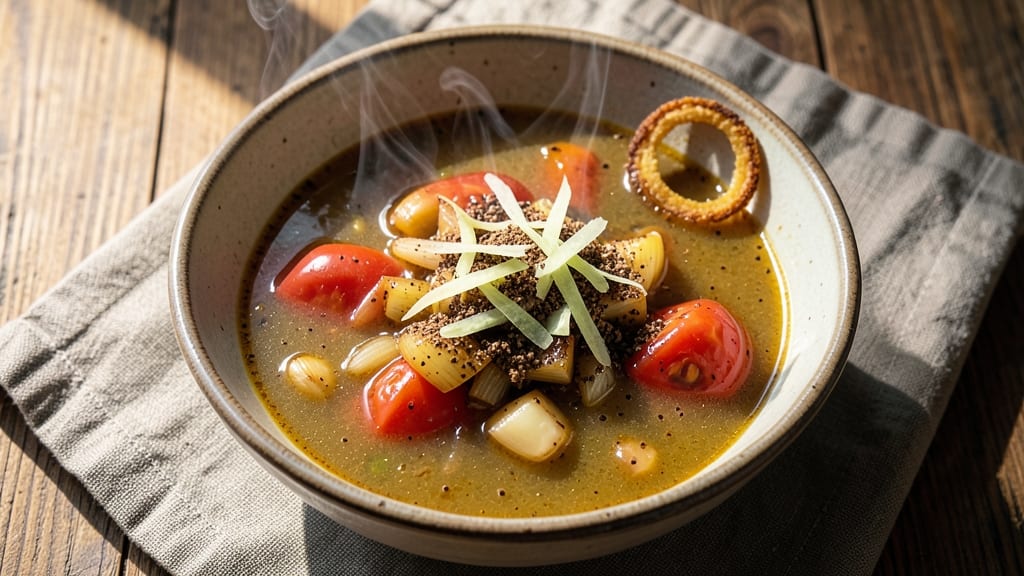
This amla soup recipe delivers a potent blend of tart, tangy flavors that align perfectly with Ayurvedic principles for immune support. The key lies in balancing amla powder's natural astringency with warming spices like cumin and ginger, creating a digestive-friendly broth that's both comforting and invigorating. I developed this version after years of experimenting with traditional Indian remedies, ensuring every ingredient serves a purpose beyond flavor.
The foundation of this soup is a fragrant base of onions, garlic, and ginger sautéed until aromatic, then simmered with tomatoes and a blend of warming spices.
Amla powder is added carefully—too much can overwhelm the palate, so we use just enough to deliver its immune-boosting benefits without dominating the flavor profile. The soup finishes with fresh herbs like cilantro and mint, which brighten the tartness while adding freshness.
What you'll end up with is a vibrant, golden broth that's rich in antioxidants and easy to digest, perfect for cold weather or when you need a natural energy boost. The texture is velvety yet light, with just enough body to coat the throat while letting the flavors shine through.
This isn't just a soup—it's a medicinal elixir that tastes as good as it makes you feel.
Pair it with warm herbal tea or a side of steamed rice for a complete meal, or sip it alone as a nourishing tonic. The recipe scales easily, making it ideal for meal prep or sharing with friends who appreciate both flavor and health benefits.
Let's get started on this Ayurvedic powerhouse.
Ingredients for amla soup
This Ayurvedic powerhouse needs just 15 simple ingredients for deep healing flavors.
| Ingredient | Amount | Notes |
|---|---|---|
| Yellow Onions 🧅 | 1 whole | Finely chopped for aromatic base |
| Garlic Cloves 🧄 | 4 cloves | Minced for depth of flavor |
| Fresh Ginger 🌿 | 2 tbsp | Grated, for zesty kick |
| Ripe Tomatoes 🍅 | 2 cups | Diced, fresh or canned |
| Amla Powder 🍇 | 1 tbsp | High-quality, organic preferred |
| Ground Cumin 🌶️ | 1 tsp | Toasted for deeper aroma |
| Ground Coriander 🌿 | 1 tsp | Freshly ground preferred |
| Turmeric Powder 🌶️ | ½ tsp | Bright yellow color indicator |
| Black Peppercorns 🌶️ | ½ tsp | Freshly cracked for heat |
| Coconut Milk 🥥 | ½ cup | Full-fat for creaminess |
| Fresh Cilantro 🌿 | ¼ cup | Chopped, for bright finish |
| Fresh Mint Leaves 🍃 | ¼ cup | Chopped, for refreshing touch |
| Vegetable Oil 🫒 | 2 tbsp | High smoke point preferred |
| Sea Salt 🧂 | 1 tsp | Adjust to taste |
| Asafoetida Powder 🌶️ | ¼ tsp | Optional, for umami depth |
The amla powder is non-negotiable here—look for organic amla powder at Indian grocery stores or online (I like Banyan Botanicals for quality). Fresh ginger and garlic should be vibrant, not shriveled. For tomatoes, Roma or vine-ripened work best—skip the mealy ones. The coconut milk adds richness without overpowering the tartness; full-fat is key for that velvety texture. Cilantro and mint should be bright green, not yellowing. If you can't find fresh mint, dried works at half the amount (but fresh is ideal).
No amla powder? Substitute with extra lemon juice (2 tbsp) plus a pinch of black salt—it mimics the tangy, metallic note. Running low on coconut milk? Cream or cashew cream works in a pinch, though the flavor will shift slightly. The asafoetida (hing) is optional but adds that signature umami depth—skip it if you're sensitive to strong flavors. For the tomatoes, canned diced tomatoes in San Marzano style are perfect when fresh aren't available. Want more heat? Add a pinch of cayenne or red pepper flakes.
This soup tastes even better the next day as flavors meld. Keeps for 5 days in the fridge, sealed tightly. For longer storage, freeze portions in ice cube trays—just thaw and reheat. The amla powder and spices stay potent for 6-12 months in airtight containers. I always double the batch—one for now, one to freeze for when I'm under the weather. The herbs wilt fast, so store them in damp paper towels in a sealed bag for up to 5 days.
Why You'll Love This Recipe
- Pantry Powerhouse: I swear by this soup because it’s the kind of recipe that doesn’t make me raid the fridge for obscure ingredients. Onions, garlic, ginger—those are my kitchen staples—and the amla powder? One small jar lasts me months. Honestly, if I’m running low on fresh herbs, this still hits the spot.
- Tangy Zing: That first sip? Chef’s kiss. The tomatoes and ginger give it a bright, summery base, but the amla powder is what transforms it—tart, earthy, and just a little funky. It’s the kind of flavor that lingers, making you want to sip it slow, even if you’re in a hurry.
- Office Lunch Hero: Between us, this soup is my go-to for meal prep. It reheats like a dream (no weird textures, just smooth and warm) and keeps for days in the fridge. Pack it in a thermos, and you’ve got a lunch that’ll have coworkers asking for the recipe—no sad desk salads here.
- Budget Booster: I make this when my wallet’s feeling tight, and it never lets me down. A few onions, a handful of tomatoes, and a pinch of amla powder stretch into enough soup for two big bowls. Plus, the amla powder’s a steal compared to buying fresh amla—it’s my secret for flavor without the price tag.
Step-by-step instructions for amla soup
Here's how to create this vibrant, immunity-boosting soup with perfect balance of tart and tangy flavors.
Sauté the Aromatic Base
Heat the 2 tablespoons vegetable oil in a medium pot over medium heat. Add the 1 whole yellow onions and sauté for 3-4 minutes until they become translucent and just starting to soften. Here's the thing—don't let them brown yet, or you'll lose that sweet foundation flavor.
Add the 4 cloves garlic cloves and 2 tablespoons fresh ginger to the pot. Cook for another 2-3 minutes until the garlic turns golden and the ginger becomes fragrant. You'll know it's ready when the kitchen fills with that warm, spicy aroma. This aromatic base forms the flavor foundation of your soup, so take your time here.
Build the Spice Foundation
Reduce the heat to medium-low and add the 1 tablespoon amla powder, 1 teaspoon ground cumin, 1 teaspoon ground coriander, 0.5 teaspoon turmeric powder, and 0.5 teaspoon black peppercorns. Stir continuously for 1-2 minutes until you smell those warm, earthy spices coming through.
This is where the magic happens. The amla powder will give your soup that signature tangy kick, while the other spices create depth. If you're using the 0.25 teaspoon asafoetida powder, add it now—it'll dissolve quickly and add that umami punch. Stir for another 30 seconds to ensure everything's well incorporated.
Cook the Tomatoes
Increase the heat back to medium and add the 2 cups ripe tomatoes. Cook for 5-6 minutes, stirring occasionally, until the tomatoes break down and the mixture thickens slightly. You want to see the tomatoes lose their raw texture and develop a jammy consistency—this is crucial for developing the soup's rich flavor.
After about 4 minutes, add 1 teaspoon sea salt and taste. This is your flavor checkpoint. You should taste the tartness of the amla, the warmth of the spices, and the sweetness of the tomatoes. If it needs more salt, add it now—this is the only time you'll adjust the seasoning, as the coconut milk will mellow the flavors later.
Simmer and Finish
Pour in 2 cups water (or enough to reach your desired soup consistency) and bring the mixture to a gentle boil. Once boiling, reduce heat to low and let it simmer uncovered for 10-12 minutes. This slow simmer allows all the flavors to meld together beautifully.
After simmering, stir in the 0.5 cup coconut milk and let it warm through for 2-3 minutes. The coconut milk will create a velvety texture while adding a subtle sweetness that balances the tartness. Taste again and adjust seasoning if needed—you might want to add a pinch more salt or a squeeze of lemon to enhance the tang.
Garnish and Serve
Remove the pot from heat and let the soup cool for 5 minutes. Before serving, stir in the 0.25 cup fresh cilantro and 0.25 cup fresh mint leaves. These herbs will add a bright, refreshing finish that cuts through the richness of the coconut milk.
Ladle the soup into bowls and serve immediately while warm. The perfect bowl of amla soup should have a vibrant golden color from the turmeric, a rich texture from the coconut milk, and that perfect balance of tart amla, warm spices, and fresh herbs. This soup is especially comforting when paired with some crusty bread or steamed rice.
Pro Tips For Making Amla Soup
- Bloom the Onions Slow: I used to rush this step and end up with bitter, raw onion flavor. Instead, cook them on medium-low heat with a splash of water for 5-6 minutes—just until they’re soft and translucent, not browned. This builds the base flavor without burning, and the soup won’t taste like you microwaved an onion.
- Grate Ginger Fine: Pre-grated ginger from the jar is convenient, but it’s also waterlogged and dull. Use a microplane or fine grater for fresh ginger—you’ll need about 1 teaspoon—and add it with the garlic. The texture releases flavor evenly, and you won’t end up with stringy bits at the bottom of your pot.
- Simmer Tomatoes Gently: Dumping chopped tomatoes into the pot and boiling them hard turns them mushy and watery. Instead, add them after the onions and spices, then simmer uncovered for 8-10 minutes on low. This lets the acidity mellow and the flavors meld without breaking down into a thin, sad purée.
- Toast Amla Powder: Sounds weird, but it works: Bloom the amla powder in the oil with the onions for 30 seconds before adding water. This deepens its tangy, citrusy notes—like caramelizing it. Skip this, and you’ll just be masking it with other flavors instead of letting it shine.
Common mistakes when making great amla soup
Overcooking the Base
Don’t let your onions brown too much before adding garlic and ginger—this kills their natural sweetness and creates bitterness. I’ve ruined batches by walking away for just 2 minutes while sautéing, and the result?
A burnt, acrid flavor that no amount of amla powder could save. Keep heat at medium and stir frequently to maintain that golden translucency. 🌶️
Skipping the Taste Checkpoint
The 4-minute tomato cook time is your flavor checkpoint—taste before adding salt or coconut milk. I’ve seen people add salt after the coconut milk, which dilutes the amla’s tang and throws off the balance.
Adjust seasoning now while the flavors are raw, not after they’ve mellowed. Trust me, this one tweak makes all the difference.
Using Low-Quality Amla
Not all amla powder is created equal. Cheap, oxidized powder can taste bitter or metallic, ruining your soup’s delicate balance. I always use Banyan Botanicals organic amla powder—it’s worth the investment.
If you’re substituting with lemon juice, add 2 tbsp plus a pinch of black salt (kala namak) to mimic amla’s unique tangy-metallic note. Never skip this step—it’s the soul of your soup. 🍇
Rushing the Simmer
Those 10-12 minutes of uncovered simmering aren’t optional—they let the spices and amla mellow into harmony. I’ve seen people cut this to 5 minutes for speed, and the result?
A harsh, disjointed flavor. The longer simmer breaks down the amla’s astringency and lets the spices bloom. Patience here separates a good soup from a great one. ⏱️
Adding Coconut Milk Too Early
Stirring in coconut milk before the soup has simmered means it curdles from the heat, creating a grainy texture. Always wait until the final 2-3 minutes of cooking. I’ve had to strain soups where I rushed this step—don’t make my mistake. The milk should warm gently, not cook aggressively. 🥥
Ignoring Herbs’ Freshness
Wilted cilantro or mint adds a sad, bitter note to your soup. Always use herbs that are still vibrant green. Store them in damp paper towels in a sealed bag for up to 5 days to preserve their brightness.
I’ve had to toss batches where I used yellowing herbs—don’t let that happen to you. 🌿
Nutrition facts
Frequently asked questions about amla soup
Can I make this amla soup without coconut milk?
Yes! For a lighter version, replace the ½ cup coconut milk with ¼ cup plain yogurt or ½ cup vegetable broth. The yogurt adds creaminess while keeping it dairy-free, while broth maintains the brothy texture. Just reduce the simmer time by 2 minutes to prevent curdling.
How does amla soup taste compared to other herbal soups?
Unlike mild herbal soups, amla soup delivers a bold, tart punch balanced by warm spices. Think of it as a cross between ginger soup and lemony broth, but with deeper umami from asafoetida. The amla powder gives it a unique astringent quality that's both refreshing and invigorating—perfect for cold weather or when you need a natural energy boost.
Is amla soup safe for people with acid reflux?
This recipe is generally gentle, but the amla powder and citrusy notes might trigger reflux in sensitive individuals. For a milder version, reduce the amla to ½ teaspoon and skip the lemon adjustment. Also, serve warm (not hot) and avoid eating it on an empty stomach. If you're unsure, try a small portion first.
Can I add vegetables to this soup?
For extra nutrition, stir in ½ cup chopped carrots or ¼ cup spinach during the final 5 minutes of simmering. Avoid hard vegetables like potatoes—they need longer cooking. If adding greens, reduce the coconut milk to ¼ cup to maintain balance.
Why does my amla soup taste bitter?
Bitterness usually comes from overcooked onions or low-quality amla powder. Double-check your sautéing—onions should be golden but not browned. For the amla, always use fresh, organic powder (like Banyan Botanicals) and measure carefully. A pinch of sugar or extra coconut milk can also help balance the flavor.