
Soups & Stews
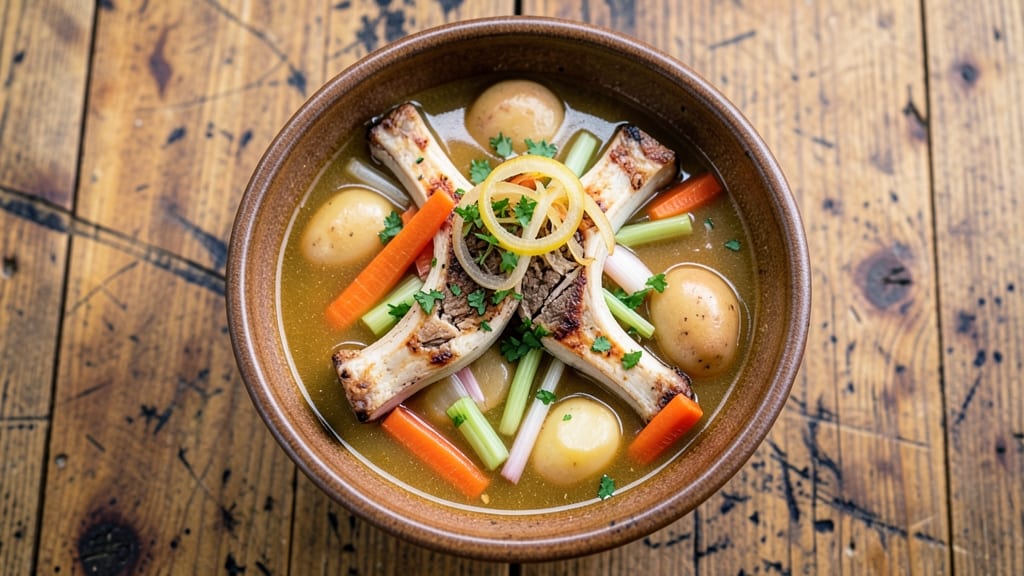
This bone marrow vegetable soup recipe transforms humble ingredients into a deeply satisfying dish where rich umami meets comforting vegetables. The secret lies in slow-roasted marrow bones that infuse the broth with velvety depth, while seasonal vegetables add vibrant texture and natural sweetness.
What makes this recipe special is how it balances bold flavors—earthy marrow, caramelized vegetables, and aromatic herbs—without ever feeling heavy.
The process begins with carefully scored beef marrow bones, roasted until the marrow renders into golden pools, then simmered to create a silky, flavor-packed broth. Carrots, celery, leeks, and potatoes cook until tender yet retain their structure, creating a harmonious bite.
The result is a soup that's both hearty and refined, perfect for chilly evenings when you crave something nourishing yet sophisticated.
What you'll achieve is a bowl of soup with layers of complexity: the marrow-infused broth carries deep savory notes, while the vegetables contribute natural sweetness and satisfying texture. The final touch of fresh herbs brightens the dish, making each spoonful a balance of richness and freshness.
This is comfort food elevated—simple to prepare but impossible to forget.
Serve with crusty bread to soak up every last drop of that luxurious broth, or pair with a simple green salad for contrast. The recipe scales beautifully, making it ideal for family dinners or intimate gatherings.
Ready in about 2 hours of hands-off cooking, it's the kind of meal that feels like a hug in a bowl.
Ingredients for bone marrow vegetable soup
Rich marrow-infused broth meets seasonal vegetables for a velvety soup with deep umami layers.
| Ingredient | Amount | Notes |
|---|---|---|
| Beef Marrow Bones 🦴 | 2 lb | Split lengthwise for maximum marrow yield |
| Yellow Onions 🧅 | 2 whole | Chopped into 1/2-inch pieces |
| Carrots 🥕 | 4 medium | Peeled and cut into 1-inch chunks |
| Celery Stalks 🧄 | 4 whole | Trimmed and cut into 1-inch pieces |
| Leeks 🧅 | 2 whole | White and pale green parts only, sliced |
| Russet Potatoes 🥔 | 3 medium | Peeled and cut into 1-inch cubes |
| Garlic Cloves 🧄 | 6 cloves | Smashed but not minced |
| Fresh Thyme 🌿 | 2 tbsp | Leaves stripped from stems |
| Fresh Parsley 🌿 | ¼ cup | Chopped for garnish |
| Extra-Virgin Olive Oil 🫒 | ¼ cup | For roasting marrow bones |
| Vegetable Stock 💧 | 4 cups | Homemade or quality store-bought |
| Sea Salt 🧂 | 1 ½ tsp | Diamond Crystal preferred |
| Black Peppercorns 🌶️ | ½ tsp | Freshly cracked |
| Fresh Bay Leaves 🍃 | 2 whole | Removed before serving |
The marrow bones are the heart of this soup—look for beef marrow bones with thick marrow deposits, typically sold at butcher counters or specialty grocers like Whole Foods. If you can't find them fresh, Costco often carries them frozen. Score the bones deeply before roasting to maximize marrow release. For the vegetables, organic carrots and potatoes work best—their skins add subtle earthiness, but peel if you prefer. The leeks should be thoroughly rinsed to remove any grit. Fresh thyme and bay leaves elevate the broth's complexity, so don't substitute dried unless absolutely necessary.
No marrow bones? Substitute with beef shank bones (simmer longer for depth), though the texture will differ slightly. Swap leeks for extra onions if unavailable, but the onion's sharpness won't match leek's delicate sweetness. For the vegetable stock, homemade is ideal, but Pacific Foods or Imagine brands are reliable store-bought options. The olive oil should be extra-virgin—its fruity notes complement the marrow's richness. If you're short on time, roast the bones at 425°F for 30 minutes before reducing heat to render the marrow fully.
Store the soup in airtight containers for up to 5 days in the fridge, though flavor peaks at 2-3 days as ingredients meld. For longer storage, freeze portions for up to 3 months. The broth thickens when chilled—simply reheat with a splash of water or stock. The marrow bones can be roasted ahead and refrigerated for 2 days before simmering. For best results, prepare the soup the day you plan to serve it, allowing flavors to develop fully.
Why You'll Love This Recipe
- Here’s what sold me: marrow bones are cheap, and they turn into gold. You’re not just making soup; you’re building a pantry staple. Use the broth for grains, grains for soups, or freeze it for future meals. It’s my secret weapon for stretching ingredients without sacrificing taste.
- One-Pot Magic: I swear by this recipe because it’s literally one pot—no chopping boards, no extra pans. Just toss in the marrow bones (they’re the star), onions, carrots, celery, and leeks, then let the broth do the work. Honestly, the only real effort is cracking open the bones, and that’s worth it.
- Rich Without Effort: Between us, this soup tastes like you slaved for hours, but it’s actually ridiculously low-effort. The marrow bones melt into the broth, turning it into this velvety, umami-packed base that makes the veggies sing. That crispy marrow edge? Chef’s kiss—no fancy techniques needed.
- Leftovers That Shine: I make a double batch because the flavor deepens overnight. Reheat it the next day, and it’s even better—like a cozy hug in a bowl. It’s also the kind of soup that tastes just as good cold the third day, perfect for packed lunches or lazy afternoons.
Step-by-step instructions for bone marrow vegetable soup
A rich, velvety broth with deep umami flavor starts with properly roasted marrow bones. Here's how to build this comforting soup from scratch.
Roast the Marrow Bones for Maximum Flavor
Preheat your oven to 425°F and position a rack in the middle position. Place the 2 lb beef marrow bones on a rimmed baking sheet, cut-side up. Drizzle with the 0.25 cup extra-virgin olive oil and rub it evenly over the bones, focusing on the cut surfaces where the marrow pools. This creates a flavorful crust that infuses the broth.
Roast for 30-35 minutes until the bones develop a deep golden brown color and the marrow inside begins to soften slightly. You'll know it's ready when the edges of the marrow start to caramelize and the bones smell intensely nutty. Remove from the oven and let cool for 5 minutes before proceeding—this prevents the marrow from splattering when you crack the bones open.
Build the Vegetable Base for Depth of Flavor
In a large Dutch oven, heat the roasted bones over medium heat for 2-3 minutes until they begin to sizzle. Carefully crack open each bone along the natural seam using a heavy knife or meat mallet, then return them to the pot. Add the 2 whole yellow onions, 4 medium carrots, 4 whole celery stalks, and 2 whole leeks to the pot.
Cook the vegetables for 8-10 minutes, stirring occasionally, until they begin to soften and release their natural juices. This step develops the foundational flavors before adding liquid. The vegetables should smell sweet and earthy—this is your signal to add the 3 medium russet potatoes and 6 cloves garlic cloves. Stir once more to combine all ingredients before adding the 4 cups vegetable stock.
Simmer and Extract Rich Marrow Flavor
Bring the liquid to a gentle boil, then reduce heat to low and let it simmer uncovered for 1 hour 30 minutes. During this time, the marrow will slowly melt into the broth, creating a luxurious, velvety texture. Skim off any foam that rises to the surface with a ladle—this ensures a clear, silky broth.
After 1 hour 30 minutes, remove the bones and vegetables from the broth using a slotted spoon. Strain the broth through a fine-mesh sieve into a clean pot, pressing gently on the solids to extract every last drop of flavor. Return the strained broth to the pot and stir in the 1.5 tsp sea salt, 0.5 tsp black peppercorns, and 2 whole fresh bay leaves. The broth should now have a rich, golden hue and an intense umami aroma.
Finish with Fresh Herbs and Garnish
Return the broth to a gentle simmer and add the cooked vegetables back into the pot. Let them heat through for 5-7 minutes until warmed completely. Stir in the 2 tbsp fresh thyme and simmer for another 2 minutes to infuse the broth with bright, herbal notes.
Remove the 2 whole fresh bay leaves before serving. Ladle the soup into bowls and garnish each serving with 0.25 cup chopped fresh parsley. The parsley adds a fresh contrast to the deep, savory broth and brightens the presentation. Serve immediately while the marrow-infused broth remains at its peak richness.
Pro Tips For Making Bone Marrow Vegetable Soup
- CRACK THE BONES FIRST: Don’t just toss whole marrow bones in the pot—split them open with a cleaver or heavy knife before adding. You’ll get twice the flavor and richness, plus those exposed bones render faster, turning your broth from good to deeply savory (yes, it’s messy, but worth it).
- SWEAT THE VEGETABLES LOW: After dicing onions, carrots, and celery, cook them in a dry pot for 10 minutes on medium-low before adding liquid. This caramelizes their edges just enough to build a base that actually tastes like something you’d want in soup—not just a mushy backdrop.
- SKIP THE BOILING MADNESS: Marrow bones release collagen best at a gentle simmer, not a rolling boil. If your pot’s bubbling hard, turn the heat down—even if it takes longer. I learned this the hard way when my soup turned cloudy and weak instead of rich and velvety.
- USE LEEK GREENS TOO: Don’t toss the dark green parts of leeks—they’re packed with flavor and make a great finishing touch. Roughly chop them at the end and stir in for 2 minutes before serving. It’s the lazy upgrade that makes your soup taste like you spent hours on it.
Flavor customization for this bone marrow vegetable soup
Umami Boost Options
For extra depth, add 1 tbsp fish sauce or 2 tbsp soy sauce when simmering—both enhance umami without overpowering. I find Red Boat fish sauce adds a subtle complexity that pairs perfectly with marrow.
Alternatively, stir in 1 tsp miso paste during the final 5 minutes of cooking for a fermented richness that balances the soup's natural sweetness. 💛
Spice Level Adjustments
If you want heat, add ½ tsp smoked paprika with the thyme or a pinch of cayenne pepper at the end. For warmth without spice, try ½ tsp ground coriander—it complements the marrow's earthiness beautifully.
I often keep a small bowl of crushed red pepper flakes on the table for guests to add to their bowls. 🌶️
Herb Variations
Swap thyme for rosemary or tarragon if you prefer different herbal notes. Rosemary adds piney brightness, while tarragon brings a subtle licorice quality. For a Mediterranean twist, add ½ tsp dried oregano with the bay leaves. Fresh herbs should always be added at the end to preserve their vibrant flavors.
Vegetable Substitutions
Need to swap veggies? Try turnips for potatoes—they add a peppery bite that cuts through the richness. Or replace carrots with parsnips for a nuttier flavor. For extra creaminess, add ½ cup roasted cauliflower to the broth.
Just remember: root vegetables work best for that hearty texture we love in bone marrow soups.
Protein Additions
For a complete meal, stir in ½ lb cooked lentils or ½ cup crumbled feta cheese at the end. Lentils add plant-based protein, while feta brings a tangy contrast.
Another great option is ½ cup cooked farro, which soaks up the marrow-infused broth beautifully. Just add these after the soup is fully heated through.
Texture Enhancers
For extra texture, top each bowl with toasted breadcrumbs or crispy fried shallots. I like making my own breadcrumbs by toasting ½ cup panko in a dry pan until golden.
For a smoky touch, add 1 tbsp smoked sea salt to the breadcrumbs before toasting. These toppings add a satisfying crunch that contrasts the soup's silky broth. ✨
Nutrition facts
Frequently asked questions
Can I use chicken or pork marrow instead of beef?
While beef marrow provides the richest, most velvety texture, you can use chicken or pork marrow—but expect a lighter flavor profile. Chicken marrow is delicate and best for smaller batches, while pork offers a slightly sweeter taste. For pork, roast the bones at 375°F for 25 minutes instead of beef's 425°F to prevent burning. The broth will still be flavorful, just less intensely umami.
How do I know when the marrow bones are roasted perfectly?
The bones are ready when they develop a deep golden-brown crust and the marrow inside begins to soften slightly. You'll notice caramelized edges and an intense nutty aroma. If you crack them open too early, the marrow will splatter—let them cool 5 minutes first. For extra insurance, roast 5 minutes longer if the marrow appears undercooked.
Can I make this soup vegetarian or vegan?
This recipe relies on marrow for its signature richness, but you can create a similar depth using mushrooms (like porcini or shiitake) and nutritional yeast for umami. Simmer 1 cup sautéed mushrooms with the vegetables and add 1 tbsp nutritional yeast at the end. For vegan broth, use a high-quality vegetable stock and add 1 tsp white miso paste for extra savory notes.
Why does my soup taste bitter?
Bitterness usually comes from overcooked vegetables or bones. Skim any foam that rises during simmering, and avoid letting the broth boil vigorously—keep it at a gentle simmer. If the flavor is still off, add 1 tsp apple cider vinegar or a pinch of sugar to balance the bitterness. Also, ensure you're using fresh herbs and high-quality stock, as these can prevent unwanted flavors.
How can I make this soup ahead of time?
This soup actually tastes better the next day as flavors meld! Let it cool completely, then store in airtight containers in the fridge for up to 5 days. Reheat gently on the stove—never microwave—to preserve the silky texture. For longer storage, freeze portions for up to 3 months. The broth may thicken when chilled; simply add a splash of water or stock when reheating.