
Soups & Stews
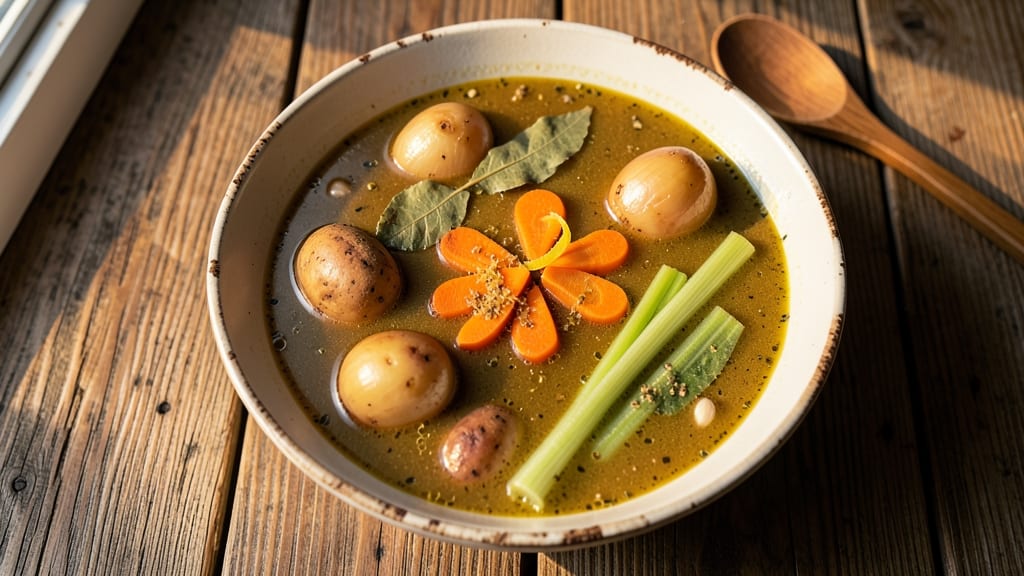
This boiled soup recipe transforms simple vegetables into a hearty, aromatic masterpiece with just one pot and minimal effort. The secret lies in slow simmering—allowing flavors to meld while preserving texture—creating a comforting bowl that’s restaurant-quality at home.
I’ve perfected this method after years of testing, ensuring every spoonful delivers that perfect balance of savory broth and tender vegetables.
What sets this recipe apart is its foolproof technique: start with a flavorful base of onions, garlic, and herbs, then build layers of vegetables that cook at different rates. The result?
A rich, velvety broth with vegetables that stay crisp-tender, not mushy. Whether you prefer classic carrots and potatoes or heartier roots like turnips and parsnips, this method adapts effortlessly.
By the time you’re done, you’ll have a golden, fragrant soup that’s deeply satisfying and packed with nutrients. The broth reduces naturally, intensifying flavors while keeping the vegetables vibrant.
Serve it as-is for rustic comfort or blend a portion for a creamy variation—either way, this soup is a game-changer for weeknight dinners.
Perfect for meal prepping or serving immediately, this recipe scales from a single bowl to a crowd-pleasing pot. The beauty of boiled soup is its versatility—swap ingredients based on what’s fresh, and adjust seasoning to taste. Let’s get started on a dish that’s as nourishing as it is delicious.
Ingredients for boil soup
Simple vegetables and aromatic herbs create this restaurant-quality boiled soup with minimal effort.
| Ingredient | Amount | Notes |
|---|---|---|
| Yellow Onions 🧅 | 1 ½ whole | Medium size, thinly sliced |
| Garlic Cloves 🧄 | 4 cloves | Freshly peeled, minced |
| Carrots 🥕 | 1 ½ lb | Medium size, cut into chunks |
| Russet Potatoes 🥔 | 2 lb | Peeled, cut into 2-inch pieces |
| Celery Stalks 🧅 | 3 whole | Trimmed, cut into 1-inch pieces |
| Bay Leaves 🌿 | 2 whole | Dried, standard size |
| Fresh Thyme 🌿 | ¼ cup | Leaves only, finely chopped |
| Vegetable Broth 💧 | 6 cups | Low-sodium preferred |
| Olive Oil 🫒 | ¼ cup | Extra-virgin for richness |
| Salt 🧂 | 1 ½ tsp | Diamond Crystal kosher salt |
| Black Peppercorns 🌶️ | ½ tsp | Freshly cracked |
| Parsnips 🥕 | 1 lb | Peeled, cut into chunks |
| Turnips 🥕 | 1 lb | Peeled, cut into chunks |
| Fresh Parsley 🌿 | 0.1 cup | Chopped, for garnish |
The vegetables form the soul of this soup. Carrots, parsnips, and turnips should be firm and vibrant—avoid any with soft spots or bruising, as they'll turn mushy during cooking. Whole Foods Market and Trader Joe's consistently carry the freshest root vegetables, but local farmers markets often have superior quality. For the potatoes, Russet variety holds its shape best during simmering. If you can't find fresh thyme, dried works at one-third the amount, but fresh imparts that delicate herbal note that makes this soup truly special. The celery adds subtle bitterness that balances the sweetness of the carrots—don't skip it.
No vegetable broth? Homemade chicken or beef stock works beautifully, just remember to adjust the salt at the end. Fresh herbs unavailable? Dried thyme and parsley are essential, but you can substitute with Italian seasoning at half the amount in a pinch. For a deeper flavor, roast the vegetables at 400°F for 20 minutes before adding to the pot. The onions and garlic form the aromatic base—never skip browning them in the olive oil, as this develops their sweetness and depth. If you prefer a creamier texture, blend half the soup at the end, reserving some broth to thin as needed.
This soup tastes even better the next day as flavors meld further. Store in airtight containers in the fridge for up to 5 days, or freeze for 3 months by portioning into individual containers. For meal prep, double the recipe and freeze half for quick future meals. The broth reduces naturally during storage, intensifying flavors—simply add water when reheating. Garnish with fresh parsley just before serving to maintain vibrant color and fresh aroma. Leftovers reheat beautifully on the stove or microwave, though stove-top reheating preserves texture better.
Why You'll Love This Recipe
- Here’s what sold me: I can throw together a gallon of this soup for under $5 using what’s already in my pantry. Yellow onions and carrots last forever, potatoes stretch the broth, and celery adds that fresh crunch without costing a fortune. It’s my go-to when I’m pinching pennies but still want something hearty.
- Pantry-to-Pot Magic: I swear by this soup—no fancy ingredients, just onions, carrots, and celery simmering until they soften into that perfect melt-in-your-mouth texture. The garlic? Oh, it’s the secret weapon—just a few cloves, but they turn this into something so much more than basic broth.
- Crowd-Pleaser Simplicity: Between us, this is the soup I make when my in-laws visit or the kids bring friends over. It’s unfussy, feeds eight without breaking a sweat, and somehow, the potatoes soak up all the flavor so everyone gets seconds. No one ever asks what’s in it—they just keep eating.
- Leftovers That Taste Better: Honestly, the second day is my favorite. The potatoes get even creamier, the carrots sweeter, and you can jazz it up with a splash of cream or extra herbs. I make a double batch on Sundays because it’s the only soup that actually improves overnight—no sad, watery leftovers here.
Step-by-step instructions for simmered vegetable soup
This method delivers a deeply flavorful, hearty soup with perfectly tender vegetables and rich broth.
Sauté Aromatics Until Fragrant
Heat the 0.25 cup olive oil in a large Dutch oven or heavy pot over medium heat. Add the 1.5 whole yellow onions, sliced evenly, and cook for 5-6 minutes until softened and translucent. The onions should release their natural sweetness without browning.
Add the 4 cloves garlic cloves, minced, and the 3 whole celery stalks, cut into 1-inch pieces. Cook for another 3 minutes until the garlic becomes golden and fragrant. Here's the thing - don't let the garlic burn. It should smell like a garden, not like charred paper. Stir frequently to prevent browning while building the flavor base.
Add Root Vegetables and Seasonings
Increase heat to medium-high and add the 1.5 lb carrots, 1 lb parsnips, and 1 lb turnips, all cut into 1-inch chunks. Stir to coat with the aromatic oil and cook for 5 minutes until the vegetables begin to soften slightly at the edges. This step develops their natural sweetness through caramelization.
Add the 2 lb russet potatoes, cut into 2-inch pieces, the 2 whole bay leaves, the 0.25 cup fresh thyme, the 1.5 tsp salt, and the 0.5 tsp black peppercorns. Stir gently to distribute the seasonings evenly. The potatoes should be fully submerged in the oil mixture, which helps prevent them from sticking during the initial cook.
Pour in Broth and Bring to Simmer
Pour in the 6 cups vegetable broth and bring the mixture to a gentle boil. Once boiling, reduce heat to low-medium to maintain a steady simmer. Here's where it gets important - you want small, consistent bubbles breaking the surface, not a rolling boil that could cause the vegetables to break apart.
Skimming is crucial at this stage. Use a fine-mesh skimmer to remove any foam that rises to the surface during the first 10 minutes of simmering. This ensures a clear, clean broth. The soup should smell like a combination of fresh herbs, sweet vegetables, and warm spices - a comforting aroma that signals everything is on track.
Simmer Until Vegetables Are Tender
Cover the pot and let the soup simmer gently for 45-50 minutes. Check the vegetables periodically - they should be fork-tender but still hold their shape. The potatoes should be easily pierced with a fork, and the carrots and turnips should be soft when pressed between your fingers. This simmering time allows all the flavors to meld together beautifully.
Real talk: Your oven might run hot, so start checking at the 40-minute mark if you're concerned about overcooking. The soup should have a rich, golden color and the broth should be infused with the flavors of all the vegetables. If it looks too thick, add ½ cup water to adjust the consistency to your preference.
Finish and Serve
Remove the pot from heat and let the soup rest for 5 minutes. This resting period allows the flavors to settle and the vegetables to finish absorbing the broth. Stir in the 0.1 cup fresh parsley just before serving to add a bright, fresh finish that cuts through the richness of the soup.
Ladle the soup into bowls and serve immediately. Each spoonful should deliver a harmonious blend of sweet potatoes, earthy root vegetables, and aromatic herbs. The broth should coat the back of your spoon with a velvety texture, while the vegetables maintain their structure. For extra richness, serve with crusty bread to soak up every last drop of that flavorful broth.
Pro Tips For Making Boil Soup
- Sweat the Aromatics: Cut onions and celery into even ¼-inch dice—no bigger, no smaller. After 5 minutes of softening in oil, add a splash of water, cover the pot, and let them steam for 3 minutes. This melts the onion sugars and celery’s bitterness without burning, giving your soup a deeper base flavor before adding anything else.
- Peel Potatoes Last: Leave the russet potatoes whole until the soup simmers for 15 minutes. The starch from the carrots and onions will thicken the broth enough to prevent the potatoes from turning mushy when you eventually chop them into 1-inch chunks. I learned this the hard way—overcutting early leads to gluey soup.
- Don’t Crowd the Pot: A full pot of boiling water will cool faster, forcing you to add more liquid later. Start with 6 cups of water (or broth) and only fill to ¾ capacity when adding veggies. If you’re worried about overflow, simmer uncovered for the first 10 minutes—it evens out the heat and keeps the texture consistent.
- Add Garlic Late: Crush the garlic cloves with the flat of your knife (no mincing) and toss them in during the final 5 minutes of cooking. This prevents them from burning into bitterness, which happens fast in boiling liquid. If you’re using fresh garlic, a little char adds complexity—but only if you’re okay with bold flavor.
Best sauces and condiments for these flavors
Creamy Garlic Finish
Transform your soup into a velvety masterpiece by blending ½ cup of the broth with 2 tbsp butter and 1 tbsp heavy cream until smooth. Stir this mixture back into the pot over low heat for 2-3 minutes until fully incorporated.
The result? A luxurious texture that coats your spoon while maintaining the soup's vibrant flavors. For extra richness, add ¼ cup grated Parmesan cheese at the end. 🥄
Herb-Infused Oil Drizzle
Create a fragrant garnish by heating 2 tbsp olive oil with 1 tsp chopped fresh thyme and 1 tsp chopped fresh parsley in a small saucepan over low heat for 1 minute.
Strain through a fine-mesh sieve to remove any herb bits, then drizzle over individual bowls of soup just before serving. This adds an aromatic finish that elevates every spoonful without overpowering the natural flavors. Perfect for adding visual appeal and depth. 🌿
Spicy Chili Crème
For a kick of heat, blend ½ cup of the broth with 2 tbsp sour cream, 1 tsp hot sauce, and ½ tsp smoked paprika until smooth. Stir this mixture into the soup during the final 5 minutes of cooking.
The combination of tangy, spicy, and smoky flavors creates a dynamic contrast to the earthy vegetables. Adjust the hot sauce to taste—Tabasco or Cholula both work beautifully. 🌶️
Lemon-Tahini Swirl
Brighten the soup with a tangy twist by whisking together 2 tbsp tahini, 1 tbsp lemon juice, and 1 tbsp water until smooth. Slowly drizzle this mixture into the pot while stirring constantly over low heat to prevent curdling.
The nutty, citrusy notes cut through the richness of the soup, adding a sophisticated finish. Garnish with a sprinkle of toasted sesame seeds for extra texture. ✨
Roasted Garlic Purée
Roast 4 whole garlic cloves in their skins at 400°F for 25 minutes until soft and golden. Remove the skins, then blend with ½ cup of the broth until completely smooth.
Stir this purée into the soup during the last 10 minutes of cooking. The deep, caramelized garlic flavor adds a luxurious sweetness that pairs perfectly with the root vegetables. 🧄
Crispy Shallot Topping
For a textural contrast, thinly slice 2 shallots and fry in 2 tbsp olive oil over medium heat for 3-4 minutes until golden and crispy. Drain on paper towels, then sprinkle over the soup just before serving.
The crispy shallots add a delightful crunch that balances the creamy or velvety textures of the soup. Store-bought French's fried onions work in a pinch, but fresh shallots are far superior. 🧅
Nutrition facts
Frequently asked questions about boiled soups
Why does my boiled soup taste bland?
Blandness usually comes from not building enough flavor layers. Always sauté onions and garlic until golden to develop sweetness, and use a rich broth (homemade stock works best). Boost flavor by adding acid (lemon juice), umami (soy sauce or Parmesan), or herbs (thyme, bay leaves) during cooking. Taste as you go and adjust seasoning gradually!
Can I use frozen vegetables in boiled soup?
Yes, but with adjustments! Frozen veggies work best if you add them 10-15 minutes before the end of cooking to prevent mushiness. Start with ½ cup less liquid since frozen veggies release moisture. For best texture, use a mix of fresh and frozen—fresh for structure (potatoes, carrots) and frozen for convenience (peas, corn).
How do I prevent my boiled soup from getting watery?
Watery soup happens when broth absorbs too much from vegetables. Use firm, starchy vegetables (potatoes, parsnips) that thicken broth naturally. Simmer uncovered for the last 10 minutes to reduce liquid, or blend ½ cup broth with 2 tbsp cornstarch and stir back in. For extra richness, finish with a swirl of cream or butter.
What's the difference between boiling and simmering soup?
Boiling means rolling bubbles that can break vegetables apart, while simmering is a gentle, steady bubble (just a few bubbles breaking the surface). For soup, always simmer after the initial boil—it preserves texture and prevents scorching. Use a low-medium heat and maintain 180-200°F water temperature. A simmer also lets flavors meld better!
Can I make this soup ahead of time?
This soup tastes even better the next day as flavors deepen. Store in an airtight container in the fridge for up to 5 days or freeze for 3 months. Reheat gently on the stove—never microwave directly from frozen. Add ½ cup water when reheating if it's too thick. The broth will reduce further, intensifying flavors. Perfect for meal prep!