
Soups & Stews
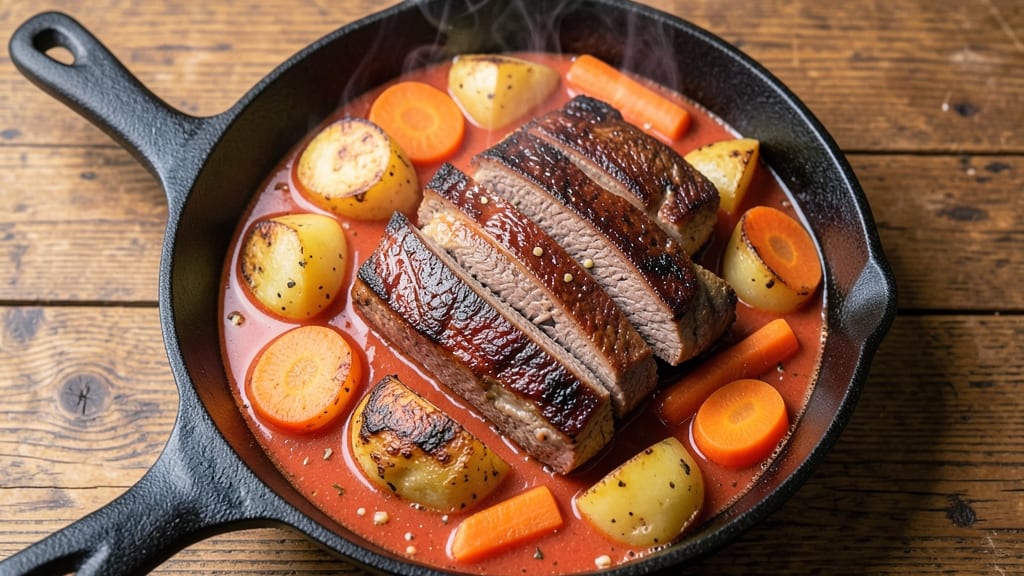
This beef stew recipe transforms tough cuts of beef into melt-in-your-mouth perfection while blending tomato soup, tender potatoes, and sweet carrots into a single-pot masterpiece. The secret lies in slow simmering—where rich beef broth, aromatic herbs, and caramelized vegetables meld into a hearty, comforting dish that smells like home. What makes this recipe special is its simplicity: just one pot, minimal prep, and a 75-minute cook time that rewards patience with a deeply flavorful result.
The stew begins with a deep brown sear of beef chuck, locking in juices and building a flavorful crust. As it simmers, the tomato soup base thickens slightly, adding depth without overpowering the beef's natural richness. Potatoes and carrots absorb the savory broth, becoming fork-tender while maintaining their natural sweetness.
The key to success? A well-balanced ratio of ingredients—enough vegetables to bulk up the stew, but enough beef to keep it satisfying. This isn't just a meal; it's a foolproof method for turning simple ingredients into something extraordinary.
By the time you're ready to serve, your kitchen will be filled with an aroma that announces dinner is ready. The beef will be so tender it practically falls apart, the potatoes creamy yet firm, and the carrots caramelized with just the right bite.
Each spoonful delivers a perfect balance of savory, sweet, and tangy flavors, making this stew ideal for chilly evenings or family gatherings. The one-pot approach means less cleanup, so you can enjoy the meal as much as the cooking process.
This recipe scales effortlessly—double it for a crowd or halve it for a cozy weeknight dinner. Pair it with crusty bread to soak up every last drop of that rich broth.
The beauty of this stew lies in its versatility: it's hearty enough for a main course but flexible enough to be part of a larger meal. Let's get started on creating a dish that will become a staple in your rotation.
Ingredients for beef stew recipe with tomato soup and potatoes and carrots
Just 15 ingredients transform simple beef chuck and pantry staples into a rich, comforting stew.
| Ingredient | Amount | Notes |
|---|---|---|
| Beef Chuck Roast 🥩 | 2 ½ lb | Trimmed of excess fat |
| Tomato Soup (Canned) 🍅 | 2 cups | Quality brand like Campbell's or Rao's |
| Yellow Onions 🧅 | 2 whole | Medium size, diced |
| Carrots 🥕 | 1 ½ lb | Whole, peeled, cut into chunks |
| Russet Potatoes 🥔 | 2 lb | Medium size, cut into chunks |
| Garlic Cloves 🧄 | 4 cloves | Fresh, minced |
| Beef Broth 💧 | 4 cups | Low-sodium preferred |
| All-Purpose Flour 🌾 | 2 tbsp | For thickening |
| Dried Thyme 🌿 | 1 tsp | Or 1 tbsp fresh |
| Dried Rosemary 🌿 | 1 tsp | Crushed between fingers |
| Bay Leaves 🍃 | 2 whole | Remove before serving |
| Black Peppercorns 🌶️ | 1 tsp | Freshly ground |
| Salt 🧂 | 1 ½ tsp | Kosher or sea salt |
| Olive Oil 🫒 | 2 tbsp | Extra-virgin preferred |
| Red Wine (Optional) 🍷 | ½ cup | Dry variety like Cabernet |
The beef chuck is the foundation—look for well-marbled cuts at your butcher or grocery store's meat counter. Costco or Kroger typically carry quality chuck roasts, but if you're buying whole, ask for a piece with good fat distribution. Trim excess fat to about 1/4-inch thickness for better searing. For the tomato soup, Rao's or Campbell's Homestyle add depth without overpowering the beef's natural flavor. The carrots and potatoes don't need peeling, but scrubbing them well ensures a cleaner broth. Fresh herbs like thyme and rosemary make a noticeable difference—Penzeys bulk bins are great for affordable, potent spices.
No beef broth? Substitute with water plus 1 tbsp soy sauce for umami depth. Short on red wine? Extra beef broth with 1 tsp balsamic vinegar works perfectly. The flour is purely for thickening—if you're avoiding it, cornstarch mixed with cold water does the same job. For the vegetables, baby carrots or pre-cut potatoes save time, though whole carrots and russets add better texture. If you're using frozen carrots, thaw and pat dry first to prevent watery stew. The optional red wine adds complexity, but 1 tbsp brandy or bourbon works in a pinch for similar depth.
This stew tastes even better the next day as flavors meld. Store in an airtight container in the fridge for up to 5 days, or freeze portions for 3 months. I always make a double batch—one for dinner, one for lunches. The beef will stay tender when reheated, though the potatoes may need a splash of broth to restore creaminess. For serving, crusty bread is ideal, but the stew stands alone as a complete meal. Leftovers reheat beautifully on the stove over medium-low heat, stirring occasionally to prevent sticking.
Why You'll Love This Recipe
- One-Pot Magic: I swear by this—just dump everything in one pot, and let it simmer. No chopping like a pro, no fancy techniques, and honestly? That canned tomato soup does half the work for you.
- Rich, Deep Flavor: Between the slow-cooked beef and that tangy tomato base, every bite has this perfect balance of hearty and bright. The onions and carrots caramelize just enough to make it taste like a restaurant dish, not a weeknight hack.
- Leftover Goldmine: This stew only gets better the next day. I make a double batch on Sundays, and by Wednesday, it’s still the star of my lunch—warm, tender, and way cheaper than takeout.
- Budget-Friendly Feast: A chuck roast and a few veggies stretch to feed four or more. Here’s what sold me: I spent $12 on ingredients and had enough for leftovers, plus enough to freeze half for later. No waste, all flavor.
Step-by-step instructions for beef stew with tomato soup and root vegetables
This one-pot method delivers rich, tender beef with perfectly cooked vegetables in under 75 minutes.
Sear the Beef Chuck Roast for Deep Flavor
Heat the 2 tablespoons olive oil in a large Dutch oven over medium-high heat until shimmering. Pat the 2.5 lb beef chuck roast dry with paper towels—this ensures a good sear. Place the roast in the pot and sear on all sides until deeply browned, about 5-6 minutes total. The goal is to develop a rich crust that will carry through the entire stew.
Remove the beef and set it aside. Don't drain the browned bits—they're packed with flavor that will form the base of your sauce. If you're using the 0.5 cup red wine, add it to the pot now and scrape up those browned bits with a wooden spoon, letting it reduce by half before proceeding. This deglazing step is crucial for building depth of flavor.
Sauté Vegetables and Build the Stew Base
In the same Dutch oven, add the 2 whole yellow onions and 1.5 lb carrots (cut into chunks). Cook over medium heat for 5-6 minutes, stirring occasionally, until the onions soften and the carrots begin to color. Add the 2 lb russet potatoes (also cut into chunks) and stir to combine. Cook for another 2 minutes to lightly brown the potatoes.
Stir in the 4 minced garlic cloves, 1 teaspoon dried thyme, 1 teaspoon dried rosemary, 2 whole bay leaves, 1 teaspoon black peppercorns, and 1.5 teaspoons salt. Cook for 1 minute until fragrant. Sprinkle the 2 tablespoons all-purpose flour over the vegetables and stir well to coat. Cook for 1-2 minutes until the flour turns golden and the mixture smells nutty.
Combine All Ingredients and Simmer
Return the seared beef to the pot. Pour in the 4 cups beef broth and 2 cups tomato soup, stirring to combine. Bring the mixture to a gentle boil, then reduce heat to low and cover partially. Let it simmer for 45 minutes, stirring occasionally. The stew should bubble gently but not vigorously—this ensures the beef stays tender and the vegetables cook evenly.
Here's the thing—don't lift the lid during this time. Every time you peek, you release steam and extend cooking time. If the stew reduces too much before the 45 minutes are up, add a splash of water or broth to maintain the liquid level. The beef is done when it's fork-tender and pulls apart easily.
Finish and Adjust Seasoning
Once the beef is tender, remove it from the pot and set it aside. Skim any excess fat from the surface of the stew with a spoon—this helps create a cleaner sauce. Return the beef to the pot and increase the heat to medium. Let the stew simmer uncovered for 5-10 minutes to reduce slightly and thicken the sauce. The vegetables should be tender but still hold their shape.
Taste the stew and adjust seasoning if needed. You might need an extra pinch of salt or a crack of black pepper. Remove the 2 bay leaves before serving. The stew should have a rich, velvety texture with deep, savory flavors from the seared beef and caramelized vegetables. Serve immediately with crusty bread to soak up every last drop.
Pro Tips For Making Beef Stew Recipe With Tomato Soup And Potatoes And Carrots
- SEAR THE BEEF FIRST: I learned this the hard way—skipping the sear means flavorless broth. Pat the chuck roast dry, then hit it with high heat in oil until deep brown on all sides. That crust locks in juices and builds depth when the tomato soup later melts into the pot.
- CUT POTATOES LARGE: Peeling and chopping potatoes into 2-inch chunks keeps them intact during simmering, so they don’t turn to mush. Russets hold up better than you’d think, but resist the urge to dice them small—you’re making stew, not mashed potatoes.
- STIR IN SOUP LAST: Tomato soup thickens fast when heated. Wait until the beef and veggies have simmered 30 minutes before adding it—this prevents a gluey, overcooked mess. Stir in gently, then adjust heat to keep it bubbling, not boiling.
- USE CARROTS AS A BAROMETER: Toss in whole carrots first (peeled, halved lengthwise). When they’re fork-tender after 45–60 minutes, the potatoes and beef are nearly done. No guessing—just check the carrots. (Pro move: Save the cooking liquid to thin the soup later if needed.)
Essential equipment for this recipe
Dutch Oven Essentials
A heavy-duty Dutch oven is the heart of this recipe—it distributes heat evenly and retains moisture perfectly. I recommend a 5-6 quart enameled cast iron like Lodge or Le Creuset for durability and versatility.
The enameled coating prevents rust and makes cleanup easier. If you don’t have one, a stainless steel pot with a tight-fitting lid works too, though it may require more attention to prevent burning. 🔥
Meat Thermometer
Investing in a meat thermometer ensures your beef reaches the perfect 203°F internal temperature without overcooking. My go-to is the ThermoWorks Smoke—it’s precise, wireless, and built to last. For a budget option, the Ozeri Touchless is reliable and affordable.
Place the probe in the thickest part of the beef to avoid hitting bones. This tool takes the guesswork out of cooking time and guarantees tender results every time.
Sharp Knife Set
Chopping onions, carrots, and potatoes efficiently requires a sharp chef’s knife and a cutting board. I use an 8-inch Wüsthof for precision and control, but any high-quality knife with a comfortable handle will work.
A mandoline slicer can speed up prep for uniform potato and carrot chunks, though it’s optional. Always keep your knife sharp—dull blades crush vegetables instead of cutting cleanly, which affects texture in your stew.
Wooden Spoon
A wooden spoon is a must for stirring and scraping up those flavorful browned bits from the bottom of the pot. I prefer a long-handled version to avoid burning my hand on the hot Dutch oven.
Avoid metal utensils after searing—they can scratch the enameled coating or react with acidic ingredients like tomato soup. A sturdy wooden spoon also helps deglaze the pot when adding red wine or broth, ensuring no flavor is left behind. 🌟
Slotted Spoon
A slotted spoon becomes your best friend during the simmering stage. Use it to gently submerge potatoes and carrots if they float to the top, ensuring even cooking. It’s also perfect for skimming excess fat from the stew’s surface before serving.
I keep one within arm’s reach while cooking—it’s quicker than reaching for a fork or tongs. For larger batches, a long-handled version prevents spills and makes cleanup easier.
Lid Lifter
While it might seem minor, a lid lifter (or even a sturdy oven mitt) is essential for safely removing the Dutch oven’s lid without burning yourself. The stew releases steam when you lift the lid, so always angle it away from your face.
I’ve learned the hard way—skipping this tool can lead to painful steam burns. A silicone lid lifter is my top pick for its heat resistance and durability. Keep it handy throughout the cooking process for quick adjustments without risk.
Nutrition facts
Frequently asked questions
Can I substitute beef chuck with another cut of beef?
For similar tenderness, try beef short ribs (add 15-20 minutes to cooking time) or chuck roast (same results). Avoid lean cuts like sirloin—they'll dry out. If using short ribs, remove them from the pot after 45 minutes to rest, then return to the stew just before serving to keep them juicy.
Why did my potatoes turn mushy instead of staying firm?
Overcooking is the most common cause. Potatoes should simmer for 45 minutes total—if they're done earlier, remove them from the stew and finish cooking separately. Also, cut them into 1.5-inch chunks (not too small) and avoid stirring them too much to prevent breaking. For extra firmness, add them to the pot 15 minutes before the beef is done.
Can I make this stew in an Instant Pot or slow cooker?
Yes! For the Instant Pot: Sear the beef first, then sauté veggies and deglaze. Add all ingredients, pressure cook for 45 minutes, then natural release for 10 minutes. For slow cooker: Use the same prep, then cook on low for 7-8 hours or high for 4-5 hours. The Instant Pot version will be slightly more tender, while slow cooker gives deeper flavor.
How can I make this stew spicier?
Add 1-2 teaspoons of smoked paprika or 1/2 teaspoon cayenne pepper when sautéing the vegetables. For heat with depth, stir in 1 tablespoon of hot sauce (like Tabasco) or 1/2 teaspoon of red pepper flakes at the end. If you love spice, add 2-3 slices of jalapeño (seeds removed) when searing the beef.
Can I prepare this stew ahead of time?
This stew tastes even better the next day! Store in an airtight container in the fridge for up to 5 days. For freezing, cool completely first, then freeze for up to 3 months. Reheat gently on the stove over medium-low heat, adding a splash of broth if needed to restore creaminess. The flavors meld beautifully overnight.