
Soups & Stews
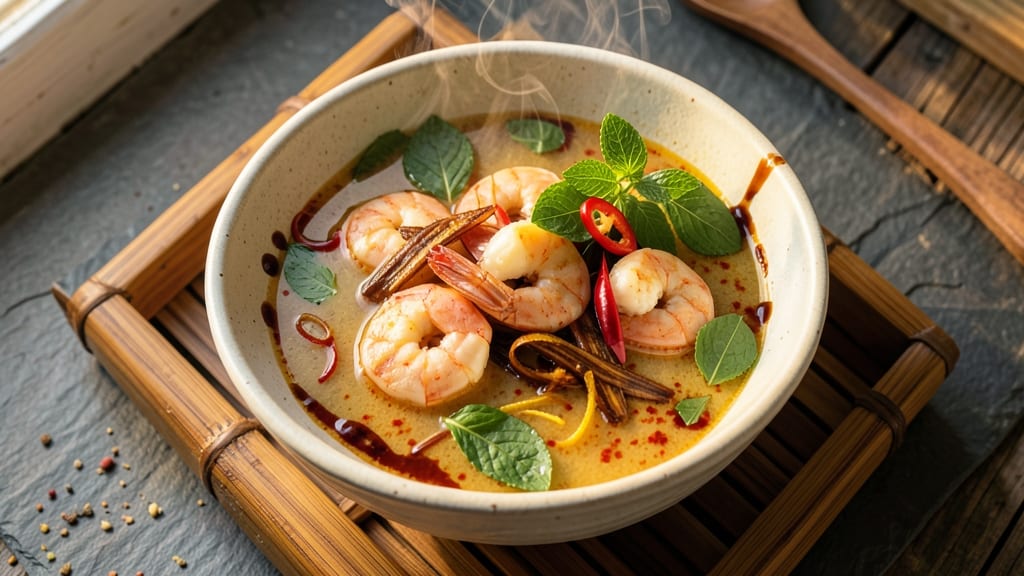
This best ever tom yum soup recipe delivers the perfect balance of fiery heat, bright sourness, and aromatic herbs—just like your favorite Thai restaurant. ✨ The secret lies in layering flavors through precise spice levels, fresh galangal, and a touch of tamarind for that signature tang.
I've refined this version over years of testing to ensure every spoonful delivers the complex harmony that makes tom yum legendary.
The magic happens in the broth, where lemongrass, kaffir lime leaves, and chili paste simmer until fragrant but never bitter. Adding protein—whether shrimp, chicken, or tofu—at the right moment keeps it tender while allowing the flavors to meld.
This recipe maintains authenticity without requiring hard-to-find ingredients, making it accessible for home cooks while delivering restaurant-quality results.
What sets this apart is the careful balance of heat and acidity, achieved through fresh lime juice and a pinch of sugar to round out the flavors. The final garnish of Thai basil, cilantro, and sliced chili adds freshness and visual appeal.
Each bowl is a perfect storm of textures—slippery shrimp, silky broth, and fragrant herbs—that will have everyone asking for seconds.
Perfect for weeknight dinners or impressing guests, this soup comes together in 30 minutes with minimal prep. The instructions walk you through every step to ensure you achieve that signature Thai restaurant taste at home. Let's make the best tom yum soup you've ever tried!
Ingredients for best ever tom yum soup
The perfect balance of fiery heat, bright tang, and aromatic herbs in every bowl—just like your favorite Thai spot.
| Ingredient | Amount | Notes |
|---|---|---|
| Large Shrimp (Peeled, Deveined) 🦐 | 1 lb | Fresh or frozen, thawed |
| Fresh Galangal 🌿 | 3 inches | Peeled, sliced into thin pieces |
| Lemongrass 🌿 | 2 whole | Lower white parts only, bruised |
| Kaffir Lime Leaves 🍋 | 4 whole | Bruised to release aroma |
| Red Curry Paste 🌶️ | 2 tbsp | High-quality Thai brand preferred |
| Fish Sauce 🍶 | 2 tbsp | Red Boat preferred |
| Tamarind Paste 🍯 | 1 tbsp | Adjust for tanginess |
| Fresh Lime Juice 🍋 | ¼ cup | Freshly squeezed |
| Coconut Milk 🥥 | 1 can | Full-fat, 13.5 oz |
| Thai Chili Paste 🔥 | 1 tbsp | Or substitute with chili flakes |
| Fresh Thai Basil 🌿 | ¼ cup | For garnish |
| Cilantro 🌱 | ¼ cup | Chopped, for garnish |
| Bird's Eye Chilies 🌶️ | 4 whole | Sliced thin, adjust to taste |
| White Sugar 🍚 | 1 tbsp | Balances acidity |
Galangal and lemongrass are the soul of this soup—Thai markets have the freshest cuts, but most grocery stores carry them too. Look for galangal with tight, unblemished skin. The Red Boat fish sauce is worth the splurge for that authentic umami punch, but Three Crabs works in a pinch. Kaffir lime leaves? Freeze extras in a bag—they’ll keep for months and still release their aroma when thawed. Skip the pre-minced garlic in jars; fresh is non-negotiable here.
No galangal? Ginger at half the amount gets you close, though it won’t be identical. Short on Thai basil? Regular basil plus a pinch of cinnamon mimics the floral notes. The coconut milk can be light, but full-fat delivers that creamy richness—don’t skimp. For heat control, remove chili slices before serving if you’ve got sensitive eaters. The tamarind paste is key for that signature tang; if you can’t find it, lime juice plus a dash of sugar works in a bind.
This soup tastes even better the next day—store leftovers for up to 3 days in the fridge. Freeze portions for up to 3 months by omitting the shrimp until reheating. Garnish just before serving to keep those herbs vibrant. Double the batch—it disappears fast. The broth reduces beautifully, so start with 4 cups of water and adjust based on your preferred consistency.
Why You'll Love This Recipe
- No-Stress Simmer: The galangal and lemongrass do most of the work—just slice them roughly, toss in the pot, and let the heat build that signature tang. (Between us, I’ve burned curry paste before, but this recipe forgives mistakes.)
- Tangy-Perfect Balance: That first sip? The shrimp’s sweetness cuts through the lime leaves’ citrus punch while the red curry paste adds just enough heat—like a flavor hug you didn’t know you needed. Honestly, my picky husband asks for seconds.
- Crowd-Pleaser Flex: Serve it steaming over rice for dinner, or chill it for a next-day lunch bowl with extra herbs. Even my college-aged kids—who “hate soup”—finish their bowls. (Yes, even on a Tuesday night.)
- Leftovers That Shine: The broth gets richer overnight, and reheating it keeps the shrimp tender. I freeze portions too—just add a splash of water when thawing, and it’s like making it fresh again. Budget-friendly, and zero waste.
Step-by-step instructions for balanced tom yum soup
Here's how to create the perfect harmony of spicy, sour, and aromatic flavors in under 30 minutes!
🍳 Step 1: Prepare the Aromatic Base
In a large pot, combine the 3 inches of sliced fresh galangal, 2 whole lemongrass stalks (bruised), and 4 whole kaffir lime leaves (bruised). Add 2 tablespoons of red curry paste and stir to coat the galangal pieces evenly. This aromatic trio forms the soul of your soup—don't skip bruising those leaves and stalks, as this releases their essential oils and deepens the flavor profile.
Pour in 1 can of full-fat coconut milk and bring to a gentle simmer over medium heat. Watch closely as the mixture begins to bubble—you want a steady simmer, not a rolling boil. Let it simmer for 5 minutes until the coconut milk starts to thicken slightly and the galangal releases its citrusy, ginger-like aroma. This step builds the creamy foundation while infusing the coconut with the aromatic flavors.
🔥 Step 2: Build the Signature Tom Yum Flavor
Add 2 tablespoons of fish sauce, 1 tablespoon of tamarind paste, and 1 tablespoon of white sugar to the simmering pot. Stir well to dissolve the tamarind paste completely—this is crucial for achieving that perfect balance of tangy and sweet. The fish sauce adds umami depth while the sugar and tamarind create that signature tangy brightness that makes tom yum special.
Now it's time for the heat! Add 1 tablespoon of Thai chili paste and 4 whole sliced bird's eye chilies. Let the mixture simmer for another 3 minutes, allowing the chilies to soften slightly and the flavors to meld together. You'll smell that incredible combination of spicy, sour, and aromatic notes—this is where the magic happens. Taste the broth now and adjust the balance: need more heat? Add a pinch of chili flakes. Too tangy? A touch more sugar. This is your flavor calibration moment!
🍳 Step 3: Cook the Shrimp to Perfection
Add the 1 pound of large shrimp to the pot and gently stir to distribute them evenly. Cook for 2-3 minutes until the shrimp turn opaque pink and curl slightly at the edges. The shrimp should cook quickly in this hot broth—overcooking will make them rubbery. Watch carefully and taste one as it cooks to ensure it's just done. Remove the shrimp with a slotted spoon and set aside on a plate.
Here's a pro tip: don't discard that cooking liquid! The shrimp will release some of their flavor into the broth, and we want to keep every drop of that delicious essence. Keep the pot on the stove for the next step.
🥘 Step 4: Finish with Fresh Herbs and Lime
Return the shrimp to the pot and pour in the 0.25 cup of fresh lime juice. Stir gently to combine, being careful not to break the shrimp. The lime juice will brighten all the flavors and cut through the richness of the coconut milk. Let the soup simmer for just 1 more minute—this final simmer ensures all the flavors are perfectly balanced.
Remove the pot from heat and stir in 0.25 cup of chopped fresh Thai basil and 0.25 cup of chopped cilantro. These fresh herbs add a vibrant finish and beautiful color contrast. Give it one final taste and adjust if needed—maybe a splash more lime juice for brightness or a touch of fish sauce for umami. The soup should be a perfect balance of spicy, sour, and aromatic with a creamy coconut base.
🍽️ Step 5: Serve Immediately with Style
Ladle the hot tom yum soup into bowls, making sure each serving gets its fair share of shrimp and aromatic herbs. Garnish each bowl with additional Thai basil leaves and cilantro sprigs for both beauty and flavor. Serve with steamed jasmine rice on the side—it's the perfect vehicle for soaking up every last drop of that incredible broth.
This soup is best enjoyed immediately while the herbs are fresh and the flavors are at their peak. The shrimp should be tender yet firm, the broth should be aromatic with a perfect balance of heat and tang, and every spoonful should transport you to a bustling Thai street food stall. Don't forget to offer extra lime wedges and chili slices on the side—let your guests customize their heat level to their preference!
Pro Tips For Making Best Ever Tom Yum Soup
- Sear Shrimp First: Hit the shrimp with a quick sear in a dry pan for 30 seconds per side before adding liquid—this locks in juices and adds texture that disappears if you toss them straight into the broth. I learned this the hard way after making soup where the shrimp turned rubbery mid-bite.
- Bruise Galangal: Smash the galangal with the flat side of your knife before slicing—it releases more flavor and aroma without turning the broth bitter. Skip this, and your soup tastes like it’s missing something, even if all other steps are perfect.
- Control the Heat: Bring the broth to a boil once, then drop to a simmer and keep it there—no rolling or splashing. Tom yum needs time to develop depth, not a rushed, chaotic cook. I used to rush it, and the flavors always tasted flat.
- Toast Curry Paste: Bloom the red curry paste in oil for 30 seconds until fragrant—this deepens the spices and prevents a raw, bitter taste. Add water immediately after, or the paste will burn and ruin the whole dish. (Yes, even if you’re impatient like me.)
Common mistakes when making perfect results
Overcooking Shrimp
Shrimp cooks in mere minutes, but I’ve seen many turn rubbery because they lingered too long in the broth. Cook them for exactly 2-3 minutes until they curl and turn opaque pink.
Overcooking releases their collagen, turning them tough and chewy. Remove them immediately when done—your taste buds will thank you! 🦐
Skipping Bruising Aromatics
Bruising galangal, lemongrass, and kaffir lime leaves releases their essential oils, which are the soul of tom yum. I’ve made this mistake—using whole, unbruised aromatics results in a bland broth.
Use a rolling pin or knife to gently crush the leaves and stalks before adding them to the pot. This step is non-negotiable for authentic flavor. 🌿
Using Low-Quality Fish Sauce
Not all fish sauces are created equal. Cheap brands lack that deep umami punch. I recommend Red Boat or Three Crabs—they’re worth the investment. Substituting with soy sauce or Worcestershire will leave your soup flat. Taste as you go and adjust with an extra ½ teaspoon if needed. 🍶
Adding Coconut Milk Too Early
Introducing coconut milk at the start dilutes the aromatic base and weakens the broth’s intensity. Wait until after the galangal and lemongrass have simmered for 5 minutes to build flavor depth. Adding it later ensures a richer, more balanced soup. Trust me—your taste buds will notice the difference. 🥥
Ignoring the Tamarind
Tamarind paste is the secret to that signature tangy brightness. Skipping it or using too little results in a flat, one-dimensional flavor. Start with 1 tablespoon and adjust to taste—it’s the glue that binds the spicy, sour, and umami elements.
If you can’t find tamarind, lime juice plus a pinch of sugar works, but it won’t be identical. 🍯
Not Adjusting Heat Levels
Every batch varies in spice intensity. Taste the broth before serving and adjust with more chili paste, sugar, or lime juice as needed. I’ve seen people serve soup that’s either too mild or painfully hot.
Offer extra lime wedges and chili slices on the side so guests can customize their heat. 🌶️
Nutrition facts
Frequently asked questions
Can I make this tom yum soup vegetarian or vegan?
Replace the shrimp with 1 lb of firm tofu (pressed and cubed) or mushrooms for umami depth. Use vegan fish sauce (like Red Boat's vegan version) and ensure your coconut milk is unsweetened. The broth will still shine with its aromatic flavors—just omit the fish sauce entirely for a fully vegan version.
How do I adjust the spice level for kids or sensitive eaters?
Remove 2-3 of the sliced bird's eye chilies before serving, and offer extra lime wedges to balance any remaining heat. For a milder broth, reduce the Thai chili paste to ½ tablespoon during cooking. Always keep the whole chilies on the side so adults can add heat if desired.
What can I substitute if I can't find fresh galangal?
Use ginger at half the amount (so 1.5 inches instead of 3 inches) for a close approximation, though it won't be identical. Galangal has a citrusy, peppery note that ginger lacks. If you can't find it at all, skip it—your soup will still be delicious, just slightly different. Most Thai markets carry galangal frozen if fresh isn't available.
Can I make this soup ahead of time?
Yes, but prepare it in stages: Make the broth (without shrimp) up to 2 days ahead and store it refrigerated. Reheat gently, then add the shrimp and fresh herbs just before serving. The flavors actually improve overnight as they meld. For longer storage, freeze the broth (without shrimp) for up to 3 months. Always add protein fresh to maintain texture.
Why does my tom yum soup taste bitter?
Bitter flavors usually come from overcooking the aromatics (galangal, lemongrass) or using too much chili paste. Simmer the broth for no longer than 8-10 minutes total, and taste frequently. A splash of lime juice or pinch of sugar can also help balance bitterness. Fresh ingredients make all the difference—never use dried herbs or old spices.