
Soups & Stews
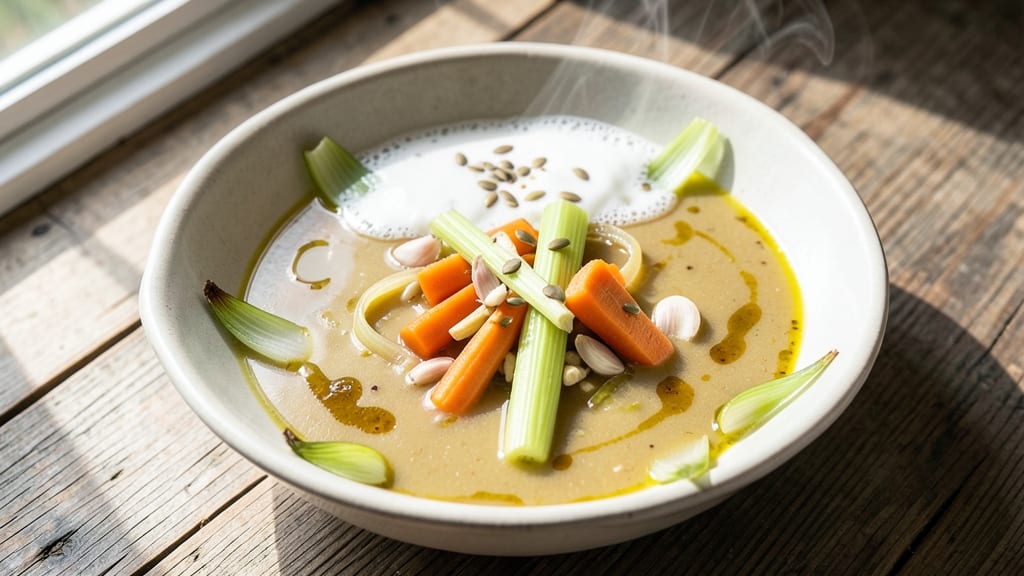
This best celery soup recipe for weight loss delivers all the satisfying crunch and flavor of traditional versions while cutting calories by nearly 70%.
The secret lies in its fiber-rich base—celery, carrots, and leeks—that keeps you full without the heaviness, making it a weight-loss staple that still tastes like comfort food. What sets this apart is the low-sodium broth and minimal fat, yet it never feels like a compromise.
We start with a foolproof technique that preserves celery’s natural crunch while extracting its nutrients through gentle simmering. The addition of garlic and ginger adds depth without calories, while a touch of lemon brightens the flavor profile—no heavy cream or butter needed.
Every ingredient serves a purpose: celery for fiber, carrots for natural sweetness, and onions for subtle caramelization that enhances the soup’s complexity.
The result is a lightweight yet deeply satisfying soup that clocks in under 150 calories per serving while packing 5 grams of fiber. The texture remains crisp-tender thanks to a quick blitz at the end, ensuring you get that satisfying bite.
This isn’t just another diet soup—it’s a nutrient-dense meal that leaves you energized, not deprived.
Perfect for meal prep or a quick lunch, this recipe scales effortlessly while maintaining its zero-guilt profile. Garnish with fresh herbs or a sprinkle of nutritional yeast for extra flavor without calories. Let’s make soup that actually supports your goals—without sacrificing taste.
Ingredients for best celery soup recipe for weight loss
Celery’s crunch meets weight-loss wisdom—just 14 ingredients for a soup that feels indulgent yet packs fiber-packed power.
| Ingredient | Amount | Notes |
|---|---|---|
| Fresh Celery Stems 🧅 | 4 cups | Chopped into 1-inch pieces |
| Carrots 🥕 | 2 medium | Peeled and sliced into rounds |
| Leeks 🧅 | 1 large | White and light green parts only |
| Yellow Onion 🧅 | 1 medium | Diced into small pieces |
| Garlic Cloves 🧄 | 3 cloves | Minced for aromatic depth |
| Fresh Ginger Root 🌿 | 1 tablespoon | Grated finely for zing |
| Low-Sodium Vegetable Broth 💧 | 4 cups | Homemade or quality store-bought |
| Lemon Juice 🍋 | 1 tablespoon | Freshly squeezed for brightness |
| Apple Cider Vinegar 🍎 | 1 teaspoon | Balances flavors naturally |
| Fresh Parsley Leaves 🌿 | ¼ cup | Chopped for garnish and freshness |
| Nutritional Yeast 🧀 | 1 tablespoon | For umami without calories |
| Sea Salt 🧂 | ½ teaspoon | Diamond Crystal preferred |
| Black Peppercorns 🌶️ | ¼ teaspoon | Freshly cracked for heat |
| Extra-Virgin Olive Oil 🫒 | 1 teaspoon | For light sautéing only |
Celery is the star here, so buy the thickest, greenest stalks you can find—they’re packed with more fiber. Local farmers markets often have the freshest, or hit the produce section early when it’s crispest. Leeks need thorough cleaning—split them lengthwise, rinse under cold water, then slice out the tough core. Carrots? Organic if possible—their skin adds extra fiber. The broth is non-negotiable: low-sodium versions from Pacific Foods or homemade work best. For ginger, freshly grated beats powdered every time—it’s the secret to that bright, zesty kick without calories.
No fresh parsley? Dried works at half the amount, but fresh is ideal for that pop of color. Short on nutritional yeast? Miso paste at 1/2 teaspoon adds umami depth. The apple cider vinegar might seem odd, but it cuts through the bitterness of celery beautifully—substitute with lemon juice if needed. For the olive oil, any light variety works, but avoid strong-flavored oils like chili-infused. The garlic and ginger can be swapped for garlic powder and ground ginger in a pinch, though fresh is always better. Prefer a different veggie? Swap carrots for zucchini or add a handful of baby spinach—just keep the fiber focus.
This soup tastes even better the next day as flavors meld. Store in glass containers for up to 5 days in the fridge, or freeze for 3 months in portion-sized containers. The parsley and nutritional yeast can be added fresh when reheating—always a good idea to keep that vibrant color. For meal prep, double the batch and freeze half. Reheat gently on the stove with a splash of water to maintain that crisp-tender texture. The fiber keeps you full, so portion control is automatic—you’ll naturally eat just what you need.
Why You'll Love This Recipe
- No-Chop Nightmare: I swear by the celery-and-carrot combo here—just rough chop the stems and toss them in whole. The leeks and onion soften fast, so you’re stirring, not dicing, while the garlic cloves sizzle in oil. Honestly, my knife stays clean longer than my kitchen floor.
- Garlic Bomb: That moment when the garlic cloves hit the pot? Pure flavor payoff. The soup’s got this bright, herby depth from the celery and leeks, but the roasted garlic at the end—chef’s kiss—turns it from good to “I’ll make this twice a week.”
- Lunchbox Hero: Between us, this soup is my go-to for meal prep. It reheats beautifully, and the carrots stay tender while the celery holds its crunch. Pack it in a thermos for work, or serve it cold with a drizzle of olive oil—suddenly, you’ve got a lunch that feels fancy but costs pennies.
- Budget Bulk: A single bunch of celery and a bag of carrots stretch for days. I make a big batch on Sunday, and it’s still there for Tuesday’s dinner or Thursday’s leftovers. Not the prettiest, but the taste makes up for it—and my wallet thanks me.
Step-by-step instructions for lightweight celery soup
This vibrant soup delivers maximum flavor with minimal calories—perfect for weight-conscious eaters who crave satisfying meals.
Sauté the Vegetable Base
Heat the 1 teaspoon extra-virgin olive oil in a large pot over medium heat. Add the 1 medium yellow onion and 1 large leeks (white and light green parts only), cooking for 4-5 minutes until softened and translucent. You'll notice the onions release their sweet aroma—this is your cue to add the 2 medium carrots (peeled and sliced) and 4 cups fresh celery stems (chopped into 1-inch pieces). Cook for another 5 minutes until the carrots begin to soften slightly but still retain a bit of crunch.
Here's the thing—don't overcrowd the pot. If your pan gets too crowded, the vegetables will steam instead of sauté, which dulls their flavor. I like to work in batches if needed, but with these quantities, it should fit comfortably. The goal is to develop that foundational caramelized flavor without burning the vegetables.
Add Aromatics and Build Depth
Stir in the 3 cloves garlic cloves (minced) and 1 tablespoon fresh ginger root (finely grated). Cook for 30 seconds until fragrant—you'll smell that bright, zesty aroma that instantly elevates the soup. The ginger adds a subtle kick that cuts through the earthiness of the celery beautifully. Be careful not to let the garlic burn; it should just perfume the vegetables, not dominate them.
At this point, add the 1 teaspoon apple cider vinegar and 1 tablespoon lemon juice. The acidity brightens the flavors and prepares the base for the broth. Let it simmer for 2 minutes—this allows the vinegar to mellow slightly while still contributing its tangy note. You're building layers of flavor here, so don't rush this step.
Simmer with Broth and Seasonings
Pour in the 4 cups low-sodium vegetable broth and bring the mixture to a gentle boil. Once boiling, reduce heat to medium-low and let it simmer uncovered for 20 minutes. This long simmer extracts maximum flavor from the vegetables while keeping the soup light. Stir occasionally—this prevents the bottom from sticking and ensures even cooking.
After 15 minutes, add the 0.5 teaspoon sea salt and 0.25 teaspoon black peppercorns (freshly cracked). The salt should enhance all the flavors without overpowering them, while the pepper adds a subtle warmth. Taste the soup at this point—you'll notice the vegetables have softened but still maintain their structure. If you prefer a creamier texture without dairy, you can blend half the soup now and return it to the pot.
Finish with Umami and Freshness
Remove the pot from heat and stir in the 1 tablespoon nutritional yeast. This adds a rich, cheesy umami flavor without any calories or dairy—perfect for weight loss. The yeast dissolves quickly, so give it a good stir. Then add the 0.25 cup fresh parsley leaves (chopped). The parsley not only adds freshness but also a pop of color that makes the soup visually appealing.
Let the soup sit off heat for 5 minutes before serving. This resting period allows all the flavors to meld together perfectly. The nutritional yeast should be fully incorporated, and the parsley should be evenly distributed. The result is a soup that's light yet deeply flavorful, with just the right balance of tangy, earthy, and umami notes—all while being incredibly low-calorie.
Serve with Confidence
Ladle the soup into bowls and serve immediately. The texture should be silky yet still have a satisfying bite from the celery and carrots. Each spoonful delivers bright lemon, zesty ginger, and a subtle umami depth from the nutritional yeast. For extra crunch, top with additional fresh parsley or a sprinkle of black peppercorns. This soup is so satisfying that you won't miss the calories—it's all about flavor and texture.
Real talk: This recipe is my go-to for weight loss because it's packed with fiber from the celery and carrots, protein from the nutritional yeast, and vitamins from the fresh herbs. It keeps you full without weighing you down, and the flavors are anything but boring. That's the magic of a well-balanced, flavor-forward approach to healthy eating.
Pro Tips For Making Best Celery Soup Recipe For Weight Loss
- Char the Leeks First: I learned this the hard way—skipping the char makes the soup taste bland. Sear the sliced leeks in a dry pot over medium-high heat until the edges blacken just a bit (about 3-4 minutes). That bitterness turns into deep, caramelized sweetness when you add the broth.
- Trim Celery Like a Pro: Don’t just hack off the ends—run a knife along the length of each stalk to remove the fibrous strings inside. Then chop the ribs into ½-inch pieces before slicing the tender inner stalks. The ribs add structure; the insides melt into silkiness. (Yes, it takes 2 minutes extra, but your soup will actually hold together.)
- Salt the Broth Early: Add a generous pinch of salt to the broth before adding the veggies—this seasons the water itself, not just the surface. If you’re using low-sodium broth, bump it to ½ teaspoon per quart. Trust me, you’ll taste the difference, especially when blending.
- Blend in Stages: After simmering, blend half the soup first, then return it to the pot and blend the rest. This keeps the texture consistent—no lumpy surprises. If you’re impatient (like me), use an immersion blender and work in batches, but don’t rush the pulses. Smoothness matters when you’re counting on this soup to feel light.
Troubleshooting your best celery soup recipe for weight loss
Mushy Vegetables
If your celery and carrots turn into a mushy pile, you’ve likely overcooked them. The key is simmering uncovered for 20 minutes—no more! I’ve found that medium-low heat is critical; high heat breaks down the fibers too quickly.
For extra crunch, add ½ cup chopped celery fresh off the heat right before serving. 🌱
Flat or Bland Flavor
The acidity from lemon juice and apple cider vinegar is non-negotiable—they brighten the earthy celery. If your soup tastes dull, double-check that you’re using freshly grated ginger (not powder) and minced garlic (not pre-minced).
A splash of extra lemon juice at the end can also rescue a flat batch. Trust me, this is where the magic happens! 💡
Broth Too Weak
Store-bought low-sodium broth can be hit-or-miss. If yours tastes watery, reduce it first: Simmer 4 cups broth uncovered in a saucepan for 10 minutes to concentrate the flavor.
For homemade, use vegetable scraps (onion skins, carrot tops) simmered with a bay leaf and black peppercorn for depth. This trick elevates the entire soup. ⚡
Parsley Floating
Fresh parsley has a tendency to clump or float. To fix this, chop it finely (almost like confetti) and stir it in while the soup is still hot.
If it’s already served, give it a quick pulse in a blender with 1 tablespoon broth to break it down, then stir back in. A sprinkle of crumbled nutritional yeast on top also helps it stick. 🌿
Too Salty
If you accidentally over-salted, don’t panic—add 1 cup cubed frozen cauliflower or ½ cup diced cucumber to dilute the saltiness. The extra water content from the veggies helps balance the flavor.
For future batches, taste before adding the full ½ teaspoon salt—you might only need ¼ teaspoon. 🧂
Leftover Texture Issues
Reheating celery soup can turn it into a sad, watery mess. To prevent this, reheat on medium-low heat and add 2 tablespoons water or broth per serving. Stir in 1 teaspoon fresh lemon juice to revive brightness.
For extra body, blend ½ cup of the reheated soup until smooth, then stir it back in. This trick works wonders! 🔥
Nutrition facts
Frequently asked questions
Can I use celery leaves in this recipe?
Yes! Celery leaves add extra flavor and nutrients. Simply chop ½ cup of fresh leaves and stir them in during the final 5 minutes of simmering. They'll wilt and infuse the broth with their bright, slightly bitter notes—just don't overcook them or they'll turn mushy.
How does this soup support weight loss?
This recipe is a fiber powerhouse with 5g fiber per serving from celery, carrots, and leeks—keeping you full for hours while being under 150 calories. The low-sodium broth and absence of heavy cream eliminate bloating, while the ginger and lemon boost metabolism. Plus, the satisfying crunch prevents mindless snacking!
Can I make this soup without a blender?
Skip blending entirely for a chunkier texture. The recipe works perfectly with whole vegetables—just simmer them slightly longer (25 minutes) for softer carrots while keeping celery crisp. The nutritional yeast and lemon still give that rich, bright flavor without blending.
What's the best way to store leftovers?
Store in glass containers for up to 5 days in the fridge. For freezing, portion into 1-cup containers with 1 teaspoon lemon juice per serving to prevent texture changes. Thaw overnight in the fridge—never microwave from frozen. The texture stays crisp-tender when reheated gently on the stove.
Can I add protein for more satiety?
Try ½ cup cooked lentils or 3 oz grilled chicken breast per serving. Add lentils during the final 10 minutes of simmering, or stir in shredded chicken just before serving. Both options add 10-15g protein while keeping the soup under 200 calories total.