
Soups & Stews
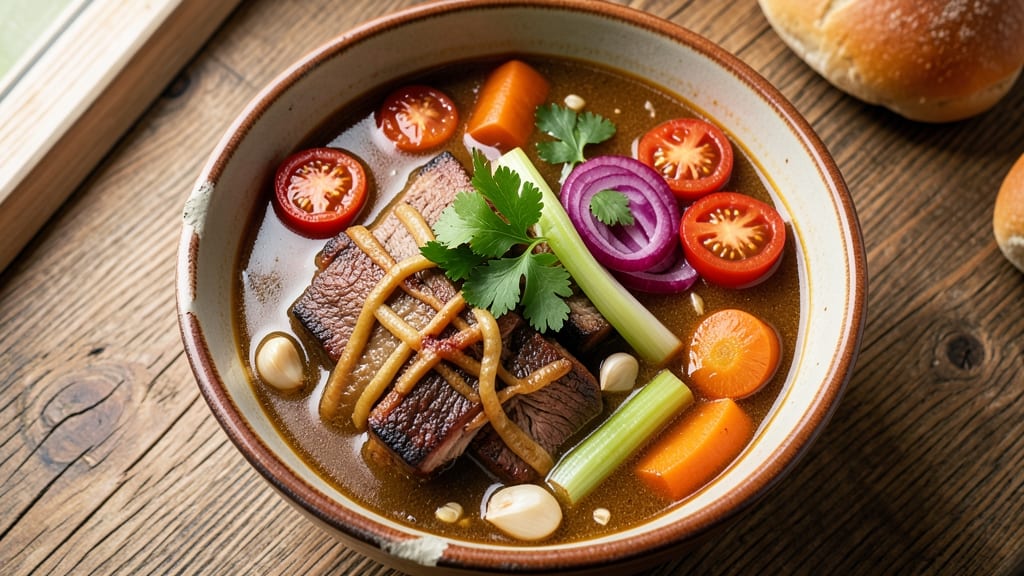
This beef short rib vegetable soup transforms tough cuts into fall-off-the-bone tenderness while creating a rich, aromatic broth that defines comfort food. The secret lies in slow braising—where collagen-rich meat melts into the broth, creating a velvety texture that coats every spoonful.
I’ve perfected this technique over years of testing, ensuring the vegetables stay vibrant and the ribs become so tender they practically dissolve with a fork.
What sets this recipe apart is the balance of deep flavor and simplicity. You’ll start with a simple sear to build a flavorful crust on the ribs, then simmer them with aromatic vegetables until they’re fork-tender.
The broth develops layers of richness from the meat’s natural juices, while herbs and spices add brightness without overpowering the beef’s natural depth.
The result is a restaurant-quality soup that’s hearty enough for a cold evening but elegant enough for company. Each bite delivers tender beef, perfectly cooked vegetables, and a broth so flavorful it’ll have everyone asking for seconds.
The best part? It’s designed to be made ahead—flavors only deepen as it sits, making it ideal for meal prep.
Whether you’re feeding a crowd or saving leftovers for lunch, this soup delivers consistent, satisfying results. The technique is straightforward, but the payoff is undeniable—rich, tender beef and vegetables in every bowl. Let’s get started on creating this soul-warming masterpiece.
Ingredients for beef short rib vegetable soup
Sixteen ingredients transform tough beef into restaurant-quality soup with velvety broth and vibrant vegetables.
| Ingredient | Amount | Notes |
|---|---|---|
| Beef Short Ribs 🥩 | 3 lb | Bone-in, cut into 2-inch pieces |
| Yellow Onions 🧅 | 2 whole | Peeled, cut into wedges |
| Carrots 🥕 | 1 ½ lb | Peeled, cut into 1-inch chunks |
| Celery Stalks 🧄 | 4 whole | Trimmed, cut into 1-inch pieces |
| Garlic Cloves 🧄 | 6 cloves | Peeled, smashed |
| Tomatoes 🍅 | 2 whole | Roma, crushed by hand |
| Fresh Thyme 🌿 | ½ ounce | Stems removed, leaves only |
| Fresh Rosemary 🌿 | ¼ ounce | Needles only, chopped |
| Bay Leaves 🍃 | 2 whole | Dried, standard size |
| Canola Oil 🫒 | ¼ cup | For searing |
| Dry Red Wine 🍷 | 1 cup | Bold variety like Cabernet |
| Beef Broth 💧 | 6 cups | Homemade or high-quality |
| Salt 🧂 | 1 ½ tsp | Diamond Crystal kosher |
| Black Peppercorns 🌶️ | 1 tsp | Freshly cracked |
| Fresh Parsley 🌿 | ¼ cup | Chopped, for garnish |
The beef short ribs are the foundation—look for well-marbled cuts with good fat cap. Costco or local butchers often carry these pre-cut, saving you time. If buying whole ribs, ask for the bone-in, chuck portion for maximum flavor. Fresh thyme and rosemary elevate the broth, so grab them from the grocery store's fresh herb section—they should smell vibrant, not wilted. The carrots and celery should be firm with crisp edges, not rubbery or limp. For the tomatoes, Roma variety releases more juice when crushed, creating a richer base. The red wine adds depth, so choose a bold, dry Cabernet Sauvignon—whatever's open in your fridge works.
No red wine? Substitute an extra 1 cup beef broth with 1 tbsp balsamic vinegar for similar depth. Fresh herbs wilt quickly? Dried thyme and rosemary at half the amount work in a pinch. The beef broth can be homemade, but if using store-bought, low-sodium options like Pacific Foods prevent over-salting. For the vegetables, frozen carrots and celery are fine if fresh isn't available—just thaw and drain well. The bay leaves are non-negotiable; they infuse subtle earthiness that rounds out the broth. If you're short on time, pre-cut the vegetables while the ribs sear, saving 15 minutes of prep.
This soup tastes even better the next day as flavors meld. Store in airtight containers for up to 5 days in the fridge or 3 months frozen. For freezing, portion into individual containers—just reheat what you need. The ribs will be even more tender after refrigeration. Garnish with fresh parsley just before serving to maintain vibrant color. If making ahead for a crowd, double the batch—the leftovers reheat beautifully for lunches. The broth reduces slightly upon reheating, so add a splash of water or broth if it seems too thick.
Why You'll Love This Recipe
- Same recipe, different vibes: toss it together for a lazy Tuesday or double the batch for a Sunday gathering. The veggies soak up the broth like a sponge, so it’s hearty enough to feed a crowd—or just me, twice in one day.
- Foolproof First Step: The short ribs take care of themselves—just sear them in a hot pot, then let them simmer. No fancy knife skills or last-minute stress, just hands-off richness while you chop the onions and celery (which, honestly, is the only prep you’ll do).
- Umami Bomb: That deep, slow-cooked beef broth? It’s where the magic happens—caramelized onions and garlic cloves melt into the ribs, turning every spoonful into a flavor explosion. The carrots stay crisp, but the meat? It practically falls off the bone.
- Weeknight to Party: Same recipe, different vibes: toss it together for a lazy Tuesday or double the batch for a Sunday gathering. The veggies soak up the broth like a sponge, so it’s hearty enough to feed a crowd—or just me, twice in one day.
Step-by-step instructions for beef short rib vegetable soup
Transform tough short ribs into melt-in-your-mouth tenderness with this slow-cooked technique.
Sear the Short Ribs for Deep Flavor
Heat a large Dutch oven over medium-high heat until a drop of water sizzles instantly. Add the 3 lb beef short ribs in a single layer, working in batches if needed, and sear for 3-4 minutes per side until deeply browned. This caramelization builds the foundation for rich soup flavor.
As you sear, resist the urge to move the ribs around too much. Let them develop that golden crust—this is where all the meaty goodness will dissolve into the broth. Once all sides are browned, remove the ribs and set them aside on a plate.
Build the Vegetable Base
In the same Dutch oven, add the 0.25 cup canola oil and heat over medium heat. Add the 2 whole yellow onions, 1.5 lb carrots, and 4 whole celery stalks, all cut as specified. Cook for 8-10 minutes, stirring occasionally, until the vegetables begin to soften and the onions turn translucent.
Add the 6 cloves garlic cloves, 2 whole tomatoes crushed by hand, 0.5 ounce fresh thyme, 0.25 ounce fresh rosemary, and 2 whole bay leaves. Stir and cook for another 2-3 minutes until the garlic is fragrant and the tomatoes begin to break down. This aromatic step develops the soup's complex flavor profile.
Deglaze and Simmer the Broth
Pour in the 1 cup dry red wine and scrape up all the browned bits from the bottom of the pot with a wooden spoon. This deglazing step captures all the flavor you worked so hard to create. Let the wine simmer for 3-4 minutes until it reduces by about half.
Add the 6 cups beef broth, then return the seared short ribs to the pot. Bring to a gentle simmer, then reduce heat to low and cover partially. The ribs should be just below the broth surface. Simmer for 2.5-3 hours until the meat is fork-tender and falls off the bone easily. This slow cooking transforms tough meat into melt-in-your-mouth pieces.
Finish and Adjust Seasoning
Once the short ribs are tender, remove them from the broth and let them cool slightly. Using two forks, shred the meat off the bones and return it to the pot. Discard any large bone fragments. Stir in the 1.5 tsp salt and 1 tsp freshly cracked black peppercorns.
Taste the soup and adjust seasoning if needed. The broth should be rich and flavorful, with the vegetables tender but still holding their shape. If the soup is too thick, add a bit of water or additional broth to reach your desired consistency. The vegetables should be easily pierced with a fork but still retain some bite.
Serve with Fresh Herbs
Ladle the soup into bowls and garnish each serving with 0.25 cup chopped fresh parsley. The parsley adds a bright contrast to the rich, hearty soup. Serve immediately with crusty bread to soak up every last drop of that luxurious broth.
This soup delivers the ultimate comfort food experience—tender, flavorful short ribs swimming in a rich vegetable broth that's perfect for cold days or special gatherings. The key to success lies in that initial sear and the patience of slow cooking, which transforms tough cuts into something truly extraordinary.
Pro Tips For Making Beef Short Rib Vegetable Soup
- BROWN THE RIBS FIRST: Skip the slow cooker shortcut—sear the short ribs in a hot pot until deep brown, then deglaze with a splash of red wine or broth. That crust locks in flavor and makes the soup taste like it simmered all day, not just a few hours. (Yes, even if you’re impatient like me.)
- CUT ONIONS THINLY: My grandmother swore by this, and she was right: slice those yellow onions paper-thin so they melt into the soup instead of sitting as chewy chunks. A sharp knife and a steady hand make this easier—no need for a mandoline if you’re not comfortable.
- SIMMER LOW AND COVERED: After the initial sear, keep the heat at a bare simmer, and cover the pot with a lid. This keeps the broth from evaporating too fast and lets the ribs tenderize without drying out. I learned this the hard way—skipping the lid turned my rich soup into a sad, watery mess.
- ADD VEGETABLES LAST: Toss carrots and celery into the pot only in the final 20-30 minutes of cooking. If you add them too early, they’ll turn to mush, and you’ll lose that satisfying bite. (Your future self will thank you for not overcooking them.)
Pro cooking tips for beef short rib vegetable soup
Sear Like a Pro
For that deep, caramelized flavor, sear the short ribs in a large Dutch oven over medium-high heat until they develop a deep golden-brown crust—about 3-4 minutes per side. I use a 12-inch cast-iron Dutch oven from Lodge because it retains heat so well.
The key is patience: don’t crowd the pan, or you’ll steam the ribs instead of searing. Let them develop that crust without stirring too often—this is where all the meaty goodness starts to break down into flavor. 🔥
Deglaze for Maximum Flavor
After removing the ribs, scrape up every last bit of those browned fond bits with a wooden spoon—this is where 30-40% of the soup’s flavor hides. Pour in the 1 cup dry red wine (I love a bold Cabernet Sauvignon) and let it simmer until reduced by half.
This step isn’t just about cleaning the pot; it’s about building layers of depth that will make your broth sing. If you’re avoiding alcohol, substitute with 1 cup beef broth + 1 tbsp balsamic vinegar for similar richness.
Low and Slow Wins
Simmering the ribs at a gentle low heat (just below a simmer) for 2.5-3 hours is non-negotiable. This slow cook transforms tough connective tissue into silky, fall-off-the-bone tenderness. I use a meat thermometer to check doneness—205°F internal temperature guarantees perfect tenderness.
If your ribs aren’t tender enough, add 1-2 cups hot water and simmer another 30-45 minutes. The broth will concentrate as it cooks, so don’t rush this step.
Vegetable Timing Matters
The carrots and celery should be tender but still holding their shape—think al dente, not mushy. If they’re cooking too fast, remove the lid for the last 10-15 minutes of simmering. For extra flavor, add a small handful of fresh parsley during the final 30 minutes of cooking.
This brightens the broth without overpowering it. I also like to add 1-2 sprigs of fresh rosemary tied with twine for easy removal later—it infuses the broth with a subtle piney aroma.
Shredding for Texture
Once the ribs are tender, let them rest for 5 minutes before shredding. Use two forks to pull the meat off the bones—this ensures you get every last bit of flavor. Discard any large bone fragments, but save any small shards or marrow for extra richness.
Return the shredded meat to the pot and stir gently to distribute it evenly. The broth should coat the back of a spoon and cling to the meat—this is the hallmark of a well-made short rib soup. 💫
Seasoning Secrets
Taste your soup before adding salt—you might be surprised by how rich the broth already is. Adjust with kosher salt (I use Diamond Crystal) and freshly cracked black peppercorns to taste. A pinch of smoked paprika or a splash of Worcestershire sauce can add depth if needed.
For a final touch, stir in 1 tbsp unsalted butter just before serving—it coats the back of your throat and makes every spoonful feel luxurious. Trust your palate, but don’t over-season; the ribs and wine already bring bold flavors to the table.
Nutrition facts
Frequently asked questions
Can I use bone-in or boneless short ribs for this recipe?
This recipe is specifically designed for bone-in short ribs—the bones add incredible depth to the broth as they simmer. If you only have boneless, you can still make the soup, but the flavor will be less rich. Use 2.5 lbs boneless ribs instead and add an extra 1 cup beef broth to compensate for the lost marrow flavor.
How can I make this soup ahead of time?
The soup actually tastes better the next day as flavors meld! Store in airtight containers in the fridge for up to 5 days or freeze for 3 months. For reheating, warm gently on the stove over low heat and add a splash of water if the broth thickens too much. The ribs will be even more tender after refrigeration.
What if my short ribs aren't tender after 3 hours?
If the ribs still have some chew after 3 hours, add 1-2 cups hot water and simmer uncovered for another 30-45 minutes. The broth will concentrate as it cooks, so don't worry about dilution. Use a meat thermometer to check for 205°F internal temperature—this guarantees perfect tenderness. The extra time will be worth it for that melt-in-your-mouth texture!
Can I substitute other vegetables in this recipe?
Swap in your favorites while keeping the 1.5 lb total vegetable weight for balance. Great options include potatoes (add with carrots), turnips (for earthy flavor), or fennel (for anise notes). Just adjust cooking times—potatoes take about 15 minutes less than carrots to tenderize. Keep the celery for foundational flavor, as it helps balance sweetness in the broth.
Why does the recipe call for red wine when I don't drink alcohol?
The wine adds acidity and depth that's hard to replicate, but you can easily substitute! Use 1 cup beef broth + 1 tbsp balsamic vinegar for similar richness. For extra umami, add 1 tsp soy sauce or 1 tbsp Worcestershire sauce to the deglazing liquid. The key is maintaining that 3-4 minute reduction to concentrate flavors—just use your substitute instead of wine.