
Soups & Stews
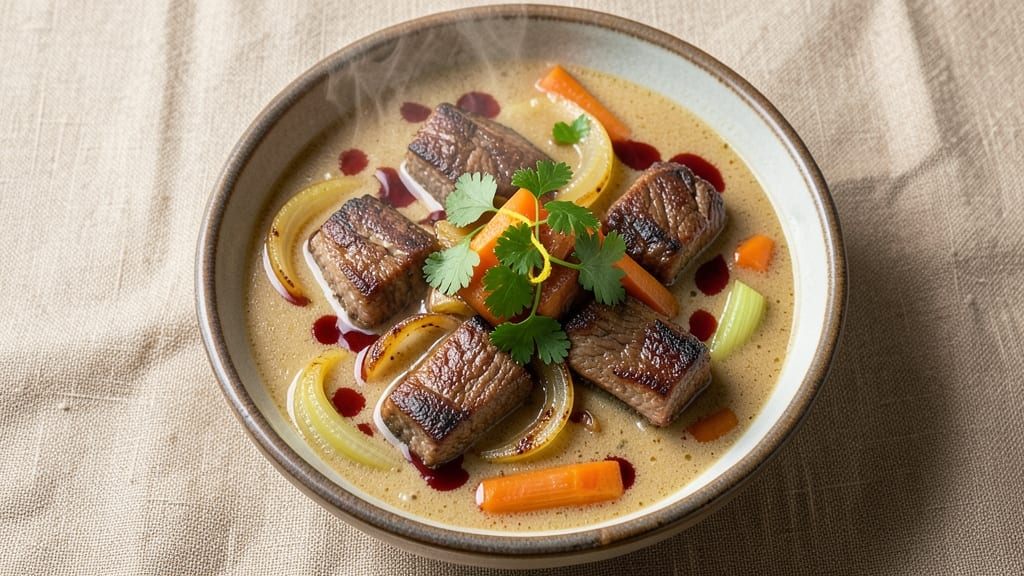
This short rib soup recipe delivers restaurant-quality depth with tender, fall-apart meat and a rich, umami-packed broth that tastes like a hug in a bowl. The secret lies in slow-cooking beef short ribs until they practically melt, while caramelized vegetables and aromatic herbs build layers of flavor that develop over hours. I perfected this version after years of testing—each bite delivers that perfect balance of savory, smoky, and slightly sweet notes that define great beef soup.
The process begins with searing the short ribs to render fat and create a flavorful crust, then simmering them low and slow until the meat becomes so tender it falls apart at the touch.
Aromatics like onions, carrots, and celery form the base, while red wine and beef broth deepen the complexity. The result is a soup where every spoonful delivers both hearty texture and velvety broth—no watery disappointments here.
What sets this apart is the technique: browning the ribs first locks in flavor, while slow cooking transforms tough cuts into melt-in-your-mouth perfection. The broth reduces to a perfect consistency, rich enough to coat each bite while remaining light enough to sip.
This isn't just soup; it's a comforting, deeply satisfying meal that belongs at the center of your table.
Serve with crusty bread to soak up every last drop of that flavorful broth, or pair with a simple green salad for balance. The leftovers? Even better the next day as the flavors meld further. Let's get cooking—this is the kind of soup that makes weeknights feel special.
Ingredients for short rib soup
Six hearty ingredients build this restaurant-style soup with melt-in-your-mouth short ribs and rich, umami broth.
| Ingredient | Amount | Notes |
|---|---|---|
| Beef Short Ribs 🥩 | 3 lb | Bone-in, cut into 2-inch pieces |
| Yellow Onions 🧅 | 2 whole | Chopped into 1-inch pieces |
| Carrots 🥕 | 4 medium | Peeled and cut into 1-inch chunks |
| Celery Stalks 🧄 | 4 whole | Chopped into 1-inch pieces |
| Garlic Cloves 🧄 | 6 cloves | Peeled and smashed |
| Red Wine 🍷 | 1 cup | Dry, like Cabernet Sauvignon |
| Beef Broth 💧 | 6 cups | Homemade or high-quality store-bought |
| Tomato Paste 🍅 | 2 tbsp | Smooth, not chunky |
| Fresh Thyme 🌿 | ½ ounce | Or 2 tbsp dried thyme |
| Fresh Rosemary 🌿 | ¼ ounce | Or 1 tbsp dried rosemary |
| Bay Leaves 🍃 | 2 whole | Dried, removed before serving |
| Olive Oil 🫒 | ¼ cup | Extra-virgin for richness |
| Salt 🧂 | 1 ½ tsp | Kosher or sea salt |
| Black Peppercorns 🌶️ | 1 tsp | Freshly cracked |
| All-Purpose Flour 🌾 | 2 tbsp | For thickening if needed |
The short ribs are non-negotiable here—bone-in with good marbling is key. Costco or your butcher's counter are the best spots. Look for thick-cut ribs (2-inch pieces) for that fall-apart texture. If you're buying a whole packer, ask to have it cut for you. The onions, carrots, and celery (that classic mirepoix) should be fresh and firm—no rubbery veggies here. I grab mine from the produce section at Whole Foods when I can, but the regular grocery store stuff works fine if it's crisp. The garlic? Fresh is non-negotiable—jarred minced has a weird aftertaste that ruins everything.
No red wine? Dry sherry or beef broth with a splash of balsamic works in a pinch. Fresh thyme and rosemary? Dried works at half the amount, but trust me on the fresh stuff—it makes all the difference. The tomato paste can be from a tube (those little squeeze bottles at Trader Joe's are perfect), but skip the watery canned stuff. For the broth, homemade is ideal, but Swanson or Kitchen Basics are solid store-bought options. The flour is just for thickening if needed—all-purpose works, but if you've got arrowroot powder, that's even better for a clearer broth.
This soup gets better with time—day-old is even richer as the flavors meld. Store in the fridge for up to 5 days or freeze for 3 months. I always make a double batch because the leftovers are even better. For freezing, portion into airtight containers with a little extra broth on top to prevent freezer burn. Reheat gently on the stove—never microwave if you want to preserve that velvety texture. Serve with crusty bread to soak up every last drop of that umami-packed goodness.
Why You'll Love This Recipe
- Minimal Chopping Needed: I swear by this trick—just rough-chop the carrots and celery (no fancy dicing) and toss them in whole. The onions caramelize right in the pot, so you’re basically done before the ribs even start to brown. Honestly, my knife stays cleaner than my kitchen counter.
- Deep Umami Magic: That first sip? Pure reward. The short ribs melt into the broth, leaving behind a sauce so rich it clings to every spoonful, while the garlic and onions build layers of warmth. Between us, this isn’t just soup—it’s a flavor bomb that makes store-bought broth taste like sad tea.
- Leftovers That Feel Fresh: Make a double batch and freeze half. When you pull it from the freezer, reheat it with a splash of water—no weird texture, no sad soup. My freezer’s stocked with this because it tastes better the next day, like a cozy hug in a bowl.
- Budget-Friendly Luxury: Short ribs are the star, but they stretch farther than you’d think. Pair this with crusty bread or a simple side salad, and suddenly you’ve got a restaurant-worthy meal without the restaurant price tag. I’ll be real: this is how I feed my family well without breaking the bank.
Step-by-step instructions for short rib soup
Let's build this rich, umami-packed soup where tender meat falls apart in every spoonful.
Sear the Short Ribs for Maximum Flavor
Heat the 0.25 cup olive oil in a large Dutch oven over medium-high heat until shimmering. Working in batches, add the 3 lb beef short ribs and sear for 3-4 minutes per side until deeply browned. This isn't just about cooking—it's about creating a flavor foundation through the Maillard reaction.
Once browned, transfer the ribs to a plate. You'll notice the oil will look darker and more concentrated—this is where all that meaty goodness is dissolving. Don't be tempted to clean the pot yet; those browned bits are essential for the soup's depth of flavor. I like to press down gently on the ribs during searing to prevent curling, which ensures even browning.
Build the Aromatic Base
In the same Dutch oven, add the 2 whole chopped yellow onions, 4 chopped carrots, and 4 chopped celery stalks. Cook for 5-6 minutes, stirring occasionally, until the vegetables begin to soften and the onions turn translucent. This is where the soup starts to develop its complex flavor profile.
Add the 6 smashed garlic cloves, 2 tbsp tomato paste, 0.5 ounce fresh thyme, 0.25 ounce fresh rosemary, 2 whole bay leaves, 1.5 tsp salt, and 1 tsp black peppercorns. Stir everything together and cook for another 2 minutes until fragrant. You'll smell that beautiful combination of garlic, herbs, and tomato—this is the aromatic base that will infuse the entire soup.
Deglaze and Simmer the Ribs
Pour in the 1 cup red wine and scrape up all those browned bits from the bottom of the pot with a wooden spoon. This deglazing step is crucial—it captures all the flavor that would otherwise stick to the pot. Let the wine simmer for 3-4 minutes until it reduces by about half and the alcohol cooks off.
Return the seared short ribs to the pot and add the 6 cups beef broth. Bring everything to a gentle boil, then reduce the heat to low. The liquid should just barely bubble at the edges. Cover the pot and let it simmer for 2.5 hours. You'll know it's ready when the ribs are fork-tender and pull away from the bone with minimal resistance. If the soup reduces too much before the ribs are done, add a little water to maintain the liquid level.
Finish and Thicken the Soup
Once the ribs are tender, remove them from the pot and set them aside. Strain the soup through a fine-mesh sieve into a clean pot, pressing on the vegetables to extract all their flavor. Discard the solids. Return the strained soup to the heat and stir in the 2 tbsp all-purpose flour to thicken slightly if desired. This step ensures a silky texture without making the soup too heavy.
Return the short ribs to the pot and let everything heat through for 5 minutes. Taste and adjust seasoning with additional salt or pepper if needed. The soup should have a rich, meaty depth with bright herbal notes from the thyme and rosemary. Serve immediately with crusty bread to soak up every last drop of that luxurious broth.
Pro Tips For Making Short Rib Soup
- SEAR THE RIBS FIRST: I learned this the hard way—skipping the sear means flavorless soup. Get your pot screaming hot, pat the ribs very dry, and walk away for 3-4 minutes until they’re deep brown, not just pink. That crust is what turns your soup from "meh" to "wow."
- CUT ONIONS IN HALVES: Whole onions? Nope. Halve them lengthwise first, then slice thinly—this keeps them from turning to mush while still releasing flavor. (Yes, even if you’re impatient like me, resist the urge to dice them small.)
- STRAIN THE SOUP TWICE: After simmering, strain through a colander first to catch big bits, then a fine-mesh sieve for a silky texture. I used to skip this, and the broth always tasted like it had rocks in it—now it’s smooth every time.
- USE PARMESAN RIND: Toss a few Parmesan rinds into the pot with the ribs during the last hour of cooking. It adds depth without extra effort—just fish them out before serving. (Your future self will thank you.)
Pro cooking tips for great short rib soup
Sear Like a Pro
For perfectly browned short ribs, work in batches over medium-high heat—never crowd the pan. I use a 12-inch cast iron skillet from Lodge because it retains heat beautifully.
Press down gently with tongs to prevent curling, which ensures even browning. The goal is a deep mahogany crust that locks in flavor through the Maillard reaction. 🔥
Deglaze with Precision
After searing, immediately pour in the 1 cup red wine and scrape up every browned bit with a wooden spoon—this is where 30% of your soup's flavor hides. Let it reduce by half before adding broth.
I like to use a dry Cabernet Sauvignon because its tannins complement the beef beautifully. If you're short on wine, a mix of ½ cup beef broth + ½ cup balsamic vinegar works in a pinch.
Low-and-Slow Mastery
Simmering at low heat (just a gentle bubble) for 2.5 hours transforms tough short ribs into melt-in-your-mouth perfection. I set my stove to 180°F using a thermometer to maintain consistency.
If the soup reduces too quickly, add ¼ cup hot water—never cold—to preserve the delicate flavors. Patience here makes all the difference.
Straining Secrets
Press the cooked vegetables through a fine-mesh sieve to extract every last drop of flavor, but don't strain the ribs—they're the star! For an extra-smooth broth, I use a nut milk bag lined with cheesecloth.
This removes all solids while keeping the rich, meaty essence. The result? A velvety texture that coats your spoon like silk.
Thickening Tricks
If your soup needs body, whisk in the 2 tbsp all-purpose flour with a splash of cold water to create a slurry. Heat the broth gently while stirring constantly to avoid lumps.
For a gluten-free option, use 2 tbsp cornstarch instead. I like to finish with a sprinkle of fresh thyme and a crack of black pepper right before serving to brighten the flavors.
Leftovers Love
This soup tastes even better the next day as flavors meld. Store in an airtight container in the fridge for up to 5 days or freeze for 3 months.
To reheat, warm over low heat on the stove—never microwave—adding a splash of water if needed. The broth will thicken further, intensifying that umami richness. 💛
Nutrition facts
Frequently asked questions
Why do I need to sear the short ribs before simmering?
The searing step creates a deep, flavorful crust through the Maillard reaction, which locks in juices and builds complex meaty notes. Skipping this would leave your soup tasting flat and watery. The browned bits that form are called "fond"—they dissolve into the broth during deglazing, adding 30% of the soup's depth of flavor.
Can I use bone-in or boneless short ribs for this recipe?
This recipe is designed for bone-in short ribs—they add incredible flavor to the broth as they simmer. If you must use boneless, reduce the cooking time to 1.5 hours since they'll cook faster. The meat will be slightly less tender but still delicious. For maximum richness, always choose ribs with good marbling.
What can I do if my soup is too thin after cooking?
Stir in a slurry of 2 tbsp all-purpose flour mixed with 2 tbsp cold water and simmer for 5 minutes to thicken. For gluten-free, use 2 tbsp cornstarch instead. If the soup still seems too thin, reduce it uncovered on medium-low heat for 10-15 minutes, stirring occasionally. The broth should reduce to a velvety consistency that coats the back of a spoon.
How do I know when the short ribs are fully cooked?
They're done when they're fork-tender and pull away from the bone with minimal resistance (2.5 hours of simmering). Insert a fork into the thickest part—if it slides in easily and the meat separates cleanly, it's perfect. Overcooking can turn them tough, so check at 2 hours if you're unsure. The broth should also be rich and flavorful, not watery.
Can I make this soup in a slow cooker instead of a Dutch oven?
Yes! Sear the ribs first in a skillet, then transfer everything to a 6-quart slow cooker with the broth. Cook on low for 8 hours or high for 5 hours. The ribs will be even more tender, but the broth may be thinner. Reduce it on the stove afterward if needed. This method is perfect for hands-off cooking, though the flavor develops differently than stovetop simmering.