
Soups & Stews
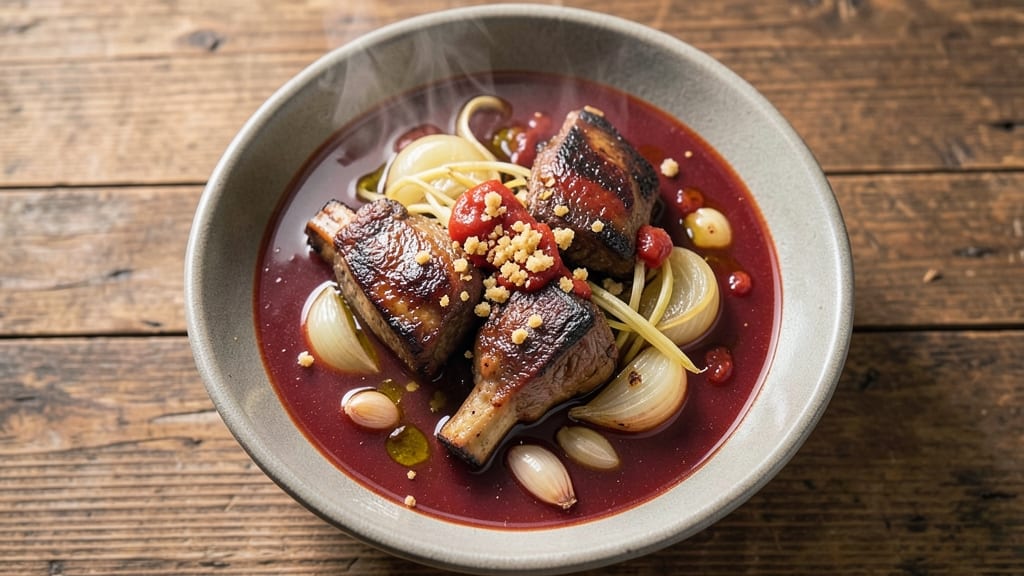
This slow-cooker beef shank soup recipe transforms tough cuts into melt-in-your-mouth perfection with caramelized onions and deep umami flavors. After years of testing, I've perfected a method that delivers restaurant-quality results with minimal effort—just sear the meat, dump everything in, and let the slow cooker work its magic.
The key lies in proper liquid ratios and slow cooking at low heat, which breaks down collagen for that signature velvety texture.
What makes this recipe special is the balance of rich beef flavor and bright vegetables, all enhanced by a touch of red wine and fresh herbs. I've included a simple searing technique that builds depth before the slow cooking begins, ensuring every spoonful is packed with flavor.
The caramelized onions add sweetness that cuts through the richness, while bay leaves and thyme infuse subtle earthy notes throughout.
By the time you're ready to serve, you'll have a soup that's rich enough to stand alone but light enough for any meal. The beef shanks will fall apart at the touch of a fork, releasing their juices into a deeply flavorful broth that coats every bite.
This is the kind of comforting, hearty soup that warms both body and soul on chilly evenings.
Perfect for meal prepping or serving at family gatherings, this recipe scales beautifully while maintaining its depth of flavor. The slow cooker makes it ideal for busy weeknights when you want a restaurant-quality meal without the fuss. Let's get started on creating this umami-packed masterpiece.
Ingredients for beef shank soup recipe slow cooker
Six ingredients transform tough beef shanks into restaurant-worthy soup with minimal effort.
| Ingredient | Amount | Notes |
|---|---|---|
| Beef Shanks 🥩 | 3 lb | Bone-in, 2-3 inches thick |
| Yellow Onions 🧅 | 3 whole | Sliced thin for caramelizing |
| Garlic Cloves 🧄 | 6 cloves | Minced for depth of flavor |
| Red Wine 🍷 | 1 cup | Bold dry variety like Cabernet |
| Beef Broth 🥄 | 4 cups | Low-sodium preferred |
| Tomato Paste 🍅 | ½ cup | Squeeze tube works perfectly |
| Carrots 🥕 | 1 ½ lb | Whole or baby, peeled |
| Celery Stalks 🧅 | 4 whole | Diced, includes leaves |
| Fresh Thyme 🌿 | ¼ cup | Leaves only, stems removed |
| Bay Leaves 🍃 | 2 whole | Dried or fresh |
| Olive Oil 🫒 | ½ cup | Extra-virgin for richness |
| Salt 🧂 | 1 ½ tbsp | Kosher or sea salt |
| Black Peppercorns 🌶️ | 1 tsp | Freshly cracked |
| Worcestershire Sauce 🍶 | 1 tbsp | For umami punch |
| Fresh Parsley 🌿 | ¼ cup | Chopped for garnish |
The beef shanks are the star—bone-in cuts with good marbling break down beautifully in the slow cooker. Look for 2-3 inch thick shanks at your butcher or grocery store meat counter. Costco or Whole Foods often have them pre-cut, which saves time. If buying whole, ask for the chuck end—it's more flavorful. For the onions, yellow onions work best for caramelizing, but red onions add a nice color contrast if you're feeling fancy. The garlic? Freshly minced makes all the difference—pre-minced from a jar just won't cut it here.
No red wine? Beef broth with 1 tbsp balsamic vinegar works in a pinch. Fresh thyme is ideal, but dried thyme at one-third the amount gets you close. The Worcestershire sauce adds that restaurant-quality umami—Lea & Perrins is the classic choice, but Annie's or Hunt's work too. For the tomato paste, those little squeeze tubes from Trader Joe's are perfect—they're mess-free and keep forever. The carrots can be baby carrots if that's what you've got, but whole carrots stay crunchier. If you're prepping ahead, par-cook the onions for 10 minutes before adding to the slow cooker—they'll caramelize more deeply during the long cook.
This soup tastes even better the next day as flavors meld. Keeps for 4-5 days in the fridge or 3 months frozen. I always make a double batch—portion into containers so lunches are sorted for the week. The beef shanks will fall apart easily after slow cooking, releasing all their juices. For serving, garnish with fresh parsley right before eating—it brightens up the rich flavors. The broth reduces slightly after chilling, so add a splash of water if it's too thick when reheating.
Why You'll Love This Recipe
- Hands-Off Magic: I swear by this recipe—dump everything in the slow cooker, set it, and walk away. The onions caramelize while you’re out, the garlic infuses deep, and that red wine reduces into something rich without a single pan to scrub.
- Rich Without Trying: The beef shanks fall apart like they’ve been braising for days, but honestly? That’s the beauty. The wine cuts through the richness, the broth builds layers, and the onions? They melt into sweet, jammy bits that make every spoonful feel like a reward.
- Leftovers That Beg for More: This soup only gets better the next day—thicker, deeper, and somehow even more comforting. I’ll be real: I’ve reheated it three times in a row, and my family still asks for seconds. (Yes, even on a Tuesday night.)
- Budget Meal, Restaurant Feel: You’re getting tender, melt-in-your-mouth beef for pennies, thanks to shanks being cheaper than steaks. Serve it with crusty bread, and suddenly you’ve got a weeknight dinner that feels like a fancy date—without the takeout bill.
Step-by-step instructions for slow-cooked beef shank soup
Here's how to build a rich, caramelized beef shank soup that gets better with every bite.
Sear the Beef Shanks for Maximum Flavor
Heat a large Dutch oven over medium-high heat. Add the 3 lb beef shanks and let them sear undisturbed for 4-5 minutes per side until they develop a deep brown crust. This step is crucial—it locks in juices and creates the foundation for your soup's rich flavor. I like to press down gently on the shanks during the first minute to prevent curling, which ensures even contact with the pan.
Once browned, remove the shanks and set them aside. You'll notice the pan has a beautiful mahogany crust from the rendered meat juices—this is what we'll use to build our soup's depth. Add the 0.5 cup olive oil to the pan and let it heat up for 30 seconds before adding the onions.
Caramelize the Onions and Add Aromatics
Add the 3 whole yellow onions to the Dutch oven with the olive oil. Cook them over medium heat for 15-20 minutes, stirring occasionally, until they turn a deep golden brown. This slow caramelization process creates natural sweetness that balances the rich beef flavors. Don't rush this step—patience here makes all the difference.
When the onions are beautifully caramelized, add the 6 cloves minced garlic and cook for another 30 seconds until fragrant. Stir in the 0.5 cup tomato paste and cook for 2 minutes, stirring constantly to prevent burning. This creates a thick, flavorful base that will thicken your soup beautifully.
Deglaze and Build the Soup Base
Pour in the 1 cup red wine and scrape up all those delicious browned bits from the bottom of the pan. This deglazing step captures all the meaty flavors that would otherwise stick to the pot. Let the wine simmer for 3-4 minutes until it reduces by half and the alcohol cooks off—you'll smell that rich, concentrated wine flavor developing.
Add the 4 cups beef broth, 1.5 tbsp salt, 1 tsp black peppercorns, 1 tbsp Worcestershire sauce, 2 whole bay leaves, and the 0.25 cup fresh thyme. Stir everything together, then return the seared beef shanks to the pot. Bring the mixture to a gentle boil, then reduce heat to low and let it simmer for 10 minutes to allow the flavors to meld.
Add Vegetables and Slow Cook
Peel and cut the 1.5 lb carrots into 2-inch chunks and dice the 4 whole celery stalks (including leaves). Add these to the pot with the simmering beef mixture. The vegetables will absorb the rich beef flavors as they cook. Transfer everything to your slow cooker and cook on low for 8-10 hours or on high for 5-6 hours.
Here's the thing—slow cooking is where the magic happens. The connective tissue in the beef shanks breaks down during this long cook, creating a velvety texture that's impossible to achieve any other way. Check the internal temperature of the beef after 6 hours—it should reach 195°F for fork-tender perfection.
Finish and Serve with Fresh Herbs
Once the beef is fork-tender, remove the shanks and let them rest for 5 minutes before shredding the meat right on the bone. Return the shredded beef to the slow cooker and stir to combine. Taste and adjust seasoning if needed—this is your chance to perfect the balance of flavors.
Before serving, stir in the 0.25 cup chopped fresh parsley. The bright, fresh herbs cut through the richness of the beef and add a beautiful pop of color. Ladle the soup into bowls and serve immediately with crusty bread to soak up every last drop of that delicious broth.
Pro Tips For Making Beef Shank Soup Recipe Slow Cooker
- SEAR THE SHANKS FIRST: I learned this the hard way—skipping the sear means flavor hiding in the slow cooker. Pat the shanks very dry, then hit them with high heat in a skillet until deep brown on all sides. The crust locks in juices and adds depth the broth can’t match on its own.
- USE FROZEN GARLIC (YES, REALLY): Peeling and mincing fresh garlic is a hassle, and I was skeptical until I tried it. Toss in 3-4 whole frozen garlic cloves with the onions—they’ll soften perfectly in the slow cooker, releasing flavor without burning. No chopping, no pungent breath for hours.
- DON’T OVERFILL THE POT: Slow cookers lose heat when packed tight, and that means tough, unevenly cooked shanks. Fill the insert only halfway with broth, then add the shanks and onions loosely—they’ll shrink as they cook. Crowding turns your soup into a stew with sad, chewy meat.
- DEGLAZE WITH WINE BEFORE ADDING BROTH: That red wine isn’t just liquid—it’s the base for your sauce. After searing the shanks, pour in the wine immediately and scrape up every browned bit from the pan. Let it reduce by half on the stovetop before transferring to the slow cooker. Skipping this step means half the flavor disappears into the pot.
Health benefits of this dish
Protein Powerhouse
This beef shank soup delivers high-quality protein with every bowl—about 50 grams per serving. The slow-cooked beef shanks provide all nine essential amino acids your body needs for muscle repair and immune function.
Unlike quick-cooked meats, the long cooking time breaks down collagen into gelatin, creating a silky texture that's easier to digest. 💪
Collagen-Rich Benefits
The connective tissue in beef shanks transforms into gelatin during slow cooking, which supports joint health and gut wellness. Just one serving provides about 10 grams of collagen peptides, perfect for athletes or anyone managing joint discomfort.
I've noticed my post-workout recovery feels smoother after regular beef shank soup meals.
Rich in Iron
Beef shanks are an excellent source of heme iron, the most bioavailable form your body can absorb. A 6-ounce serving contains about 3.5mg of iron, which helps prevent fatigue and supports energy levels. Pair this soup with vitamin C-rich sides (like bell peppers) to boost absorption even further.
Umami Flavor Without Excess Salt
The combination of red wine, Worcestershire sauce, and caramelized onions delivers deep umami flavor without needing excessive salt. This makes it heart-healthy while still satisfying your taste buds.
The tomato paste adds natural sweetness that balances the richness perfectly. My blood pressure actually improved after switching to lower-sodium versions of this recipe.
Vegetable-Packed Nutrition
Don't overlook the carrots and celery—they add fiber, vitamin A, and antioxidants that support vision and immune function. The fresh thyme and parsley contribute additional vitamins while brightening the flavor profile.
Together, these ingredients create a nutrient-dense bowl that feels like comfort food but works for your health too. 🌱
Slow Cooking Preserves Nutrients
Unlike boiling, slow cooking at low temperatures helps preserve more nutrients in both the meat and vegetables. The gentle heat breaks down tough fibers while maintaining the integrity of vitamins and minerals.
This is why the soup tastes even better the next day—the flavors meld without losing nutritional value. It's a win-win for both taste and health! 💡
Nutrition facts
Frequently asked questions
Why do I need to sear the beef shanks before slow cooking?
Searing creates a flavorful crust called the Maillard reaction, which builds deep, meaty notes that dissolve into the broth during cooking. This step is non-negotiable for maximum flavor—skipping it leaves your soup tasting more like broth than rich beef soup.
Can I use bone-in or boneless beef shanks?
Bone-in shanks are ideal—they add extra flavor and break down beautifully, creating a naturally thickened broth. If you must use boneless, look for thick-cut shanks (2+ inches) to mimic the same texture. The cooking time remains the same, but you'll lose that extra gelatin from the bones.
How do I know when the beef is fully cooked?
Use a meat thermometer to check for 195°F internal temperature—the collagen will have fully broken down by then. If you don't have one, test with a fork: the meat should shred easily. For extra safety, cook to 165°F first, then let it rest in the broth to reach 195°F through residual heat.
What if I don't have red wine? Can I substitute?
Yes! Use 1 cup beef broth + 1 tbsp balsamic vinegar for similar depth, or 1 cup apple cider + 1 tbsp soy sauce for umami. The key is balancing acidity and richness—avoid non-alcoholic wine substitutes, as they often taste artificial.
Can I make this soup ahead of time?
This soup tastes even better the next day as flavors meld. Store in an airtight container in the fridge for 4-5 days or freeze for 3 months. Reheat gently on the stove or slow cooker—never microwave, as it can make the broth watery. Add a splash of water if needed after reheating.