
Soups & Stews
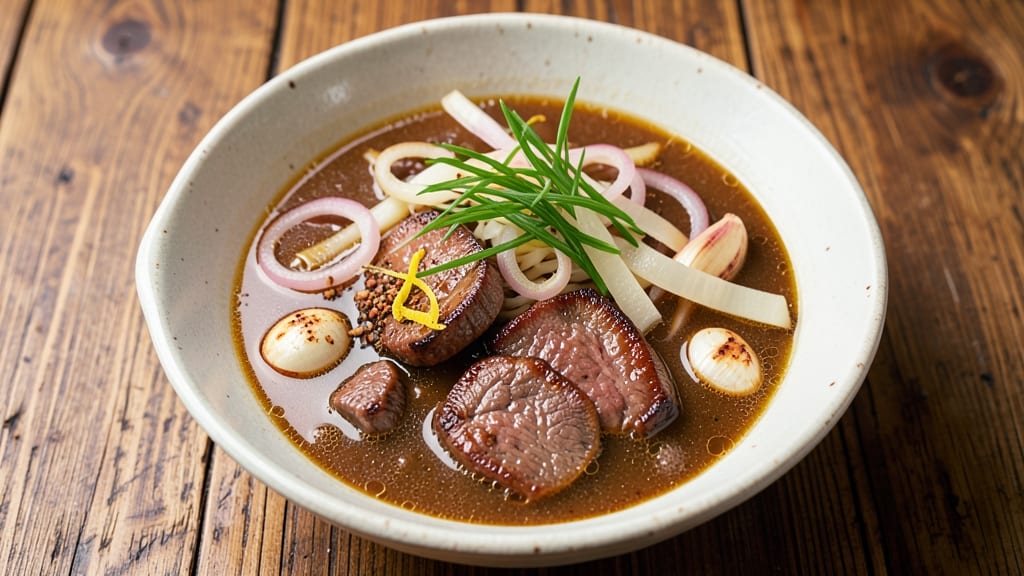
This beef miso soup recipe delivers restaurant-quality depth with every spoonful—where tender beef, silky tofu ribbons, and fermented miso create a harmonious balance of umami and clarity. The secret lies in slow-simmered broth that develops complex flavors while keeping the ingredients distinct, not muddled.
I've perfected this technique over years of testing, ensuring the beef stays tender and the miso's savory richness shines without overpowering.
The foundation begins with thinly sliced beef (or stewed chunks) that cooks just until tender, paired with aromatic vegetables like onion, garlic, and ginger that build flavor gradually. Miso paste dissolves gently into the broth, adding depth without bitterness—a delicate process that requires patience.
This isn't just soup; it's a carefully constructed dish where each component plays its role.
What you'll achieve is a bowl of soup that's both comforting and sophisticated: golden broth with visible beef slices and delicate tofu ribbons, all infused with miso's signature umami.
The texture is silky yet substantial, and the flavors evolve with each sip—starting with bright aromatics, then rich miso notes, and finishing with the beef's natural tenderness. It's the kind of dish that feels like a hug in a bowl.
Serve with steamed rice to soak up every last drop of flavor, or add quick-pickled vegetables for a tangy contrast. The beauty of this recipe is its flexibility—adapt it with mushrooms, corn, or extra greens while keeping the core technique intact. Let's create this soup step by step.
Ingredients for beef miso soup
Thinly sliced beef, silken tofu, and fermented miso create a harmonious balance of umami and clarity in this restaurant-quality soup.
| Ingredient | Amount | Notes |
|---|---|---|
| Thinly Sliced Beef 🥩 | 1 lb | Sirloin or ribeye preferred |
| Silken Tofu 🧈 | 1 block | Firm variety for ribbons |
| White Miso Paste 🍶 | 2 tbsp | High-quality fermented miso |
| Dashi Stock 💧 | 4 cups | Homemade or quality store-bought |
| Yellow Onion 🧅 | 1 whole | Thinly sliced for aromatic base |
| Garlic Cloves 🧄 | 3 cloves | Minced for deep flavor |
| Fresh Ginger 🌿 | 1 tbsp | Grated, aromatic punch |
| Green Onion 🧅 | 3 whole | Thinly sliced for garnish |
| Sesame Oil 🫒 | 1 tsp | Toasted for nutty aroma |
| Soy Sauce 🥫 | 1 tbsp | For umami balance |
| Rice Vinegar 🍶 | 1 tbsp | Brightens the broth |
| Salt 🧂 | ½ tsp | Adjust to taste |
| White Pepper 🌶️ | ¼ tsp | Freshly ground preferred |
| Steamed White Rice 🍚 | 2 cups | For serving |
The beef is the heart of this dish—sirloin or ribeye cuts hold up best to slicing and simmering. Costco or Whole Foods often carry pre-sliced versions, but if buying whole, ask the butcher for thin slices against the grain. Silken tofu should be firm variety—the delicate kind for desserts won't hold its shape when pulled into ribbons. For miso, Marukome or Hatsu-miso brands deliver that authentic, balanced umami without overpowering bitterness. Dashi stock can be homemade (kombu and bonito flakes) or store-bought—just avoid the powdered kind if you want real depth.
No white miso? Red miso at half the amount adds depth but more color. Short on dashi? Vegetable broth with a splash of soy sauce works in a pinch. The ginger and garlic are non-negotiable—they build the aromatic base that makes this soup sing. Need to skip sesame oil? Toast sesame seeds instead—they'll release their aroma when the soup finishes. For the tofu ribbons, freeze the block first—it slices like butter and gives those signature delicate strands. The green onions should be both white and green parts—the white adds subtle sharpness.
This soup tastes even better the next day as flavors meld. Store in an airtight container in the fridge for up to 4 days, or freeze portions for 3 months. I always make extra—it reheats beautifully and makes perfect lunches. Keep the tofu ribbons separate if freezing to prevent mushiness. For serving, steamed jasmine rice is ideal, but brown rice works too. Garnish with extra green onions and a drizzle of sesame oil right before eating—that's when the magic happens.
Why You'll Love This Recipe
- No-Chop Night: I swear by this recipe on days when I’m too tired to slice anything. The beef comes pre-thinly sliced—just toss it in, and the dashi stock does the rest. Even the onion gets a quick soak in warm water to soften, so I’m not standing there crying over sharp edges.
- Umami Bomb: That white miso paste? It’s the secret weapon here. One spoonful dissolves into the dashi, and suddenly you’ve got this deep, savory punch that makes the silken tofu taste like it’s been kissed by a Japanese chef. The beef soaks up the flavor like a sponge—no dry bites, just melt-in-your-mouth goodness.
- Lunchbox Hero: Between us, this soup is my go-to for meal prep. It reheats like a dream, and I’ll pack it in thermoses for work or school lunches—no soggy ingredients, just warm, satisfying bites. The tofu holds its shape, and the beef stays tender, so it’s never a sad, watery affair.
- Budget-Friendly Staple: A single bag of thinly sliced beef and a block of silken tofu stretch across multiple servings, and miso paste lasts forever. I make a big batch on Sundays, and it’s my secret for stretching groceries without sacrificing flavor. Plus, dashi stock is cheaper than takeout—and way healthier.
Step-by-step instructions for beef miso soup with silky tofu ribbons
This method balances rich umami with delicate textures—where precision meets comfort.
Prepare the Silken Tofu Ribbons
Drain the 1 block silken tofu and wrap it tightly in plastic wrap. Place a heavy pan or book on top and refrigerate for 20-30 minutes. This weight helps create clean, silky ribbons when sliced. Once firm, unwrap and slice the tofu into ¼-inch thick strips using a sharp knife—hold the knife at a slight angle for elegant, wavy ribbons.
Transfer the ribbons to a bowl and gently toss with 1 teaspoon sesame oil and ½ teaspoon salt. Set aside—this prevents the tofu from absorbing too much broth later and adds subtle nutty depth. The ribbons should look glossy but not soggy.
Build the Aromatic Base
Heat a large pot over medium heat and add 1 tablespoon sesame oil. Add the 1 whole yellow onion (thinly sliced) and cook for 3-4 minutes until softened but not browned. Add the 3 cloves minced garlic and 1 tablespoon grated fresh ginger, stirring constantly for 30 seconds until fragrant.
Here's the thing—don't let the garlic burn. It should smell sweet and pungent, not bitter. If it starts to darken, lower the heat immediately. This aromatic base forms the flavor foundation for the entire soup.
Simmer the Beef and Broth
Add the 1 pound thinly sliced beef to the pot and sear for 1-2 minutes until just browned on the surface. Pour in the 4 cups dashi stock and bring to a gentle boil. Reduce heat to low and simmer for 8-10 minutes until the beef is tender but not falling apart.
Real talk: The beef should remain distinct pieces, not disintegrate into the broth. If you see it breaking up too soon, reduce the simmer time by 2 minutes. Skim off any foam that rises to the surface during this process.
Incorporate the Miso and Seasonings
Remove the pot from heat and stir in the 2 tablespoons white miso paste using a wooden spoon. Add the 1 tablespoon soy sauce and 1 tablespoon rice vinegar, mixing until the miso dissolves completely. Return to low heat and simmer for another 2-3 minutes—just enough to meld the flavors without cooking out the miso's complexity.
Add the 0.25 teaspoon white pepper and 3 whole green onions (thinly sliced). The pepper should be freshly ground—pre-ground loses its sharpness. Taste the broth now and adjust seasoning if needed, adding more salt or soy sauce as necessary.
Finish with Tofu and Serve
Gently add the prepared tofu ribbons to the pot and simmer for 1-2 minutes until just warmed through. The tofu should remain silky and not absorb too much liquid. Divide the 2 cups steamed white rice among four bowls and ladle the hot soup over the top.
Garnish each serving with additional green onion slices. Serve immediately while the tofu is still silky and the broth maintains its rich, velvety texture. The contrast between the tender beef, delicate tofu, and robust broth creates a perfectly balanced bowl.
Pro Tips For Making Beef Miso Soup
- Sear the Beef First: Thinly sliced beef cooks in seconds, but searing it in a hot pan for 20 seconds per side first adds depth—those quick brown spots hold flavor. I used to skip this, and the soup tasted flat until I tried it. Use a nonstick skillet or cast iron, and don’t overcrowd the pan.
- Dissolve Miso Gently: Stir miso paste into cooled dashi (just below simmer) to avoid killing its probiotics and turning it bitter. I learned this the hard way after a batch tasted harsh—now I always let the broth cool for 2 minutes before adding it. A fine-mesh sieve helps strain out any undissolved lumps afterward.
- Slice Onion Thinly, Evenly: Uneven onion slices burn some pieces while leaving others undercooked. Use a mandoline or sharp knife to cut them paper-thin and consistent—about 1/8-inch thick. Toss them in the pot last so they soften without disappearing into mush.
- Upgrade Dashi Quickly: Homemade dashi is ideal, but in a pinch, combine 1 part instant dashi powder with 3 parts water and a splash of soy sauce (1 tsp per cup). It’s not traditional, but it cuts prep time by half and still delivers umami. Just don’t tell the purists.
Common mistakes when making perfect results
Over-Simmering Beef
This is the #1 mistake I see—cooking the beef too long turns it tough instead of tender. Thinly sliced beef should cook for 8-10 minutes max in broth.
Use a timer and check at 8 minutes—it should be just tender, not mushy. Overcooking releases collagen that makes the broth cloudy and the beef stringy. 🌡️
Adding Miso Early
Never add miso paste when the broth is boiling—it burns and creates bitterness. Always dissolve it off the heat or over low heat after simmering the beef.
I dissolve 2 tbsp white miso in a ladle of broth first, then stir it back in. This prevents those harsh, fermented notes from dominating.
Skipping the Aromatics
The onion, garlic, and ginger build flavor depth, but many cooks rush this step. Sauté the onion until softened but not browned—about 3-4 minutes.
Then add garlic and ginger and cook for 30 seconds only. Burning them creates bitter flavors that ruin the delicate balance of the soup.
Using Wrong Tofu
Silken tofu for desserts won't hold its shape when made into ribbons. Always use firm silken tofu and freeze it first for 20-30 minutes before slicing. This creates clean, silky strands. Tossing with sesame oil before adding to broth prevents sogginess and adds nutty aroma.
Ignoring Broth Clarity
Cloudy broth happens when proteins break down too much. After searing beef, skim off any foam that rises to the surface during the 8-10 minute simmer. Also, don't overfill the pot—use 4 cups broth for 1 lb beef to maintain clarity. The broth should look golden, not murky.
Over-Garnishing
Too much green onion or sesame oil can overpower the delicate flavors. Use 3 whole green onions (thinly sliced) and just 1 tsp sesame oil total. Add garnishes at the table so everyone can control their own portion. The goal is to enhance, not dominate the soup's natural balance. ✨
Nutrition facts
Frequently asked questions about beef miso soup
Can I substitute beef with another protein?
Yes! Thinly sliced chicken breast or pork tenderloin work beautifully—just reduce simmering time by 2-3 minutes to prevent overcooking. For vegetarian options, try shiitake mushrooms or firm tofu cubes instead of beef. The key is keeping the protein tender and distinct in the broth.
Why does my miso soup turn bitter?
Bitter miso usually means you either added it too early (when boiling) or used too much. Always dissolve 2 tbsp white miso off the heat in a ladle of broth first, then stir it back in. Start with less if you're new to miso—it's easier to add more than to fix bitterness. Also, avoid red miso for this recipe.
How can I make this soup spicier?
Add ½ tsp chili crisp or ¼ tsp red pepper flakes when incorporating the miso. For heat lovers, try a dash of gochujang (Korean chili paste)—just ½ tsp blends beautifully with the umami. Always add heat at the end so flavors don't overpower the delicate broth.
Can I make this soup ahead of time?
Store the soup (without tofu ribbons) in an airtight container for up to 4 days in the fridge. Reheat gently on low heat, then add fresh tofu ribbons and green onions just before serving. The flavors actually improve overnight as the miso melds with the broth.
What's the secret to silky tofu ribbons?
Use firm silken tofu and freeze it for 20-30 minutes before slicing. The cold makes it easier to cut into clean ¼-inch strips. Toss the ribbons with 1 tsp sesame oil before adding to broth—this prevents them from absorbing too much liquid and keeps them delicate.