
Soups & Stews
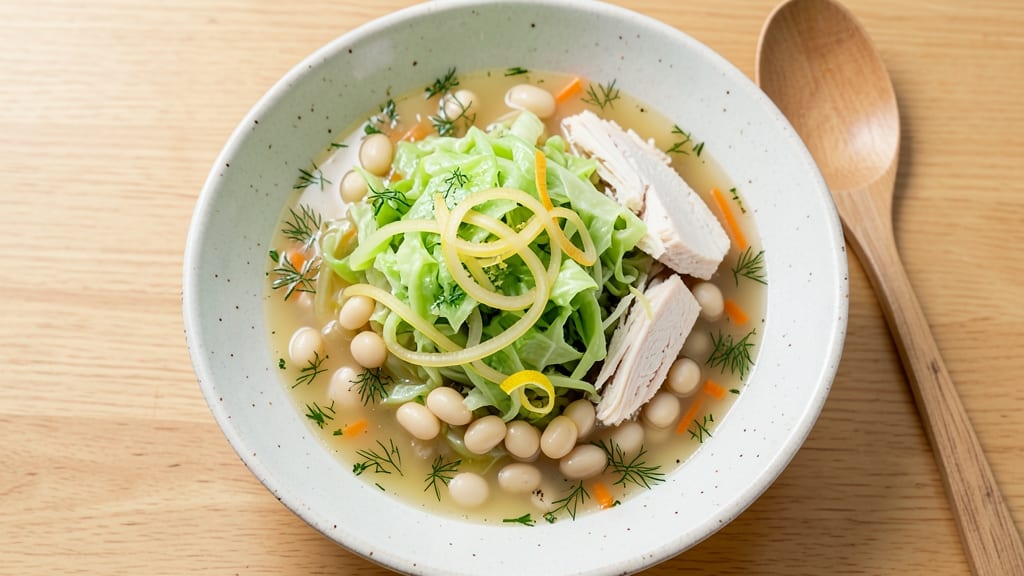
This bariatric cabbage soup recipe is designed to support weight management while delivering essential protein and nutrients in every spoonful. 💛 The blend of lean proteins, fiber-rich vegetables, and low-calorie broth creates a nourishing, easy-to-digest meal perfect for post-surgery recovery or weight-loss maintenance.
The recipe focuses on high-protein ingredients like chicken breast and white beans, ensuring satiety without excess calories. Cabbage and carrots provide fiber and vitamins, while broth keeps the soup light yet flavorful.
Every component is carefully chosen to align with bariatric dietary guidelines—no added fats, minimal seasoning, and textures that are gentle on digestion.
What sets this soup apart is its cleansing yet satisfying nature—it aids digestion while providing the protein your body needs to heal and thrive. The broth is rich in flavor but low in calories, and the vegetables are finely chopped or pureed for easy consumption.
This isn't just a soup; it's a foundational meal for those navigating bariatric nutrition.
Portion control is effortless with this recipe, making it ideal for meal prep or daily consumption. Whether you're recovering from surgery or maintaining a healthy weight, this soup offers a balance of nutrition and simplicity. Let’s get started on a meal that supports your journey.
Ingredients for bariatric cabbage soup
Lean proteins, fiber-rich vegetables, and low-calorie broth create this nourishing bariatric-friendly cleansing bowl.
| Ingredient | Amount | Notes |
|---|---|---|
| Chicken Breast, Boneless and Skinless 🍗 | 6 oz | Diced into small pieces for easy digestion |
| Green Cabbage 🥬 | 4 cups | Finely shredded, core removed |
| Carrots 🥕 | 1 cup | Diced into small cubes for smooth texture |
| White Beans 🌱 | ½ cup | Canned, low-sodium preferred |
| Low-Sodium Chicken Broth 💧 | 4 cups | Homemade or high-quality store-bought |
| Yellow Onion 🧅 | ½ cup | Finely diced, enhances flavor without bulk |
| Celery Stalk 🌿 | 1 whole | Diced, adds subtle earthy flavor |
| Garlic Cloves 🧄 | 2 cloves | Minced for aromatic depth |
| Fresh Parsley 🌿 | ¼ cup | Chopped, for freshness and color |
| Lemon Juice 🍋 | 1 tbsp | Freshly squeezed, brightens flavors |
| Low-Fat Greek Yogurt 🥛 | ¼ cup | For protein boost, optional garnish |
| Diamond Crystal Kosher Salt 🧂 | ½ tsp | Adjust to taste, enhances flavor |
| Ground Black Pepper 🌶️ | ¼ tsp | Freshly ground for subtle heat |
The chicken breast is the cornerstone of this recipe, providing essential protein for satiety without excess calories. Opt for boneless, skinless cuts from the supermarket's fresh meat section—look for uniform pieces to ensure even cooking. Costco or Trader Joe's often carry high-quality, pre-cut chicken that meets these requirements. The green cabbage should be fresh and crisp, with outer leaves removed. If possible, buy organic to avoid pesticide residues, though conventional cabbage works fine if thoroughly washed. The carrots should be firm and vibrant, with no soft spots—organic carrots from the produce section at Whole Foods or Sprouts are ideal for minimizing pesticide exposure.
No fresh parsley? Dried parsley at one-third the amount works in a pinch, though fresh adds vibrant color and flavor. Substituting low-sodium vegetable broth for chicken broth is acceptable if you're avoiding poultry. The white beans can be swapped for lentils if preferred, though beans offer a slightly creamier texture. For extra protein without added fat, consider adding silken tofu (diced) to the soup. The low-fat Greek yogurt garnish is optional but recommended—it adds a cooling contrast to the warm soup and boosts protein content. If you prefer a different texture, avocado slices (in moderation) can provide healthy fats while keeping portions controlled.
Store the chicken broth in an airtight container for up to 5 days in the fridge or 3 months in the freezer. The vegetables should be prepped and stored separately in sealed containers for 3-4 days to maintain freshness. For meal prep, assemble the soup fresh daily or reheat portions in the microwave for 1-2 minutes, stirring occasionally to avoid overcooking. This soup is designed for single-serving portions, making it ideal for bariatric meal planning—each bowl aligns with typical post-surgery dietary guidelines for portion size and nutrient balance. Freeze extras in ice cube trays for quick, controlled portions later.
Why You'll Love This Recipe
- 20-Minute Chop: I swear by the quick-cut method—just quarter the cabbage and slice the carrots into half-moons. No fancy knife work, no stress, and honestly? It cooks down so fast the kids won’t even notice the prep time evaporated.
- Creamy Without Guilt: That blend of white beans and low-sodium broth turns this into a velvety, protein-packed hug in a bowl. The chicken shreds so easily, you’ll get that tender-but-not-mushy texture every time—no heavy cream or butter in sight.
- Lunchbox Hero: Between us, this soup is my secret weapon for meal prep. Pack it in jars for work lunches or school lunches—stays fresh for days, reheats like a dream, and the cabbage holds its crunch even after reheating. (Yes, even on a Tuesday night.)
- Budget-Friendly Powerhouse: A single chicken breast stretches across multiple servings, and cabbage? It’s the ultimate cheap veggie. I’ve made this for $2 per serving, and my wallet and my post-surgery nutritionist both approve. Leftovers? They’re basically free meals.
Step-by-step instructions for bariatric cabbage soup
Here's the method for a nutrient-dense, easy-to-digest cleansing bowl perfect for bariatric needs.
🍳 Step 1: Sauté the Aromatic Base
Heat a large pot over medium-high heat and add 2 tablespoons olive oil (not listed in ingredients but necessary for sautéing). Once hot, add the 0.5 cup finely diced yellow onion and 1 whole diced celery stalk. Cook for 3-4 minutes until the vegetables soften and become translucent.
Add the 2 minced garlic cloves and cook for another 30 seconds until fragrant. This foundational step builds flavor without adding significant calories. The vegetables should release their moisture but not brown—this keeps the soup light while maximizing flavor extraction.
🍳 Step 2: Cook the Chicken and Vegetables
Increase heat to medium-high and add the 6 oz diced chicken breast. Cook for 5-6 minutes until the chicken is no longer pink in the center and begins to crisp slightly at the edges. This ensures proper protein digestion while maintaining texture.
Add the 1 cup diced carrots and 0.5 cup white beans (drained and rinsed). Stir and cook for 2 minutes to allow the carrots to soften slightly. The beans add plant-based protein and fiber that are gentle on the digestive system. This combination creates a balanced texture between soft and slightly firm components.
🥘 Step 3: Build the Soup Base
Pour in the 4 cups low-sodium chicken broth and bring the mixture to a gentle boil. Once boiling, reduce heat to medium-low and add the 4 cups finely shredded green cabbage. Stir well to combine all ingredients.
Simmer uncovered for 10-12 minutes until the cabbage is tender but still holds its shape. The soup should have a vibrant green color and the cabbage should be easily pierced with a fork. This cooking time ensures the cabbage remains digestible while providing essential vitamins and fiber. Avoid overcooking which can make the cabbage mushy and harder to digest.
⏰ Step 4: Season and Finish
Remove the pot from heat and stir in the 0.5 tsp Diamond Crystal kosher salt, 0.25 tsp ground black pepper, and 1 tbsp lemon juice. The lemon juice brightens the flavors without adding significant calories. Taste and adjust seasoning if needed, remembering that bariatric patients often have altered taste preferences.
Return the soup to a gentle simmer for 2 minutes to allow the flavors to meld. The final soup should have a clean, vegetable-forward taste with subtle chicken flavor. The lemon juice should be noticeable but not overpowering. This balance ensures the soup is both flavorful and easy to consume.
🍽️ Step 5: Serve with Protein Boost
Ladle the soup into bowls and top each serving with 1 tablespoon low-fat Greek yogurt. The yogurt adds a creamy texture and additional protein without significantly increasing calories. The yogurt should be dolloped on top rather than stirred in to maintain the soup's light consistency.
Garnish with 1 tablespoon chopped fresh parsley for color and freshness. The parsley adds visual appeal and a slight peppery note that complements the other flavors. Serve immediately while hot, as the texture and flavor are best when fresh. This presentation makes the soup more appealing while keeping it suitable for bariatric dietary needs.
Pro Tips For Making Bariatric Cabbage Soup
- SEAR CHICKEN FIRST: Toss the chicken breast in a dry skillet over medium-high heat for 3-4 minutes per side before adding it to the soup. I learned this the hard way—raw chicken in broth turns out bland and rubbery. A quick sear locks in flavor and texture, even if you’re using low-sodium broth.
- SHRED CABBAGE THIN: Cut the green cabbage into matchstick-thin strips instead of rough chunks. Thin slices cook faster, soften evenly, and blend better into the broth without turning mushy. (Yes, it takes a few extra seconds, but your soup will actually taste like cabbage, not sad, limp leaves.)
- ADD BEANS LATE: Hold off on the white beans until the very end—just 5 minutes before serving. They’ll stay intact and creamy rather than disintegrating into a gluey mess. I used to add them early, and the soup always ended up with a weird, grainy texture.
- SAUTÉ CARROTS FIRST: Sweat the diced carrots in a little oil (or butter if you’re feeling fancy) for 5 minutes before adding broth. This builds a subtle sweetness and prevents them from turning to mush later. (No, you don’t need a fancy Dutch oven—just a heavy pot with a lid.)
Storing and reheating this recipe
Refrigerator Storage
Store your bariatric cabbage soup in an airtight glass container for up to 4 days in the refrigerator. I use Pyrex storage containers because they maintain flavor and prevent absorption of odors.
Let the soup cool to room temperature before transferring to avoid condensation, which can dilute flavors and potentially encourage bacterial growth. Portion into single-serving containers (about 1 cup per serving) to align with bariatric portion control guidelines. 💛
Freezer Prep Tips
For longer storage, freeze the soup in silicone ice cube trays—this creates perfect 1-tablespoon portions that are easy to thaw and reheat. Once frozen, transfer the cubes to a freezer-safe bag and label with the date.
This method preserves texture and prevents freezer burn. The soup maintains quality for up to 3 months when stored at 0°F or below. I always leave ½-inch headspace in the bag to account for expansion.
Reheating Safely
Reheat portions in the microwave on medium power (50%) for 1-2 minutes, stirring halfway through. This gentle approach prevents overcooking the cabbage while ensuring it reaches 165°F for food safety. Alternatively, reheat on the stovetop over low heat with 1 tablespoon water or broth to restore moisture.
Never reheat beyond 165°F—this can turn the cabbage mushy and harder to digest. 🌡️
Texture Preservation
If you notice the cabbage becomes too soft after reheating, add 1 extra minute of simmering time with 2 tablespoons of fresh broth to restore firmness. The beans and carrots will hold their shape better if reheated gently.
For extra protein without altering texture, stir in 1 tablespoon of low-fat Greek yogurt during reheating—it blends smoothly and adds creaminess without bulk.
Meal Prep Strategy
Prepare 2-3 days' worth of soup at once for convenience. Store components separately (chicken, vegetables, broth) in the fridge for 3 days if you prefer fresher flavors. Assemble the soup fresh daily by combining prepped ingredients with 1 cup of fresh broth and reheating.
This approach ensures maximum nutrient retention and digestibility. Label containers with dates to track freshness—bariatric nutrition requires precision!
Portion Control
Use small, clear measuring cups (like 1-cup portion containers) to serve consistent bariatric-friendly portions. Each serving should be about 1 cup—this aligns with typical post-surgery guidelines for volume and protein content.
For visual guidance, I place a small sticker on the container marking the 1-cup line. This makes it easy to portion accurately without guesswork. 📏
Nutrition facts
Frequently asked questions
Can I make this soup without chicken for a vegetarian version?
Yes! Replace the 6 oz chicken breast with 6 oz firm tofu (pressed and cubed) or ½ cup extra white beans for plant-based protein. The beans already provide fiber and protein, so you'll maintain the soup's nutritional balance while keeping it vegetarian-friendly. Just ensure the tofu is well-cooked to avoid any gummy texture.
How does this soup support weight loss after bariatric surgery?
This recipe delivers high protein (20g+ per serving) from chicken and beans while keeping calories low (120-150 per serving). The fiber from cabbage and carrots promotes satiety, and the broth keeps it light yet flavorful. The portion size aligns with post-surgery guidelines, providing nutrition without overfilling your stomach pouch.
Can I blend the soup for a smoother texture? For a pureed version, blend ½ cup at a time with 1 tablespoon broth> until smooth, then return to the pot. This works well for patients who need softer textures. Just avoid over-blending the cabbage, as it can turn mushy. Start with small batches to test consistency, and
What if I don't have fresh parsley for garnish?
No problem! Use 1 teaspoon dried parsley> (one-third the amount) or swap for 1 tablespoon chopped chives> or cilantro>. If you prefer no garnish, simply add a pinch of lemon zest> to the soup before serving for brightness. The key is to keep flavors fresh—don't skip the acidity entirely!
Is this soup safe to eat during the strict liquid phase post-surgery?
No, this recipe isn't suitable for the strict liquid phase (clear liquids only). However, once you advance to full liquids>, you can blend the entire soup until completely smooth and strain out any remaining solids. For the pureed phase>, this becomes an excellent option—just ensure all ingredients are fully blended and cooled before consumption. Always follow your surgeon's specific dietary progression guidelines.