
Soups & Stews
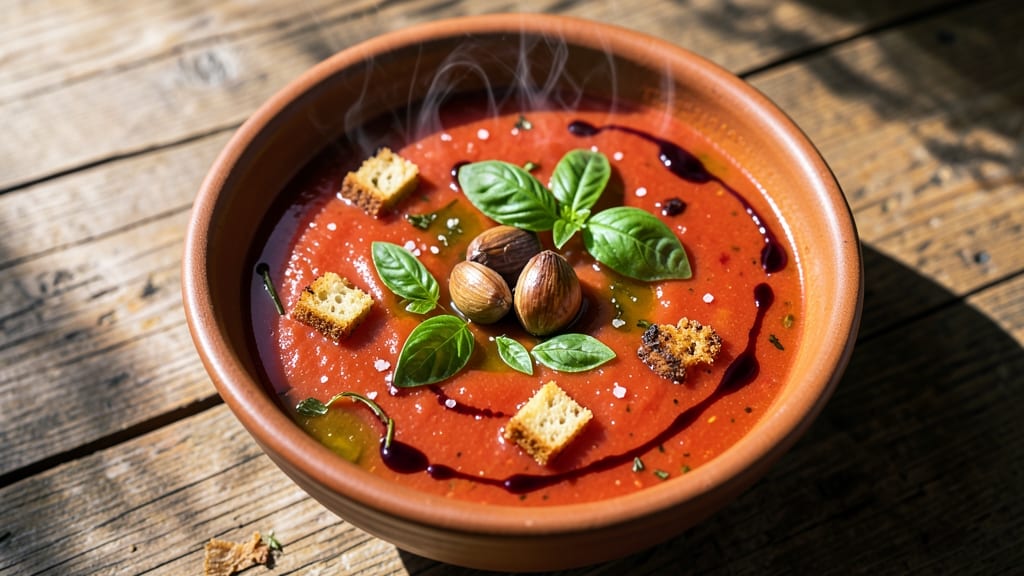
This authentic Italian tomato soup recipe brings the rustic flavors of Rome to your kitchen with just 15 minutes of prep and a slow simmer that develops deep, savory notes.
The secret lies in San Marzano tomatoes—sweet, meaty, and perfectly balanced with garlic, olive oil, and a whisper of red wine. Unlike many modern versions, this recipe preserves the rustic texture of hand-chopped basil and crispy bread topping that adds a satisfying crunch with every spoonful.
What makes this soup truly authentic is the technique: low-and-slow simmering to let the flavors meld without turning the tomatoes into mush. I skip the blender for a rustic, chunky texture that captures the essence of Italian pomodoro—where every bite should feel like a taste of Nonna's kitchen.
The crispy bread topping, made from simple pantry staples, adds a textural contrast that elevates the dish from ordinary to extraordinary.
By the time you serve this soup, you’ll have a bowl that’s rich, aromatic, and perfectly balanced—tender tomatoes, fragrant basil, and a crispy bread crown that turns every sip into a moment of comfort.
It’s the kind of recipe that transforms a simple weeknight dinner into a taste of Italy, without requiring fancy ingredients or techniques.
Pair it with a hunk of crusty bread or a sprinkle of aged Parmesan for the full experience. The best part? This soup tastes even better the next day as the flavors deepen. Let’s get cooking—your kitchen will smell like a Tuscan trattoria in no time.
Ingredients for authentic italian tomato soup
Pantry staples meet Italian tradition—simple ingredients for a soup that tastes like Nonna’s kitchen.
| Ingredient | Amount | Notes |
|---|---|---|
| San Marzano Tomatoes 🍅 | 28 oz | Whole, crushed by hand |
| Extra-Virgin Olive Oil 🫒 | ¼ cup | Fruity, high-quality preferred |
| Garlic Cloves 🧄 | 3 cloves | Fresh, thinly sliced |
| Red Wine 🍷 | ½ cup | Dry, bold variety like Chianti |
| Fresh Basil Leaves 🌿 | ½ cup | Chopped, stems removed |
| Vegetable Broth 💧 | 2 cups | Low-sodium preferred |
| Crusty Bread 🍞 | 2 cups | Day-old, cubed and toasted |
| Parmesan Cheese 🧀 | ¼ cup | Freshly grated, aged |
| Salt 🧂 | 1 tsp | Diamond Crystal preferred |
| Black Pepper 🌶️ | ½ tsp | Freshly ground |
| Red Pepper Flakes 🔥 | ¼ tsp | Optional, for heat |
| Balsamic Vinegar 🍶 | 1 tbsp | For drizzling |
San Marzano tomatoes are non-negotiable here. Look for the 28-oz cans at Whole Foods or Italian markets—they’re sweeter and meatier than regular tomatoes. Fresh basil is ideal, but if you’re using dried, reduce to one-third the amount and skip the stems. The garlic should be fresh, not powdered—roasted garlic adds a sweet depth if you’re feeling fancy. For the bread topping, day-old crusty loaves from the bakery section work best—they’re drier and crisp up perfectly. Pro tip: if you can’t find San Marzano, San Pellegrino tomatoes are a decent backup, though they’re slightly more acidic.
No red wine? Substitute with extra vegetable broth—just reduce the total broth by half a cup to keep balance. Fresh basil wilt fast, so store it in a jar of water in the fridge if you’re prepping ahead. The Parmesan makes a difference—aged 24+ months has more umami punch. For the bread topping, garlic bread croutons work too, but plain toasted cubes give you that rustic texture. The balsamic vinegar isn’t just for drizzling—it’s the secret to that authentic Italian tang. If you’re short on time, store-bought tomato paste (like Barilla) can thicken the soup, but fresh crushed tomatoes give the best texture.
This soup tastes even better the next day—flavors meld overnight. Store leftovers in an airtight container for 4-5 days in the fridge or freeze for 3 months. For the bread topping, toast it fresh before serving—it loses crispiness fast. If you’re making a big batch, double the bread topping recipe—it disappears quicker than the soup. The basil swirls? Add them just before serving so they stay vibrant. And if you’re serving with crusty bread, toast it while the soup simmers—the aromas will make your kitchen smell like a Tuscan trattoria.
Why You'll Love This Recipe
- No-Chop Necessary: Between us, this soup is ridiculously hands-off. You’ll just crush garlic, tear basil, and let the San Marzano tomatoes do the heavy lifting—no dicing, no peeling, no fuss. (Yes, even on a Tuesday night when you’re mentally exhausted.)
- Wine-Infused Depth: That splash of red wine isn’t just for show—it melts into the olive oil and tomatoes, adding a rich, savory backbone that’s chef’s kiss. The basil finishes it with bright, herbal punch that makes you want to drink it straight from the pot.
- Leftovers That Shine: Make a double batch and thank me later. This soup tastes even better the next day as the flavors meld, and it reheats in minutes. Pack it for lunches or freeze it—no texture loss, just pure, comforting goodness.
- Budget-Friendly Luxury: San Marzano tomatoes and good olive oil might sound fancy, but they stretch farther than you’d think. A single jar of tomatoes and a bottle of wine make four hearty servings, and the basil? A few leaves go a long way. Frugal but feels indulgent.
Step-by-step instructions for authentic Italian tomato soup
Here's how to craft a rustic tomato soup with bold flavors and perfect texture.
Sauté Garlic in Olive Oil Until Fragrant
Heat the 0.25 cup extra-virgin olive oil in a large pot over medium heat. Add the 3 sliced garlic cloves and cook for 1-2 minutes until they turn a pale golden color and release their aroma. This step is crucial—garlic should never burn, as it turns bitter and ruins the delicate tomato flavor.
Watch the garlic closely. You'll know it's ready when the kitchen fills with that unmistakable garlic scent and the edges begin to lightly brown. Remove the pot from heat immediately after the garlic reaches this stage, as it continues cooking even after you turn off the burner.
Cook Tomatoes and Deglaze with Wine
Return the pot to medium heat and add the 28 oz San Marzano tomatoes (crushed by hand). Stir well to combine with the garlic oil. Let the tomatoes cook undisturbed for 5 minutes to break down slightly and release their juices.
Pour in the 0.5 cup red wine and scrape the bottom of the pot with a wooden spoon, collecting all the browned bits that contain concentrated flavor. Let the wine simmer for 3-4 minutes until it reduces by about half. This deglazing step creates the rich, complex base for your soup.
Build the Soup with Broth and Seasonings
Add the 2 cups vegetable broth, 1 tsp salt, 0.5 tsp black pepper, and 0.25 tsp red pepper flakes (if using). Bring the mixture to a gentle boil, then reduce heat to medium-low and let it simmer uncovered for 20-25 minutes.
During this time, the tomatoes will soften and break down further, creating a velvety texture. Stir occasionally to prevent sticking, but don't over-stir—this can make the soup too smooth. You're aiming for a rustic, slightly rustic texture with visible tomato pieces.
Finish with Fresh Basil and Prepare Toppings
Remove the pot from heat and stir in the 0.5 cup chopped fresh basil leaves. Let the soup sit for 5 minutes to allow the basil to infuse its bright flavor. In a small bowl, combine the 2 cups cubed crusty bread with 0.25 cup freshly grated Parmesan cheese.
Toast the bread mixture in a dry skillet over medium heat for 3-4 minutes, stirring occasionally, until it turns golden brown and crispy. This topping is what elevates your soup from ordinary to extraordinary—crispy bread and nutty Parmesan provide the perfect textural contrast.
Serve with Basil Swirls and Crispy Bread
Ladle the soup into bowls, leaving space at the top. Drizzle each serving with 1 tablespoon balsamic vinegar and top with the crispy bread mixture. For the basil swirls, heat a small amount of the soup in a saucepan until it begins to thicken slightly, then stir in a small handful of basil leaves. Spoon this basil-infused soup over each serving to create elegant swirls.
The finished soup should have a rich, balanced flavor with bright acidity from the tomatoes, depth from the wine, and freshness from the basil. The crispy bread topping adds a satisfying crunch that contrasts beautifully with the smooth soup. Serve immediately while the bread is still crisp and the basil is vibrant.
Pro Tips For Making Authentic Italian Tomato Soup
- Sear the Garlic Low: After crushing your garlic cloves, cook them in olive oil over the lowest possible heat—they’ll caramelize without burning and infuse the soup with sweetness instead of bitterness. I learned this the hard way after one batch tasted like a charred campfire.
- Peel Tomatoes After Cooking: Skip peeling raw San Marzano tomatoes—blanch whole peeled tomatoes in boiling water for 30 seconds first, then shock in ice. The skins slide off effortlessly, and you avoid the mess of peeling them by hand.
- Deglaze with Wine Slowly: Pour the red wine into the pan gradually, letting it reduce slightly between each splash. This builds depth of flavor instead of just drowning the garlic in alcohol. (Yes, even if you’re impatient like me.)
- Finish with Cold Basil: Toss in fresh basil leaves off the heat—they’ll keep their bright color and aroma instead of wilting into the soup. A handful at the end makes all the difference, and it’s easier than you think.
Troubleshooting this dish
Tomatoes Too Watery
If your soup ends up too thin after simmering, don’t panic—this happens when tomatoes release too much juice. The fix is simple: simmer uncovered for an extra 5-10 minutes on medium-low heat to let excess liquid evaporate.
For a quicker solution, stir in 1 tbsp tomato paste or 1 tsp cornstarch mixed with water to thicken without altering flavor. 💧
Garlic Burns Quickly
Overcooked garlic turns bitter and ruins the delicate tomato flavor. To prevent this, reduce heat to low once garlic turns golden and remove the pan from heat immediately after the edges begin to brown.
If it burns anyway, strain out the garlic and start fresh with a new batch—your soup deserves perfect flavor. 🧄
Basil Loses Color
Fresh basil wilts fast in hot soup, turning it muddy. Add the basil just before serving to preserve its vibrant green color and bright flavor.
For a pro trick, blanch the basil in boiling water for 10 seconds, then shock in ice water to soften it slightly before adding to the soup. This keeps it fresh-looking while still releasing its aroma. 🌿
Bread Topping Too Soft
Crispy bread is key, but if yours turns out soggy, you likely didn’t toast it long enough. Toast bread cubes in a dry skillet over medium heat for 4-5 minutes, stirring constantly, until golden and crunchy.
For extra insurance, pat cubes dry with a paper towel before toasting to remove excess moisture. 🍞
Soup Tastes Flat
A flat-flavored soup often lacks acidity or depth. Boost it with 1 tbsp balsamic vinegar or a splash of lemon juice for brightness. For umami, add 1 tsp fish sauce or a pinch of sugar to balance the acidity.
If it still feels bland, simmer uncovered for 10 more minutes to concentrate flavors. 💡
Wine Overpowers
If the red wine dominates the tomato flavor, reduce it to ¼ cup next time. For a richer base without wine, substitute with extra vegetable broth or a splash of white wine (like Pinot Grigio) for a lighter touch. Always deglaze thoroughly to extract maximum flavor from the pot. 🍷
Nutrition facts
Frequently asked questions
Can I make this tomato soup without wine? The wine adds depth, but you can substitute with ½ cup extra vegetable broth or ¼ cup white wine (like Pinot Grigio) for a lighter touch. Just
What's the secret to keeping the bread topping crispy?
Toast the bread cubes in a dry skillet over medium heat for 4-5 minutes, stirring constantly, until golden brown. For extra crispiness, pat them dry with a paper towel before toasting to remove excess moisture. Add them to the soup right before serving—crispy bread loses its crunch fast.
How do I store leftovers?
Store in an airtight container in the fridge for 4-5 days or freeze for 3 months. Reheat gently on the stove, adding a splash of water or broth if needed. Toast the bread topping fresh before serving—it gets soggy when reheated. The flavors actually improve overnight!
Can I use fresh tomatoes instead of canned?
Fresh tomatoes work but require 2-3 pounds of ripe, meaty varieties like Roma. Roast them first at 400°F for 20 minutes to concentrate their flavor, then peel, seed, and chop. The texture will be slightly different—more rustic and chunky—but still delicious.
Why does my basil turn black?
Black basil happens when it cooks too long in acidic ingredients (like tomatoes) or high heat. Always add fresh basil just before serving to preserve its vibrant color. For a pro trick, blanch it for 10 seconds in boiling water, then shock in ice water before adding to the soup.