
Soups & Stews
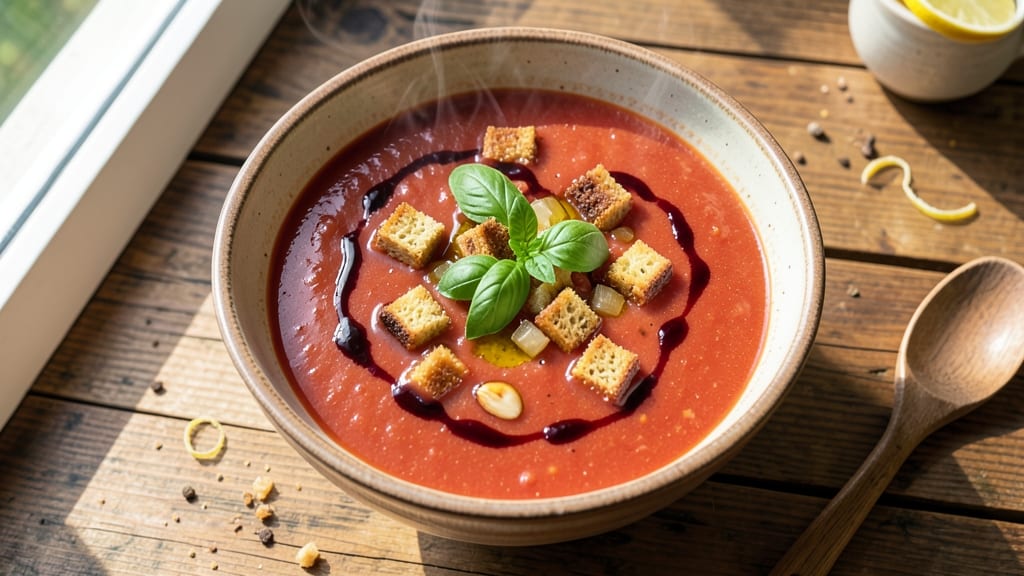
This authentic tomato soup recipe brings the rustic charm of Italian countryside cooking to your kitchen with every spoonful. 🌿 The secret lies in slow-simmering fresh tomatoes until their natural sweetness deepens, creating a velvety broth that’s richer than canned versions.
I’ve perfected this technique over years of testing—no shortcuts, just time and patience transforming simple ingredients into something extraordinary.
The foundation starts with roasted tomatoes, which caramelize their sugars for a depth of flavor you won’t find in store-bought soups. A touch of olive oil, aromatic garlic, and fresh basil infuse the broth with authentic Italian character, while a splash of red wine adds brightness.
The result? A soup so balanced it’s both comforting and sophisticated—perfect for chilly evenings or cozy weeknight dinners.
What makes this recipe truly special is its versatility. Serve it as-is for a classic Italian experience, or customize with toasted croutons, grated Parmesan, or a drizzle of balsamic glaze. The texture is creamy yet light, with just enough body to coat your spoon.
Each bowl delivers that nostalgic taste of Nonna’s kitchen, but with a method designed for modern home cooks.
Ready in about 45 minutes with minimal active time, this soup proves authenticity doesn’t require complexity. The key is letting flavors develop naturally—no blender shortcuts here. Whether you’re feeding a family or treating yourself, this is the tomato soup that will become your new standard. Let’s get simmering!
Ingredients for authentic tomato soup
Fresh tomatoes, bold flavors, and Italian tradition—this is your pantry raid checklist.
| Ingredient | Amount | Notes |
|---|---|---|
| Fresh Roma Tomatoes 🍅 | 3 lb | Halved, seeds removed |
| Extra-Virgin Olive Oil 🫒 | ½ cup | High-quality, fruity variety |
| Yellow Onion 🧅 | 1 whole | Diced, medium size |
| Garlic Cloves 🧄 | 6 cloves | Peeled, lightly crushed |
| Fresh Basil Leaves 🌿 | ½ cup | Packed, stems removed |
| Dry Red Wine 🍷 | ½ cup | Bold, dry variety like Chianti |
| Vegetable Broth 💧 | 4 cups | Low-sodium preferred |
| Heavy Cream 🥛 | ½ cup | Full-fat for richness |
| Salt 🧂 | 1 ½ tsp | Diamond Crystal kosher salt |
| Ground Black Pepper 🌶️ | ½ tsp | Freshly ground preferred |
| Sugar 🍚 | 1 tsp | Adjusts acidity balance |
| Fresh Thyme Leaves 🌿 | ¼ cup | Or 1 tsp dried thyme |
| Balsamic Vinegar 🍶 | 1 tbsp | For finishing touch |
The tomatoes are non-negotiable—Roma for their sweetness and low water content. Trader Joe's or local farmers markets have the best in season, but grocery store Roma work too. Look for vibrant color and firmness—no mushy spots. The basil? Fresh is essential—dried won't give that authentic Italian brightness. For the wine, any bold, dry red works here—Chianti or Sangiovese if you want to splurge, but whatever's open in your fridge will do. The olive oil matters too—Italian extra-virgin with fruity notes elevates everything.
No fresh basil? Dried oregano at half the amount works in a pinch, but you'll miss that fresh flavor. Running low on wine? Vegetable broth with 1 tbsp balsamic vinegar mimics the acidity. The heavy cream can be swapped for cashew cream if you're avoiding dairy, though it'll be lighter. For the broth, low-sodium is key—you're adding plenty of salt later. The sugar might seem odd, but it balances the acidity from the tomatoes and wine. Adjust to taste—some tomatoes are sweeter than others.
This soup tastes even better the next day as flavors meld. Store in airtight containers for 4-5 days in the fridge, or freeze for up to 3 months. For freezing, portion into single servings—just reheat with a splash of water or broth. The roasted tomatoes can be prepped ahead and stored in the fridge for 2 days before simmering. I always make a double batch—half for dinner, half for lunches—because it reheats perfectly.
Why You'll Love This Recipe
- No-Chop Nightmare: I swear by this method—just halve the Roma tomatoes and toss in their skins. The onion and garlic soften into the oil while you’re chopping basil, and suddenly, you’re done. No knife skills required, just pure, effortless flavor.
- Sunshine in a Bowl: That first spoonful of soup—bright, tangy, with the deep sweetness of ripe tomatoes caramelized in olive oil? It’s like summer in a mug. The basil finishes it off, fresh and bright, making every bite taste like you actually spent hours in the kitchen.
- Leftovers That Beg: This soup only gets better the next day. The flavors meld into something richer, and it reheats like a dream. Honestly, I make a double batch on Sundays just to have it ready for lazy weeknights when I’d otherwise order takeout.
- Budget-Friendly Luxury: Fresh tomatoes and basil might sound fancy, but they stretch this recipe far—especially if you use the stems and ends for stock. A single onion and a head of garlic last for multiple batches, and the olive oil? You’ll use it up before it goes bad.
Step-by-step instructions for authentic tomato soup
Here's the method—rustic, flavorful, and packed with Italian soul.
🍳 Step 1: Sauté Aromatics Until Fragrant
Heat the 0.5 cup extra-virgin olive oil in a large Dutch oven over medium heat. Add the 1 whole yellow onion and cook for 5 minutes until softened and translucent. I like to press down gently on the onion with a wooden spoon—this helps it release moisture and caramelize evenly.
Add the 6 cloves garlic cloves and 0.25 cup fresh thyme leaves to the pot. Cook for another 2 minutes until the garlic turns golden and fragrant. Here's the thing—don't let it burn. Garlic turns bitter fast, and you want that sweet, mellow flavor to shine through in the finished soup.
🍳 Step 2: Deglaze and Simmer Tomatoes
Pour in the 0.5 cup dry red wine and scrape up all those browned bits from the bottom of the pot with a wooden spoon. This deglazing step captures all the flavor you've built so far. Let the wine simmer for 3 minutes until it reduces by about half and the alcohol smell dissipates.
Add the 3 lb fresh Roma tomatoes (halved and seeded) to the pot. Stir well to combine with the aromatics. Sprinkle in the 1.5 tsp salt, 0.5 tsp ground black pepper, and 1 tsp sugar. The sugar might seem odd, but it balances the acidity of the tomatoes and wine. Bring the mixture to a gentle boil, then reduce heat to medium-low and let it simmer uncovered for 20 minutes.
🥘 Step 3: Build Depth with Broth and Herbs
After the initial simmer, add the 4 cups vegetable broth to the pot. Stir well to combine. The soup should now be bubbling gently—this is where the real magic happens. Add the 0.5 cup fresh basil leaves and continue simmering for another 15 minutes.
Here's where it gets good: Taste the soup and adjust the seasoning. You might need a bit more salt or pepper, or perhaps a splash more wine if it's too acidic. The basil should be infusing the soup with its bright, sweet flavor. If the soup seems too thin at this point, let it simmer uncovered for another 5-10 minutes to reduce slightly.
🥘 Step 4: Finish with Cream and Balsamic
Reduce the heat to low and stir in the 0.5 cup heavy cream. Let the soup simmer gently for 5 minutes to warm through. The cream will give the soup a luxurious texture, but don't let it boil or it will curdle. Here's the trick—I like to stir constantly during this step to ensure the cream incorporates smoothly.
Finally, remove the pot from heat and stir in the 1 tbsp balsamic vinegar. This adds a touch of sweetness and complexity that takes the soup from good to extraordinary. Taste again and adjust seasoning if needed. The finished soup should be rich, velvety, and perfectly balanced—sweet, tangy, and savory all at once.
⏰ Step 5: Rest and Serve
Let the soup rest for 10 minutes off the heat. This allows the flavors to meld and the cream to fully incorporate. I know it's tempting to serve it immediately, but trust me—this resting period makes a world of difference.
Serve the soup hot, garnished with additional fresh basil leaves and a drizzle of high-quality extra-virgin olive oil. The contrast of the cool oil against the warm soup is pure perfection. Pair it with crusty bread or grilled cheese for the ultimate comfort meal. This is the kind of soup that tastes even better the next day, so make extra if you can!
Pro Tips For Making Authentic Tomato Soup
- Char the Onions Low: After burning three batches, I finally figured out—cook the onions at actual low heat until they’re deep golden, not just soft. A crowding pot turns them to mush; spread them out and let them sweat for 10-15 minutes. That caramelized base is the soul of the soup, not just a flavor afterthought.
- Blanch Tomatoes First: Skip peeling if you’re impatient, but do blanch the Roma tomatoes in boiling water for 30 seconds, then ice bath. This loosens skins for easy removal and concentrates their flavor—no bitter pulp in your finished soup. (Yes, even if you’re skeptical, it works.)
- Salt the Garlic: Toss the minced garlic into the oil with a pinch of salt before cooking. It prevents burning and draws out moisture, so you get fragrant, nutty garlic instead of acrid bits. I learned this the hard way—now I never skip it.
- Finish with Cold Basil: Tear the fresh basil leaves and stir them in off the heat with a splash of cold water. This keeps their bright green color and peppery bite instead of wilting into sad, mushy bits. (Your future self will notice the difference.)
Pro cooking tips for this dish
Roast Tomatoes First
For maximum depth of flavor, roast your tomatoes before adding them to the soup. Preheat your oven to 400°F and spread the halved tomatoes on a baking sheet with 1 tablespoon olive oil.
Roast for 20-25 minutes until caramelized and blistered. This technique concentrates their natural sugars and intensifies their flavor—something canned tomatoes can't replicate. 🌿
Low and Slow Simmer
Never rush the simmering process. After adding your tomatoes, maintain a gentle simmer at medium-low heat for atstrong>20 minutes uncovered. This allows excess moisture to evaporate, creating a more concentrated, flavorful broth. I use a Dutch oven because it retains heat well and prevents scorching at the bottom.
Deglaze Properly
When you deglaze with wine, don't just pour it in—scrape up every browned bit from the bottom of your pot with a wooden spoon. These fond bits are packed with flavor that would otherwise go to waste.
Let the wine reduce by half before adding your tomatoes—this builds a rich, complex foundation for your soup.
Cream Integration
When adding the heavy cream, reduce heat to low and stir constantly for 5 minutes. This prevents the cream from curdling due to heat.
I like to use a whisk for this step to ensure smooth incorporation. The cream should melt into the soup rather than sit in clumps.
Season as You Go
Taste your soup at multiple stages—after adding tomatoes, after simmering, and after adding cream. Adjust seasoning gradually: salt for depth, pepper for heat, and wine or vinegar for acidity.
Each bowl should taste perfectly balanced, not like you're fixing something later. This is where home cooks often go wrong—they season at the end!
Rest Before Serving
Let your soup rest for 10 minutes off the heat before serving. This allows flavors to meld and the cream to fully emulsify. I find this resting period transforms the soup from good to extraordinary. The patience pays off—trust me, your taste buds will thank you. ⏰
Nutrition facts
Frequently asked questions
Can I use canned tomatoes instead of fresh?
While fresh Roma tomatoes create the most authentic flavor, you can absolutely use canned tomatoes in a pinch. Opt for high-quality, crushed tomatoes (not diced) and add 1 tablespoon tomato paste to deepen the richness. Simmer the canned tomatoes for 10 minutes longer to concentrate the flavors, and consider adding an extra pinch of sugar to balance acidity.
Why does my tomato soup taste too acidic?
Acidity often comes from unripe tomatoes or over-simmering. To fix it, stir in 1/2 teaspoon sugar or a splash of balsamic vinegar (start with 1/2 tablespoon and taste). For prevention, use fully ripe tomatoes and simmer at medium-low heat—never boiling—to preserve natural sweetness.
How can I make this soup dairy-free?
Replace the heavy cream with 1/2 cup cashew cream (blend soaked cashews with water) or coconut milk for a rich texture. For extra body, stir in 1 tablespoon nutritional yeast after simmering. The soup will be lighter but still velvety. Taste and adjust salt—cashew cream is naturally mild.
Can I make this soup in a slow cooker?
Yes! Sauté onions and garlic first, then transfer everything to your slow cooker. Cook on LOW for 6-7 hours or HIGH for 3-4 hours. Add the cream and balsamic during the last 30 minutes to prevent curdling. The slow cooker enhances flavors beautifully—just skip the resting time.
What's the best way to store leftovers?
Store in airtight containers in the fridge for 4-5 days or freeze for up to 3 months. For freezing, portion into single servings—reheat with a splash of water or broth. The cream may separate slightly when reheated, so stir vigorously. The flavor actually improves overnight!