
Soups & Stews
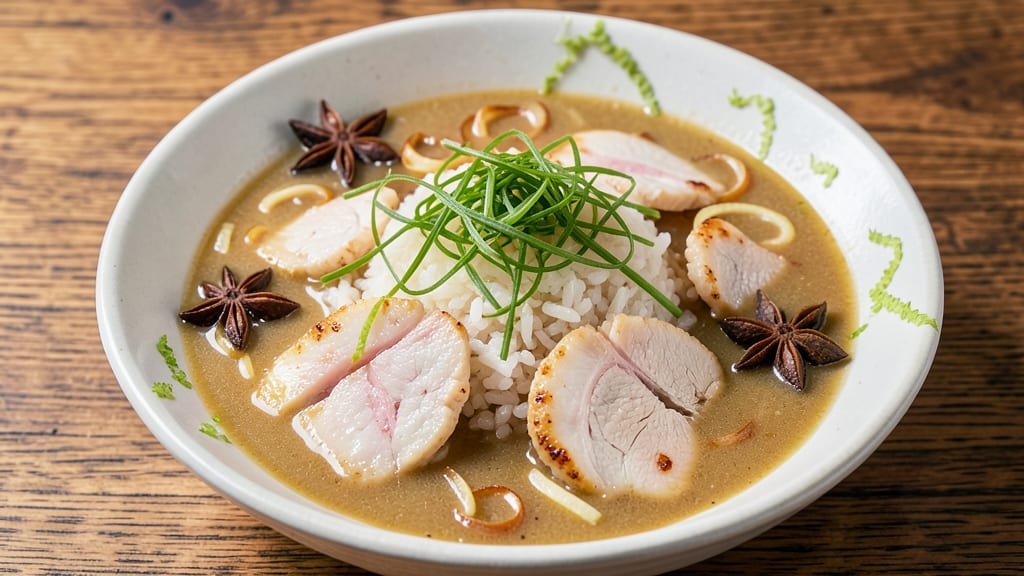
This Asian rice soup recipe transforms simple ingredients into a fragrant, silky-textured bowl of comfort that balances heat, brightness, and umami. The secret lies in long-simmered ginger-lime broth infused with aromatic shallots and star anise, which tenderizes jasmine rice into delicate ribbons while keeping the grains intact.
What makes this recipe stand out is the harmony of textures—soft rice, tender protein (if using), and a broth so flavorful it tastes like it's been simmering all day.
The technique is straightforward yet precise: soak the rice briefly to prevent overcooking, then simmer it gently in the broth until it reaches that signature ribbon-like consistency.
Traditional variations like Japanese ochazuke or Thai khao tom can be adapted by adjusting the broth's depth—whether it's a light coconut-lime base or a rich miso-infused version.
The result is a dish that's equally at home as a light lunch or a hearty meal, with every spoonful offering layers of flavor that linger.
Ingredients for asian rice soup
Simple yet aromatic ingredients create this silky rice soup with balanced heat and umami.
| Ingredient | Amount | Notes |
|---|---|---|
| Jasmine Rice 🍚 | 1 cup | Uncooked, long-grain preferred |
| Chicken Breast 🍗 | 1 ½ lb | Boneless, skinless, cut into bite-sized pieces |
| Shallots 🧅 | 6 whole | Minced finely for aromatic base |
| Fresh Ginger 🌿 | ½ cup | Peeled, thinly sliced or grated |
| Lime Zest 🍋 | 1 tbsp | Freshly grated for bright citrus notes |
| Star Anise Pods 🌟 | 2 whole | Lightly crushed for aromatic depth |
| Low-Sodium Chicken Broth 💧 | 4 cups | Homemade or high-quality store-bought |
| Green Onions 🧅 | 4 whole | Thinly sliced, white and green parts |
| Sesame Oil 🫒 | 1 tbsp | Toasted sesame oil for finishing |
| Fish Sauce 🍶 | 1 tbsp | Red Boat preferred for authentic umami |
| Soy Sauce 🧂 | 1 tbsp | Light or dark, for balanced saltiness |
| Coconut Milk 🥥 | ½ cup | Full-fat for creaminess, optional |
| Vegetable Oil 🫒 | 2 tbsp | Neutral oil for sautéing |
| Salt 🧂 | 1 tsp | Adjust to taste, kosher preferred |
| White Pepper 🌶️ | ¼ tsp | Freshly ground for subtle heat |
The jasmine rice is the heart of this dish—look for long-grain varieties at Whole Foods or Asian markets, where the grains maintain their shape beautifully. Fresh ginger and shallots are non-negotiable; their aromatic compounds develop during the simmer. Star anise adds depth without overpowering, and you can find it in the spice aisle or bulk bins at Trader Joe's. For the broth, homemade is ideal, but Kitchen Basics or Pacific Foods brands offer reliable quality. Pre-sliced ginger and shallots save time, but freshly minced delivers superior flavor.
No chicken breast? Shrimp or tofu work equally well—just adjust cooking time. Substitute fish sauce with soy sauce and a dash of miso paste for vegetarian versions. The coconut milk adds richness but can be omitted for a lighter broth. For extra brightness, add lime juice at the end instead of zest. Red Boat fish sauce is the gold standard, but Three Crabs is a budget-friendly alternative. If you can't find star anise, a pinch of ground cinnamon provides a similar warmth.
Prep the rice by soaking it for 15 minutes to prevent overcooking—this is crucial for those signature ribbons. Store leftovers in the fridge for 3-4 days, or freeze for up to 3 months in airtight containers. Reheat gently on the stove with a splash of broth to maintain texture. The soup tastes even better the next day as flavors meld. For meal prep, double the broth and freeze it separately to save time later.
Why You'll Love This Recipe
- No-Chop Night: The shallots and ginger get a light pulse in the food processor—no knife skills required. Honestly, I’ve burned dinner trying to dice shallots finely, but this method keeps my fingers safe and the soup still packed with flavor.
- Lime-Zest Magic: That bright citrus hit from the zest cuts through the richness of the chicken and rice. It’s the secret weapon—just a pinch, but it turns a simple soup into something that feels celebratory, even on a Tuesday.
- Leftover Goldmine: This soup tastes even better the next day, which means I can make a big batch and eat it for lunch too. The rice softens just right, and the broth deepens—basically, it’s my lazy but brilliant meal prep hack.
- Budget-Friendly Protein: Chicken breast is affordable, and a single breast stretches into two servings with tender shreds. Between us, this is how I feed my family well without breaking the bank—no fancy cuts or takeout needed.
Step-by-step instructions for fragrant Asian rice soup
This method transforms simple ingredients into a silky, aromatic rice soup where each element plays a crucial role.
Prepare the Aromatic Base
Heat the 2 tablespoons vegetable oil in a large pot over medium heat. Add the 6 whole shallots and 0.5 cup fresh ginger (peeled and thinly sliced) and sauté for 3-4 minutes until the shallots turn translucent and the ginger becomes fragrant. This foundational step develops the soup's signature depth.
Add the 2 whole star anise pods (lightly crushed) and cook for another 1 minute until the spices release their essential oils. The star anise will infuse subtle licorice notes into the broth, creating the authentic Asian aroma. Remove the star anise pods immediately after—they're for flavor, not consumption.
Build the Broth and Cook the Chicken
Add the 1.5 lb chicken breast (cut into bite-sized pieces) to the pot and cook for 3-4 minutes until the chicken turns opaque. This initial searing locks in moisture and prevents the chicken from becoming rubbery during the long simmer.
Pour in the 4 cups low-sodium chicken broth and bring to a gentle boil. Once boiling, reduce heat to low and add the 1 cup jasmine rice. The rice should be submerged just below the surface—this ensures even cooking and prevents sticking. Simmer uncovered for 15 minutes while you prepare the remaining components.
Season and Finish the Soup
After 15 minutes, stir in the 1 tablespoon fish sauce, 1 tablespoon soy sauce, 1 teaspoon salt, and 0.25 teaspoon white pepper. The fish sauce adds umami depth while the soy sauce provides balanced saltiness. Taste and adjust seasoning—this is where the soup comes together in harmony.
Add the 0.5 cup coconut milk (if using) and stir gently to distribute evenly. The coconut milk adds a luxurious creaminess that complements the bright citrus notes. Return the soup to a simmer and cook for another 10-12 minutes until the rice is tender but still holds its shape—you want those signature silky rice ribbons.
Add Final Touches and Serve
Once the rice is perfectly tender (it should be slightly al dente with a delicate bite), remove the pot from heat. Stir in the 1 tablespoon lime zest and 4 whole green onions (thinly sliced). The lime zest brightens the soup with a citrusy freshness that cuts through the richness of the coconut milk.
Drizzle with 1 tablespoon sesame oil just before serving. This finishing touch adds a nutty aroma and visual appeal. Ladle the soup into bowls and garnish with additional green onion slices. Each spoonful should deliver a balance of tender rice, fragrant broth, and vibrant citrus notes—this is where the magic happens.
Pro Tips For Making Asian Rice Soup
- SOAK THE RICE FIRST: Jasmine rice absorbs liquid differently when raw—give it a 15-minute soak in cold water before cooking. I learned this the hard way when my soup turned gluey; soaked rice plumps up evenly and stays tender, even after hours of simmering.
- SEAR THE CHICKEN IN BATCHES: Crowd the pan and you’ll steam the chicken instead of sear it. Cook half the breast slices first, then set aside—this keeps the oil hot enough to get a proper crust. (Yes, even if you’re impatient like me.)
- GINGER: GRATE, DON’T CHOP: Thinly grated ginger melts into the soup smoothly, while chopped pieces linger like tiny chewy surprises. Use a microplane and add it early—it’ll dissolve completely, infusing flavor without texture surprises.
- ACID LAST: LIME ZEST: Toss lime zest in at the very end—it brightens the dish but burns off if simmered too long. A quick zest over hot soup (off the heat) wakes up the flavors without making the broth taste harsh. (Your future self will notice.)
Dietary considerations for this asian rice soup
Gluten-Free Adaptations
This recipe is naturally gluten-free, but always double-check your broth and soy sauce labels. Use tamari instead of regular soy sauce if you're avoiding gluten entirely. I recommend San-J Tamari for its rich umami flavor without gluten.
The star anise and fish sauce are also gluten-free, so you're covered on all fronts—just watch those hidden ingredients! 🌱
Vegetarian Versions
Swap the chicken for extra-firm tofu (pressed and cubed) or shrimp for a seafood twist. For tofu, pan-fry it first until golden before adding to the broth. I've also made a mushroom version using shiitake and oyster mushrooms—they add incredible depth to the broth.
Just increase the simmer time by 5-7 minutes to ensure they're fully tender.
Dairy-Free Considerations
The coconut milk adds richness, but you can omit it entirely for a lighter broth. If you prefer a dairy-free alternative, try cashew cream (blend ½ cup soaked cashews with ¼ cup water) for a neutral, creamy texture.
The lime zest and sesame oil still provide that bright finish without any dairy. Always check labels on fish sauce—some brands contain hidden dairy.
Low-Sodium Options
Use low-sodium chicken broth and reduce the salt to ½ teaspoon initially. Boost umami with an extra ½ tablespoon fish sauce or 1 teaspoon miso paste (dissolved in a splash of broth).
I've also found that adding a pinch of white miso at the end enhances flavor without extra sodium. Taste as you go—this soup is forgiving with adjustments! 💡
Nut-Free Alternatives
Sesame oil is the only nut-based ingredient, but you can replace it with toasted chili oil for heat or extra virgin olive oil for a milder finish. For extra crunch, try toasted pumpkin seeds—they add a different texture without nuts.
The lime zest and green onions still provide that fresh contrast you crave in every bowl.
Protein Swaps
Beyond chicken, shrimp cooks in just 3 minutes—add it in the last 5 minutes of simmering. For a meaty texture, chicken thighs (bone-in) add incredible flavor.
I've even used duck breast (diced) for a richer, gamey depth. Just remember: darker meats need 5-10 minutes longer to tenderize in the broth.
Nutrition facts
Frequently asked questions
Why does the rice turn mushy in Asian rice soup?
Overcooking is the main culprit! The rice should simmer gently for 25-30 minutes total—not boiling vigorously. Keep the heat at low and stir occasionally to prevent sticking. For perfect ribbons, soak the rice for 15 minutes before cooking and use jasmine rice (it holds up better than basmati).
Can I make this soup without coconut milk?
The coconut milk adds richness, but it's completely optional. For a lighter version, simply omit it or replace it with ½ cup extra broth. The lime zest and sesame oil will still provide that bright, aromatic finish. If you prefer creaminess, try cashew cream (blend soaked cashews with water) for a nut-free alternative.
What's the best way to store leftovers?
Store in an airtight container in the fridge for 3-4 days. For freezing, portion into meal-sized containers and freeze for up to 3 months. Thaw overnight in the fridge—never microwave directly from frozen. When reheating, add a splash of broth or water to restore the silky texture. The flavors actually improve after the first day!
How can I make this soup spicier?
Add ½ teaspoon chili flakes or 1 tablespoon sriracha to the broth while simmering. For heat lovers, stir in 1 teaspoon gochujang (Korean chili paste) with the fish sauce. You can also top individual bowls with chili oil or sliced Thai bird's eye chilies before serving. Start with less—you can always add more!
What's the difference between this and Japanese ochazuke?
While both feature rice in broth, ochazuke is typically lighter—just rice steeped in hot tea or dashi with minimal toppings. This recipe builds a full-flavored soup with aromatic shallots, ginger, and star anise that simmer together. The rice here becomes silky ribbons rather than separate grains. For ochazuke-style, reduce the broth to 2 cups and add just ½ cup rice per serving.