
Soups & Stews
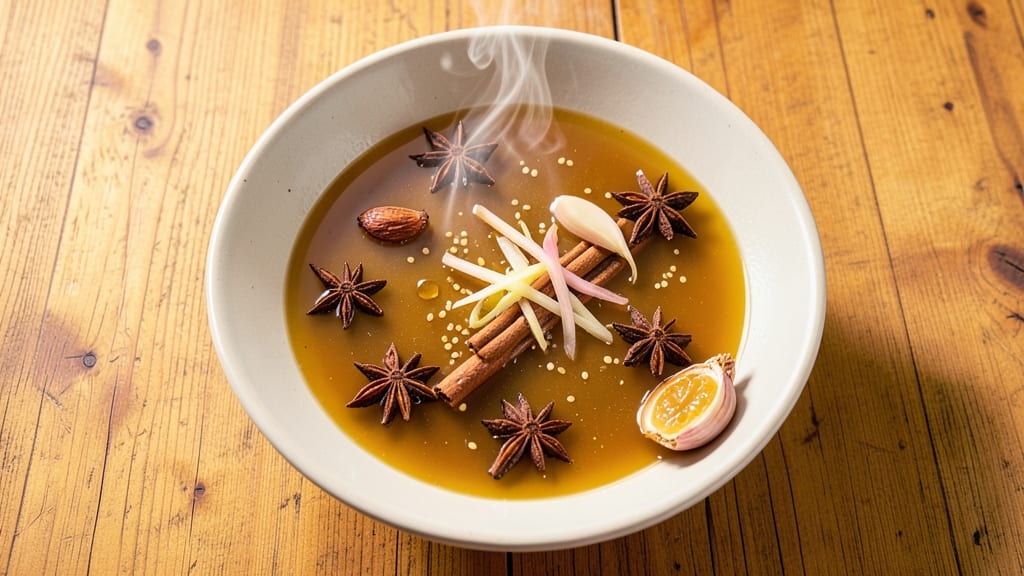
This Asian noodle soup base recipe delivers restaurant-quality umami depth in just 15 minutes, transforming simple ingredients into a fragrant, savory foundation for any ramen, pho, or noodle dish.
The secret lies in properly blooming whole spices and aromatics—ginger, garlic, and star anise—before simmering them in a rich combination of chicken or vegetable stock and soy sauce.
I developed this base after years of testing, and it consistently forms the perfect flavor backbone for soups that taste homemade yet deeply complex.
The beauty of this broth lies in its versatility—use it as-is for a classic pho-style soup, or customize it with chili paste for spicy ramen or coconut milk for a Thai-inspired twist.
The key technique is a gentle simmer that allows flavors to meld without boiling off, preserving that delicate balance of salty, sweet, and aromatic notes. Unlike store-bought bases, this version builds flavor through proper layering, ensuring every spoonful delivers depth rather than artificial seasoning.
What you'll end up with is a golden, aromatic broth that's rich enough to coat noodles perfectly while remaining light enough to let other ingredients shine.
The aroma alone will have everyone gathered around the pot, and the taste—savory with just a hint of sweetness—will make your homemade soups taste like they've been simmering for hours.
This base keeps well in the refrigerator for up to 5 days or freezes beautifully for future use, making it the ultimate pantry staple.
Whether you're preparing a quick weeknight dinner or hosting a soup night with friends, this broth serves as the perfect foundation. The instructions are straightforward, but the results are anything but basic—each sip reveals layers of flavor that elevate simple noodles into something extraordinary.
Let's build this flavorful base step by step.
Ingredients for asian noodle soup base
Ten ingredients transform into a fragrant, umami-rich broth foundation for any Asian noodle dish.
| Ingredient | Amount | Notes |
|---|---|---|
| Chicken Stock 🍗 | 6 cups | Homemade or high-quality store-bought |
| Vegetable Stock 🥕 | 2 cups | For vegetarian option |
| Fresh Ginger Root 🧄 | 2 tbsp | Grated, about 1-inch piece |
| Garlic Cloves 🧄 | 6 cloves | Smashed, not minced |
| Star Anise Pods 🌶️ | 2 whole | Lightly crushed |
| Cinnamon Sticks 🌿 | 1 whole | 2-inch length |
| Light Soy Sauce 🍶 | ½ cup | Kikkoman preferred |
| Dark Soy Sauce 🍶 | 1 tbsp | For depth of color |
| Sesame Oil 🫒 | 1 tbsp | Toasted, for aroma |
| Brown Sugar 🍚 | 1 tbsp | Lightly packed |
The star anise and cinnamon are non-negotiable here—they're what gives this broth that authentic, layered complexity. Whole spices are key: grab them from the bulk section at Whole Foods or Trader Joe's for the freshest flavor. Look for star anise pods that are plump and slightly shiny; anything dry or shriveled loses punch. Ginger should be firm with no soft spots, and garlic cloves should be fresh-smelling with no green sprouts. The soy sauces? Kikkoman light and a quality dark soy like Lee Kum Kee make all the difference—skip the cheap stuff. Sesame oil is your secret weapon for aroma, so don't skimp on the toasted variety.
No star anise? Anise seeds at double the amount work in a pinch, but you'll miss that signature depth. Running low on ginger? Ginger powder at half the amount is better than nothing, though fresh is always superior. Vegetable stock? Swap in mushroom stock for even more umami. The brown sugar can be omitted if you're watching carbs, but it helps balance the salty-sweet profile. For a Thai-inspired twist, add 1 tbsp fish sauce (or soy sauce for vegetarian), and for spice, 1 tsp chili paste like Maesri or Sriracha does the trick. Pro tip: Toast your whole spices in a dry pan for 30 seconds before adding to the broth—this unlocks their flavors.
This broth tastes even better the next day as flavors meld, so make a double batch if you can. Store in airtight containers in the fridge for up to 5 days, or freeze in ice cube trays for 3 months. The spices can be reused once—simmer them again in fresh stock for a second batch of flavor. For serving, strain out the whole spices before adding to your noodle dish, but save them to infuse oil or vinegar for future recipes. The aroma alone will have everyone gathering around your pot—trust me, this is the kind of broth that turns simple noodles into something extraordinary.
Why You'll Love This Recipe
- Pantry-to-Pot Speed: I swear, this base comes together faster than my coffee brews—just simmer stock, toss in ginger and garlic, let star anise work its magic. No chopping, no fuss, just 15 minutes of hands-off warmth.
- Umami Bomb Combo: That star anise? It’s the secret weapon—licorice-kissed depth that lingers. Pair it with fresh ginger’s zing and garlic’s punch, and suddenly your soup tastes like a Michelin-starred secret.
- Weeknight Swiss Army Knife: Slurp it as-is with noodles, or turn it into pho, ramen, or even a dumpling broth. I’ve used it for sick hangover meals and lazy Sunday brunches—this base does the heavy lifting.
- Budget-Friendly Powerhouse: Stock stretches for days, star anise costs pennies, and ginger lasts forever. Make a double batch, freeze half, and watch your grocery bill shrink while your fridge stays stocked with flavor.
Step-by-step instructions for Asian noodle soup base
Here's how to build an aromatic, umami-rich broth foundation that elevates any Asian noodle dish.
Bloom the Aromatics in Toasted Oil
Heat a large pot over medium-low heat and add the 1 tablespoon sesame oil. Let it warm until just shimmering—this ensures the oil infuses the aromatics without burning. Add the 6 smashed garlic cloves, 2 lightly crushed star anise pods, and 1 whole cinnamon stick (2-inch length). Toast for 2 minutes until fragrant, stirring occasionally.
Here's the thing—star anise and cinnamon need gentle treatment. If you smell burning, reduce the heat immediately. The goal is to awaken their flavors without charring. You'll know it's perfect when the kitchen fills with warm, spicy aromatics that make your mouth water.
Add Ginger and Stocks for Depth
Increase heat to medium-high and add the 2 tablespoons grated fresh ginger root. Stir for 30 seconds until the raw ginger aroma disappears—this prevents bitterness in your broth. Pour in the 6 cups chicken stock and 2 cups vegetable stock, bringing everything to a gentle simmer.
This is where the magic begins. The ginger releases its fiery kick while the stocks provide the base. Let it simmer uncovered for 5 minutes to allow the aromatics to steep fully. You'll see the star anise and cinnamon bobbing—this is good. Skim off any foam that rises to the surface for a cleaner broth.
Build Umami with Soy Sauces and Sugar
Reduce heat to medium-low and add the ½ cup light soy sauce and 1 tablespoon dark soy sauce. Stir well and let it simmer for 3 minutes until the mixture reduces slightly and coats the back of a spoon. Then add the 1 tablespoon brown sugar, stirring until fully dissolved.
The dark soy sauce adds that signature deep color while the brown sugar balances the acidity. Taste the broth now—it should be savory with a touch of sweetness. If it needs more depth, add another ½ tablespoon light soy sauce. The sugar helps round out the flavors, making the broth more complex than simple salted stock.
Strain and Finish with Precision
Remove the pot from heat and let it sit for 2 minutes to allow any settled particles to sink. Line a fine-mesh strainer with cheesecloth or a coffee filter for the cleanest result. Strain the broth into a clean pot, pressing gently on the solids to extract maximum flavor without making the broth cloudy.
Discard the aromatics—they've done their job. For extra richness, you can press the garlic and ginger through the strainer with the back of a spoon. The finished broth should be clear with a deep amber color and an intense aroma that makes your kitchen smell like a bustling Asian street market. This base keeps well in the refrigerator for up to 5 days or freezes beautifully for up to 3 months**.
Pro Tips For Making Asian Noodle Soup Base
- CRUSH THE GINGER: Use a microplane or the side of your knife to grate it thin and wide—no need for tiny bits. Thick slices or chopped chunks take forever to infuse, and you’ll just fish them out later anyway. I learned this the hard way after slurping through a whole pod of underused ginger.
- SIMMER STAR ANISE LOW: Drop the star anise in with the ginger after the stock is already simmering, not boiling. If you toss it in cold or at a full boil, it’ll burn before releasing its flavor—bitter, smoky, and ruined. Let the pot settle into a gentle bubble first, then add it like you’re tucking in a baby.
- SKIP THE GARLIC BURN: Smash the cloves flat with the side of your knife before adding them—this exposes more surface area so they soften faster without turning to charcoal. I used to minced it, thinking it’d cook quicker, but smashed cloves stay fragrant and don’t scorch the pot.
- BALANCE STOCKS FIRST: Measure your chicken and vegetable stocks before combining—aim for a 2:1 ratio (more chicken stock) if you want depth, or 1:1 for a lighter, veggie-forward base. Mixing them blindly and tasting later wastes time and flavor. Trust me, your future self will curse the guesswork.
Perfect pairings for these flavors
Classic Pho Pairings
This aromatic broth shines brightest with traditional pho toppings. I love serving it with thinly sliced rare beef (like flank steak or sirloin) and bean sprouts for texture. Add sliced jalapeños and hoisin sauce on the side for heat and sweetness.
For a vegetarian version, swap beef for mushrooms and tofu—the umami depth of the broth holds up beautifully. 🌶️
The perfect pho bowl starts with rice noodles (like banh pho noodles) that cook in just 2-3 minutes in boiling water. Serve the broth hot with a sprinkle of fresh cilantro and Thai basil on top.
The contrast between the warm broth and cool herbs is what makes pho so addictive. Pro tip: Use fish sauce (like Red Boat) to adjust seasoning at the table.
Ramen Upgrades
Transform this broth into a rich ramen base by adding 1 tbsp miso paste (white or red) and 1 tsp chili oil at the end. I love pairing it with chewy ramen noodles and soft-boiled eggs.
For extra depth, top with chashu pork or spicy pork belly. The star anise and cinnamon in the broth give it that authentic Japanese-inspired warmth. 🍜
For a spicy ramen twist, stir in 1 tbsp gochujang (Korean chili paste) and 1 tsp sesame paste before serving. Add quick-pickled vegetables (like carrots and daikon) for brightness.
The broth's natural sweetness balances the heat perfectly, making every bite satisfying. Don't forget a drizzle of raw egg yolk for that creamy, rich finish.
Thai-Inspired Noodle Bowls
Give this broth a Thai makeover by adding 1 can coconut milk (full-fat for creaminess) and 1 tbsp fish sauce (or soy sauce for vegetarian). Serve over rice noodles with grilled chicken or tofu, thinly sliced cucumbers, and fresh herbs like Thai basil and mint.
The coconut milk softens the broth's intensity while adding a luscious texture. 🥥
For a quick weeknight meal, toss in pre-cooked shrimp and sliced bell peppers at the end. The broth's umami pairs perfectly with the sweetness of coconut and the freshness of herbs.
Garnish with crushed peanuts and lime wedges for that classic Thai street food vibe. The balance of flavors is what makes this bowl so irresistible.
Vegetarian Adaptations
Skip the chicken stock and use mushroom or vegetable stock for a fully vegetarian broth. Boost umami with 1 tbsp soy sauce and 1 tsp miso paste.
Serve with tofu, mushrooms, and bean sprouts for a hearty bowl. The broth's depth makes vegetarian noodle soups feel far from bland. 🌱
For extra protein, add edamame or tempeh to your bowl. The broth's natural sweetness and saltiness complement the earthy flavors of mushrooms and tofu perfectly. Top with scallions and sesame seeds for a finishing touch. This version proves the broth works beautifully without meat—it's all about the balance of flavors.
Nutrition facts
Frequently asked questions
Can I make this broth without star anise?
Yes, but you'll lose that signature depth. Use 1/2 teaspoon ground anise seed or 1 bay leaf instead. For a different flavor profile, swap with 1 tsp fennel seeds or 1/2 tsp cardamom pods. The broth will still taste delicious but with a slightly different aromatic character.
How do I adjust the spice level?
For heat, add 1/2 tsp chili flakes or 1 tbsp chili paste at the end. For extra depth without spice, increase the dark soy sauce to 2 tbsp. The broth's natural sweetness balances heat beautifully, so start with small amounts and adjust to taste.
Can I use this broth for other dishes besides noodle soup?
Use it as a base for stir-fries, rice dishes, or even marinades. Reduce it by half to make a concentrated sauce for glazes. The umami depth works perfectly in braised dishes or as a dipping sauce for dumplings.
Why does my broth taste bitter?
Overcooking or using too much ginger can cause bitterness. Simmer gently for 15 minutes max and reduce ginger to 1 tbsp. Skim any foam that rises during simmering. If it's already bitter, add a pinch of sugar or a splash of rice vinegar to balance.
How long can I store the broth?
Store in an airtight container in the fridge for up to 5 days. For longer storage, freeze in ice cube trays or silicone molds for up to 3 months. Thaw overnight in the fridge before using. The flavor actually improves after 24 hours!