
Soups & Stews
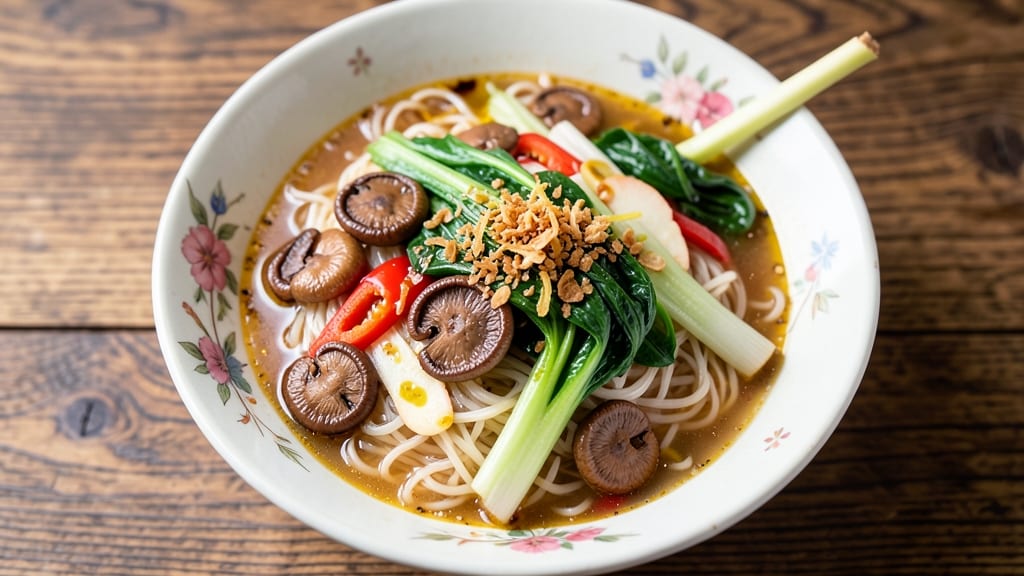
This Asian vegetable noodle soup recipe transforms simple ingredients into a fragrant, restaurant-worthy bowl of comfort. The secret lies in slow-simmered lemongrass and shiitake mushrooms, which build a rich, umami-packed broth that's both vegetarian and deeply satisfying.
I developed this version after years of testing—balancing traditional techniques with modern shortcuts so you get authentic flavor without hours in the kitchen.
The magic starts with the broth, where lemongrass, ginger, and garlic infuse the liquid with bright, citrusy notes while mushrooms lend earthy depth. Fresh vegetables like bok choy and bean sprouts add crisp texture, while chewy rice noodles soak up every drop of that fragrant liquid.
What makes this recipe special is how it delivers restaurant-quality results with just 45 minutes of active time—perfect for weeknights when you crave something hearty but don't want to slave over it.
By the time you're done, you'll have a steaming bowl of soup where each spoonful delivers layers of flavor—herbal from the lemongrass, savory from the mushrooms, and fresh from the vegetables.
The broth is aromatic enough to make your kitchen smell like a Thai street market, while the noodles provide that satisfying chew. This is the kind of dish that feels both comforting and sophisticated, with enough depth to impress guests but simple enough for everyday meals.
The best part? It's completely customizable. Swap in your favorite vegetables, add a splash of chili oil for heat, or keep it mild with a sprinkle of fresh cilantro.
Serve it as-is for a light meal or pair with a side of quick-pickled veggies for extra brightness. Let's get cooking—your taste buds will thank you.
Ingredients for asian vegetable noodle soup
Simple ingredients that pack layers of flavor—lemongrass, mushrooms, and fresh vegetables make this soup unforgettable.
| Ingredient | Amount | Notes |
|---|---|---|
| Dried Shiitake Mushrooms 🍄 | 8 whole | Rehydrated in hot water |
| Lemongrass Stalks 🌿 | 3 whole | Bruised and cut into 2-inch pieces |
| Fresh Ginger 🧄 | 2 tbsp | Finely grated, aromatic |
| Garlic Cloves 🧄 | 6 cloves | Minced for aromatic base |
| Vegetable Broth 💧 | 6 cups | Homemade or low-sodium store-bought |
| Rice Noodles 🍜 | 8 oz | Thin or medium width, uncooked |
| Bok Choy 🥬 | 2 whole | Baby or regular, halved |
| Carrots 🥕 | 2 medium | Julienned or thinly sliced |
| Bean Sprouts 🌱 | 2 cups | Fresh, rinsed and drained |
| Sesame Oil 🫒 | 1 tbsp | Toasted for aroma |
| Soy Sauce 🍶 | 2 tbsp | Light or regular, gluten-free if needed |
| Lime Juice 🍋 | 1 tbsp | Freshly squeezed |
| Fresh Cilantro 🌿 | ¼ cup | Chopped for garnish |
| Red Chili Flakes 🌶️ | ½ tsp | Optional for heat |
| Salt 🧂 | 1 tsp | Diamond Crystal preferred |
The shiitake mushrooms are your umami powerhouse—dried shiitake from Asian markets or bulk bins has the deepest flavor, but store-bought dried works too. Look for bright, moist stalks of lemongrass (the paler ones are fresher). Costco or Trader Joe's usually carry great ginger and garlic in bulk, which saves money and keeps things fresh longer. Bok choy should have crisp stems and vibrant green leaves—avoid anything wilted. For the carrots, organic baby carrots are perfect for julienning without peeling, but regular carrots work if you take the time to peel and slice them thinly.
No fresh lemongrass? Substitute 1 tbsp lemongrass paste (found in Asian aisles) or double the ginger for brightness. Dried shiitake not available? Cremini mushrooms work in a pinch, but they won't have the same depth. The rice noodles can be swapped for udon or soba noodles if you prefer, though the texture will differ. For extra richness, stir in 1 tbsp miso paste at the end. And if you're feeling adventurous, add 1 tsp fish sauce (though this would make it non-vegetarian—skip it for the veg version).
The broth keeps for 4 days in the fridge, and the noodles can be prepped ahead (just store them dry). For best texture, cook the noodles separately and add them to the hot broth at the last minute. Garnish with fresh cilantro and a drizzle of toasted sesame oil right before serving—this adds that restaurant-quality finish. Leftovers reheat beautifully, but the noodles may soften further. Store in airtight containers with a splash of water to keep them tender.
Why You'll Love This Recipe
- Pantry Magic: I swear by this one—no fresh lemongrass? The dried stalks work just as well, and those shiitake mushrooms? They soak up the broth like a dream, turning into chewy, meaty bites with zero fuss.
- Umami Bomb: That combo of garlic, ginger, and shiitake? It’s the kind of flavor that lingers. The broth gets this deep, savory richness that makes you want to slurp it straight from the pot—no fancy plating needed.
- Lunchbox Hero: Between us, this is my go-to for meal prep. Toss in whatever veggies you have (bok choy, carrots, spinach—whatever’s left in the fridge), and it reheats like a dream. Cold lunch? Hot lunch? Yes, please.
- Budget Win: Dried shiitake and ginger last forever, and vegetable broth stretches for days. I made this for four nights straight with zero extra cost—plus, the leftovers taste even better the next day. (Yes, even on a Tuesday night.)
Step-by-step instructions for fragrant lemongrass vegetable noodle soup
Here's how to craft a bowl of aromatic, umami-rich soup that balances earthy mushrooms with bright citrus notes.
Rehydrate the Shiitake Mushrooms and Build the Aromatic Base
Begin by rehydrating the 8 whole dried shiitake mushrooms in 2 cups hot water for 20 minutes. This step transforms them into meaty, flavor-packed additions. While they soak, bruise the 3 whole lemongrass stalks by rolling them firmly against a cutting board—this releases their essential oils. Then cut them into 2-inch pieces. In a large pot, heat 1 tablespoon sesame oil over medium heat until shimmering.
Add the grated 2 tablespoons fresh ginger and minced 6 cloves garlic—cook for 30 seconds until fragrant but not browned. Here's the thing—ginger burns fast, so keep an eye on it. Add the rehydrated mushrooms (squeeze out excess water) and cook for 2 minutes until they release their deep umami essence into the pot.
Simmer the Lemongrass Broth with Vegetables
Pour in the 6 cups vegetable broth and bring to a gentle boil. Reduce heat to medium-low and add the 2 whole halved bok choy, 2 medium julienned carrots, and 0.5 teaspoon red chili flakes (if using). Simmer for 8-10 minutes until the carrots soften slightly but still retain their texture—you want them to stay crisp-tender, not mushy.
Season with 1 teaspoon salt and 2 tablespoons soy sauce, stirring well. Taste the broth—it should be deeply savory with bright, herbal notes. If it needs more depth, add another splash of soy sauce. This is where the magic happens—the lemongrass infuses the broth with its citrusy aroma while the mushrooms lend their earthy richness.
Cook the Rice Noodles and Finish with Fresh Elements
While the broth simmers, prepare the 8 ounces rice noodles by soaking them in hot water for 5-7 minutes until pliable but still slightly firm. Drain and set aside. Just before serving, add the 2 cups bean sprouts to the simmering broth and cook for 2 minutes—they should remain crisp with just a hint of warmth.
Remove the lemongrass stalks from the broth (they've done their job). Stir in 1 tablespoon lime juice and 0.25 cup chopped fresh cilantro, brightening the dish with zesty freshness. The noodles should be added last—toss them gently in the hot broth for 1-2 minutes until heated through but still holding their texture.
Assemble and Serve with Perfect Balance
Divide the noodles among 4 bowls, then ladle the fragrant broth and vegetables over the top. Garnish each serving with an extra sprinkle of red chili flakes and cilantro. Here's the key—serve immediately while the noodles are hot and the broth is steaming. The contrast of warm broth against cool bean sprouts and the bright pop of lime juice creates a symphony of textures and flavors.
Each spoonful should deliver a harmonious blend of umami from the mushrooms, citrusy lemongrass, subtle heat from the chili, and the satisfying chew of perfectly cooked noodles. The broth should coat the back of your throat with its aromatic depth, while the fresh herbs and lime cut through the richness.
Pro Tips For Making Asian Vegetable Noodle Soup
- SOAK SHIITAKES LONG: Dried shiitakes need at least 20 minutes in hot water to fully rehydrate—don’t skimp. I learned this the hard way when my first batch came out tough as shoe leather, and the flavor was buried under layers of dried-out texture. Use the soaking liquid for broth, but strain well—those bits add depth, but you don’t want a muddy soup.
- SMASH GINGER HARD: Take that ginger root and pound it with the flat side of your knife until it’s bruised and broken down. No blender? No problem—this is the real way to unlock its flavor. I was skeptical until I tried it; the soup went from "meh" to "this is what I’ve been missing."
- BURN THE GARLIC: Sear those garlic cloves in oil until they’re golden and fragrant—don’t just sauté them gently. The bitterness and depth they add are non-negotiable for that authentic umami punch. Yes, it’s easy to overdo it, but a quick toss with the broth fixes any mistakes (and your future self will thank you).
- SIMMER LOW AND SLOW: This isn’t a race—keep the broth at a gentle simmer, not a rolling boil. I used to rush it, and the lemongrass would turn bitter, the broth would get cloudy, and the flavors would fight instead of sing. Give it 15-20 minutes of steady heat, and the soup will taste like it’s been simmering all day.
Serving suggestions for this asian vegetable noodle soup
Bowl Presentation
Start with a deep, wide bowl to showcase the vibrant layers of your soup. I like using stoneware or ceramic bowls—they hold heat well and elevate the presentation. First, place a generous pile of rice noodles in the center of each bowl.
Then, ladle the fragrant broth and vegetables over the noodles, creating a cascading effect that highlights the colors of the bok choy, carrots, and bean sprouts. The contrast of the dark broth against the light noodles makes it visually striking. 🌟
Garnish Like a Pro
Fresh garnishes transform an ordinary bowl into a restaurant-worthy dish. I always finish with a sprinkle of chopped cilantro (about 1 tablespoon per bowl) for a bright, herbaceous note. Add a few red chili flakes for a subtle kick—just a pinch is enough to hint at heat without overwhelming.
For extra flair, drizzle 1 teaspoon of toasted sesame oil around the edge of the bowl. This not only adds aroma but also creates a beautiful golden sheen. 💛
Serve with Sides
Pair your noodle soup with simple, complementary sides to round out the meal. A small side salad with mixed greens, shredded cabbage, and a light sesame dressing adds freshness. Alternatively, steamed dumplings or crispy spring rolls provide a satisfying crunch.
For a quick option, serve with pickled vegetables—thinly sliced cucumbers or carrots in a rice vinegar and sugar marinade. These sides balance the richness of the soup while keeping the meal light and refreshing. ✨
Family-Style Sharing
This soup is perfect for sharing! Prepare a large pot and serve it at the table in a communal bowl for a cozy, interactive meal. Use long-handled serving spoons to let everyone ladle their own portions.
Place small bowls of extra toppings—like chili oil, lime wedges, or crushed peanuts—on the table so guests can customize their bowls. It’s a great way to encourage conversation and make the meal feel special, especially on chilly evenings. 💫
Leftovers Strategy
Store leftovers in airtight containers with a splash of water to keep the noodles from drying out. Reheat gently on the stovetop with a little extra broth or water to restore the soup’s texture.
For a quick fix, microwave covered for 1-2 minutes, then stir in a squeeze of lime juice to revive the flavors. The broth actually tastes better the next day as the flavors meld, so don’t hesitate to save it for lunch! 🔥
Occasion Adaptations
Transform this soup for different settings. For a weeknight dinner, serve it as-is with crusty bread. For a potluck or gathering, bring the broth in a slow cooker and let guests assemble their own bowls.
For a special occasion, garnish with edible flowers or gold leaf for an elegant touch. The versatility of this dish makes it perfect for any meal—casual or celebratory. 🌸
Nutrition facts
Frequently asked questions
Can I make this soup without fresh lemongrass?
For the same bright citrusy flavor, use 1 tablespoon lemongrass paste (found in Asian markets) or double the ginger to 4 tablespoons. If you're short on time, a splash of lime juice can also help mimic that fresh aroma, though it won't be identical. The key is balancing the earthy mushrooms with something acidic or herbal.
How do I keep the noodles from getting mushy?
Cook the rice noodles separately and add them to the hot broth just 1-2 minutes before serving. Overcooking is the main culprit—noodles should be tender but still hold their shape. For extra insurance, soak them in cold water for 5 minutes before using, then drain well before adding to the soup.
What's the best way to add protein to this vegetarian soup?
Try tofu (press and cube firm tofu, pan-fry until golden) or edamame (steam and add at the end). For a meaty texture, use mushroom stems (from your shiitake) or tempeh (marinate in soy sauce first). These options keep the dish vegetarian while adding satisfying substance.
Can I make this soup in a slow cooker?
Yes! Sauté the garlic, ginger, and mushrooms first, then transfer everything to the slow cooker with 6 cups broth. Cook on low for 4-5 hours, then add the vegetables and noodles at the end. The slow cooking deepens the lemongrass flavor, but you'll need to adjust the noodles' cooking time (they may need 3-5 minutes in the hot broth).
Why does my broth taste bland compared to yours?
Broth flavor builds with time—simmer the aromatics (lemongrass, ginger, mushrooms) uncovered for 20 minutes before adding broth to concentrate their flavors. Use low-sodium broth and season generously with soy sauce (start with 2 tablespoons, taste, then add more). A pinch of white miso paste can also add umami depth without overpowering.