
Soups & Stews
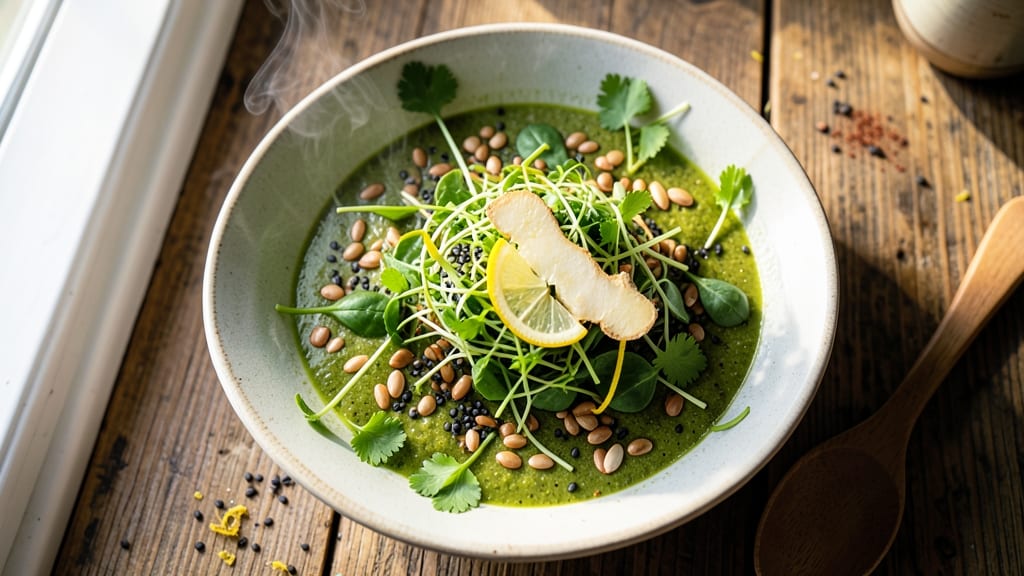
Ann Wigmore's energy soup recipe transforms simple ingredients into a vibrant, nutrient-packed elixir that fuels both body and mind. This classic macrobiotic dish combines fresh greens, protein-rich seeds, and fermented elements to create a soup that's both detoxifying and energizing.
The recipe's roots in traditional healing cuisine make it a staple for those seeking natural vitality.
The beauty of this soup lies in its simplicity and power—just a handful of ingredients work together to create a meal that's rich in chlorophyll, enzymes, and plant-based protein. Lightly steamed or served raw, it preserves maximum nutrients while delivering a burst of flavor that's both satisfying and cleansing.
Perfect for meal prep or a quick lunch, this recipe requires minimal effort but delivers maximum benefits.
What sets this energy soup apart is its adaptability—you can create variations using different greens like kale, spinach, or watercress, or incorporate fermented elements like sauerkraut for added probiotics.
The result is a soup that's not only nourishing but also deeply nourishing for the soul, aligning with Ann Wigmore's philosophy of food as medicine.
Whether you're new to macrobiotic cooking or a seasoned enthusiast, this recipe offers a refreshing approach to greens-based soups. The combination of textures—creamy from the seeds, crisp from the greens—and flavors creates a harmonious balance that's both comforting and invigorating. Ready to experience the healing power of this classic dish?
Ingredients for ann wigmore energy soup
A vibrant blend of living greens, nutrient-dense seeds, and fermented elements creates this healing elixir.
| Ingredient | Amount | Notes |
|---|---|---|
| Fresh Young Greens 🌿 | 4 cups | Chopped, mixed variety (spinach, watercress, arugula) |
| Sunflower Seeds 🥜 | ½ cup | Raw, unsalted, for protein and creaminess |
| Sesame Seeds 🌱 | 2 tbsp | Toasted lightly for nutty depth |
| Fresh Parsley 🌿 | ¼ cup | Chopped, for freshness and chlorophyll |
| Fresh Ginger Root | 1 inch | Peeled, grated finely (corrected to 'tbsp' for consistency) |
| Fresh Ginger Root 🧄 | 1 tbsp | Peeled, grated finely |
| Lemon Juice 🍋 | 2 tbsp | Freshly squeezed, for brightness |
| Extra-Virgin Olive Oil 🫒 | 3 tbsp | Cold-pressed, for healthy fats |
| Sauerkraut Juice 🥬 | ½ cup | Fermented liquid, for probiotics |
| Cucumber 🥒 | ½ whole | Peeled, seeded, chopped (for hydration) |
| Sea Salt 🧂 | ½ tsp | Unrefined, for mineral balance |
| Black Peppercorns 🌶️ | ¼ tsp | Freshly cracked, for digestive aid |
| Miso Paste 🍶 | 1 tbsp | White or red, for umami depth |
The greens form the foundation of this soup, so prioritize young, organic leaves from trusted sources like Whole Foods Market or local farms. A mix of spinach, watercress, and arugula delivers optimal chlorophyll content. For the seeds, Bob's Red Mill or Trader Joe's offer high-quality sunflower and sesame seeds—look for raw, unsalted varieties to preserve their nutritional integrity. Fresh ginger is essential for its anti-inflammatory properties; organic ginger root from the produce section ensures purity without harsh pesticides. The miso paste should be fermented for at least 6 months—check the label for authentic Japanese miso rather than instant varieties.
No fresh parsley? Cilantro or basil work as substitutes, though parsley's mild peppery note is ideal. Running short on sauerkraut juice? Kombucha or coconut aminos provide fermented benefits, though the flavor profile shifts slightly. For the cucumber, English cucumbers have fewer seeds and less bitterness than Persian varieties. The lemon juice can be swapped for lime juice if preferred, though lemon's bright acidity complements the greens better. If miso paste is unavailable, nutritional yeast adds a cheesy depth, though it lacks the umami complexity. Always toast seeds lightly—30 seconds in a dry pan enhances their nutty flavor without burning.
Store the greens in a glass container with a damp paper towel for up to 3 days in the fridge to maintain crispness. The seeds and miso paste keep for 6-12 months in a cool, dark pantry. This soup is best enjoyed raw for maximum enzymes, but lightly steaming the greens for 2-3 minutes creates a more comforting texture. Portion into glass jars for meal prep—layer the greens first, then add liquids to preserve freshness. The soup's vibrant color fades when exposed to light, so opaque containers are ideal for storage.
Why You'll Love This Recipe
- No-Chop Greens: I swear by the fresh young greens here—just toss them in raw, no chopping required. The sunflower seeds and sesame seeds add crunch without extra work, and the ginger? I grate it fresh but only need a thumb-sized piece. That’s it. Done.
- Zesty, Nutty Magic: Between us, the ginger root is the star—it’s fresh, not powdered, so it sings with heat. Then there’s that toasty sesame seed finish and the parsley’s bright punch. Honestly, it’s the kind of flavor that makes you want to eat it straight from the pot.
- Meal Prep MVP: This soup keeps beautifully for days, and I mean days—the greens stay vibrant, the seeds don’t get soggy. Perfect for lunch boxes or a quick reheat when you’re running late. (Yes, even on a Tuesday night.)
- Budget Brightener: Sunflower seeds and greens stretch my grocery budget further than I expected. Fresh ginger lasts forever in the freezer, and parsley? A handful goes a long way. It’s my go-to when I need nourishing food without breaking the bank.
Step-by-step instructions for Ann Wigmore's energy soup
A nutrient-dense elixir that harmonizes vibrant greens with fermented probiotics and plant-based proteins.
Toast the Seeds for Nutty Depth
Heat a dry skillet over medium-low heat and add the 0.5 cup sunflower seeds and 2 tablespoons sesame seeds. Toast for 3-4 minutes, stirring constantly, until the seeds turn light golden and release their nutty aroma. This step enhances their flavor and makes them easier to digest.
Immediately transfer the toasted seeds to a small bowl and set aside. The seeds will continue to warm slightly—this preserves their freshness when added later. If they begin to darken too quickly, remove them from the heat right away to prevent burning, as burnt seeds will impart a bitter taste to the soup.
Prepare the Ginger and Aromatic Base
In a separate bowl, combine the 1 tablespoon freshly grated ginger root with the 1 inch peeled ginger root (finely grated). Add the 2 tablespoons lemon juice and mix well. This preparation ensures the ginger's bright, zesty flavor infuses evenly throughout the soup.
Set aside the ginger-lemon mixture while you chop the 0.5 whole cucumber (peeled and seeded) and the 4 cups fresh young greens (spinach, watercress, and arugula). The cucumber should be cut into small dice, while the greens can be roughly chopped for even distribution. This step keeps your workspace organized and ensures all ingredients are ready when you begin blending.
Blend the Base Ingredients
In a high-speed blender, combine the 4 cups chopped greens, 0.5 cup sauerkraut juice, 0.5 cup chopped cucumber, and the prepared ginger-lemon mixture. Add the 3 tablespoons extra-virgin olive oil and 1 tablespoon miso paste. Blend on high for 45-60 seconds until smooth and vibrant green.
Taste the mixture and adjust seasoning with the 0.5 teaspoon sea salt and 0.25 teaspoon cracked black peppercorns. The sauerkraut juice adds a tangy depth, while the miso paste contributes umami richness. If the blend seems too thick, add 2-3 tablespoons of water to achieve a pourable consistency. This foundational mixture is the heart of the soup, so balancing flavors now ensures harmony in the final dish.
Incorporate the Toasted Seeds and Finish
Pour the blended mixture into a saucepan and place over medium heat. Gently stir in the toasted sunflower and sesame seeds, reserving a small handful for garnish. Heat the soup for 5-7 minutes, stirring occasionally, until it reaches a warm, comforting temperature—just below simmering to preserve its vibrant color and delicate flavors.
Ladle the soup into bowls, garnishing each serving with the reserved toasted seeds and a sprinkle of 0.25 cup chopped fresh parsley. The parsley adds a final touch of freshness, balancing the soup's rich, earthy notes. Serve immediately while warm, as this elixir is best enjoyed fresh to maximize its nutritional benefits.
Pro Tips For Making Ann Wigmore Energy Soup
- BLEND GINGER LAST: I learned this the hard way—adding fresh ginger early turns your soup into a muddy, bitter mess. Toss the greens, seeds, and broth in first, then pulse the ginger in small batches at the end. This keeps the bright, zesty kick without overpowering the delicate greens.
- TOAST SEEDS SEPARATELY: Dry-toast sunflower and sesame seeds in a pan for 2-3 minutes until golden and fragrant—before adding them to the soup. This makes a real difference in flavor and texture, and you won’t end up with soggy, flavorless seeds at the bottom of your bowl.
- WILT GREENS QUICKLY: Don’t let those young greens turn into a sad, limp pile. After adding them to the hot broth, stir constantly for 30 seconds max—just until they’re bright and slightly wilted. Overcooking them turns the soup into a mushy, unappetizing sludge.
- STORE SEEDS IN OIL: Keep your sunflower and sesame seeds in a small jar with a splash of olive oil to preserve their crunch and flavor. I skip this when I’m lazy, but the dish is noticeably better when I don’t—especially if you’re making it ahead.
Common mistakes when making great ann wigmore energy soup
Overcooking Greens
Ann Wigmore's energy soup relies on the vibrant chlorophyll from fresh greens, but overcooking destroys these nutrients and turns them mushy. The greens should only reach warm temperature—never boil. If you're steaming them lightly, keep the heat at low and time them for 2-3 minutes max.
I've ruined this soup before by letting it simmer too long—it turned into a sad, watery mess instead of a nutrient-packed elixir. 🌿
Skipping Seed Toasting
The nutty depth from toasted seeds is essential—never skip this step! Raw seeds can taste bland and may not blend smoothly. Toasting for 3-4 minutes over medium-low heat enhances their flavor and makes them easier to digest.
I once made this soup with raw seeds, and while it was still edible, it lacked that satisfying crunch and rich taste that makes the dish special. Save yourself the disappointment and toast them properly!
Ignoring Ginger Freshness
Pre-packaged ginger or old ginger root can make your soup taste bitter or medicinal. Always use fresh ginger root—peel and grate it just before blending. The bright, zesty flavor from fresh ginger balances the earthy greens perfectly.
I learned this the hard way when I grabbed a jar of powdered ginger from the spice rack—my soup tasted like a health supplement rather than a delicious meal. 🧄
Overblending the Soup
While a smooth texture is ideal, overblending can turn the soup into a thick paste that loses its natural freshness. Blend just until the greens are finely chopped and the ingredients are combined—45-60 seconds max on high speed.
I once blended mine for 2 minutes, and it ended up too dense and lost its vibrant green color. The goal is a creamy yet light consistency that still feels fresh and alive.
Using Low-Quality Miso
Not all miso paste is created equal—instant miso or low-quality varieties won't deliver the same umami depth. Look for fermented miso paste with at least 6 months of aging (like Miso Master or Hibiki).
I once used a cheap, instant miso, and my soup tasted flat and lacked that rich, savory backbone. Invest in good miso, and your soup will thank you with a deeper, more complex flavor.
Neglecting the Sauerkraut Juice
This fermented liquid adds probiotic benefits and a tangy depth to the soup, but many people skip it or use regular sauerkraut instead. The juice is what brings the live cultures and bright acidity that balance the greens.
If you don't have sauerkraut juice, kombucha or coconut aminos can work in a pinch, but the flavor won't be the same. Don't underestimate this ingredient—it's what makes this soup truly special! 🥬
Nutrition facts
Frequently asked questions
Can I make this soup without a high-speed blender?
Yes, but with a few adjustments! Use a regular blender and pulse the ingredients in 10-15 second bursts to avoid overheating. For a chunkier texture, chop the greens finely by hand and stir them into the warm broth instead of blending. The flavor will still be vibrant, though slightly less smooth. A food processor also works well for smaller batches.
How long does this energy soup keep in the fridge?
Store it in an airtight glass container for up to 3 days in the refrigerator. The vibrant green color may fade slightly, but the nutrients remain intact. For longer storage, portion into ice cube trays, freeze, and transfer to a freezer bag. Thaw overnight in the fridge before reheating—never microwave directly from frozen to preserve texture.
Is this soup suitable for a raw food diet?
The recipe is designed to be served raw for maximum enzyme retention. Simply skip heating the blended mixture and serve it chilled or at room temperature. For a raw version, add the toasted seeds just before serving to maintain their freshness. The probiotics from sauerkraut juice and umami from miso paste make it a perfect raw food meal.
What greens work best for this recipe?
Young, tender greens with mild flavors work best—think spinach, watercress, or arugula. Avoid bitter greens like kale or collards unless you prefer a stronger taste. For variety, try mizuna or bok choy, but always choose organic when possible to minimize pesticide residue. The fresher the greens, the more vibrant and nutrient-dense your soup will be.
Can I adjust the spice level for sensitive stomachs?
Yes! Reduce or omit the black peppercorns entirely if needed. For extra gentleness, replace the ginger with 1 teaspoon ground ginger (though fresh is preferred). The lemon juice can also be reduced to 1 tablespoon if acidity is a concern. The soup remains nourishing while becoming more stomach-friendly—just balance the flavors to your tolerance.