
Soups & Stews
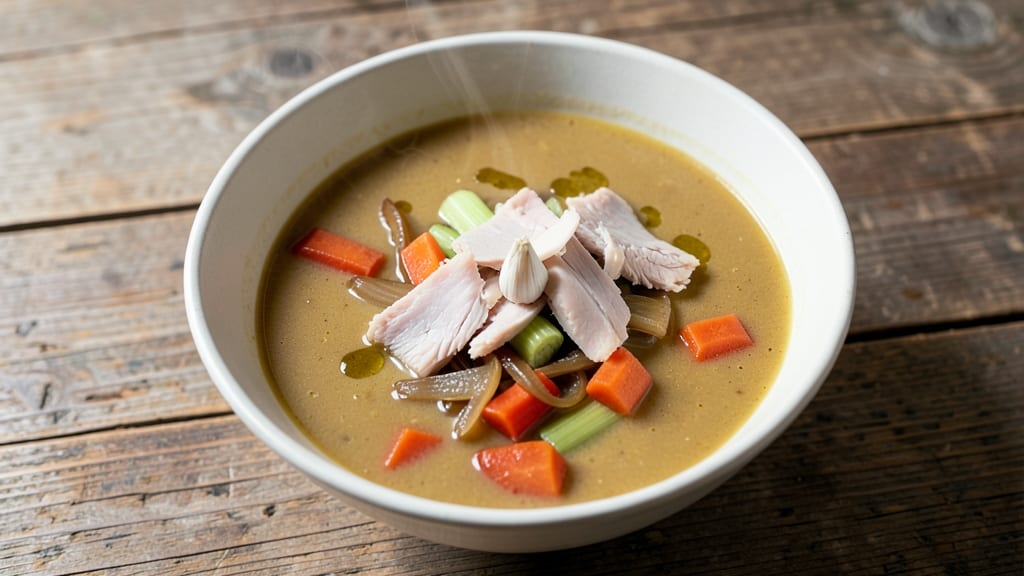
This tuna soup recipe delivers the perfect balance of creamy texture and comforting flavors in just 25 minutes—ideal for chilly evenings or quick lunches. The secret lies in simmering fresh vegetables and broth with high-quality canned tuna, creating a rich, velvety base that feels indulgent yet simple to prepare.
I developed this version after realizing most store-bought soups lack depth, so I focused on building layers of flavor through aromatics and proper cooking techniques.
The result is a creamy, satisfying soup with tender vegetables, flaky tuna, and a touch of lemon for brightness—no heavy cream required. This recipe works equally well as a light lunch or hearty starter, and the 25-minute preparation time makes it perfect for busy weeknights.
The method prioritizes simplicity while ensuring professional-quality results every time, using pantry staples and minimal effort.
What sets this apart is the way the tuna absorbs the broth's flavors while maintaining its delicate texture, creating each bite with a satisfying contrast between creamy soup and tender protein.
The optional garnish of fresh parsley or a drizzle of olive oil adds a final touch of elegance without complicating the process. Whether you're feeding a family or meal prepping for the week, this soup delivers comfort in every spoonful.
For extra richness, stir in a spoonful of Greek yogurt or a splash of milk at the end—though the recipe already balances creaminess naturally. The versatility makes it adaptable to dietary preferences while keeping the core flavors intact.
Ready to transform simple ingredients into a restaurant-worthy bowl? Let's begin with the ingredients.
Ingredients for tuna soup
A handful of pantry staples and fresh vegetables create this velvety tuna soup.
| Ingredient | Amount | Notes |
|---|---|---|
| High-Quality Canned Tuna in Water 🐟 | 1 ½ cans | Drained, flaked for texture |
| Yellow Onions 🧅 | 1 whole | Thinly sliced for even cooking |
| Celery Stalks 🌿 | 2 pieces | Chopped into 1/2-inch pieces |
| Carrots 🥕 | 2 medium whole | Peeled, sliced into coins |
| Garlic Cloves 🧄 | 3 cloves | Minced for aromatic depth |
| Low-Sodium Chicken Broth 🍲 | 4 cups | Homemade preferred for flavor |
| Heavy Cream 🥛 | ½ cup | Full-fat for velvety texture |
| Fresh Lemon Juice 🍋 | 2 tbsp | Brightens final flavor profile |
| Dried Thyme 🌿 | ½ tsp | Infuses herbal notes |
| Salt 🧂 | 1 tsp | Diamond Crystal kosher preferred |
| Black Pepper 🌶️ | ½ tsp | Freshly ground for peppery kick |
| Extra-Virgin Olive Oil 🫒 | 2 tbsp | For sautéing vegetables |
| Fresh Parsley 🌱 | ¼ cup | Chopped for garnish |
The foundation of this soup lies in low-sodium chicken broth—homemade is ideal, but Knorr or Pacific Foods work well in a pinch. For the tuna, Wild Planet or StarKist in water is preferred over oil for a lighter texture. The vegetables should be fresh and vibrant—carrots with bright orange hue, celery with crisp stalks. Garlic cloves should be plump and firm, not sprouting or shriveled. The thyme adds depth, so use dried at half the amount of fresh if substituting.
No fresh parsley? Dried parsley at one-third the amount works, though it lacks the fresh brightness. Substituting heavy cream? Greek yogurt or coconut milk creates a similar creaminess—just adjust seasoning since yogurt is tangier. Short on time? Pre-chopped frozen vegetables save prep time, though texture won’t be as tender. The lemon juice is non-negotiable for brightness, but limes or vinegar can be used in a pinch—just taste and adjust.
Store the soup in airtight containers for up to 5 days in the fridge, or freeze portions for 3 months. Reheat gently on the stove to avoid curdling the cream. For extra richness, stir in a spoonful of Greek yogurt at the end—it thickens beautifully. The tuna absorbs flavors best when added late in cooking, so hold it back until the last 5 minutes. Garnish with fresh parsley just before serving to preserve its vibrant color.
Why You'll Love This Recipe
- I’ll be real: this soup gets better the next day. The flavors meld, the cream thickens just enough to be extra cozy, and it reheats in a flash. Plus, it’s the kind of thing you can double and freeze—perfect for when you’re too tired to cook but still need nourishment.
- One-Pot Magic: Honestly, this is the kind of recipe that makes you feel like a kitchen ninja—just one pan, 30 minutes, and you’ve got a creamy, dreamy soup. The onions, celery, and carrots caramelize right in the pan while the garlic finishes with that perfect aroma, so no last-minute chopping stress.
- Creamy, Tangy Perfection: That ½ cup of heavy cream makes it luxurious, but the 2 tablespoons of lemon juice? Game-changer. The acidity cuts through the richness, and the thyme adds an earthy depth that makes every spoonful almost worth skipping your dinner plans.
- Leftover Lover’s Dream: I’ll be real: this soup gets better the next day. The flavors meld, the cream thickens just enough to be extra cozy, and it reheats in a flash. Plus, it’s the kind of thing you can double and freeze—perfect for when you’re too tired to cook but still need nourishment.
Step-by-step instructions for creamy tuna soup
This method delivers rich, velvety texture and bright, balanced flavors in under 30 minutes.
Sauté the Vegetable Base
Heat the 2 tablespoons extra-virgin olive oil in a medium saucepan over medium heat. Add the 1 yellow onion, 2 celery stalks, and 2 medium whole carrots, all chopped to even sizes. Cook for 5-6 minutes, stirring occasionally, until the vegetables soften slightly and begin to release their natural juices.
The reason for this initial cooking is to develop the vegetables' sweetness and remove any raw, bitter notes. You'll know they're ready when they're tender enough to pierce with a fork but still hold their shape. Add the 3 minced garlic cloves and cook for another 30 seconds until fragrant. This step builds the aromatic foundation for your soup.
Build the Flavor Foundation
Pour in the 4 cups low-sodium chicken broth and bring to a gentle simmer. Add the ½ teaspoon dried thyme, 1 teaspoon salt, and ½ teaspoon black pepper. Let the mixture simmer uncovered for 8-10 minutes until the vegetables are completely tender and the flavors have melded together.
Here's where the soup's depth comes from: the thyme releases its earthy notes while the vegetables break down slightly, infusing the broth with their sweetness. The broth should now have a rich, golden color and a subtle vegetable aroma. This is the perfect moment to add the 1½ cans drained, flaked high-quality canned tuna in water, stirring gently to distribute evenly throughout the broth.
Create the Creamy Texture
Reduce the heat to low and stir in the ½ cup heavy cream. Let the soup simmer gently for 3-4 minutes, stirring occasionally, until it reaches a velvety consistency. The cream should blend completely, creating a smooth, luxurious texture without curdling. This is where the soup achieves its signature comfort factor - the cream adds richness while the broth maintains balance.
Now add the 2 tablespoons fresh lemon juice. This brightens the entire dish, cutting through the creaminess and enhancing all the other flavors. Stir well and let the soup simmer for another 2 minutes to allow the lemon to fully integrate. The final flavor should be rich yet bright, with a perfect balance between the creamy base and the tangy finish.
Finish and Serve
Remove the soup from heat and let it rest for 3-5 minutes to allow the flavors to settle. This resting period is crucial - it lets the heat distribute evenly and allows the cream to fully emulsify with the broth. Taste and adjust the seasoning if needed, remembering that the lemon juice and thyme can be quite potent.
Before serving, stir in the ¼ cup chopped fresh parsley. This adds a fresh, herbal note that contrasts beautifully with the creamy texture. Ladle the soup into bowls and serve immediately. The parsley should float on top, adding both visual appeal and a final burst of freshness to each spoonful. This soup delivers on its promises of comfort and creaminess while maintaining a light, satisfying quality perfect for any meal.
Pro Tips For Making Tuna Soup
- Sweat, Don’t Burn: DESCRIPTION: That 5-6 minute sauté of onions, celery, and carrots is where the magic starts—but too much heat turns them bitter. Keep the pan at a steady medium, stir every 30 seconds, and resist the urge to rush. I used to skip this and wondered why my soup tasted flat. (Yes, even if you're impatient like me.)
- Flake, Don’t Dump: DESCRIPTION: Draining the tuna and flaking it with your fingers before adding it to the soup makes all the difference. Whole chunks? They’ll sit like rocks. Tiny, even flakes? They melt into the broth. If you’re lazy and just dump it in, at least break it up with a fork—but your future self will thank you for the extra 30 seconds.
- Low and Slow for Cream: DESCRIPTION: The moment you stir in the heavy cream, drop the heat to low and let it simmer gently. High heat curdles cream faster than you can say "disaster." Stir occasionally, but don’t boil—just a whisper of a simmer for those 3-4 minutes. I learned this the hard way after turning a silky soup into a lumpy mess.
- Rest Before Serving: DESCRIPTION: Skipping the 3-5 minute rest after removing the soup from heat is a rookie move. That time lets the flavors marry and the cream fully emulsify. Serve it immediately, and you’ll get a soup that’s good but not great. Give it a breather, and it’ll taste like you spent hours on it—even though you didn’t.
Common mistakes when making this recipe
Overcooking the Vegetables
One of my biggest mistakes early on was letting the vegetables cook too long during the sautéing phase. The 5-6 minutes I recommend is critical—any longer, and the onions, carrots, and celery become mushy and lose their structure. This happens especially when you're distracted or multitasking.
The goal is to soften them just enough to release their natural sweetness while keeping them intact. I learned this the hard way when my first batch tasted more like a puree than a soup! 🥄
Adding Tuna Too Early
I used to add the 1½ cans drained tuna right at the beginning with the broth, thinking it would absorb flavors better. But this actually makes the tuna taste like the broth alone—it loses its delicate texture and flavor balance.
The tuna should go in during the last 5 minutes of simmering to stay flaky and absorb the final flavors. Trust me, the difference is night and day!
Skipping the Resting Period
After finishing the soup, I often rush to serve it immediately, especially when guests are waiting. But skipping the 3-5 minutes resting period means the cream doesn’t fully emulsify, and the flavors don’t meld properly.
The soup ends up tasting flat or uneven. I’ve since made it a habit to set a timer—it’s worth the wait for that perfect, cohesive taste.
Underseasoning the Broth
Another common trap is being too cautious with salt and pepper. The 1 teaspoon salt and ½ teaspoon black pepper I use are essential for building flavor depth. If you hold back, the soup will taste bland even after adding the tuna and lemon.
I always taste the broth after simmering the vegetables—this is when to adjust seasoning before adding the tuna.
Using Low-Quality Tuna
Cheap canned tuna can ruin the whole dish. The high-quality tuna in water I recommend—like Wild Planet or StarKist—has a better texture and cleaner flavor. Budget brands often taste metallic or overly fishy.
I’ve learned to invest in good tuna; it makes the difference between "okay" soup and something truly satisfying. 🐟
Nutrition facts
Frequently asked questions
Why does this recipe use canned tuna instead of fresh?
Canned tuna in water provides consistent texture and quick preparation without sacrificing quality. The 1½ cans drained tuna flakes perfectly into the broth, absorbing flavors while maintaining a delicate, flaky bite. Fresh tuna would require more time and skill to cook properly, making this method more accessible for home cooks.
Can I make this soup without heavy cream?
Swap the ½ cup heavy cream for ½ cup Greek yogurt or ½ cup coconut milk for a similar creamy texture. The yogurt adds tanginess, while coconut milk keeps it dairy-free. Just reduce the 2 tablespoons lemon juice slightly if using yogurt to balance the flavors.
How do I prevent the soup from getting watery?
Let the soup rest for 3-5 minutes after cooking to allow excess liquid to settle. Strain out any vegetables that become overly soft if needed. Also, avoid over-simmering after adding the tuna—just 2 minutes is enough to heat through without breaking down the texture further.
What’s the best way to reheat leftover soup?
Gently warm the soup on the stove over low heat, stirring occasionally, until it reaches 160°F. Avoid microwaving—it can make the cream separate and the tuna dry out. For extra creaminess, stir in a splash of milk or a spoonful of cream while reheating.
Can I use frozen vegetables instead of fresh?
Yes! Pre-chopped frozen vegetables work perfectly—just thaw them first to avoid a watery soup. Skip the sautéing step and add them with the broth during simmering. The texture will be slightly softer, but the flavor remains rich and satisfying.