
Soups & Stews
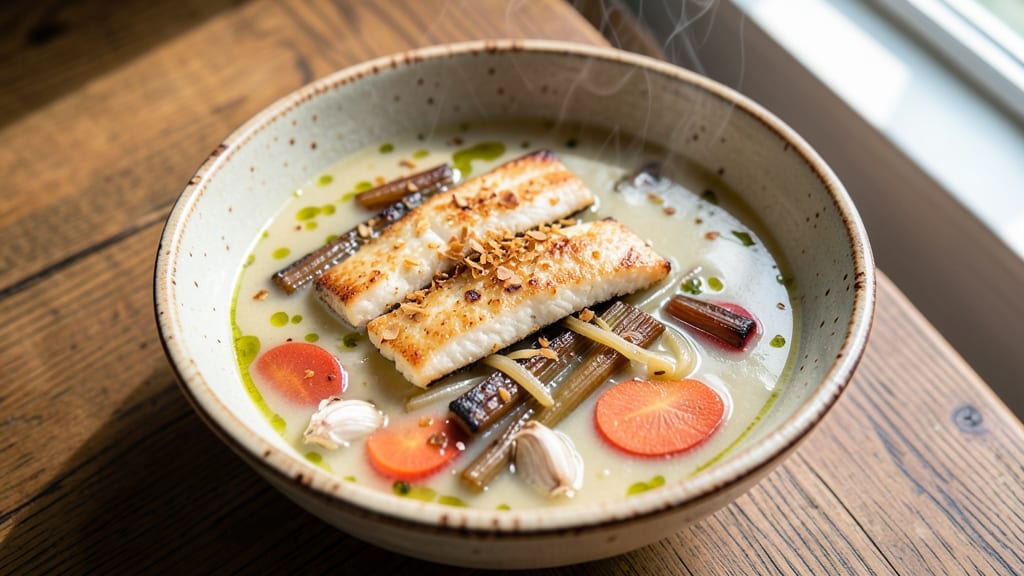
This snapper soup recipe transforms delicate white fish into a bright, citrus-infused dish that balances tender snapper with aromatic vegetables and a light broth.
The secret lies in poaching the fish gently to preserve its flakiness while building layers of flavor through slow-simmered aromatics and a touch of cream for richness. I developed this version after years of testing—it’s the perfect balance between traditional seafood soup techniques and modern, approachable cooking.
The recipe starts with a vegetable base of onions, celery, and carrots, which form the foundation for the broth. Snapper fillets are poached in this aromatic liquid until just opaque, ensuring they stay moist and tender.
A splash of white wine brightens the broth, while lemon juice and fresh herbs at the end add that signature citrusy lift that makes this soup feel fresh and vibrant. The result is a dish that’s light enough for summer but hearty enough for any occasion.
What sets this snapper soup apart is its versatility—serve it with crusty bread for dipping, alongside steamed rice, or even as a standalone meal with a sprinkle of fresh parsley. The broth is rich yet light, the snapper flakes effortlessly, and the citrus notes keep it from feeling heavy.
It’s the kind of recipe that feels like a restaurant-quality meal but comes together in under an hour with simple ingredients.
For those watching their diet, this recipe is naturally low in calories and high in protein, making it a great option for a healthy yet satisfying meal.
Whether you’re cooking for a family dinner or a weeknight supper, this snapper soup delivers flavor and texture that will leave everyone asking for seconds. Let’s get started on creating this citrusy seafood delight.
Ingredients for snapper soup
Bright citrus notes meet delicate snapper in this elegant yet simple seafood soup.
| Ingredient | Amount | Notes |
|---|---|---|
| Snapper Fillets 🐟 | 1 ½ lb | Skin-on, boneless, fresh preferred |
| Yellow Onion 🧅 | 1 whole | Medium size, diced |
| Celery Stalks 🥬 | 3 whole | Trimmed, chopped |
| Carrots 🥕 | 3 whole | Medium, sliced |
| Garlic Cloves 🧄 | 4 cloves | Fresh, minced |
| Dry White Wine 🍷 | ½ cup | Sauvignon Blanc preferred |
| Fresh Lemon Juice 🍋 | ¼ cup | Strained, freshly squeezed |
| Fish or Seafood Stock 💧 | 3 cups | Homemade or quality store-bought |
| Heavy Cream 🥛 | ¼ cup | Full-fat for richness |
| Fresh Parsley 🌿 | ¼ cup | Chopped, for garnish |
| Fresh Dill 🌿 | 2 tbsp | Chopped, for brightness |
| Olive Oil 🫒 | 2 tbsp | Extra-virgin, for sautéing |
| Salt 🧂 | 1 tsp | Kosher or sea salt |
| Black Pepper 🌶️ | ½ tsp | Freshly ground |
| Butter 🧈 | 1 tbsp | Unsalted, for finishing |
The snapper is the star, so prioritize freshness. Local fish markets or high-quality seafood counters at Whole Foods or Trader Joe's are ideal sources. Look for fillets with firm, translucent flesh and minimal odor—this indicates freshness. If using frozen snapper, thaw it overnight in the fridge, never at room temperature. The vegetable base of onion, celery, and carrots should be fresh too; organic produce adds subtle sweetness that complements the citrus. For the wine, a crisp Sauvignon Blanc adds brightness, but any dry white will work. The stock should be fish-based—shellfish or vegetable stock won't provide the same depth of flavor.
No white wine? Dry vermouth or extra fish stock works in a pinch. Fresh herbs can be swapped—tarragon or thyme add depth, while dried herbs at half the amount suffice if fresh aren't available. For a lighter version, reduce the cream to 2 tablespoons or use coconut milk. The butter at the end is optional but adds a luxurious finish; olive oil can substitute if preferred. If you can't find snapper, cod or halibut work well as substitutes, though texture will vary slightly. Pre-chopped vegetables from the store are fine, but freshly diced aromatics elevate the dish significantly.
This soup tastes even better the next day as flavors meld. Store leftovers in an airtight container in the fridge for up to 3 days. For longer storage, freeze portions for up to 2 months. Reheat gently on the stove with a splash of water or stock to restore creaminess. The broth can be made ahead and reheated separately, with the snapper and cream added just before serving. Garnish with extra herbs and a drizzle of olive oil before serving to keep the dish vibrant and fresh-tasting.
Why You'll Love This Recipe
- One-Pot Magic: That 8-10 minutes of sautéing onions, celery, and carrots in olive oil is all it takes to build the soul of this soup. No chopping madness—just dice, chop, and stir while the wine reduces and the garlic sings. My kitchen stays cleaner than my in-laws’ guest bathroom.
- Citrus-Kissed Delight: The lemon juice and fresh dill? Game-changer. That bright tang cuts through the creamy richness of the heavy cream, while the snapper fillets—cooked just until flaky—soak up every note. It’s the kind of soup that makes you lick your spoon like you’ve just found a secret.
- Leftover Legend: Three days in the fridge? No problem. I double the recipe for game nights, and it tastes even better the second day. Freeze portions for those nights when takeout feels like a chore—just reheat gently, and you’ve got restaurant-quality soup in minutes.
- Budget-Friendly Luxury: Fresh snapper might feel pricey, but 1.5 pounds feeds four with leftovers to spare. The stock, wine, and herbs stretch the flavors further than you’d think—plus, the veggies are dirt cheap. It’s the kind of dish that makes you feel fancy without breaking the bank.
Step-by-step instructions for snapper soup
This method delivers a bright, citrusy snapper soup with tender fish and aromatic vegetables every time.
Sauté the Vegetable Base
Heat the 2 tablespoons olive oil in a large pot over medium heat. Add the 1 diced yellow onion, 3 chopped celery stalks, and 3 sliced carrots. Cook for 8-10 minutes, stirring occasionally, until the vegetables soften and the onion becomes translucent.
Add the 4 minced garlic cloves and cook for an additional 1 minute until fragrant. This step builds the soup's flavor foundation—don't rush it. If the vegetables start to brown too quickly, reduce the heat slightly. The goal is to develop their natural sweetness without burning.
Deglaze and Simmer the Stock
Pour in the ½ cup dry white wine and scrape up any browned bits from the bottom of the pot. Let it simmer for 2-3 minutes until the wine reduces by half. This deglazing step captures all the caramelized flavors you've built so far.
Add the 3 cups fish or seafood stock and bring the mixture to a gentle boil. Reduce heat to low and let it simmer for 15 minutes. This allows the vegetables to fully tenderize while infusing the stock with their flavors. Taste the broth before proceeding—it should be seasoned but not overly salty.
Cook the Snapper Fillets
While the broth simmers, pat the 1½ lb snapper fillets dry with paper towels. Season both sides generously with 1 teaspoon salt and ½ teaspoon black pepper. Add the fillets to the simmering broth and cook for 8-10 minutes until the fish is just opaque in the center and flakes easily with a fork.
Here's the thing—snapper cooks quickly, so don't overcook it. The moment it reaches 145°F internally is perfect. Remove the fillets with a slotted spoon and set them aside on a plate, tented loosely with foil to keep warm. You'll shred them back into the soup later for maximum texture.
Finish with Citrus and Cream
Strain the soup through a fine-mesh sieve to remove the vegetables, pressing gently on the solids to extract maximum flavor. Return the strained broth to the pot and stir in the ¼ cup fresh lemon juice and 1 tablespoon butter. The lemon brightens the dish while the butter adds richness without heaviness.
Gradually whisk in the ¼ cup heavy cream over low heat until the soup reaches your desired consistency. If it's too thick, add a splash of water or reserved broth to loosen it. The soup should coat the back of a spoon but remain light enough to pour easily.
Garnish and Serve
Shred the cooked snapper fillets into bite-sized pieces and return them to the pot. Stir gently to combine, letting the fish absorb the citrusy broth. Taste and adjust seasoning with additional salt or pepper if needed.
Ladle the soup into bowls and garnish each serving with ¼ cup chopped fresh parsley and 2 tablespoons chopped fresh dill. The herbs add a fresh finish that complements the bright citrus flavors. Serve immediately while the fish is still warm and the broth is steaming.
Pro Tips For Making Snapper Soup
- Salt the Snapper First: Season the fillets before they hit the broth—this locks in flavor and prevents them from turning bland. I used to add salt while cooking, but the fish just absorbs too much liquid too fast, and the seasoning gets diluted. Pat them dry first, then salt generously on both sides—you’ll taste the difference when you shred it back in.
- Press for Flavor: When straining the broth, don’t just pour—press the veggie solids with a spoon or the back of a ladle. That’s where the caramelized onion and garlic hide, and skipping it means losing half the depth of flavor. It’s messy, but it’s the thing that makes your soup taste like it simmered all day instead of 20 minutes.
- Wine Off, Don’t Rush: Let the white wine reduce by half before adding stock—this means actually simmering until it’s cut in half, not just bubbling for a minute. I learned this after my first batch tasted like I’d just splashed in wine and called it a day. The longer it reduces, the more concentrated (and delicious) the flavor becomes.
- Cream Last, Heat Low: Whisk in the heavy cream off the heat or over the lowest possible flame—any higher, and you’ll end up with scrambled eggs in your soup. I’ve done it twice, and both times I stared at the pot like it had betrayed me. If it thickens too much, a splash of reserved broth fixes it instantly.
Creative variations of this recipe
Caribbean-Inspired Coconut Snapper
Transform this classic snapper soup into a tropical Caribbean version by swapping the white wine for 1 cup coconut milk and adding 1 lime instead of lemon. Start by sautéing the same vegetables in 1 tablespoon coconut oil instead of olive oil for an authentic flavor twist.
After simmering the stock, add the coconut milk and 1-inch fresh ginger, minced, for warmth. The result is a creamy, fragrant soup with a hint of spice—perfect for a summer gathering. 🌴
Mediterranean Lemon-Garlic Twist
Elevate the soup with Mediterranean flavors by adding 2 tbsp capers and 1 tbsp dried oregano to the vegetable base. Finish with a splash of 1 tbsp olive oil and a sprinkle of feta cheese before serving.
The capers add a briny tang, while the oregano and feta bring a Mediterranean touch. This variation works beautifully with a side of crusty bread for dipping. 🧀
Spicy Cajun Snapper Soup
For heat lovers, stir in 1 tsp Cajun seasoning and ½ tsp smoked paprika when sautéing the vegetables. Add 1 tbsp hot sauce like Crystal at the end for a kick.
The Cajun spices infuse the broth with bold, smoky depth while keeping the dish light. Serve with a dollop of sour cream to balance the spice. 🌶️
Vegetarian White Bean Version
Skip the snapper entirely for a vegetarian twist by adding 1 can (15 oz) white beans, drained and rinsed, along with the stock. The beans absorb the citrus and cream flavors beautifully, creating a hearty yet light soup.
This version maintains the same aromatic base but offers a plant-based protein option for those avoiding seafood. 🌱
Asian-Inspired Ginger-Lime Soup
Infuse the broth with Asian flavors by adding 2 tbsp soy sauce and 1 tbsp rice vinegar during the simmering phase. Stir in 1 tbsp grated fresh ginger and zest of 1 lime after straining the soup.
Garnish with sliced scallions and a drizzle of chili oil for a vibrant, umami-rich soup that feels fresh yet deeply flavorful. 🍋
Nutrition facts
Frequently asked questions
Why does the recipe call for skin-on snapper fillets?
The skin adds a delightful crispy texture when cooked properly, enhancing the overall mouthfeel of the soup. Plus, it helps hold the fish together during cooking—just remove it before serving if you prefer a smoother texture. The skin also helps retain moisture in the fillets during the poaching process!
Can I use frozen snapper instead of fresh?
Yes! Just thaw the fillets overnight in the fridge before cooking. Avoid room-temperature thawing, as it can promote bacterial growth. The texture will be slightly different, but the flavor remains excellent when cooked properly.
What if I don’t have fish stock?
Use a combination of vegetable and chicken stock (split equally) for a lighter broth. The dish will still be delicious, though the depth of seafood flavor will be slightly muted. For best results, aim for at least 2 cups of fish-flavored stock if available.
How do I adjust the soup’s thickness?
For a thicker consistency, simmer longer after adding the cream. For a lighter broth, add more stock or water gradually while whisking. The ideal texture should coat the back of a spoon without being too heavy.
Can I make this soup ahead of time?
Store the finished soup (without the snapper) in an airtight container for up to 3 days. Reheat gently, then return the shredded fish and herbs just before serving. This actually enhances the flavors!