
Soups & Stews
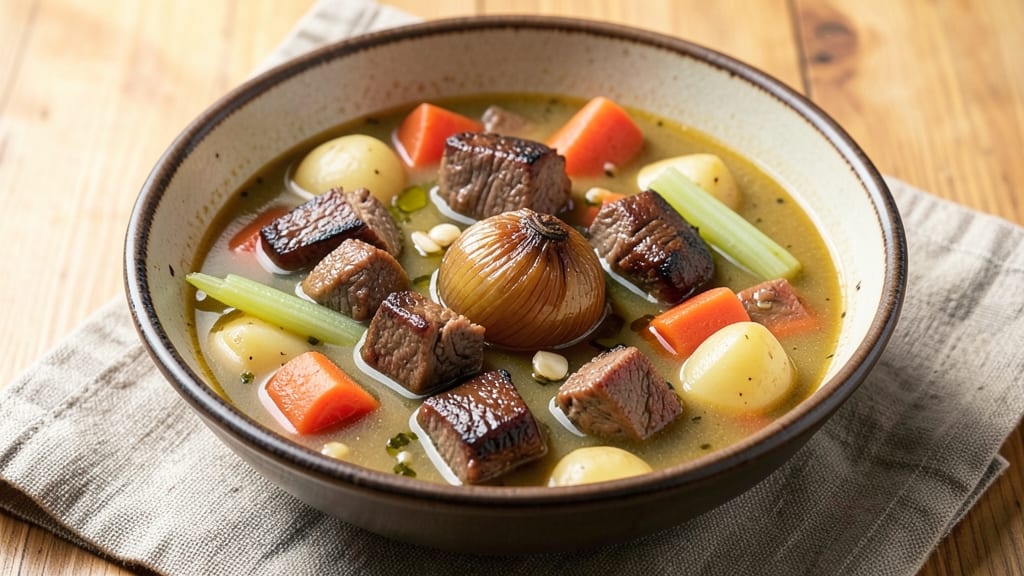
Ree Drummond’s classic soup recipe delivers the kind of hearty, slow-simmered comfort that warms a house and feeds a family. This beef and vegetable masterpiece builds deep flavor through hours of gentle cooking, transforming simple ingredients into something truly special.
The secret lies in letting everything meld together—carrots sweetening, onions caramelizing, and beef melting into tender perfection.
What makes this soup truly classic is Ree’s signature approach: a rich, well-seasoned broth that forms the foundation, balanced with vegetables that soften just enough to release their natural sweetness.
There’s no shortcut here—just time, patience, and the kind of homey details that turn an ordinary meal into a memorable one. The result is a bowl of soup that’s both nourishing and deeply satisfying, the kind you’ll crave long after the last spoonful.
By the time you’re done, you’ll have a pot of soup that smells like home and tastes like love—golden broth dotted with tender beef, carrots that glisten with caramelized edges, and potatoes that break apart with the slightest stir.
It’s the recipe that makes weeknights feel like celebrations, and the one your family will ask for again and again. Ready to make it?
This soup is designed to be adaptable—use it as a standalone meal or pair it with crusty bread to soak up every last drop of that rich, flavorful broth.
The beauty of Ree’s method is that it’s both approachable and impressive, proving that the best comfort food doesn’t require fancy techniques, just time and care. Let’s get started on creating something that feels like a hug in a bowl.
Ingredients for ree drummond classic soup
Pantry staples and a few fresh veggies. Slow cooking turns simple ingredients into something truly special.
| Ingredient | Amount | Notes |
|---|---|---|
| Chuck Roast 🥩 | 2 ½ lb | Cut into 1.5-inch chunks |
| Yellow Onions 🧅 | 2 whole | Medium, chopped |
| Carrots 🥕 | 4 whole | Large, peeled, chopped |
| Russet Potatoes 🥔 | 2 lb | Peeled, cubed |
| Celery Stalks 🧅 | 4 whole | Trimmed, chopped |
| Garlic Cloves 🧄 | 6 cloves | Peeled, smashed |
| Beef Broth 💧 | 6 cups | Low-sodium preferred |
| Tomato Paste 🍅 | ½ cup | Smooth, not chunky |
| Dried Thyme 🌿 | 1 tbsp | Or 1 tbsp fresh thyme |
| Bay Leaves 🍃 | 2 whole | Remove before serving |
| Salt 🧂 | 1 ½ tsp | Kosher or sea salt |
| Black Pepper 🌶️ | 1 tsp | Freshly ground |
| All-Purpose Flour 🌾 | 1 tbsp | For thickening broth |
| Extra-Virgin Olive Oil 🫒 | 2 tbsp | For sautéing |
The chuck roast is the star—look for good marbling at Costco or your local butcher. Pre-cut chunks save time, but if you're feeling ambitious, trim the fat and cut it yourself. Carrots should be firm and bright orange—skip any with soft spots. For the broth, low-sodium is key; you'll be adding plenty of salt later. I always grab a large box of beef broth from Walmart or Target—it keeps for months in the freezer. The tomato paste? Smooth is non-negotiable—chunky paste won't blend in right.
No chuck roast? Beef stew meat works too, but it won't be as tender. Fresh thyme missing? Dried at one-third the amount is fine, but it won't have the same depth. The flour is just for thickening—cornstarch works too if you've got it. For the veggies, baby carrots or pre-chopped celery from the Trader Joe's freezer section are lifesavers. The potatoes can be Yukon golds if you prefer—just cube them evenly so they cook at the same rate. And if you're short on olive oil, butter works just as well for sautéing.
This soup tastes even better the next day—double the batch if you can. Keeps for 5 days in the fridge, freezes beautifully for up to 6 months. I always make a big pot on Sunday and portion it into containers for the week. The broth reduces as it sits, so add a splash of water or broth when reheating. And if you've got leftover broth? Freeze it for next time—it's liquid gold.
Why You'll Love This Recipe
- One-Pot Magic: Honestly, this recipe is my secret weapon for nights when I’d rather avoid a million pans. Chuck it all in one Dutch oven, let it simmer while I zone out, and boom—dinner’s done. The seared chuck roast and caramelized tomato paste give it that deep, savory kick without the cleanup.
- Flavor Bomb: Between the garlic that’s just barely toasted, the dried thyme that lingers, and the bay leaves that infuse the broth like magic, this stew is ridiculously good. The extra-virgin olive oil sear on the beef? Chef’s kiss. It’s the kind of dish where you take your first spoonful and think, “Yes, this is why I cook.”
- Feeds a Crowd (or Your Couch): I make this for game nights, lazy Sundays, or when my roommates show up unannounced—it’s the ultimate crowd-pleaser. And here’s the kicker: the potatoes and carrots soak up all that rich beef broth, making every bite hearty enough to satisfy even the hungriest hangover. Leftovers? Even better the next day.
- Budget-Friendly Luxe: Chuck roast is one of the most affordable cuts, and this recipe stretches it into something that feels like a restaurant meal. The low-sodium beef broth keeps costs down without sacrificing flavor, and the flour thickens it naturally so you’re not paying for fancy ingredients. Five days in the fridge? Six months in the freezer? This is the kind of dish that actually pays you back.
Step-by-step instructions for Ree Drummond's classic beef stew
Here's how to build this hearty, slow-simmered classic that brings out the best in every ingredient.
Sear the Chuck Roast for Deep Flavor
Heat a large Dutch oven over medium-high heat and add the 2 tablespoons extra-virgin olive oil. Once shimmering, add the 2½ pound chuck roast in a single layer. Let it sear undisturbed for 5 minutes per side until deeply browned—this builds rich flavor that infuses the soup. If needed, work in batches to avoid crowding the pan.
Once browned, remove the roast and set it aside. You'll notice the meat releases some juices and fond (browned bits) in the pan—this is pure flavor gold that we'll develop into the sauce. Don't wipe out the pan; those bits are essential for the stew's depth.
Sauté the Vegetable Base
In the same Dutch oven, add the 2 chopped yellow onions, 4 chopped carrots, 4 chopped celery stalks, and 6 smashed garlic cloves. Cook over medium heat for 8-10 minutes, stirring occasionally, until the vegetables soften and the onions turn translucent. The garlic should be fragrant but not browned—watch it closely as it burns quickly.
Here's where it gets good: Stir in the ½ cup tomato paste and cook for another 2 minutes, letting it caramelize slightly. This step deepens the soup's color and adds a subtle sweetness that balances the hearty beef. The tomato paste will blend seamlessly into the broth, creating a velvety base.
Build the Rich Broth Foundation
Sprinkle the 1 tablespoon all-purpose flour over the vegetables and stir for 1 minute to toast lightly. This helps thicken the broth naturally as we simmer. Pour in the 6 cups beef broth, scraping up any browned bits from the bottom of the pan—this technique, called "deglazing," ensures no flavor goes to waste.
Return the seared chuck roast to the pot along with the 1½ teaspoons salt, 1 teaspoon black pepper, 1 tablespoon dried thyme, and 2 bay leaves. Bring everything to a gentle boil, then reduce heat to maintain a low simmer—this is crucial for tenderizing the beef without toughening it. The broth should bubble softly around the edges but not vigorously.
Simmer Until Fork-Tender
Cover the pot and let it simmer for 1½ hours, stirring occasionally. Here's the thing—patience is key. The chuck roast needs time to break down into tender, melt-in-your-mouth pieces. After the initial hour, add the 2 peeled, cubed russet potatoes to the pot, letting them absorb all that rich flavor.
Check for doneness after 1½ hours by testing the beef with a fork—it should pierce easily with minimal resistance. If the potatoes aren't quite tender, let it simmer another 15-20 minutes. The soup should have thickened slightly from the flour and reduced broth, creating a luxurious consistency that coats the back of a spoon.
Finish and Serve with Crusty Bread
Remove the 2 bay leaves before serving—unless you're a fan of their bitter flavor, which is more noticeable after long simmering. Taste the broth and adjust seasoning if needed; sometimes the beef releases enough salt that you might not need the full amount. The soup should be rich but not overwhelmingly salty.
Ladle the stew into bowls and serve immediately with warm crusty bread to soak up every last drop of that velvety broth. The chuck roast should pull apart easily, and the vegetables should be tender but still hold their shape. This classic beef stew delivers comfort in every bite—just like Ree Drummond would make it.
Pro Tips For Making Ree Drummond Classic Soup
- Sear in Batches: Chuck roast releases a ton of juice, and crowding the pan steams it instead of searing. I learned this the hard way—my first batch came out gray and bland. Work in batches if needed, and resist the urge to move pieces around until each side gets that deep golden crust.
- Smash That Garlic: The recipe says "smashed," not minced—don’t skip this. Smashing the garlic cloves with the flat of your knife releases more oils and aroma into the pan. I used to chop it fine, and the flavor was noticeably weaker. Two seconds extra here makes a real difference.
- Don’t Rush the Simmer: That low, gentle simmer isn’t just for show—it’s the difference between tough meat and melt-in-your-mouth beef. I once hurried it along on high heat, and the chuck roast turned out chewy. Keep the bubbles soft around the edges, and trust the process.
- Potatoes Last, Always: Adding the russet potatoes too early turns them to mush. Wait until the beef has already simmered for an hour first—this way, they soak up flavor without falling apart. (Yes, even if you’re impatient like me.)
Wine and beer pairings for this dish
Rich Red Wine Pairings
This hearty beef stew pairs beautifully with a bold red wine like Cabernet Sauvignon from Napa Valley. The tannins in Cabernet complement the stew’s rich, meaty depth while cutting through the fat.
I reach for a 2018 Chateau Montelena—it has enough fruitiness to balance the earthy vegetables and caramelized onions. 🍷
Light Red Alternative
If you prefer something lighter but still robust, try a Pinot Noir from Oregon. The 2020 Domaine Serene offers bright cherry notes that harmonize with the tomato paste’s sweetness. It won’t overpower the stew’s savory flavors, making it a fantastic match for those who dislike heavy wines.
Crisp White Wine Option
Surprisingly, a Chardonnay with oak aging works surprisingly well. The 2019 Kistler Russian River Valley has enough body to stand up to the stew’s richness while its buttery notes enhance the caramelized vegetables. It’s a refreshing twist for those who prefer white wine. 🍷
Beer Companions
A dark amber ale like New Belgium Fat Tire brings out the stew’s smoky depth with its malty sweetness. The carbonation cleanses the palate between bites, making every spoonful feel fresh. For a craft option, try a Belgian-style dubbel—its dark fruitiness pairs perfectly with the stew’s complexity. 🍺
Sparkling Finish
End the meal with a dry sparkling wine like Prosecco or Cava to cut through the richness. The bubbles and citrus notes provide a bright contrast to the stew’s warmth. I love a 2021 La Marca Prosecco—it’s affordable, crisp, and leaves your palate feeling refreshed. ✨
Nutrition facts
Frequently asked questions
Why is searing the chuck roast so important in this recipe?
Searing the 2½ pound chuck roast creates a flavorful crust called "fond" that adds depth to your soup. This step locks in juices and develops rich, caramelized flavors that infuse the entire dish. Skipping it means missing out on that essential umami boost!
Can I use frozen vegetables instead of fresh?
Yes! You can absolutely substitute frozen carrots or celery—just thaw and drain them first. The texture will be slightly different, but the flavor will still shine through. For potatoes, fresh works best, but cubed frozen potatoes can work in a pinch.
What if my stew is too salty after simmering?
If the broth tastes overpoweringly salty, add a ½ cup of water or broth to dilute it. You can also dilute a small amount of the stew in a separate bowl before tasting. The key is patience—sometimes the saltiness mellows as it cools.
How do I know when the beef is tender enough?
Test the beef with a fork after 1½ hours—it should pull apart easily with minimal resistance. If it still feels tough, simmer another 15-20 minutes. The potatoes should also be tender when pierced with a knife. The broth should coat the back of a spoon when ladled.
Can I make this recipe ahead of time?
This soup tastes even better the next day. It keeps for 5 days in the fridge and freezes beautifully for up to 6 months. Just reheat gently on the stove, adding a splash of water if needed. Double the batch for easy leftovers!