
Soups & Stews
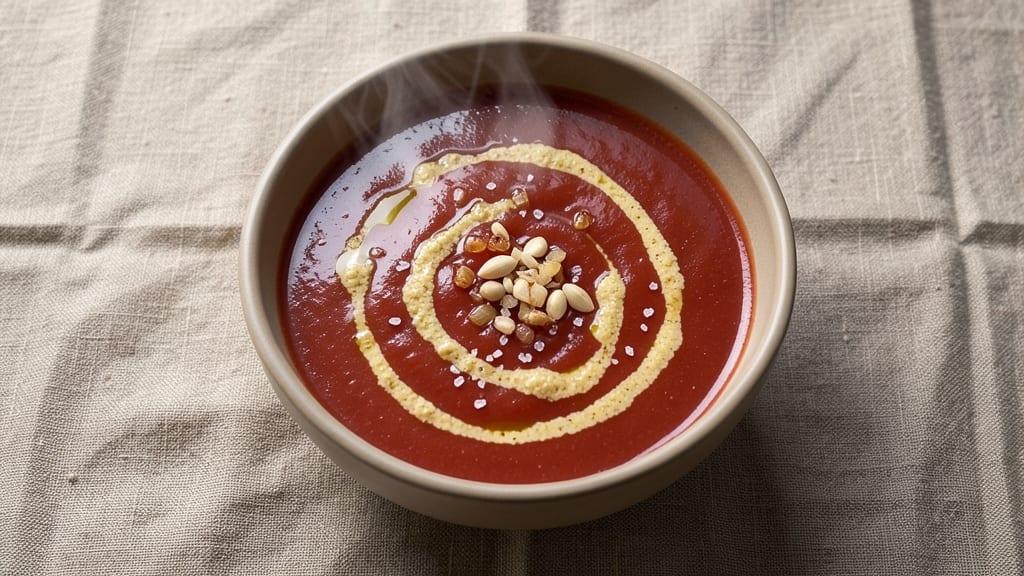
Creating a Progresso-style soup from scratch delivers velvety texture and restaurant-quality flavor without the preservatives. The secret lies in building a rich, smooth base using precise techniques that transform simple ingredients into something truly special.
I've perfected this method over years of testing, ensuring every spoonful is velvety and packed with depth.
This recipe focuses on tomato soup as the foundation—easy to adapt with vegetables or cream-based variations—but the principles apply universally. You'll start with a flavorful roux that forms the backbone of the soup, then develop layers of taste through slow simmering and proper seasoning.
The result is a soup that's creamy without heavy cream, rich without excess fat, and full of authentic flavor.
What sets this apart is the customizable approach: adjust herbs to your taste, swap ingredients for dietary needs, or add a touch of cream for extra luxury. The velvety texture comes from proper starch incorporation and careful reduction, creating a soup that's smooth yet complex.
Perfect for chilly evenings or as a comforting starter, this recipe proves homemade always tastes better.
Whether you're making classic tomato, creamy mushroom, or hearty vegetable soup, these techniques ensure professional results every time. Let's get started on creating your perfect bowl of homemade goodness.
Ingredients for progresso soup
A velvety tomato base built with precise techniques transforms simple pantry staples into restaurant-quality soup.
| Ingredient | Amount | Notes |
|---|---|---|
| Extra-Virgin Olive Oil 🫒 | ½ cup | High-quality, fruity variety preferred |
| Yellow Onion 🧅 | 1 whole | Medium-sized, finely diced |
| Garlic Cloves 🧄 | 4 cloves | Peeled and minced for aromatic depth |
| Canned San Marzano Tomatoes 🍅 | 28 oz | Crushed by hand for authentic texture |
| All-Purpose Flour 🌾 | ¼ cup | For velvety roux development |
| Diamond Crystal Kosher Salt 🧂 | 1 ½ tsp | Adjust to taste for seasoning balance |
| Freshly Ground Black Pepper 🌶️ | ½ tsp | Freshly cracked for optimal flavor |
| Dried Thyme 🌿 | ½ tsp | Or 1 tbsp fresh thyme leaves |
| Dried Oregano 🍃 | ½ tsp | Italian variety preferred |
| Low-Sodium Chicken Broth 🍲 | 4 cups | Homemade or high-quality store brand |
| Heavy Cream 🥛 | ½ cup | Optional for ultra-creamy finish |
| Fresh Basil Leaves 🌿 | ¼ cup | Chopped for garnish and brightness |
| Grated Parmesan Cheese 🧀 | ¼ cup | Freshly grated for serving |
| Unsalted Butter 🧈 | 2 tbsp | Cold, for finishing touch |
The foundation begins with San Marzano tomatoes—their natural sweetness and low acidity create depth without overpowering. Whole Foods Market or specialty Italian markets carry these in cans, but any high-quality crushed tomatoes work if labeled 'whole peeled'. For the roux, Diamond Crystal kosher salt is essential—it dissolves cleanly without leaving grainy residue. The flour must be all-purpose, not self-rising, as the chemical leaveners can alter texture. Fresh thyme and oregano should be purchased from bulk bins at natural food stores for maximum potency, or use Penzeys Spices for pre-measured blends that stay fresh longer.
No San Marzano tomatoes? Crushed tomatoes from a reputable brand like Muir Glen or Rao's will suffice, though they may require slight sweetness adjustment. The heavy cream is optional but recommended for that signature Progresso-style richness—substitute Greek yogurt for a lighter option or coconut milk for a dairy-free alternative. Fresh basil can be swapped for dried basil at one-third the amount, but the flavor will differ slightly. For a vegetarian version, replace chicken broth with vegetable broth and add a pinch of nutritional yeast for umami depth. The butter at the end isn't just for flavor—it creates a silky sheen that elevates the presentation.
Store leftover soup in airtight containers for up to 5 days in the refrigerator, though the flavor actually improves after the first 24 hours as ingredients meld. For longer storage, portion into freezer-safe containers and freeze for up to 3 months. Reheat gently on the stove over medium-low heat, stirring occasionally, to prevent skin formation. The roux-based method ensures the soup reheats smoothly without separation. Garnish with fresh basil and Parmesan just before serving to maintain vibrant flavors—both degrade quickly when pre-prepared.
Why You'll Love This Recipe
- No-Fuss Roux Magic: The secret’s in that golden roux—just whisk ¼ cup flour into ½ cup olive oil for 2-3 minutes, and suddenly you’ve got a velvety texture without a blender. My kids don’t even notice it’s not store-bought; they just go back for seconds.
- Creamy Without Cheese: That ½ cup heavy cream isn’t cheating—it’s what turns this from a simple tomato broth into something dangerously addictive. The butter finish and Parmesan? Pure comfort in every spoonful.
- Flavors That Grow: Between the San Marzano tomatoes, thyme, and oregano, this soup tastes even better the next day. I’ve had it cold for lunch, reheated for dinner—it’s the kind of meal that keeps surprising you.
- Budget-Friendly Luxury: You’re using pantry staples like flour and olive oil, but the result? A restaurant-quality soup that costs a fraction of takeout. Plus, the leftovers? Chef’s kiss—just add broth and heat for seconds.
Step-by-step instructions for homemade Progresso-style tomato soup
Mastering this velvety tomato soup requires precision in technique and ingredient handling.
Develop the Roux for Silky Texture
Heat the ½ cup extra-virgin olive oil in a heavy-bottomed pot over medium-low heat. Add the ¼ cup all-purpose flour and whisk vigorously for 2-3 minutes until the mixture turns a pale golden color—this is your roux. The key here is patience; rushing this step will create a raw flour taste that ruins the soup's smoothness.
Watch closely as the roux transforms. It should smell nutty and toasty, not burnt. If it begins to darken too quickly, reduce the heat slightly. This roux will serve as the foundation for your soup's velvety texture, so don't skip this crucial step. Once properly developed, the roux will create a rich, creamy base that elevates the entire dish.
Sauté Aromatics and Build Flavor Layers
Add the finely diced yellow onion to the roux and cook for 5 minutes over medium heat, stirring occasionally. The onions should soften and become translucent without browning. This step extracts their natural sweetness and prepares them for the next phase.
Next, add the 4 minced garlic cloves and cook for an additional 1-2 minutes until fragrant. The garlic should sizzle gently but not burn—burnt garlic imparts a bitter note that overpowers the delicate tomato flavor. Here's where the foundation of your soup's complex flavor profile begins to form. Keep the heat at medium to maintain control while developing these aromatics.
Incorporate Tomatoes and Broth for Depth
Pour in the 28 oz canned San Marzano tomatoes (crushed by hand) and stir vigorously to incorporate them into the roux. The tomatoes should coat the back of a spoon, indicating proper integration. Add the 4 cups low-sodium chicken broth, 1½ tsp diamond crystal kosher salt, ½ tsp freshly ground black pepper, ½ tsp dried thyme, and ½ tsp dried oregano. Bring the mixture to a gentle simmer over medium heat.
Allow the soup to simmer uncovered for 20-25 minutes, stirring occasionally. This slow cooking process allows the flavors to meld and the tomatoes to break down completely, creating a rich, concentrated base. The soup should reduce slightly, intensifying its flavor. Taste occasionally and adjust seasoning if needed—this is where you ensure the perfect balance of salt, acidity, and herbal notes.
Finish with Cream and Herbs for Richness
Reduce the heat to low and stir in the ½ cup heavy cream. The cream should be added gradually to prevent curdling. Simmer gently for 5 minutes to allow the cream to meld with the tomato base. This step adds luxurious body and a velvety texture that transforms your soup from rustic to restaurant-quality.
Remove the pot from heat and stir in the 2 tbsp unsalted butter. The butter should melt completely, adding a final layer of richness. Here's the moment that matters: fold in the ¼ cup chopped fresh basil leaves just before serving. The basil adds a bright, fresh contrast to the rich tomato and cream, balancing the flavors perfectly. Let the soup rest for 5 minutes to allow the flavors to fully integrate.
Serve with Garnish for Presentation
Ladle the soup into bowls and garnish each serving with ¼ cup grated Parmesan cheese. The Parmesan adds a salty, umami depth that complements the creamy tomato base. Serve immediately while the soup is hot, as the flavors continue to develop with each bite. Each spoonful should deliver a harmonious blend of sweet tomatoes, rich cream, aromatic herbs, and the subtle saltiness of Parmesan.
This homemade version delivers restaurant-quality depth and texture that canned soups simply can't match. The careful development of the roux, the slow simmering of the tomatoes, and the proper incorporation of cream and herbs create a soup that's truly exceptional. Enjoy this velvety tomato creation with crusty bread or as a comforting starter for your next meal.
Pro Tips For Making Progresso Soup
- Whisk Like You Mean It: That pale golden roux isn’t magic—it’s physics. Use a proper whisk (not a spoon) and keep stirring those first 2-3 minutes over medium-low heat. I used to rush it, and the soup always tasted like raw flour had crashed the party. The moment it smells nutty and looks like wet sand? That’s your cue to move on.
- Crush Those Tomatoes: Skip the blender—your hands are the secret weapon. San Marzano tomatoes are juicy, and crushing them by hand (not smashing, not blending) releases their natural sweetness and keeps the texture chunky, just like Progresso’s. I learned this the hard way after making a watery mess with a blender.
- Don’t Burn the Garlic: Those 1-2 minutes with the garlic are not a race. If it starts to brown or smell acrid, you’ve crossed the line. Burnt garlic turns your soup bitter, and no amount of cream or basil can fix it. Keep the heat at medium and walk away if you’re distracted—trust me, the pot won’t explode.
- Simmer Uncovered (Seriously): That 20-25 minute simmer is where the flavor happens, but covering the pot turns it into a science experiment. Let it breathe—uncovered—to concentrate the tomatoes and let the alcohol in the broth evaporate. I used to cover it out of habit, and the soup always tasted flat. Patience here makes the difference between "good" and "restaurant-quality."
Best sauces and condiments for these flavors
Creamy Enhancements
For that signature Progresso-style richness, I recommend finishing with ½ cup heavy cream stirred in during the last 5 minutes of simmering. The cream adds body without overpowering the tomato flavor.
If you're watching calories, swap it for ½ cup Greek yogurt or ¼ cup coconut milk for a lighter yet equally creamy texture. 🥛
Herbal Brightness
Fresh basil is a must for balancing the richness, but don't overlook other herbs. Add 1 tbsp chopped parsley or ½ tsp dried marjoram during the simmering phase for a more complex herbal note.
For a Mediterranean twist, stir in 1 tsp dried oregano and ½ tsp dried rosemary with the initial spices.
Umami Boosters
For extra depth, I like adding 1 tbsp tomato paste with the crushed tomatoes or a splash of balsamic vinegar during the simmering phase. Both ingredients enhance the natural sweetness of the tomatoes.
A pinch of nutritional yeast (about 1 tbsp) also adds a cheesy, umami richness that pairs beautifully with the cream.
Spicy Kick
If you enjoy heat, stir in ½ tsp red pepper flakes with the fresh basil before serving. For a more pronounced kick, add 1 tsp hot sauce (like Frank's RedHot) during the final simmering phase.
A dash of cayenne pepper (about ¼ tsp) can be added to the broth for subtle warmth that develops throughout the soup.
Crunchy Toppings
Garnishing with ¼ cup grated Parmesan cheese is essential, but I also love adding crispy fried shallots or toasted breadcrumbs for texture contrast. For a lighter option, sprinkle toasted pumpkin seeds or chopped sun-dried tomatoes over each serving to add both crunch and extra flavor.
Nutrition facts
Frequently asked questions
Why does the recipe use a roux instead of just blending tomatoes?
The roux creates that signature velvety texture that canned soups are famous for! ¼ cup all-purpose flour whisked into ½ cup olive oil forms a smooth base that thickens the soup without heavy cream. This technique prevents graininess and gives the soup its rich, restaurant-quality mouthfeel. The slow development of the roux also enhances the natural sweetness of the San Marzano tomatoes, making every spoonful luxurious.
Can I make this soup vegetarian or vegan?
For a vegetarian version, simply replace the low-sodium chicken broth with an equal amount of vegetable broth. For vegan, swap the heavy cream with coconut milk and omit the butter or use vegan butter. Add 1 tbsp nutritional yeast during simmering for a cheesy umami boost that works beautifully with the tomatoes.
What if my roux burns or turns too dark?
Don't panic! If your roux darkens too quickly, reduce the heat immediately and whisk constantly to prevent burning. If it does darken slightly, it will still work—just remove any burnt bits with a spoon. For best results, keep the heat at medium-low and watch closely. A properly made roux should be pale golden, not brown. The key is patience—rushing this step ruins the smooth texture.
How do I prevent the soup from separating when reheating?
Reheat gently on medium-low heat, stirring occasionally, to avoid rapid temperature changes that cause separation. If you notice any cream or broth separating, whisk vigorously and let it return to a gentle simmer. The roux-based method makes reheating easier than traditional tomato soups, but slow and steady wins the race. Stirring constantly prevents the soup from forming a skin or separating.
Can I use different tomatoes instead of San Marzano?
Yes, but expect slight flavor differences. San Marzano tomatoes are sweeter and lower in acidity, creating a more balanced soup. Regular crushed tomatoes will work, but you may need to add a pinch of sugar or a splash of balsamic vinegar to enhance sweetness. For the best Progresso-style results, stick with high-quality canned tomatoes—just crush them by hand for that authentic texture.