
Soups & Stews
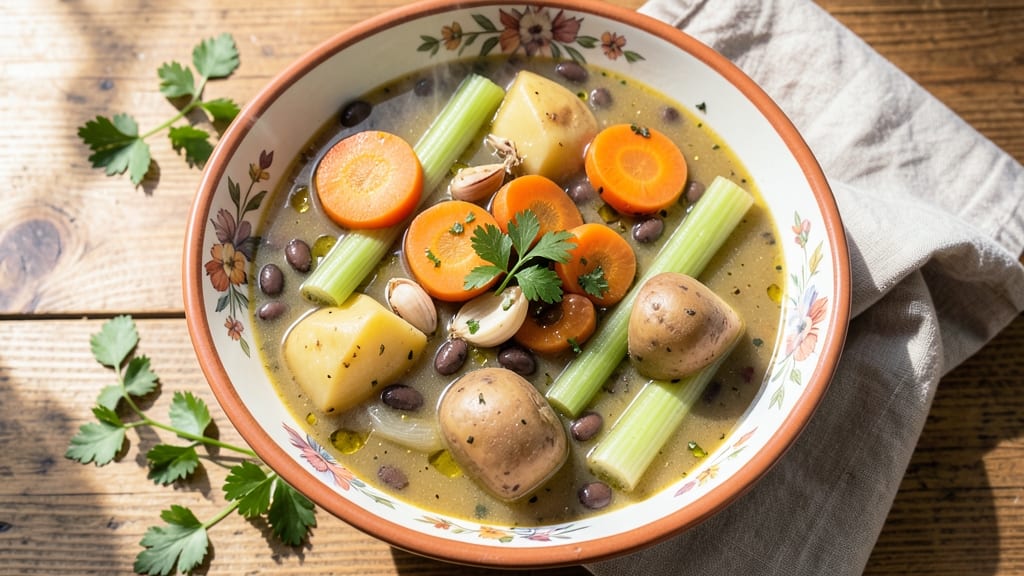
This Pioneer Woman vegetable soup recipe brings hearty, slow-simmered comfort to your table with roots, beans, and aromatic herbs—just like Ree Drummond would make it. The deep flavors develop over time, transforming simple ingredients into something truly satisfying.
I've perfected this version with a balance of earthy carrots, tender potatoes, and smoky beans, all tied together with a rich broth and fresh herbs.
The beauty of this soup lies in its simplicity and depth—no fancy techniques, just good ingredients and patience. You'll start with a base of onions, garlic, and celery (the classic "holy trinity"), then layer in root vegetables and beans for substance.
A long simmer at low heat allows the flavors to meld beautifully, creating a soup that's both comforting and nourishing. It's the kind of meal that feels like a warm hug on a chilly day.
What you'll end up with is a rich, hearty vegetable soup that's packed with texture and flavor—creamy potatoes, tender carrots, and hearty beans all swimming in a fragrant broth. The herbs add brightness, while the slow cooking process develops a depth that store-bought soups can't match.
This is the kind of recipe that tastes even better the next day, making it perfect for meal prep or a cozy family dinner.
Serve it with crusty bread to soak up every last drop, or pair it with a simple green salad for a balanced meal. The historical roots of this soup—inspired by Pioneer Woman's rustic, no-fuss cooking—make it a classic that never goes out of style. Let's get cooking!
Ingredients for pioneer woman vegetable soup
Root vegetables, aromatic herbs, and slow simmered broth create this rustic vegetable soup.
| Ingredient | Amount | Notes |
|---|---|---|
| Yellow Onions 🧅 | 2 whole | Diced, aromatic base |
| Celery Stalks 🌿 | 4 whole | Chopped, classic flavor |
| Garlic Cloves 🧄 | 6 cloves | Minced, aromatic punch |
| Carrots 🥕 | 2 lb | Peeled, sliced thick |
| Russet Potatoes 🥔 | 2 lb | Cubed, creamy texture |
| Dried Navy Beans 🌰 | 2 cups | Rinsed, soaked overnight |
| Vegetable Broth 💧 | 6 cups | Low-sodium preferred |
| Fresh Parsley 🌿 | ½ cup | Chopped, bright finish |
| Dried Thyme 🍃 | 1 tbsp | Fresh equivalent 1 tbsp |
| Dried Rosemary 🌿 | 1 tbsp | Crushed, earthy depth |
| Sea Salt 🧂 | 1 tbsp | Kosher, to taste |
| Black Pepper 🌶️ | ½ tsp | Freshly ground |
| Extra-Virgin Olive Oil 🫒 | ¼ cup | For sautéing aromatics |
| Lemon Juice 🍋 | 1 tbsp | Zesty brightness |
The foundation of this soup lies in the classic 'holy trinity'—onions, celery, and garlic—sautéed in extra-virgin olive oil until deeply caramelized. Costco's bulk bins offer the best value for carrots and potatoes, but any organic produce works. For beans, B&G Foods dried navy beans are a trusted choice—soak them overnight for optimal tenderness. Fresh herbs elevate the dish, but dried thyme and rosemary at half the amount ensure consistent flavor even when fresh isn't available. The broth should be low-sodium to allow you to control seasoning.
No fresh parsley? Dried parsley at one-quarter the amount works, though it lacks the vibrant color. Substitute dried basil for rosemary, but reduce to one teaspoon to avoid overpowering. Short on carrots? Sweet potatoes add natural sweetness and a different texture. The lemon juice is non-negotiable—it brightens the rich, earthy flavors. If you prefer a creamier soup, stir in 1 cup unsalted cashew cream at the end, but traditionalists will argue this breaks authenticity. The key is patience: simmer uncovered for at least 45 minutes to develop the depth of flavor.
This soup freezes beautifully—portion into airtight containers and freeze for up to 3 months. Thaw overnight in the fridge for even texture. Store leftovers in the refrigerator for 5 days, but honestly, it tastes even better the next day as flavors meld. The beans will soften further, creating a heartier consistency. For meal prep, double the recipe and freeze half—it's a game-changer for busy weeknights. Always taste before serving and adjust salt and pepper as needed, as flavors intensify during storage.
Why You'll Love This Recipe
- I’ll be honest: this soup is the kind of recipe that makes me feel like a real pioneer—without the chores. You’re basically tossing everything into a Dutch oven, letting it simmer while you do other things, and boom, dinner’s ready. The navy beans soaked overnight? That’s the only prep work you’ll ever hate. The rest? Just stirring occasionally and letting the flavors do their thing.
- One-Pot, One-Saucepan Magic: I’ll be honest: this soup is the kind of recipe that makes me feel like a real pioneer—without the chores. You’re basically tossing everything into a Dutch oven, letting it simmer while you do other things, and boom, dinner’s ready. The navy beans soaked overnight? That’s the only prep work you’ll ever hate. The rest? Just stirring occasionally and letting the flavors do their thing.
- Caramelized Depth: That first step—sautéing the onions until they’re golden and sweet—is what makes this soup dangerously good. The garlic and rosemary hit like a warm hug, while the lemon juice at the end cuts through the richness just enough to keep your taste buds dancing. Trust me, the contrast between that crispy edge on the carrots and the creamy potatoes? Chef’s kiss.
- Feed a Crowd, Feed Yourself: This soup is the ultimate multitasker. Double the recipe for a potluck, or make it once and eat it for lunch, dinner, and leftovers (which, by the way, taste even better the second day). Freeze portions for when you’re too tired to cook, or pack it in lunchboxes for school or work. It’s the kind of dish that disappears fast—because once people take their first spoonful, they’ll want seconds.
Step-by-step instructions for slow-simmered vegetable soup
This classic soup builds flavor through patience and technique—here's how to make it right.
Sauté the Aromatic Vegetable Base
Heat the ¼ cup extra-virgin olive oil in a large Dutch oven over medium heat. Add the 2 diced yellow onions and 4 chopped celery stalks, cooking for 5-6 minutes until softened and translucent. Here's the thing—don't rush this step. You want the onions to caramelize slightly, which forms the flavor foundation.
Add the 6 minced garlic cloves and cook for 1 minute until fragrant. Immediately add 1 tablespoon dried thyme and 1 tablespoon dried rosemary, stirring to coat the vegetables. The herbs should release their aroma within 30 seconds. If the vegetables start to brown too quickly, reduce heat to medium-low to prevent burning. This aromatic base is what transforms ordinary soup into something extraordinary.
Add Root Vegetables and Simmer
Push the sautéed vegetables to one side of the pot and add the 2 lb peeled, thick-sliced carrots and 2 lb cubed russet potatoes. Stir to coat with the aromatic oil mixture, then pour in 6 cups vegetable broth. Bring to a gentle boil, then reduce heat to low and cover partially. Here's where patience pays off—simmer uncovered for 30 minutes, stirring occasionally, until the carrots and potatoes begin to soften.
I like to check the vegetables after 20 minutes to ensure they're not sticking to the bottom. If they are, add a splash of broth to loosen. The potatoes should be tender when pierced with a fork, but not falling apart. This soup develops its rich flavor through slow cooking, so resist the urge to rush. The longer it simmers, the deeper the taste becomes.
Incorporate the Navy Beans and Season
Add the 2 cups rinsed, soaked dried navy beans to the pot. Stir well to distribute them evenly among the vegetables. The beans should be fully submerged in the broth. Return to a gentle simmer and cook uncovered for 45-60 minutes, until the beans are tender and the soup has thickened slightly. You'll know the beans are done when they're easily mashed between your fingers with a fork.
Season with 1 tablespoon sea salt and ½ teaspoon freshly ground black pepper. Taste and adjust the seasoning if needed—this is where you can customize the soup to your preference. The beans should absorb the flavors from the broth and vegetables, creating a hearty, satisfying texture. If the soup becomes too thick during cooking, add a little water or broth to reach your desired consistency.
Finish with Fresh Herbs and Brightness
Once the beans are tender, stir in the ½ cup chopped fresh parsley and 1 tablespoon lemon juice. The parsley adds a fresh, bright finish that cuts through the richness of the soup, while the lemon juice introduces a subtle tang that enhances all the flavors. Let the soup simmer for an additional 5 minutes to allow the fresh herbs to infuse.
This is the moment that matters: taste the soup and make any final adjustments. The lemon juice should brighten the flavors without overpowering them, and the parsley should add a touch of freshness. Serve the soup hot, with crusty bread to soak up every last drop. The combination of slow-simmered vegetables, hearty beans, and aromatic herbs creates a deeply satisfying dish that's perfect for any occasion.
Pro Tips For Making Pioneer Woman Vegetable Soup
- Don’t Skip the Soak: I learned this the hard way—skipping the overnight soak for the navy beans leaves them tough and mealy, no matter how long you simmer. Even if you’re in a hurry, a minimum 8-hour soak (or quick soak with boiling water) makes all the difference in texture.
- Check the Potatoes Early: After 20 minutes of simmering, the potatoes and carrots can stick to the bottom like glue. I now make it a habit to peek at 20 minutes—if they’re clinging, splash in a little broth and stir. This keeps them from burning and ensures even cooking.
- Caramelize Those Onions: The recipe says 5-6 minutes for the onions, but don’t walk away—watch them turn golden. I used to rush this step, and the soup never had that deep, sweet base. Lower the heat if they brown too fast; patience here builds flavor.
- Season the Beans Last: Adding salt early can toughen the beans, so hold off until they’re tender and ready to mash. Taste the soup before adding the lemon juice and parsley—this lets you adjust the salt properly, so the bright finish doesn’t overpower.
Dietary considerations for this pioneer woman vegetable soup
Gluten-Free Friendly
This soup is naturally gluten-free since it relies on vegetables, beans, and herbs—no wheat, barley, or rye here! Just double-check your vegetable broth label to ensure it’s certified gluten-free, as some brands add wheat-based thickeners.
I always opt for Pacific Foods brand for trustworthy, gluten-free options. The dried navy beans and root vegetables are also inherently gluten-free, making this a safe choice for those avoiding gluten.
Vegan Adaptation
This recipe is already vegan-friendly as written, but I like to emphasize it’s completely plant-based—no animal products at all! The extra-virgin olive oil and vegetable broth are the only non-vegan ingredients you might need to verify, though most brands are vegan-safe.
For extra richness, I sometimes stir in unsalted cashew cream (blended cashews + water) at the end, but it’s optional. The herbs and vegetables keep it light and nourishing.
Low-Sodium Option
Since we’re using low-sodium vegetable broth and controlling the sea salt at the end, this soup is naturally lower in sodium than many store-bought versions.
If you’re watching sodium, skip adding extra salt during cooking and rely on the natural flavors of the rosemary, thyme, and lemon juice to bring out the taste. Taste as you go—you might be surprised how delicious it is with minimal salt!
Allergy-Friendly
This soup is free from the top eight allergens (milk, eggs, fish, shellfish, tree nuts, peanuts, wheat, soy) as long as you use certified gluten-free broth and avoid cross-contamination. The only potential concern is soy if your broth contains it—opt for homemade or certified soy-free broth if needed.
The simplicity of this recipe makes it safe for most dietary restrictions while still being packed with flavor.
Kid-Friendly Tweaks
Kids often prefer milder flavors, so I like to adjust this soup for little ones by removing the lemon juice and reducing the black pepper to just a pinch. You can also blend half the soup for a creamier texture while keeping the rest chunky.
The carrots and potatoes are naturally sweet and kid-approved, making this a great way to sneak in veggies!
Nutrition facts
Frequently asked questions
Why does this soup taste better the next day?
The flavors deepen during 2-3 hours of refrigerated rest as the ingredients meld together. The beans soften further, and the herbs release more aroma—this is why slow-simmered soups always improve overnight!
Can I skip soaking the navy beans?
Soaking overnight is ideal for 45-60 minutes of tender cooking, but you can use quick-soak: boil beans for 2 minutes, then let sit for 1 hour. They'll be less tender but still work. The extra prep makes a noticeable difference in texture!
What if my soup is too thick?
Simply stir in ½ cup of warm water or broth while simmering. The 2 lb potatoes will absorb liquid, so add gradually until you reach your desired consistency. Stirring constantly prevents lumps!
Can I make this soup ahead for meal prep?
Double the recipe and freeze portions in airtight containers for up to 3 months. Reheat gently on the stove—just add a splash of water if needed. The flavors actually concentrate beautifully during freezing!