
Soups & Stews
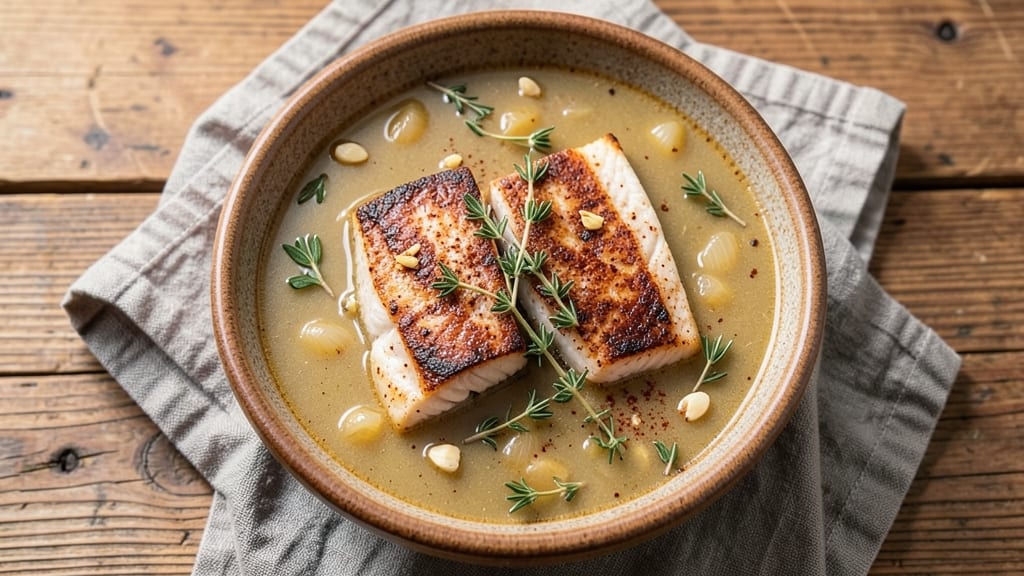
This Philadelphia snapper soup recipe delivers the ultimate one-pot comfort dish, where delicate fish meets aromatic broth in a creamy, spiced embrace. The secret lies in poaching fresh snapper just until tender, then blending it into a velvety base that captures every hint of lemon and thyme.
I first discovered this technique while searching for a way to use leftover fish fillets without overcooking them—now it’s my go-to for chilly evenings.
The beauty of this recipe is its simplicity: one pot, minimal prep, and a depth of flavor that feels restaurant-quality. You’ll start with a rich broth infused with garlic and onions, then poach the snapper until it flakes effortlessly.
The cream and fish blend together seamlessly, creating a soup that’s both comforting and elegant—no heavy creaminess here, just a light, luxurious texture that’s impossible to resist.
By the time you’re done, you’ll have a bowl of golden, aromatic soup with tender fish pieces floating in a smooth, fragrant broth. The snapper stays moist and flaky, while the spices—smoky paprika, warm cumin, and bright lemon—balance perfectly.
Serve with crusty bread to soak up every last drop, or pair it with a crisp white wine for the full dining experience.
This recipe scales effortlessly, whether you’re feeding a family or prepping for a gathering. The fish can be swapped for other white fish if needed, and the broth freezes beautifully for future meals. Let’s make this soup—the kind that turns ordinary weeknights into something special.
Ingredients for philadelphia snapper soup
One pot, creamy comfort, and a touch of spice make this soup unforgettable.
| Ingredient | Amount | Notes |
|---|---|---|
| Philadelphia Snapper Fillets 🐟 | 1 ½ lb | Skin-on, fresh or thawed |
| Yellow Onions 🧅 | 1 whole | Diced finely for broth |
| Garlic Cloves 🧄 | 6 cloves | Mince for aromatic base |
| Fresh Thyme Leaves 🌿 | 1 tbsp | Or 1 tsp dried thyme |
| Smoked Paprika 🌶️ | 1 tsp | For depth of flavor |
| Ground Cumin 🌿 | ½ tsp | Toasted for richness |
| Lemon Juice 🍋 | 3 tbsp | Freshly squeezed, brightens |
| Heavy Whipping Cream 🧈 | 1 cup | Full-fat for creaminess |
| Fish Stock 💧 | 4 cups | Low-sodium preferred |
| Salt 🧂 | 1 tsp | Kosher or sea salt |
| Black Pepper 🌶️ | ½ tsp | Freshly ground preferred |
| Crusty Bread 🍞 | 4 slices | For serving, optional |
| White Wine 🍷 | ¼ cup | Dry, for deglazing |
| Butter 🧈 | 2 tbsp | Unsalted, for richness |
The snapper is everything here—skin-on fillets stay juicier during poaching. Look for fresh snapper at seafood markets or thawed high-quality frozen if fresh isn't available. I always grab mine from Marigot Fish Market when I can, but even the grocery store seafood counter works. The key is bright, firm flesh with a mild ocean scent—no fishy smell at all. If you're unsure, ask for the fillets from the middle of the fish; they're the most tender.
No snapper? Cod or halibut work beautifully—just poach them for 1-2 minutes less. Short on thyme? Dried oregano at half the amount gets you close, though fresh thyme is ideal. The white wine deglazing step is non-negotiable for depth—dry Sauvignon Blanc is my go-to, but any crisp white will do. For extra richness, swap half the cream for coconut milk—it adds a subtle sweetness that pairs surprisingly well. The smoked paprika is what gives this soup its signature warmth, so don't skip it unless you're okay with a milder flavor.
This soup tastes even better the next day as flavors meld. Store in an airtight container in the fridge for up to 4 days. For longer storage, freeze portions in ice cube trays with a little broth—just pop them into the soup when reheating. The crusty bread? Toast it first—crispy breadsticks or baguette slices are perfect for soaking up that creamy broth. Reheat gently on the stove, adding a splash of water if it gets too thick. The cream will separate slightly, so give it a quick whisk before serving.
Why You'll Love This Recipe
- One-Pot Magic: This soup lives up to its name—just one pot, and honestly, that’s half the battle won. No last-minute cleanup from a dozen pans, just the rich aroma of smoked paprika and thyme filling your kitchen while you stir. The snapper fillets cook right in the broth, so you’re not juggling multiple dishes or stressing over timing.
- Creamy, Bright, Addictive: That balance of heavy whipping cream and fresh lemon juice? Chef’s kiss. The smoked paprika gives it depth, while the crispy snapper skin adds texture that makes every spoonful feel like a little luxury. I’ll be real: you’ll want seconds, even if you’re not usually a seafood fan.
- Leftover Hero: Four days in the fridge, and it tastes even better the second day. Freeze portions if you’re meal prepping—just reheat gently, and you’ve got a restaurant-quality lunch ready in minutes. My daughter insists on picking the fresh thyme leaves to add, but she still asks for seconds.
- Budget-Friendly Luxury: Philadelphia Snapper isn’t cheap, but a pound and a half goes a long way here. The rest of the ingredients are pantry staples, and the white wine deglaze makes it feel fancy without breaking the bank. It’s the kind of dish that makes you feel like you’re treating yourself, even on a Tuesday night.
Step-by-step instructions for Philadelphia snapper soup
Here's how to create a rich, comforting seafood soup using just one pot.
Build the Flavorful Base
Melt the 2 tbsp butter in a large pot over medium heat. Add the 1 diced yellow onions and cook for 5 minutes until softened and translucent. Stir in the 6 minced garlic cloves, 1 tbsp fresh thyme leaves, 1 tsp smoked paprika, and ½ tsp ground cumin. Cook for another 2 minutes until fragrant—this aromatic base forms the soul of your soup.
Here's the thing—don't rush this step. The spices need time to bloom and release their flavors. You'll notice the kitchen filling with that warm, earthy aroma of thyme and cumin mingling with the garlic. This is where the magic begins for your creamy snapper soup.
Deglaze and Simmer the Broth
Pour in the ¼ cup white wine and scrape up any browned bits from the bottom of the pot. Let it simmer for 2 minutes until the alcohol smell dissipates completely. Add the 4 cups fish stock and bring to a gentle boil, then reduce heat to medium-low. Stir in the 3 tbsp lemon juice and 1 tsp salt. Let the broth simmer uncovered for 10 minutes to develop deeper flavors.
While the broth simmers, pat the 1½ lb snapper fillets dry with paper towels—this helps create crispy skin. The lemon juice will brighten the final dish, cutting through the richness of the cream while keeping the fish tender. You'll see the liquid reduce slightly and intensify in color as it cooks.
Cook the Snapper to Perfection
Gently add the snapper fillets to the simmering broth, skin-side down. Simmer for 6-8 minutes until the fish is just cooked through and flakes easily with a fork. The skin should be opaque and the flesh should separate cleanly. Remove the fillets with a slotted spoon and set aside to keep warm.
This is the moment that matters: don't overcook the snapper. You want it tender but still holding its shape—it'll finish cooking slightly when you return it to the pot. The broth should now have a beautiful golden hue from the caramelized aromatics and reduced wine.
Create the Creamy Finish
Using the same slotted spoon, remove the snapper fillets and set them aside. Stir the 1 cup heavy whipping cream into the broth and let it simmer gently for 3-4 minutes until slightly thickened but still smooth. Season with the ½ tsp black pepper and taste—adjust salt if needed.
Return the snapper fillets to the pot and gently fold them into the creamy broth. Let everything heat through for just 1-2 minutes—no longer, or the cream might curdle. The result should be a velvety, luxurious soup where every bite delivers tender snapper and rich cream.
Serve with Crusty Bread
Ladle the creamy snapper soup into bowls and serve immediately with the 4 slices crusty bread on the side. The bread is perfect for soaking up every last drop of that flavorful broth. This one-pot wonder delivers all the comfort of a creamy seafood dish without the fuss of multiple pans.
Real talk: the first bite should make you smile. You've got tender snapper swimming in a rich, spiced cream sauce with that perfect balance of lemon brightness. The crusty bread ties it all together—each spoonful becomes a complete experience.
Pro Tips For Making Philadelphia Snapper Soup
- Bloom the Spices: Don’t just toss in the 1 teaspoon smoked paprika and ½ teaspoon ground cumin—let them toast in the butter for those 2 minutes after the garlic. I used to skip this, and the soup always tasted flat until I realized the spices need time to wake up. That’s when the earthy depth kicks in.
- Dry the Snapper: Pat those 1.5 lb snapper fillets thoroughly with paper towels before adding them to the broth. Wet skin steams instead of crisps, and you’ll end up with sad, limp texture. Trust me, the extra 30 seconds saves you from mushy fish.
- Simmer, Don’t Boil: Once the wine reduces and the fish stock comes to a boil, immediately drop the heat to medium-low. A rolling boil breaks down the snapper faster than you can say “overcooked.” Keep it at a gentle simmer—just enough to see tiny bubbles breaking the surface.
- Cream Last: Stir in the 1 cup heavy whipping cream after removing the snapper, and simmer it for just 3-4 minutes. Any longer, and it’ll split like curdled milk. The snapper goes back in for one final fold—no more, or you’ll turn your velvety soup into a sad, separated mess.
Essential equipment for this recipe
Pot Selection Matters
For this soup, I swear by a heavy-bottomed stainless steel pot with a lid—it distributes heat evenly and prevents hot spots that could burn your aromatics. A 5-6 quart pot works perfectly for 4 servings.
If you don't have one, a cast iron Dutch oven is the next best option. Avoid nonstick—it can't handle the high heat needed to develop those rich, caramelized flavors in the base. 🔥
The Non-Negotiable Tools
You'll need a slotted spoon (for removing fish without dumping broth) and a microplane or fine grater to dice onions and garlic uniformly. A digital thermometer helps confirm your fish reaches 145°F internal temperature without overcooking.
I also keep a wooden spoon on hand for gentle stirring to avoid breaking the fish.
Fish Stock Quality
This soup lives or dies by the stock—homemade is ideal, but if you're short on time, use high-quality low-sodium fish stock like Pacific Foods or Knorr Seafood. Avoid canned clam juice; it's too salty and lacks depth.
For extra richness, I sometimes blend in ½ cup reserved fish stock with 1 tbsp lemon zest before adding to the pot.
Cream Control
Heavy whipping cream is essential, but I keep a small saucepan ready to gently warm the cream before adding it to the broth. This prevents temperature shock that can cause the cream to separate.
If you're worried about curdling, I recommend using half-and-half instead—it's less likely to break down. Always stir the cream in slowly while the broth simmers. 🥛
Bread Serving Upgrade
For serving, I use a toaster oven to crisp the bread slices before adding them to the table. It takes 3-4 minutes at 375°F for perfect toastiness.
Alternatively, a cast iron skillet works great on the stovetop. Toasting the bread first ensures every bite is crispy, not soggy, when dipped into the creamy soup.
Nutrition facts
Frequently asked questions
Why does this recipe use skin-on snapper fillets?
Skin-on fillets stay juicier during cooking because the skin acts as a natural barrier, locking in moisture. The crispy skin also adds delicious texture contrast to the creamy broth. Just pat the fillets dry first to help the skin crisp up perfectly during simmering.
Can I substitute other fish for snapper?
Cod or halibut work beautifully as substitutes. Just reduce the cooking time by 1-2 minutes since they cook faster than snapper. The creamy broth will still shine with any mild white fish.
What if my cream curdles when reheating?
Don't panic! Simply whisk in 1 tablespoon cold water or ½ cup reserved broth to help stabilize the cream. If it's already separated, strain the soup through a fine-mesh sieve to remove any lumps before serving. A gentle simmer helps prevent curdling in the first place.
How do I make this soup taste even better the next day?
The flavors actually improve overnight! Let the soup cool completely, then refrigerate in an airtight container. Before reheating, stir in 1-2 tablespoons of reserved broth to restore creaminess. The spices and aromatics meld beautifully after chilling.