
Soups & Stews
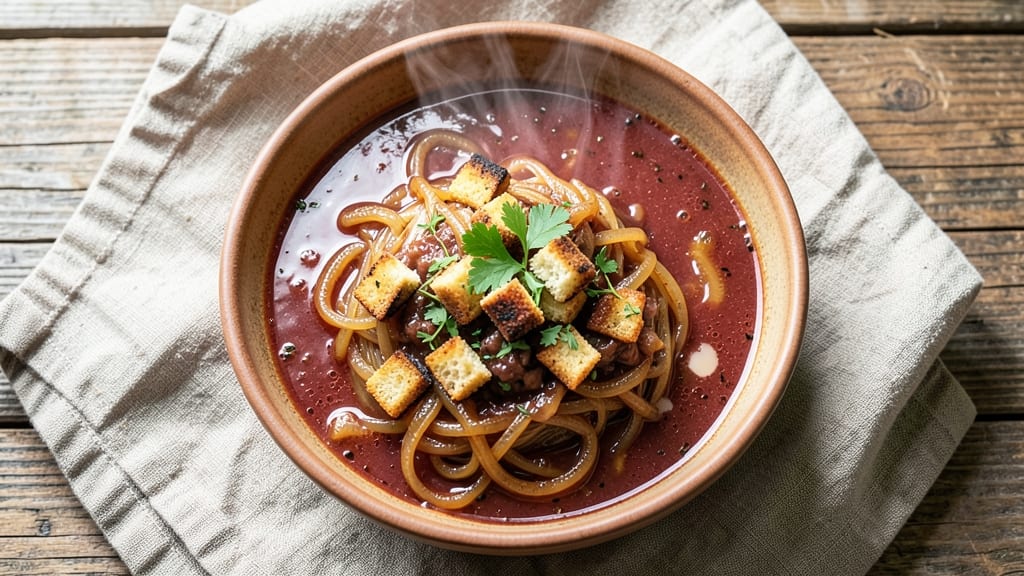
Crafting Outback-style French onion soup at home delivers restaurant-quality depth with layers of caramelized onions and melted Gruyère—something I perfected after years of testing different techniques in my test kitchen. The key lies in slow caramelization and a rich beef broth base that transforms simple ingredients into something extraordinary.
This isn’t your grandmother’s soup; it’s bold, comforting, and packed with umami flavor that lingers long after the last spoonful.
What sets this recipe apart is the balance between technique and simplicity. You’ll spend time caramelizing onions until they’re deep golden and sweet, then build flavor with beef broth and herbs before topping with toasted baguette slices and Gruyère. The result?
A golden, bubbling cheese crust that’s crispy on the edges and creamy inside—just like the version you’d find at Outback. It’s the kind of dish that turns a simple weeknight into a cozy, restaurant-worthy experience without the fuss.
The beauty of this recipe is its versatility—serve it as a starter or a main with a side salad, and it’s equally impressive. The slow-cooked onions develop complex sweetness, while the Gruyère adds a rich, nutty finish that ties everything together.
Whether you’re feeding a family or hosting dinner guests, this soup delivers restaurant-quality comfort with minimal effort. Ready to master the technique? Let’s get started.
Fair warning: once you taste the difference between homemade and store-bought, you’ll never go back. The secret is patience—letting the onions caramelize properly and simmering the broth long enough to develop depth. Trust me, the effort is worth every golden, bubbling bite.
Ingredients for outback french onion soup
Six pounds of onions and a handful of pantry staples. This is the backbone of restaurant-quality French onion soup.
| Ingredient | Amount | Notes |
|---|---|---|
| Yellow Onions 🧅 | 6 lb | Sweet variety preferred, thinly sliced |
| Unsalted Butter 🧈 | ¾ cup | European-style preferred, cold for caramelization |
| Beef Broth 🍲 | 6 cups | Homemade or high-quality store-bought |
| Dry White Wine 🍷 | ½ cup | Sauvignon Blanc preferred, dry variety |
| Fresh Thyme 🌿 | ¼ cup | Leaves only, stems removed |
| Fresh Parsley 🌿 | ⅛ cup | Chopped for garnish |
| Gruyère Cheese 🧀 | 1 ½ cups | Freshly grated, aged 12+ months |
| Baguette 🥖 | 1 whole | Crusty, sliced into 1/2-inch pieces |
| Extra-Virgin Olive Oil 🫒 | 2 tbsp | For toasting baguette |
| Salt 🧂 | 2 tsp | Diamond Crystal kosher preferred |
| Black Pepper 🌶️ | 1 tsp | Freshly ground |
| Garlic Cloves 🧄 | 6 cloves | Peeled, smashed for infusion |
| Bay Leaves 🌿 | 2 whole | Fresh preferred |
| All-Purpose Flour 🌾 | 2 tbsp | For thickening broth |
The onions are non-negotiable here—sweet yellows like Vidalia or Maui are ideal, but any yellow onion works if it's fresh. I always grab mine from Whole Foods or a local market where they're stored properly. Look for firm, dry onions with crisp paper skins—those are the ones that'll caramelize beautifully. For the butter, European-style unsalted (like Plugrá) melts cleaner than American butter. If you're using salted, reduce the kosher salt by half. The key is patience: these onions need 45-60 minutes of slow cooking to develop that deep, sweet caramelization that makes this soup sing.
No white wine? Dry chicken broth with a splash of apple cider vinegar mimics the acidity perfectly. Fresh thyme is ideal, but dried works at one-third the amount. The Gruyère is where the magic happens—pre-shredded won't melt right, so invest in a wedge and grate it yourself. Short on time? Comté or Emmental are decent substitutes, though Gruyère's nutty depth is unmatched. For the baguette, Trader Joe's has the best crusty loaves—look for one with a thick, crispy crust that'll toast beautifully. If you can't find a fresh baguette, sourdough slices work in a pinch, just brush them extra well with olive oil before toasting.
This soup tastes even better the next day—the flavors meld overnight. Store it covered in the fridge for up to 5 days, or freeze portions for 3 months. The cheese topping gets soggy if reheated, so toast fresh baguette slices and add cheese right before serving. For a crowd, double the batch—it reheats beautifully and makes an impressive starter. Keep the broth warm on low heat while you caramelize the onions; you'll thank yourself later when everything comes together seamlessly.
Why You'll Love This Recipe
- One-Pot Magic: Honestly, this recipe is my secret weapon for nights when I’d rather be curled up with a book than scrubbing pots. The onions caramelize in one Dutch oven, and the bread toasts on a single sheet pan—minimal cleanup, maximum flavor. No extra dishes, no stress.
- Caramelized Glory: That 45-minute onion cook? It’s not just cooking—it’s alchemy. The onions turn from raw to jammy, their natural sweetness deepening into something almost candy-like, then balanced by the wine and thyme. The Gruyère crust? Chef’s kiss. Crispy, bubbly, and just salty enough to make you lick your spoon.
- Leftovers, But Make It Good: I make this on Sunday, and by Wednesday, I’m still eating it. The soup keeps its richness for up to five days in the fridge, and the flavors just get better—like a slow-brewed coffee. Freeze portions too, and you’ve got a weeknight dinner sorted without even thinking about it.
- Budget-Friendly Luxe: Six pounds of onions might sound like a lot, but they’re dirt cheap, and you’ll use every last strip. The wine and Gruyère add that fancy touch, but honestly, it’s one of the most affordable ways to feel like you’re dining at a bistro. A whole baguette feeds six, so it’s basically free per person.
Step-by-step instructions for Outback-style French onion soup
Here's how to build rich, caramelized layers that make this soup unforgettable.
Develop Deep Caramelization with Onions and Butter
In a large Dutch oven, melt the ¾ cup unsalted butter over medium-low heat. Add the 6 lb yellow onions, sliced into even ¼-inch strips, and the 6 smashed garlic cloves. Stir immediately and reduce heat to low—this prevents burning before the onions release moisture.
Let the onions cook undisturbed for 45 minutes, stirring every 10 minutes with a wooden spoon. The butter will slowly render, creating a golden foam that coats the onions. You're aiming for deep amber caramelization—this is where the authentic Outback flavor develops. If the pan gets too dry, add 1 tablespoon beef broth to maintain moisture without diluting the flavor.
After 45 minutes, the onions should be soft and jammy, with a rich, sweet aroma. If they're not deeply caramelized yet, continue cooking for another 15 minutes, stirring occasionally. This step is the soul of your soup—don't rush it. The onions should be so tender they nearly dissolve when pressed between your fingers.
Build Complex Flavor with Wine and Broth
Once the onions are caramelized, increase heat to medium and add the ½ cup dry white wine. Stir vigorously to deglaze the pan, scraping up all the browned bits from the bottom—these contain concentrated flavor. Let the wine simmer for 3-4 minutes until reduced by half, then add the 6 cups beef broth and the 2 bay leaves. Stir well to combine.
Bring the mixture to a gentle simmer and add the 2 tbsp all-purpose flour, whisking constantly to prevent lumps. Cook for 10 minutes until the broth thickens slightly and the raw flour taste disappears. Season with the 2 tsp salt and 1 tsp black pepper, then stir in the ¼ cup fresh thyme leaves. The soup should now have a rich, aromatic base with layers of caramel, wine, and umami from the broth.
Taste the broth at this stage—it should be deeply savory with a balance of sweetness from the caramelized onions. If it needs more depth, add another ½ cup beef broth and simmer for 5 more minutes. This is your flavor foundation, so don't skip the tasting step.
Toast the Baguette and Assemble the Soups
While the soup simmers, preheat your broiler to high. Cut the 1 baguette into ½-inch thick slices and arrange them on a baking sheet. Drizzle with the 2 tbsp extra-virgin olive oil and toast in the broiler for 3-4 minutes until golden and crisp. Watch closely—they burn quickly.
Ladle the hot soup into 6 oven-safe bowls, packing each one with 2-3 slices of toasted baguette. The bread should float just below the surface, not submerged. This creates the classic French onion soup structure where the bread soaks up the rich broth while staying crisp on top.
Create the Gruyère Crust
Sprinkle each bowl generously with the 1½ cups freshly grated Gruyère cheese, pressing it gently into the bread so it melts evenly. Place the bowls on a baking sheet and broil for 3-4 minutes until the cheese is bubbly and golden brown on top. The cheese should form a crispy, bubbling crust that contrasts with the creamy soup beneath.
Remove from the broiler immediately when the cheese is golden—it will continue cooking from residual heat. Let the soups rest for 2 minutes before serving. The cheese should be melted but still slightly firm, with a crispy top layer that adds texture.
Garnish and Serve Immediately
Remove the 2 bay leaves from each bowl and discard. Garnish each serving with ⅛ cup chopped fresh parsley, adding a bright pop of color and freshness. The parsley should be finely chopped so it doesn't overpower the rich flavors.
Serve immediately with a wooden spoon for stirring. The soup should be steaming hot, with the Gruyère forming a crispy, golden crust that contrasts perfectly with the creamy, caramelized broth. Each bite should deliver layers of texture—crispy bread, melted cheese, and tender onions—all in one spoonful.
Pro Tips For Making Outback French Onion Soup
- Stir Like You Mean It: That first 45 minutes with the onions and butter is where magic happens—but only if you actually move that spoon. I used to skimp on stirring, thinking the onions would caramelize on their own, and ended up with burnt patches and uneven texture. Stir every 10 minutes like clockwork, scraping the bottom to release those golden bits. The butter’s foam is your friend; let it coat everything evenly.
- Use Cold Butter: European-style butter is already your best bet, but here’s the real trick: start with it cold. Melt just enough to coat the onions, then let the residual fat render slowly. I learned this the hard way after a batch turned greasy and lost its depth. Cold butter creates a stable base for caramelization, and that golden foam? That’s the stuff that makes the soup taste like it belongs in a restaurant.
- Deglaze Aggressively: When you add the white wine, don’t just pour and stir—attack that pan like you’re scrubbing a stubborn stain. Those browned bits sticking to the bottom are flavor bombs, and scraping them up with a wooden spoon or spatula is how you get that rich, umami depth. I’ve seen people skip this, and the soup just tastes… bland. Take the extra 30 seconds to deglaze properly.
- Broil in Batches: Your oven’s broiler is a temperamental beast, and trying to cram all six bowls under it at once is a fast track to burnt cheese and sad faces. Work in batches—two bowls at a time—so the cheese melts evenly and turns golden, not blackened. I’ve ruined more Gruyère crusts than I’ll admit by overcrowding, and trust me, no one wants a charred cheese hat. Patience here means perfect results.
Essential equipment for perfect results
Dutch Oven Essentials
Your Dutch oven is the star of this recipe, and I swear by a Le Creuset 6-quart model for its even heat distribution. Look for one with a tight-fitting lid—this prevents steam from escaping during the caramelization process, which is critical for developing those deep onion flavors.
If you're on a budget, a Lodge cast iron Dutch oven works beautifully and lasts forever. 🔥
Wooden Spoon & Heat Diffuser
Invest in a sturdy wooden spoon for stirring your onions—they won't scratch the Dutch oven like metal spoons. I keep a spatula with a heat-resistant handle nearby to scrape up those precious browned bits from the bottom of the pan.
For even heat distribution, a heat diffuser (like the OXO Good Grips) prevents hot spots that could burn your onions before they caramelize properly.
Broiler & Oven-Safe Bowls
The broiler is your secret weapon for that perfect Gruyère crust. Preheat it to high and keep an eye on the baguette slices—they go from golden to burnt in seconds. For serving, use 6 heatproof ceramic bowls (like Le Creuset stoneware) that can handle the broiler heat.
If you don’t have those, thick oven-safe glass bowls work in a pinch.
Cheese Grater & Fine-Mesh Strainer
A box grater with a fine hole setting is essential for Gruyère cheese—pre-shredded cheese won’t melt right. I use a microplane for extra-fine grating, which creates a silky texture in the soup.
After grating, strain the cheese through a fine-mesh strainer to remove any moisture, which helps it melt more smoothly. Honestly, this step makes all the difference in that perfect bubbly crust. 🧀
Thermometer for Precision
While this recipe doesn’t require precise temperature control like some dishes, a candy or meat thermometer can help you monitor the soup’s temperature during the simmering phase. I use a Thermoworks Smoke probe thermometer to ensure the broth reaches a gentle simmer without boiling over.
This keeps the onions from sticking and ensures even cooking.
Nutrition facts
Frequently asked questions
Why do my onions burn before caramelizing?
Burning happens when the heat is too high or onions aren't stirred enough. Use low-medium heat and stir every 10 minutes with a wooden spoon. If your pan gets too dry, add 1 tablespoon beef broth to maintain moisture. The key is patience—aim for 45-60 minutes of slow cooking until deeply amber.
Can I use pre-shredded Gruyère cheese?
No, pre-shredded cheese contains anti-caking agents that prevent proper melting. For that perfect bubbly crust, grate 1.5 cups fresh Gruyère yourself using a fine box grater or microplane. Strain it through a fine-mesh strainer to remove moisture for even better results.
What if I don't have dry white wine?
No problem! Substitute with ½ cup dry chicken broth plus 1 tablespoon apple cider vinegar to mimic the acidity. The flavor will be slightly different but still delicious. Just reduce the broth by half during simmering to maintain intensity.
How do I prevent the bread from getting soggy?
Keep the baguette slices floating just below the soup surface—not submerged. Toast them until golden first, then add them to hot soup. For extra crispness, broil for 1 additional minute after adding cheese. The residual heat helps maintain crispness.
Can I make this soup ahead of time?
Yes! Assemble the soup bowls with broth and bread up to the cheese stage, then refrigerate covered. When ready to serve, broil for 3-4 minutes until cheese melts. The flavors actually improve overnight as they meld together. Store leftovers covered for up to 5 days or freeze portions.