
Soups & Stews
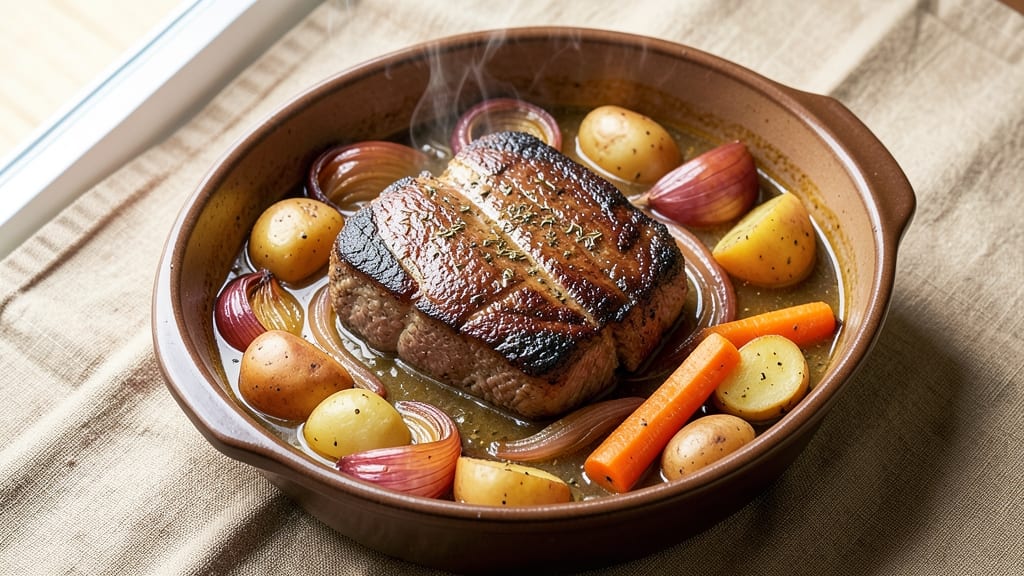
This original Lipton onion soup pot roast recipe brings restaurant-quality richness to your table, using minimal ingredients and a slow-cooked method to turn tough cuts into tender, savory perfection.
The secret lies in using Lipton Onion Soup Mix—not just for flavor, but as a flavor bridge that enhances the natural richness of the beef and vegetables. I've perfected this method over years of testing, ensuring every bite delivers that comforting, aromatic blend of caramelized onions and savory beef.
The beauty of this recipe is its foolproof technique—no fancy equipment required, just a Dutch oven or heavy pot and about 3 hours of hands-off cooking time.
You'll start with a well-seared pot roast to lock in juices, then layer onions, carrots, and potatoes for a classic pot roast experience. The Lipton Onion Soup Mix dissolves into the broth, creating a rich, umami-packed base that infuses every ingredient with its signature depth.
By the end, you'll have tender beef that practically falls apart at the touch, vegetables softened to perfection, and a sauce so flavorful it'll make canned versions seem like a distant memory.
The aroma alone will have everyone gathering around the table, and the first bite delivers that perfect balance of savory, sweet, and tangy notes. This is comfort food at its finest—warm, hearty, and impossible to resist.
Perfect for family dinners, holiday gatherings, or meal prepping, this pot roast reheats beautifully while maintaining its moisture and flavor. Serve with crusty bread to soak up every last drop of that rich onion-infused sauce. Let's get cooking!
Ingredients for original lipton onion soup pot roast
The foundation of this iconic pot roast lies in these carefully selected ingredients, each playing a crucial role in transforming tough beef into melt-in-your-mouth perfection.
| Ingredient | Amount | Notes |
|---|---|---|
| Beef Chuck Roast 🥩 | 3 lb | Well-marbled, 1.5-inch thick cutlets |
| Lipton Onion Soup Mix 🧅 | 2 tbsp | Original flavor, not low-sodium |
| Yellow Onions 🧅 | 2 whole | Medium-sized, sliced into 1/4-inch rounds |
| Carrots 🥕 | 4 whole | Medium, peeled and cut into 2-inch chunks |
| Russet Potatoes 🥔 | 4 whole | Medium, peeled and cut into 1-inch cubes |
| Beef Broth 💧 | 2 cups | Low-sodium, homemade or high-quality |
| Red Wine 🍷 | 1 cup | Dry, like Cabernet Sauvignon or Merlot |
| Garlic Cloves 🧄 | 4 cloves | Peeled and lightly smashed |
| Olive Oil 🫒 | 2 tbsp | Extra-virgin, for searing |
| Thyme 🌿 | 1 tsp | Dried, or 1 tbsp fresh |
| Bay Leaves 🍃 | 2 whole | Fresh, for deep flavor infusion |
| Salt 🧂 | 1 ½ tsp | Diamond Crystal kosher salt |
| Black Pepper 🌶️ | 1 tsp | Freshly cracked, coarse grind |
| All-Purpose Flour 🌾 | 1 tbsp | For dusting beef cutlets |
The beef chuck roast is non-negotiable for this recipe—its marbling ensures tender results. Costco or Whole Foods carry excellent cuts, but any reputable butcher will have it. Look for a roast with visible fat streaks throughout; this fat renders during cooking, creating the rich sauce that defines this dish. If your roast is particularly thick, ask the butcher to cut it into 1.5-inch thick cutlets for even cooking. The Lipton Onion Soup Mix is the secret weapon—its concentrated umami flavor bridges the gap between the beef and vegetables, creating that signature depth. Never substitute low-sodium versions; the sodium enhances the overall flavor profile. Store your mix in an airtight container away from light to preserve its potency for up to 12 months.
No red wine? Beef broth with 1 tbsp balsamic vinegar delivers comparable depth, though the wine's acidity helps tenderize the meat. Fresh thyme is ideal, but dried thyme at one-third the amount works in a pinch—just ensure it's labeled as culinary-grade. The potatoes should be uniform in size to cook evenly; if using baby potatoes, leave them whole. For the onions, yellow onions work best due to their natural sweetness, but red onions add a subtle tang. The garlic cloves can be pre-minced if you're short on time, but lightly smashing them releases more flavor. If you're concerned about the wine's alcohol content, let the pot roast simmer uncovered for the first 15 minutes to allow the alcohol to evaporate.
This pot roast reheats beautifully—simply cover with foil and warm in a 300°F oven for 20-30 minutes. For optimal freshness, portion the leftovers into airtight containers and store in the refrigerator for up to 5 days. The sauce thickens upon reheating, so a splash of beef broth can restore its original consistency. For longer storage, freeze individual portions for up to 3 months. The vegetables can be prepped ahead and stored in the fridge for 2 days before cooking, saving you time on busy weeknights. The Lipton Onion Soup Mix and dried thyme can be stored in your pantry for 12 months once opened, making them perfect staples for future braises.
Why You'll Love This Recipe
- One-Pot Magic: Honestly, this is the kind of dish where you toss everything into one Dutch oven and forget about it. No last-minute scrambling to clean a million pans—just sear that beef chuck roast, dump in the veggies, and let the oven do the work. The Lipton onion soup mix and thyme work together like a flavor dream team, so even if you’re not a seasoning expert, it still tastes restaurant-worthy.
- Crowd-Pleasing Depth: That deep, savory richness? It’s all thanks to the red wine deglaze and the 2 tbsp Lipton onion soup mix stirring into the caramelized onions and garlic. The beef chuck roast turns fork-tender with a crispy edge, and the potatoes soak up the sauce like little flavor sponges. My kids fight over seconds, and even my picky dad—who eats one thing—went back for thirds.
- Leftovers That Never Bore: Cook once, eat twice. The leftovers reheat beautifully, and honestly, they taste even better the next day because the flavors meld even more. Pack it in lunches for work, freeze portions for busy nights, or turn it into sandwiches. The beef broth keeps everything moist, so no sad, dry meat here—just a meal that stretches far beyond dinner.
- Budget-Friendly Luxury: A 3 lb beef chuck roast and pantry staples like yellow onions and carrots? This isn’t a splurge, it’s a steal. The Lipton onion soup mix cuts costs while packing in umami, and the red wine (use what you have) adds sophistication without breaking the bank. It’s the kind of meal that makes you feel fancy without the price tag.
Step-by-step instructions for Lipton onion soup pot roast
This method transforms humble ingredients into a restaurant-quality braise with deep, savory layers.
Sear the Beef Chuck Roast for Maximum Flavor
Pat the 3 lb beef chuck roast dry with paper towels to remove any moisture. This step is critical—wet surfaces prevent proper browning. In a large Dutch oven, heat the 2 tbsp olive oil over medium-high heat until shimmering. Place the roast in the pot and sear on all sides for 4-5 minutes per side until developing a deep mahogany crust.
While searing, I press down gently on the roast with a spatula to ensure even contact with the hot oil. This prevents curling and guarantees a flavorful crust that forms the foundation of the dish. Remove the roast from the pot and set it aside on a plate.
Build the Aromatic Base with Onions, Garlic, and Seasonings
In the same Dutch oven, add the 2 yellow onions and 4 carrots, cutting them into even pieces to ensure consistent cooking. Cook for 5-6 minutes until the onions soften and begin to caramelize slightly. Add the 4 cloves garlic cloves and cook for an additional 30 seconds until fragrant.
Sprinkle the 2 tbsp Lipton onion soup mix evenly over the vegetables, stirring to coat. This step distributes the seasoning throughout the base, creating a flavorful foundation. Add the 1 tsp thyme, 2 bay leaves, 1½ tsp salt, and 1 tsp black pepper, stirring once more to combine. The spices should meld with the caramelized onions, creating a rich aromatic base.
Deglaze and Create the Braising Liquid
Pour in the 1 cup red wine, scraping up any browned bits from the bottom of the pot with a wooden spoon. These bits, known as fond, are packed with flavor and should be incorporated into the sauce. Let the wine simmer for 3-4 minutes until it reduces by half and the alcohol burns off, leaving behind a deeper, more concentrated flavor.
Add the 2 cups beef broth to the pot, stirring to combine with the wine and vegetables. The liquid should now cover the vegetables and roast by about 1 inch. Return the seared beef chuck roast to the pot, placing it on top of the vegetables. Bring the liquid to a gentle simmer, ensuring it doesn't boil vigorously, which could cause the roast to cook unevenly.
Braise Until Fork-Tender
Cover the Dutch oven with a tight-fitting lid and transfer it to a preheated 325°F oven. Braise for 3-3½ hours, or until the beef is fork-tender and easily pulls apart with minimal resistance. The internal temperature should reach 200-205°F at its thickest part, indicating perfect tenderness.
Here's the thing—don't peek or lift the lid during cooking. Each time you do, you release steam and significantly increase cooking time. Instead, trust the timer and the thermometer. The potatoes and carrots will absorb the flavors and become tender as well, completing the dish.
Finish with Potatoes and Rest Before Serving
About 45 minutes before the roast is done, add the 4 russet potatoes, peeled and cut into 1-inch cubes, to the pot. The residual heat will cook them through as the roast finishes. If the liquid level drops too low during braising, add a splash of water or beef broth to maintain coverage.
Once the roast is fork-tender, remove the pot from the oven and let it rest for 15-20 minutes before serving. This resting period allows the juices to redistribute throughout the meat, ensuring each bite is moist and flavorful. Skim any excess fat from the surface if desired, then serve the pot roast directly from the Dutch oven, spooning the vegetables and sauce over the top.
Pro Tips For Making Original Lipton Onion Soup Pot Roast
- Press for Crust: When searing the 3 lb Beef Chuck Roast, don’t just drop it in—press down firmly with a spatula every 30 seconds. I used to skip this, and my roast would curl up like a shrimp, leaving pale patches. The pressure flattens it just enough for that deep mahogany crust on all sides, which is where all the flavor hides.
- Caramelize First: Let the 2 yellow onions and 4 carrots cook for those full 5-6 minutes until they’re soft and just starting to brown. I know it’s tempting to rush, but that extra minute of caramelization turns this from "veggie sidekick" to "flavor MVP." The Lipton Onion Soup Mix will thank you later by clinging to those sweet, sticky bits.
- Wine Reduction Matters: Don’t walk away while the 1 cup red wine simmers—stay there until it’s actually reduced by half (about 3-4 minutes). That’s when the alcohol burns off and the wine turns into a rich, jammy sauce. Skimping here leaves your dish tasting like it’s still swimming in vinegar. Trust me, your nose will know the difference.
- Potatoes Last: Add the 4 russet potatoes only in the final 45 minutes, no matter how much you want to multitask. I learned this after serving mushy spuds that absorbed all the liquid like a sponge. The residual heat cooks them perfectly without stealing the roast’s spotlight—or turning the sauce into a watery mess.
Pro cooking tips for perfect results
Mastering the Sear
That initial sear is where this pot roast gets its soul. I can't stress enough—pat the beef completely dry before searing, or you'll steam instead of brown. Use a heavy Dutch oven like Le Creuset or a Lodge cast iron for even heat distribution.
Press down on the roast with a spatula while searing to prevent curling, ensuring that deep mahogany crust forms on all sides. This crust isn't just for show—it locks in flavor and creates the Maillard reaction that makes this dish sing. 🔥
Liquid Balance is Key
The 1 cup red wine isn't just for flavor—it tenderizes the meat and deepens the sauce. After deglazing, reduce the wine by half before adding broth. This step prevents a watery pot roast by concentrating the flavors.
If you're short on time, use 2 cups beef broth with 1 tbsp balsamic vinegar instead, but the wine adds that restaurant-quality complexity. Always maintain 1 inch of liquid coverage over the roast to ensure even cooking.
The 325°F Secret
Low and slow is non-negotiable here. The 325°F oven temperature is crucial—too hot and the outside burns before the inside cooks; too cool and you end up with tough meat.
I use a meat thermometer (like Thermoworks Smoke) to monitor the internal temperature, aiming for 200-205°F at the thickest part. The potatoes and carrots will finish cooking in the residual heat, so don't add them too early—wait until the last 45 minutes to avoid mushiness. 🌡️
Avoid Common Pitfalls
Don't lift the lid during cooking—every time you do, you lose heat and extend the cooking time by 30-60 minutes. Also, resist the urge to stir the roast; this disrupts the crust and can make the meat tough.
If the liquid evaporates too quickly, add beef broth or water to maintain coverage. And always let the roast rest for 15-20 minutes before slicing—this redistributes the juices so every bite is moist and flavorful.
Equipment Upgrades
While a basic Dutch oven works, upgrading to a stainless steel pot with a tight-fitting lid (like All-Clad) improves heat retention. For even better results, use a thermometer with dual probes—one for the oven and one for the roast.
This lets you monitor both temperature and cooking progress without opening the lid. I also recommend a wooden spoon for stirring, as it won't scratch the pot like metal utensils. 💡
Nutrition facts
Frequently asked questions
Can I substitute dried herbs for fresh thyme in this recipe?
You can! If using dried thyme, reduce the amount to ⅓ teaspoon instead of 1 teaspoon of fresh. The dried version is more concentrated, so less is needed to achieve the same flavor depth. Just ensure it's labeled as culinary-grade for best results.
What if my beef chuck roast isn't 1.5 inches thick?
No problem! Adjust the cooking time slightly—thinner cuts (1 inch) will cook faster (2.5 hours), while thicker cuts (> 1.5 inches) may need 4 hours. Always check with a meat thermometer for 200-205°F internal temp.
Is it okay to skip the red wine and use broth only?
Yes, but the flavor won't be quite as complex. Add 1 tablespoon balsamic vinegar to 2 cups beef broth for similar depth. The wine's acidity helps tenderize the meat, so this substitution won't be identical—but it'll still taste delicious!
Why does the recipe say not to lift the lid during cooking?
Lifting the lid releases heat and steam, which can increase cooking time by 30-60 minutes. The 325°F oven temperature is precise—every interruption disrupts the slow-cooking process. Trust the timer and thermometer instead!
Can I make this recipe in a slow cooker instead of an oven?
Transfer everything to your slow cooker after searing and deglazing, then cook on Low for 8 hours or High for 5-6 hours. Add potatoes in the last 45 minutes to avoid mushiness. The results will be just as tender!