
Soups & Stews
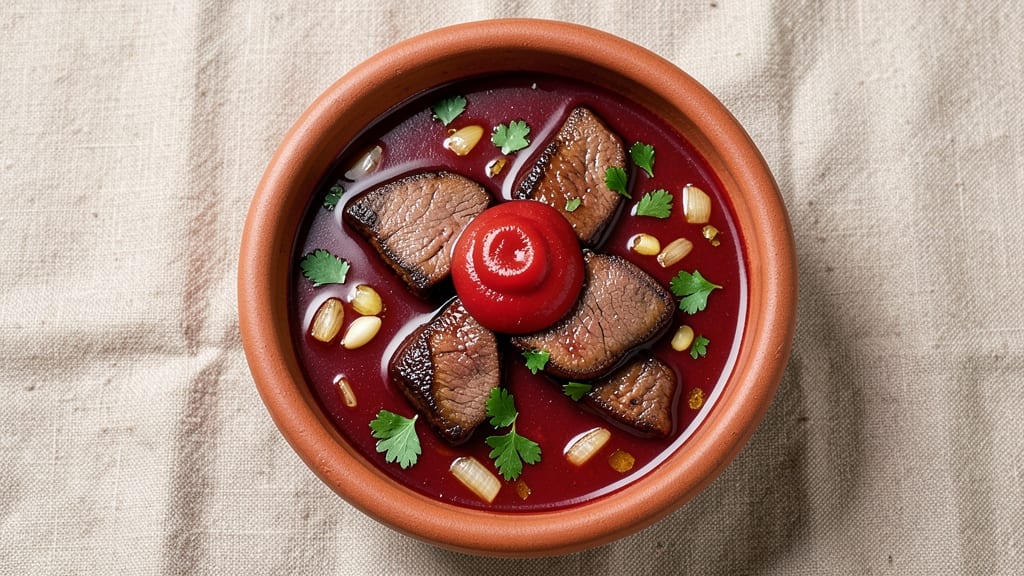
This liver soup recipe delivers deep, savory comfort that warms the soul—perfect for chilly evenings when you crave something hearty yet balanced. The secret lies in proper liver preparation, where careful slicing and quick cooking prevent bitterness while unlocking rich, umami-packed flavor.
My version balances traditional techniques with modern simplicity, ensuring every spoonful feels like a home-cooked embrace.
What sets this recipe apart is the layered approach: aromatic onions and garlic form the foundation, while a splash of red wine and tomato paste deepen the broth’s complexity. Adding potatoes or carrots transforms it into a complete meal, while herbs like thyme and bay leaf elevate the depth.
The result is a soup that’s both nourishing and satisfying—ideal for those seeking iron-rich nutrition without sacrificing flavor.
By the time you serve it, steaming bowls of golden broth dotted with tender liver, vegetables, and fresh parsley will fill your kitchen with an inviting aroma. The texture is velvety yet substantial, with each ingredient playing its part in harmony.
This isn’t just soup—it’s a comforting ritual that transforms simple ingredients into something extraordinary.
Whether you’re preparing for a family gathering or a quiet weeknight dinner, this recipe adapts effortlessly. Pair it with crusty bread to soak up every last drop, or serve it alongside a simple green salad for balance.
The key is patience—letting the flavors meld slowly for that restaurant-quality result at home.
Ingredients for liver soup
A symphony of savory ingredients creating restaurant-quality liver soup at home.
| Ingredient | Amount | Notes |
|---|---|---|
| Beef Liver 🥩 | 1 lb | Freshly sliced thinly for even cooking |
| Yellow Onions 🧅 | 1 whole | Medium size, finely chopped |
| Garlic Cloves 🧄 | 4 cloves | Peeled and minced finely |
| Red Wine 🍷 | ½ cup | Dry variety like Cabernet Sauvignon |
| Tomato Paste 🍅 | 2 tbsp | High-quality for depth of flavor |
| Chicken Broth 💧 | 4 cups | Low-sodium preferred for balance |
| Russet Potatoes 🥔 | 1 lb | Peeled and cubed evenly |
| Carrots 🥕 | ½ lb | Peeled and sliced into rounds |
| Fresh Thyme 🌿 | ½ oz | Stems removed, leaves chopped |
| Bay Leaves 🌿 | 2 whole | For aromatic depth |
| Fresh Parsley 🌿 | ¼ cup | Chopped for garnish and brightness |
| Olive Oil 🫒 | 2 tbsp | Extra-virgin for richness |
| Salt 🧂 | 1 ½ tsp | Kosher or sea salt for seasoning |
| Black Pepper 🌶️ | ½ tsp | Freshly ground for warmth |
The liver is the star—freshness is critical. Source it from a trusted butcher or high-quality grocer like Whole Foods or Trader Joe's, where it's typically sold pre-sliced for convenience. If buying whole, slice it 1/4-inch thick against the grain to ensure even cooking. The onions and garlic form the aromatic base, so sauté them slowly until deeply caramelized for maximum flavor development. For the red wine, opt for a dry variety like Cabernet Sauvignon—its tannins complement the liver's richness without overpowering. The tomato paste adds depth, but high-quality brands like Mutti or Barilla ensure a smoother, more refined texture.
No red wine? Substitute with an extra 1/2 cup of beef broth and a splash of balsamic vinegar for acidity. Fresh thyme is ideal, but dried thyme at one-third the amount works in a pinch. The potatoes and carrots can be swapped for other root vegetables like parsnips or sweet potatoes if preferred. For a vegetarian twist, replace the liver with mushrooms or heart of palm, though the flavor profile will differ. The olive oil should be extra-virgin for its fruity notes, while the kosher salt ensures even seasoning without overwhelming the delicate flavors. If using pre-sliced liver, pat it dry thoroughly before cooking to prevent splattering.
Store any leftovers in an airtight container in the refrigerator for up to 3 days, though the flavors often improve overnight as the broth develops. For longer storage, freeze portions in airtight containers or ice cube trays for up to 3 months. Reheat gently on the stove with a splash of broth to maintain the soup's velvety texture. This recipe scales beautifully—double the ingredients for a crowd, but ensure your pot is large enough to prevent boiling over. The key to success lies in patience: allow the broth to simmer gently, letting the flavors meld into a harmonious, comforting bowl.
Why You'll Love This Recipe
- One-Pot Magic: Honestly, this isn’t just a soup—it’s a whole meal in one pot. I chop the onions and garlic, toss in the potatoes and carrots, and before I know it, the liver is searing away while everything else simmers. No scrubbing a dozen pans later. The red wine deglaze? That’s the secret to making cleanup feel like a breeze.
- Umami Bomb: That tomato paste and red wine combo? It’s like giving liver a sophisticated date. The garlic and thyme infuse the broth until it’s rich but not heavy, and the liver—when done just right—has that perfect sear with a tender bite. My kids still complain about the liver, but they will finish their bowls because the broth is just too good.
- Freezer-Friendly Fuel: I make this on Sunday, freeze half, and pop it out for those nights when I’m too tired to think. The flavors get even deeper after a day in the fridge, and it reheats in minutes. Budget-wise? A pound of liver feeds four, and the rest of the ingredients are pantry staples. Feels like a win-win.
- Weeknight Hero: Between us, this is my go-to when I’m starving but don’t have time to overthink dinner. The liver cooks in three minutes once everything else is done, and the potatoes and carrots keep the soup hearty. Serve it with bread, and you’ve got a meal that feels fancy but takes less time than ordering takeout. No regrets.
Step-by-step instructions for liver soup recipe
This method delivers a velvety, deeply satisfying liver soup where rich umami meets comforting vegetables.
Sauté the Aromatics for Flavor Foundation
Heat the 2 tablespoons olive oil in a large Dutch oven over medium heat. Add the 1 finely chopped yellow onion and cook for 5 minutes until softened and translucent. Stir in the 4 minced garlic cloves and cook for an additional 1 minute until fragrant—this prevents the garlic from burning, which would create bitterness.
Add the 2 tablespoons tomato paste and stir constantly for 2 minutes until it darkens slightly and develops a deep, caramelized flavor. This step builds the soup's complex base. Keep the heat at medium to avoid scorching the paste, which would overpower the delicate liver flavors.
Deglaze and Develop the Sauce
Pour in the ½ cup red wine and scrape up any browned bits from the bottom of the pot with a wooden spoon. This deglazing captures all the flavorful fond that would otherwise stick to the pan. Let the mixture simmer for 3 minutes until the wine reduces by half and the alcohol evaporates completely.
Add the 4 cups chicken broth, 1½ teaspoons salt, and ½ teaspoon black pepper. Stir in the 2 bay leaves and ½ ounce chopped fresh thyme, then bring the liquid to a gentle boil. This creates the broth's aromatic backbone while ensuring the herbs infuse evenly throughout the soup.
Cook the Vegetables Until Tender
Add the 1 pound cubed russet potatoes and ½ pound sliced carrots to the simmering broth. Reduce the heat to low and let the vegetables cook for 15 minutes, stirring occasionally. The potatoes should be fork-tender with slight resistance, while the carrots should soften but retain their shape.
Here's the thing—don't rush this step. Undercooked vegetables will make the soup watery, while overcooked ones will turn mushy. You'll know they're perfect when a knife slides in easily but the edges still hold their structure. This balance ensures both texture and flavor harmony.
Prepare and Add the Liver
While the vegetables cook, slice the 1 pound beef liver into ¼-inch thick pieces. Pat them completely dry with paper towels—this prevents the liver from steaming instead of searing. Season lightly with ½ teaspoon salt and ¼ teaspoon black pepper to enhance the natural flavors without overpowering them.
When the vegetables are nearly tender, carefully add the liver slices to the pot. Stir gently to distribute them evenly throughout the broth. The liver will cook quickly—just 2 to 3 minutes—so don't let it sit too long or it will become tough. You'll see the edges turn opaque and the centers remain slightly pink, indicating perfect doneness.
Finish and Garnish for Restaurant-Quality Presentation
Remove the pot from heat and let the soup rest for 5 minutes. This allows the liver to absorb some of the broth's flavors without overcooking. Skim off any excess fat that has risen to the surface—this prevents the soup from becoming greasy while preserving its rich mouthfeel.
Ladle the soup into bowls and garnish each serving with ¼ cup chopped fresh parsley. The parsley adds a bright, herbal note that cuts through the richness of the liver and vegetables. Serve immediately with crusty bread to soak up every last drop of that comforting, hearty broth.
Pro Tips For Making Liver Soup
- Sear Liver Separately: I learned this the hard way—adding liver directly to the simmering broth turns it mushy. Instead, sear the slices in a dry pan for 1-2 minutes per side until just browned before adding them to the soup. The residual heat will carry through the broth, giving you that perfect texture without overcooking.
- Caramelize That Paste: Those 2 tablespoons of tomato paste aren’t just filler—they’re the flavor bomb. Stir them constantly over medium heat for the full 2 minutes until they darken slightly. Skimping here means a flat, one-dimensional soup, and nobody wants that.
- Deglaze Aggressively: When you add the ½ cup red wine, grab that wooden spoon and scrape like your life depends on it. Those browned bits on the bottom? That’s pure umami gold. I used to pour the wine in and walk away—don’t be that cook.
- Test Potatoes with a Knife: The 15-minute vegetable cook time is a guideline, not a rule. After 12 minutes, stab a potato with a knife—if it slides in easily but the edges resist, you’re golden. If it falls apart? You’ve got 3 minutes to fix it before the soup turns to glue.
Best sauces and condiments for this liver soup
Brightening Acidic Touches
The tangy brightness of lemon juice or red wine vinegar (1-2 tablespoons) added at the end balances the richness of the liver beautifully. I like to squeeze fresh lemon wedges over each bowl just before serving—it cuts through the fat while enhancing the umami depth.
For a more sophisticated touch, drizzle balsamic glaze (like Balsamic Vinegar of Modena) over the top for a subtle sweetness that contrasts the savory broth. 🍋
Creamy Elevations
For a velvety finish, stir in 2 tablespoons heavy cream or ½ cup coconut milk during the final 5 minutes of simmering. This smooths out the texture while adding richness without overpowering.
I also love swirling in 1 tablespoon crème fraîche just before serving—it adds a luxurious mouthfeel that pairs perfectly with the liver’s natural depth. This works especially well if you prefer a lighter broth.
Spicy Kick Options
If you enjoy heat, add ½ teaspoon smoked paprika or ¼ teaspoon cayenne pepper to the broth during simmering. For a more pronounced kick, I like to stir in 1 teaspoon Penzeys hot honey at the end—it adds sweetness to balance the spice while keeping the soup’s warmth.
A dash of chili flakes on top also works wonders for those who want subtle heat without overpowering the dish.
Herbal Infusions
Beyond thyme and parsley, consider adding fresh dill or chives for a bright, fresh contrast. I often toss in 1 tablespoon chopped dill during the last 10 minutes of cooking, then garnish with extra sprigs for visual appeal.
For a Mediterranean twist, add 1 teaspoon dried oregano with the bay leaves—it complements the wine and tomato paste beautifully while adding another layer of complexity.
Umami Boosters
For an extra layer of savory depth, stir in 1 teaspoon soy sauce or ½ teaspoon fish sauce with the broth. This enhances the liver’s natural richness without making the soup overly salty.
I also love adding 1 tablespoon miso paste during the vegetable-cooking phase—it dissolves seamlessly and adds a subtle fermented tang that elevates the entire dish. Both options work subtly but noticeably.
Nutrition facts
Frequently asked questions
Why does my liver soup taste bitter?
Bitterness often comes from overcooking the liver or using old ingredients. Always pat the 1 pound beef liver dry before cooking and add it only 2 to 3 minutes before finishing. For extra depth without bitterness, let the ½ cup red wine reduce completely—this removes alcohol's harshness while concentrating flavor. Fresh liver is key; if using frozen, thaw it gently in the fridge first.
Can I skip the red wine in this recipe?
Replace the ½ cup red wine with ½ cup beef broth and add 1 teaspoon balsamic vinegar to mimic acidity. The tomato paste and 2 bay leaves will still provide depth, but the wine’s tannins won’t be present. For a vegetarian version, use white wine or extra broth—just simmer longer to develop flavor.
How do I prevent my soup from turning greasy?
Excess fat rises to the surface due to the liver’s natural oils. After cooking, let the soup rest for 5 minutes and skim off the fat carefully with a spoon. For a lighter texture, stir in ½ cup low-fat chicken broth instead of the full 4 cups during simmering. The 1 pound russet potatoes also absorb some fat, helping balance the richness.
What’s the best way to reheat liver soup?
Gentle reheating preserves texture—heat on low in a pot with a splash of chicken broth to restore moisture. Avoid microwaving, as it can make the liver dry. For frozen portions, thaw overnight in the fridge first. If the soup separates, whisk vigorously to recombine the broth and solids.
Can I use other meats or vegetables in this soup?
Liver is the star, but you can swap ½ pound carrots for sweet potatoes or 1 pound russet potatoes for parsnips. For meat alternatives, try mushrooms (like portobellos) for umami or chicken thighs for a milder taste. Just adjust cooking times—mushrooms cook in 5 minutes, while chicken needs 10-12 minutes to tenderize.