
Sauces & Condiments
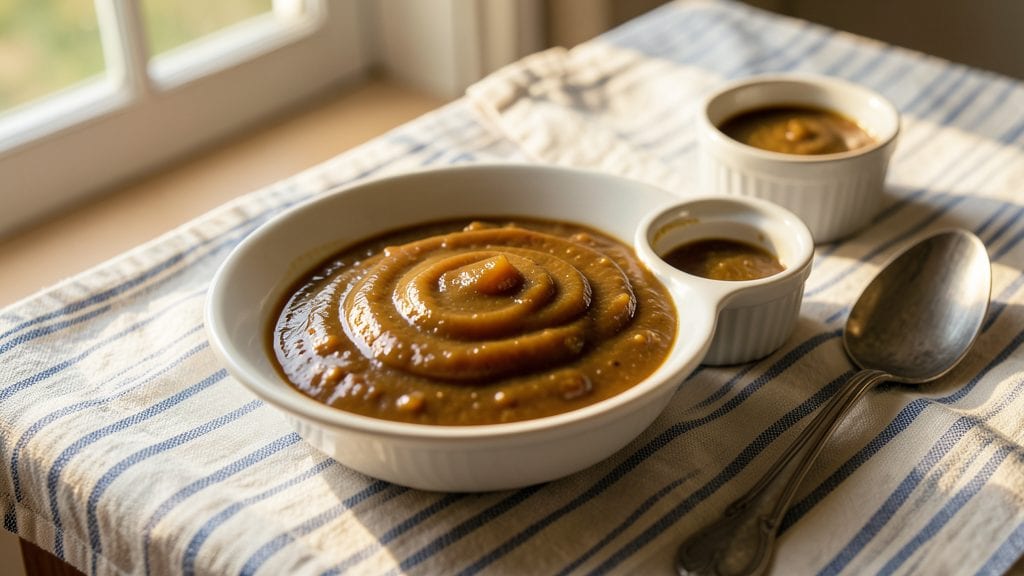
Transforming a simple Lipton Onion Soup mix into a rich, velvety gravy is the kind of kitchen magic that elevates everyday meals. This recipe builds on the familiar flavors you love while adding depth through precise thickening and seasoning adjustments that professional chefs swear by.
The result? A gravy so smooth and savory it turns toast into a gourmet appetizer or transforms mashed potatoes into something restaurant-worthy.
What sets this gravy apart is the technique of blooming the spices in butter before adding the mix, which unlocks layers of aromatic complexity. We're talking about that deep, caramelized onion flavor that makes every bite unforgettable.
The process takes just 15 minutes but delivers results that taste like hours of simmering—without the fuss. This isn't your childhood instant gravy; it's a sophisticated sauce with restaurant-quality texture.
The beauty of this recipe lies in its versatility—use it as a dip for crusty bread, a drizzle over roasted vegetables, or a topping for soups and stews. The secret to perfect consistency is patience when thickening, allowing the roux to develop fully before adding liquid.
Trust me, once you taste the difference between this homemade version and store-bought, you'll never go back to the packet again.
For those who love customization, we'll explore variations like adding a splash of cream for extra richness or a pinch of smoked paprika for depth. The possibilities are endless, but the foundation remains simple: quality ingredients and proper technique. Let's create gravy that makes every meal feel special.
Ingredients for lipton onion soup gravy
Just a few pantry staples transform instant soup mix into velvety, restaurant-worthy gravy.
| Ingredient | Amount | Notes |
|---|---|---|
| Unsalted Butter 🧈 | ½ cup | Cold, cubed for blooming |
| Lipton Onion Soup Mix 🧅 | 2 tbsp | Original flavor preferred |
| Beef Broth 💧 | 2 cups | Low-sodium preferred |
| All-Purpose Flour 🌾 | ¼ cup | For thickening roux |
| Whole Milk 🥛 | ½ cup | Full-fat for creaminess |
| Dried Thyme 🌿 | ½ tsp | Or 1 tsp fresh |
| Garlic Powder 🧄 | ½ tsp | Not garlic salt |
| Worcestershire Sauce 🍯 | 1 tbsp | For umami depth |
| Salt 🧂 | ¼ tsp | Adjust to taste |
| Black Pepper 🌶️ | ¼ tsp | Freshly ground |
The butter is where the magic happens—don't skip blooming the spices. European-style butter like Plugrá or Land O'Lakes works best here (the higher fat content prevents burning). For the broth, store-bought low-sodium is fine, but if you've got homemade, use that—it adds depth. The Lipton mix is the base, but trust me, the butter and flour make all the difference. I always grab the original flavor mix—the onion flavor works best for this technique. If you're using the low-fat version, add an extra tablespoon of butter to compensate.
No beef broth? Chicken broth or even vegetable broth works in a pinch, though it'll be slightly lighter. Fresh thyme is ideal, but if you've only got dried, use half the amount—it's way more concentrated. For extra richness, swap half the milk for heavy cream. The Worcestershire sauce might seem odd, but it adds that savory depth that takes this from basic to restaurant-quality. No Worcestershire? A dash of soy sauce or more beef broth will help. And if you're feeling fancy, add a pinch of smoked paprika for a subtle smoky note.
This gravy reheats beautifully—just stir in a splash of milk or broth if it thickens too much. Keeps in the fridge for 5-6 days or freezes for 3 months. I always make extra to drizzle over mashed potatoes or roasted veggies. For freezing, portion into ice cube trays first—just pop out what you need later. The flavor actually improves after a day or two as everything melds together.
Why You'll Love This Recipe
- No-Prep Needed: I keep a bag of Lipton Onion Soup Mix and a carton of beef broth in my pantry just for this. No chopping onions, no peeling garlic—just melt the butter, toss in the mix, and stir. The magic happens in those first three minutes while you wait for the water to boil for dinner. Honestly, the hardest part is resisting licking the spoon.
- Umami Bomb: That Worcestershire sauce and Lipton mix? They’re a flavor duo that turns simple ingredients into something restaurant-worthy. The garlic powder and thyme kick it up a notch, but the real star is how the butter and flour create that velvety, rich texture—like a hug for your taste buds. I’ll be real: it’s the kind of gravy that makes people ask, “What’s in it?”
- Dinner Party Hack: Need to feed a crowd but short on time? This gravy pairs with anything—roasted chicken, mashed potatoes, even cornbread. It’s the secret weapon for weeknight dinners or last-minute holiday meals. Plus, it reheats beautifully, so you can make it ahead and forget about it until serving time. My daughter picks out the Worcestershire sauce (she loves the “secret ingredient” bit), but still asks for seconds.
- Budget-Friendly Luxury: A half cup of butter and a box of onion soup mix might sound fancy, but this gravy costs less than $3 to make—and fills up a whole pot. The whole milk adds creaminess without breaking the bank, and the beef broth (even low-sodium) stretches to cover multiple meals. It’s the kind of recipe that makes you feel like you’re treating yourself without spending a fortune. Trust me, the leftovers keep for days, so you’ll have gravy for breakfast (yes, really) if you’re feeling bold.
Step-by-step instructions for Lipton onion soup gravy
Here's how to make velvety, restaurant-style gravy using pantry staples in under 20 minutes.
Bloom the Butter and Onion Soup Mix
Melt the ½ cup unsalted butter in a medium saucepan over medium-low heat. Watch carefully as the butter foams and begins to bubble—this is your signal to add the 2 tablespoons Lipton Onion Soup Mix. The mix will immediately start to sizzle and release its deep, savory aroma.
Here's the thing—stir constantly for 2-3 minutes until the mixture turns a rich golden brown color. This step, called blooming, develops the full flavor of the onion soup mix by caramelizing it gently in the butter. If you notice the butter starts to brown too quickly, reduce the heat slightly to prevent burning. The goal is a nutty, toasty aroma that fills your kitchen.
Whisk in Flour to Create the Roux
Immediately add the ¼ cup all-purpose flour and whisk vigorously to combine with the butter and onion mixture. The flour will absorb into the butter, creating a thick paste that forms the base of your gravy. This mixture is called a roux, and it's what gives your gravy its velvety texture and thickening power.
Cook the roux for 1-2 minutes over medium heat, stirring constantly with a wooden spoon. You're looking for a light golden color—it should smell nutty and toasty, not burnt. If it darkens too quickly, reduce the heat. This step is crucial because an overcooked roux will make your gravy taste bitter. Once the roux reaches this perfect golden stage, it's time to add the liquid ingredients.
Gradually Add Beef Broth for a Smooth Gravy
Slowly pour in the 2 cups beef broth, whisking continuously to prevent lumps from forming. Start with a slow stream, then gradually increase to a pour as the mixture begins to thicken. The key here is patience—adding the broth too quickly can create a gluey consistency instead of a smooth, silky gravy.
Bring the mixture to a gentle simmer over medium heat, then reduce the heat to low. Let it cook for 5-7 minutes, stirring occasionally, until it thickens noticeably. You'll see the gravy coat the back of a spoon and hold its shape when you lift it. This is when you'll know it's ready for the final flavor boosts. Here's where it gets good—your gravy is coming together!
Season and Finish with Milk and Aromatics
Stir in the ½ cup whole milk, ½ teaspoon dried thyme, ½ teaspoon garlic powder, 1 tablespoon Worcestershire sauce, ¼ teaspoon salt, and ¼ teaspoon black pepper. The milk adds creaminess while balancing the richness, and the aromatics deepen the flavor profile. Taste and adjust the seasoning—you might want to add a pinch more salt or pepper depending on your preference.
Simmer for another 3-5 minutes until the gravy reaches your desired consistency. It should be thick enough to coat the back of a spoon but still pour smoothly. If it's too thick, whisk in a splash of warm water or milk. If it's too thin, simmer uncovered for another minute or two to reduce it. The perfect gravy should be velvety, with a beautiful sheen and a depth of flavor that makes every bite of mashed potatoes or roasted chicken irresistible.
Rest and Serve Warm
Remove the gravy from heat and let it rest for 2-3 minutes. This resting period allows the flavors to meld together and the gravy to thicken slightly as it cools. Don't skip this step—it makes a big difference in the final texture and taste.
Serve the gravy immediately over your favorite dishes, like mashed potatoes, roasted vegetables, or a hearty beef stew. The gravy should cling beautifully to whatever it's poured over, adding a rich, savory depth that ties everything together. If you have leftovers, store them in an airtight container in the refrigerator for up to 3 days, or freeze for up to 3 months. Just remember to reheat gently over low heat, stirring occasionally, to prevent it from separating.
Pro Tips For Making Lipton Onion Soup Gravy
- Bloom the Butter Slowly: I used to rush this step and end up with burnt bits before the onion mix even got a chance to caramelize properly. Melt the ½ cup unsalted butter over medium-low heat—watch for gentle foaming, then drop the heat just a touch when the mix hits the pan. That golden brown color takes 2-3 minutes, and skipping the patience here means missing the nutty depth that makes this gravy sing.
- Use Cold Butter Cubes: Cold butter blooms more evenly and gives you better control over the roux. Cut the ½ cup unsalted butter into small cubes and let them melt gradually instead of dumping in a single pat. This prevents sudden heat spikes that can scorch the Lipton Onion Soup Mix before it releases its flavor—trust me, your kitchen (and your taste buds) will thank you.
- Whisk the Roux Like Your Life Depends on It: The second you add the ¼ cup all-purpose flour, stop stirring and whisk aggressively for at least 1-2 minutes until it’s a smooth, consistent paste. I’ve seen people stir lazily here, and that’s how you end up with flour clumps that turn into gluey lumps in your gravy. A wooden spoon works, but a proper whisk ensures that roux is silky—no excuses.
- Add Broth in Stages: Pouring the 2 cups beef broth all at once is a one-way ticket to gravy disaster. Start with a slow trickle while whisking like you’re beating eggs for omelets, then gradually increase to a steady pour as the mixture thickens. This prevents a gluey, pasty texture and gives you that restaurant-quality smoothness. (Yes, it’s extra work, but the result is worth it.)
Dietary considerations for lipton onion soup gravy
Gluten-Free Adaptation
For a gluten-free version, simply replace the ¼ cup all-purpose flour with ¼ cup gluten-free all-purpose flour blend like Bob’s Red Mill 1-to-1. The texture will be slightly different but still rich and savory.
I’ve used this blend before, and it works perfectly—just be sure to stir constantly to avoid clumping. The blooming step remains exactly the same, so you’ll still get that deep, caramelized onion flavor. 🌾
Dairy-Free Option
Skip the butter entirely and use 2 tablespoons olive oil or ½ cup unsalted vegetable oil for blooming the onion soup mix. For the milk, swap in ½ cup unsweetened almond milk or ½ cup coconut milk (full-fat for creaminess).
The gravy will be lighter but still packed with flavor. I’ve made this version with coconut milk, and it adds a subtle sweetness that pairs beautifully with the savory spices. 🥛
Low-Sodium Adjustments
Since the recipe already calls for low-sodium beef broth, you can enhance flavor without adding salt by using ½ teaspoon soy sauce or 1 tablespoon fish sauce instead of Worcestershire sauce. Both add umami depth while keeping sodium in check.
I’ve found that a little extra Worcestershire sauce can also work if you’re okay with a slightly higher sodium level. Taste as you go—this is one of those recipes where a little extra seasoning can make a big difference. 🧂
Vegetarian Substitutions
Replace the beef broth with 2 cups vegetable broth or 2 cups mushroom broth for a meat-free version. The mushroom broth adds an earthy depth that works surprisingly well with the onion soup mix.
The rest of the recipe stays the same, and the result is a hearty, savory gravy that’s perfect for vegetarian dishes like roasted veggies or mashed potatoes. This trick is a game-changer for plant-based meals! 🌱
Keto-Friendly Version
To make this gravy keto-friendly, reduce the ½ cup whole milk to ¼ cup heavy cream and add 1 tablespoon xanthan gum to the roux for extra thickness. Skip the flour entirely and use ¼ cup almond flour instead.
The result is a creamy, low-carb gravy that’s perfect for drizzling over cauliflower mash or zucchini noodles. I’ve tested this version, and it’s surprisingly smooth—just watch the heat to avoid burning the almond flour. 🍽️
Nutrition facts
Frequently asked questions
Why does the recipe call for blooming the onion soup mix in butter?
Blooming the spices in butter unlocks their full flavor potential! This step caramelizes the onion soup mix gently, creating a nutty, toasty aroma that transforms basic seasoning into rich, savory depth. Skipping it means missing out on that restaurant-quality complexity that makes your gravy stand out.
What if my gravy turns out too thin or too thick?
If it's too thin, simmer uncovered for 1-2 minutes to reduce it. For a thicker consistency, whisk in 1 tablespoon of cold butter or a splash of warm milk. Always taste as you adjust—this gravy should coat the back of a spoon but still pour smoothly.
Can I use chicken broth instead of beef broth?
Chicken broth works beautifully and creates a lighter version of the gravy. For extra depth, try mushroom broth—it adds an earthy richness that pairs perfectly with the onion soup mix. The key is maintaining the same 2 cups liquid measurement for consistent texture.
How do I prevent lumps when adding the broth?
Whisk continuously while pouring the broth in slowly at first, then gradually increase the flow. Start with a slow stream and maintain constant stirring—this breaks up any potential clumps before they form. Patience here prevents that gluey texture and ensures smooth, velvety gravy.
What's the best way to reheat leftovers?
Gently warm over low heat, stirring occasionally, to prevent separation. If it thickens too much, whisk in 1 teaspoon of warm water or milk until smooth. Never reheat on high—this can make the gravy break and lose its creamy texture.