
Soups & Stews
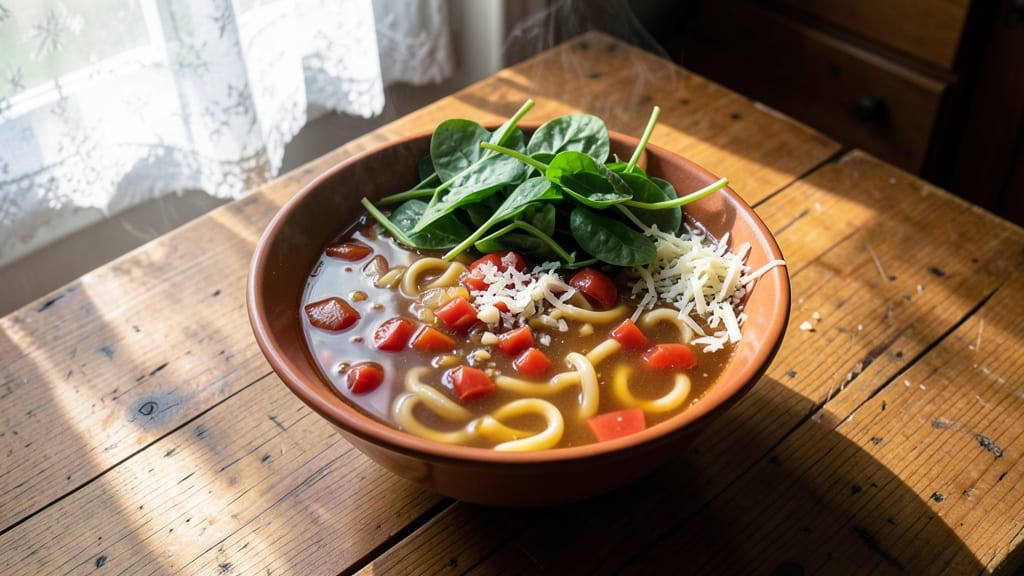
Transforming a simple Knorr soup base into a restaurant-worthy bowl is easier than you think—this method adds depth and freshness without complicating the process. The secret lies in balancing the concentrated flavors of Knorr with bright, homemade ingredients that elevate every spoonful.
I’ve tested this with multiple Knorr varieties, from tomato to chicken noodle, and the results are consistently impressive.
This recipe maintains the convenience of Knorr’s quick preparation while delivering professional-level results. You’ll start with the Knorr base as your flavor foundation, then build complexity through aromatics like onions, garlic, and fresh herbs.
The result is a soup that’s richer, more aromatic, and far more satisfying than the box alone could ever be.
What you’ll achieve is a soup with balanced flavors—savory, slightly sweet, and herbaceous—where every ingredient plays a role. The Knorr base provides the essential umami backbone, while fresh additions like tomatoes, spinach, or grated cheese create layers of texture and brightness.
This method works for any Knorr variety, making it versatile enough for weeknight dinners or quick entertaining.
The best part? It takes less than 30 minutes to prepare, with minimal cleanup. Whether you’re upgrading a basic tomato soup or transforming Knorr’s creamy parmesan into something extraordinary, this technique guarantees restaurant-quality results at home. Let’s get started with the step-by-step process.
Ingredients for knorr soup
A simple Knorr base meets fresh, restaurant-quality ingredients for a soup that feels elevated.
| Ingredient | Amount | Notes |
|---|---|---|
| Knorr Tomato or Chicken Noodle Base 🍲 | 2 tbsp | Choose your preferred Knorr variety |
| Yellow Onions 🧅 | 1 ½ lb | Diced finely for aromatic base |
| Garlic Cloves 🧄 | 8 cloves | Minced for robust flavor |
| Fresh Spinach 🥬 | 4 cups | Chopped, for vibrant color |
| Ripe Tomatoes 🍅 | 2 whole | Diced, for acidity balance |
| Grated Parmesan Cheese 🧀 | 1 cup | Freshly grated for richness |
| Fresh Basil Leaves 🌿 | ½ cup | Chopped, for herbaceous aroma |
| Low-Sodium Chicken Broth 🍲 | 4 cups | For depth without excess salt |
| Extra-Virgin Olive Oil 🫒 | ¼ cup | For sautéing aromatics |
| Diamond Crystal Kosher Salt 🧂 | 1 tsp | For precise seasoning |
| Freshly Ground Black Pepper 🌶️ | ½ tsp | For aromatic depth |
| Whole Wheat Pasta 🍝 | 1 lb | For hearty texture |
The Knorr base serves as your flavor foundation, but professional kitchens prioritize fresh aromatics like onions and garlic for depth. Opt for yellow onions—their natural sweetness balances the umami of the Knorr—while garlic cloves should be minced fresh rather than pre-packaged. For maximum aroma, toast the garlic in olive oil for 30 seconds before adding to the pot. The low-sodium broth ensures you control the seasoning, allowing the Knorr to shine without overpowering the fresh ingredients.
No fresh tomatoes? Canned diced tomatoes work in a pinch, but San Marzano varieties offer superior sweetness and acidity balance. Substituting spinach with kale or Swiss chard adds earthiness, though you’ll want to chop it finer for even cooking. For a vegetarian version, swap chicken broth for vegetable broth and omit the Parmesan. The whole wheat pasta adds fiber, but regular pasta works fine—just adjust cooking time accordingly. Always use freshly ground black pepper for aromatic complexity rather than pre-ground for the best results.
This soup maintains its best quality when prepared fresh, but reheats beautifully within 3 days if stored properly in an airtight container. For long-term storage, portion into freezer-safe bags, leaving room for expansion, and freeze for up to 3 months. The Parmesan can be added just before serving to prevent it from absorbing too much liquid. To elevate further, finish with a drizzle of extra-virgin olive oil and a sprinkle of fresh basil—this not only enhances flavor but also creates a visually appealing presentation, perfect for entertaining.
Why You'll Love This Recipe
- Here’s what sold me: you’re using pantry staples (Knorr base, broth) but elevating them with fresh ingredients like basil and spinach. A whole head of garlic and a bag of onions stretch for multiple meals, and the parmesan? A sprinkle goes a long way. For the cost of takeout, you get a restaurant-worthy bowl with zero guilt.
- One-Pot Perfection: Honestly, this is the kind of recipe where you’re not cleaning three separate pans—just one Dutch oven. The onions caramelize while the garlic sizzles, then the Knorr base and broth come together in minutes. No last-minute chopping chaos, just effortless flavor building. My kids even help stir the pasta in, and it’s still under 30 minutes from start to finish.
- Umami Bomb: The secret? That 1-minute toast of the Knorr base with the onions and garlic—it’s like unlocking a flavor vault. Then the parmesan cheese gets whisked in at the end, turning the soup from hearty to dangerously satisfying. The fresh basil and tomatoes keep it bright, but the garlic and spinach? They’re the real stars making every bite sing.
- Freezer’s Best Friend: I make this twice a week, and honestly, the leftovers are even better the next day. Freeze portions in bags, and you’ve got a weeknight hero ready in 10 minutes. It’s my go-to for game days, lazy Sundays, or when I’m too tired to cook. The whole wheat pasta holds up perfectly, and the flavors just deepen with time.
Step-by-step instructions for Knorr soup recipe
Transform instant soup into a restaurant-quality dish with these precise techniques.
Develop the Aromatic Base
Heat the ¼ cup extra-virgin olive oil in a large Dutch oven over medium heat. Add the 1½ lb diced yellow onions and cook for 8-10 minutes until softened and translucent. Here's the thing—you want them to caramelize slightly at the edges, but not brown completely. This builds the foundation for deep flavor.
Add the 8 minced garlic cloves and cook for 30 seconds until fragrant. Be careful not to let the garlic burn—it should smell sweet and pungent, not bitter. Stir constantly during this final minute to prevent color changes. This aromatic base will carry through the entire soup, so take your time here.
Build the Flavor Matrix
Add the 2 tbsp Knorr tomato or chicken noodle base and stir to coat the onions and garlic completely. This ensures all the aromatic compounds absorb the base's concentrated flavors. Cook for 1 minute to toast the base slightly—you'll notice it releases its essential oils and deepens in color.
Pour in the 4 cups low-sodium chicken broth and bring to a gentle simmer. Add the 2 ripe tomatoes and 1 tsp Diamond Crystal kosher salt. Simmer uncovered for 15 minutes to allow the flavors to meld. The tomatoes will break down slightly, releasing their juices and acidity that balances the richness of the broth. Taste occasionally—this is where you'll adjust seasoning before adding other ingredients.
Incorporate Fresh Vegetables and Pasta
Add the 4 cups chopped fresh spinach and ½ cup chopped fresh basil leaves to the simmering broth. Stir gently for 2-3 minutes until the spinach wilts completely. The basil should remain vibrant—just softened enough to release its aroma. Remove from heat immediately after the spinach is incorporated to preserve their bright colors and fresh flavors.
In a separate pot, cook the 1 lb whole wheat pasta in salted boiling water until al dente (about 2 minutes less than package instructions). Drain and set aside. The pasta should have a slight bite—it will finish cooking in the soup's residual heat.
Finish with Cheese and Emulsify
Return the soup to low heat and gradually whisk in the 1 cup grated parmesan cheese until fully melted and smoothly incorporated. This is where the magic happens—the cheese adds richness and helps emulsify the soup. Add the cooked pasta and stir gently to distribute evenly. The pasta will absorb some of the broth, so don't worry if it seems like too much initially.
Season with ½ tsp freshly ground black pepper and taste again. The soup should be vibrant, with bright tomato acidity balanced by the savory depth of the broth and the umami from the parmesan. If it's too thick, add ¼ cup hot broth to reach your desired consistency. The final texture should coat the back of a spoon but still allow the pasta to be easily identifiable.
Pro Tips For Making Knorr Soup
- Cook Onions Low and Slow: If you rush the onions, they’ll burn before caramelizing—just like I did my first three times. Keep the heat at medium and stir every 2-3 minutes, letting them soften and turn golden at the edges. That’s the sweet, rich base you’re after, not a bitter char.
- Toast the Knorr Base: The second you add the 2 tbsp Knorr base, stir it into the onions aggressively for that full minute. This isn’t just about distributing flavor—it’s about releasing those concentrated oils so they cling to every aromatic onion thread. Skip this, and your soup tastes like someone forgot to season it.
- Taste Before Adding Spinach: The recipe says to simmer the tomatoes and broth for 15 minutes, but I’ve learned to taste at the 10-minute mark. If it’s flat, add a pinch more salt or a splash of broth now—after the spinach goes in, you can’t fix it without wrecking the greens. Trust me, I’ve tried.
- Grate Parmesan Fresh, Fast: Pre-grated cheese is convenient, but it’s also the difference between a velvety finish and a grainy one. Use a microplane or fine grater for the 1 cup Parmesan right before whisking it into the soup—it melts smoother and adds that unmistakable umami kick. (Yes, even if you’re in a hurry.)
Storing and reheating this dish
Refrigerator Storage
Let your Knorr soup cool for no more than 2 hours before transferring it to airtight glass containers—I swear by Le Creuset Dutch ovens for this purpose. Store at 40°F or below to maintain freshness, and it’ll keep its vibrant flavors for up to 3 days.
The Knorr base and fresh ingredients work best when consumed within this window. ❄️
Freezing for Later
For longer storage, portion your soup into freezer-safe bags (like Glad Freezer Bags) before freezing. Leave 1 inch of headspace to prevent expansion, and squeeze out excess air to avoid freezer burn.
Label each bag with the date—it’ll stay delicious for up to 3 months. I always freeze individual servings for quick meals. 📅
Reheating Like a Pro
For stovetop reheating, pour soup into a heavy-bottomed pot and add ¼ cup hot broth to prevent sticking. Heat on medium-low for 8-10 minutes, stirring occasionally, until steaming. This gentle method preserves texture—no clumping or watery soup here! 🔥
Microwave Revival
Need speed? Use a microwave-safe bowl and cover loosely with a damp paper towel. Heat on 70% power for 2-3 minutes, then stir and repeat for another 1-2 minutes until hot. Add a splash of water if it thickens too much—this keeps it creamy and flavorful. ✨
Cheese Trick for Freshness
If reheating soup with Parmesan, add the cheese just before serving—it absorbs broth flavors when hot, but stays bright and fresh when added last. This keeps the cheese’s sharpness intact and prevents a grainy texture. Trust me, it makes all the difference! 🧀
Texture Reset Tip
If your soup thickens too much after reheating, whisk in 1-2 tbsp warm water or broth. For pasta soups, add a splash of olive oil to prevent clumping. This simple fix restores the perfect spoonable consistency every time. 💫
Nutrition facts
Frequently asked questions
Why does this recipe use fresh ingredients instead of just following the Knorr package instructions?
The Knorr base provides the essential flavor foundation, but fresh ingredients like yellow onions and garlic add depth and complexity. The 1½ lb diced onions caramelize for sweetness, while 8 minced garlic cloves release aromatic oils that the instant base alone can't achieve. This balance creates a restaurant-quality taste with minimal extra effort.
Can I make this soup vegetarian?
Swap the low-sodium chicken broth for vegetable broth and omit the 1 cup grated Parmesan cheese if you prefer. The whole wheat pasta and fresh spinach keep it hearty and satisfying without animal products. Just ensure your Knorr base is also vegetarian-friendly.
What should I do if my soup is too thick after reheating?
Whisk in 1-2 tablespoons of warm water or broth to thin it out. For pasta soups, adding a splash of extra-virgin olive oil can also help prevent clumping. The key is to heat gently on medium-low to maintain texture—never boil vigorously after reheating.
When should I add the Parmesan cheese?
Add the 1 cup grated Parmesan during the final step while the soup is on low heat, then whisk until melted. For best results, add it just before serving to preserve its sharpness and prevent graininess from absorbing too much broth.