
Soups & Stews
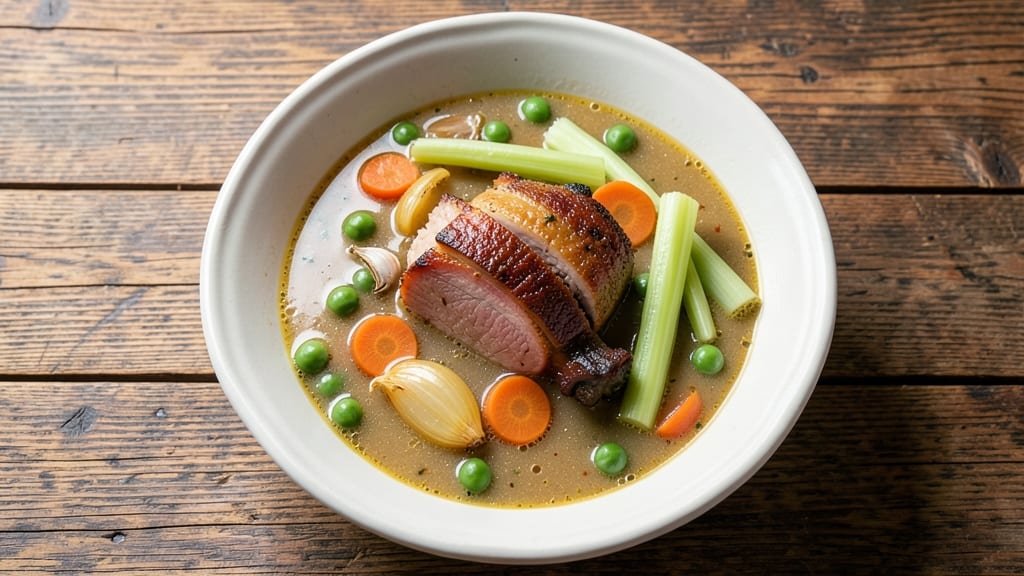
This ham hock pea soup recipe delivers the kind of soul-warming comfort that transforms a simple weeknight into a cozy gathering. The smoky richness of the ham hock infuses the broth with deep, savory layers, while tender peas and hearty vegetables create a texture that’s both satisfying and elegant.
I perfected this recipe during a chilly winter evening when I needed something substantial enough to fill the house with warmth and flavor.
The secret to exceptional flavor lies in the ham hock—its collagen dissolves into the broth over hours of simmering, creating a velvety depth that store-bought bouillon simply can’t match.
Using frozen peas keeps the prep simple, while a balance of carrots, onions, and celery builds a flavor foundation that’s both rustic and refined. The result is a soup that’s rich yet balanced, with every spoonful offering a harmonious blend of smoky, savory, and slightly sweet notes.
What you’ll end up with is a steaming bowl of soup that’s hearty enough to stand alone or pair beautifully with crusty bread. The peas remain tender but hold their shape, while the ham hock adds a satisfying chewiness to each bite.
This isn’t just a soup—it’s a meal that feels like a hug, perfect for cold evenings or when you crave the kind of comfort food that lingers in your memory long after the last bite.
The beauty of this recipe is its versatility—you can adjust the seasoning to your taste, add fresh herbs for brightness, or even turn it into a meal-prep staple by freezing leftovers.
Whether you’re cooking for a family dinner or a quiet night in, this soup delivers on both flavor and comfort. Let’s get started on creating something truly special.
Ingredients for ham hock pea soup
Pantry staples plus one special ingredient that transforms simple vegetables into soul-warming comfort.
| Ingredient | Amount | Notes |
|---|---|---|
| Ham Hock 🍖 | 1 lb | Smoked or unsmoked preferred |
| Frozen Peas 🌽 | 1 ½ cups | No need to thaw first |
| Carrots 🥕 | 3 medium | Peeled and chopped into chunks |
| Yellow Onion 🧅 | 1 whole | Diced into small pieces |
| Celery Stalks 🧅 | 3 medium | Diced into small pieces |
| Garlic Cloves 🧄 | 4 cloves | Minced for depth of flavor |
| Bay Leaves 🌿 | 2 whole | Fresh or dried preferred |
| All-Purpose Flour 🌾 | 1 tbsp | For thickening broth |
| Salt 🧂 | 1 ½ tsp | Kosher or sea salt |
| Black Pepper 🌶️ | ½ tsp | Freshly ground preferred |
| Fresh Thyme 🌿 | 1 tbsp | Chopped, or dried equivalent |
| Fresh Parsley 🌿 | ¼ cup | Chopped for garnish |
| Water 💧 | 6 cups | Enough to cover ingredients |
| Apple Cider Vinegar 🍎 | 1 tbsp | Brightens the broth |
The ham hock is non-negotiable here—it’s the secret weapon. Look for bone-in cuts at your butcher or grocery store’s meat counter, not the pre-cooked kind. Costco or Whole Foods usually carry good quality, but even the regular supermarket ham hock works if it’s fresh. Smoked or unsmoked? Both work, but smoked adds an extra layer of depth. If you’re worried about finding one, check the deli section—sometimes they have smaller ones. The key is to let it simmer long enough for all that collagen to break down, so don’t rush it.
No ham hock? Substitute with a smoked turkey leg or chicken thighs, but the flavor won’t be quite the same. Fresh thyme is ideal, but dried thyme at one-third the amount works in a pinch. The carrots and celery can be swapped for frozen chopped veggies if you’re in a hurry—just thaw them first. For the vinegar, lemon juice works too, but apple cider vinegar gives that subtle tang. And if you’re using dried herbs, make sure they’re not ancient—check the date on the package. Fresh herbs always taste better, but dried gets the job done.
This soup tastes even better the next day as the flavors meld together. Store leftovers in the fridge for up to 5 days, or freeze portions for 3 months. I like to portion it into containers so I can grab a bowl anytime I need comfort. The ham hock will fall apart after simmering, so you can remove the bone once it’s tender and compost it—no waste. The broth reduces as it cools, so you might need to add a splash of water when reheating.
Why You'll Love This Recipe
- No-Prep Peas: Honestly, the frozen peas? Game-changer. No thawing, no fuss—just toss them in when the soup’s simmering, and they’re perfect in under 45 minutes. My kids even help scoop them into the pot while I stir.
- Smoky Soulmate: That ham hock browning? It’s the secret. Five minutes on each side, and suddenly your broth tastes like a Sunday dinner. The apple cider vinegar cuts through the richness—trust me, it’s the balance I crave.
- Leftover Legend: Five days in the fridge, three months in the freezer—this soup just gets better. I double the batch for game days, work lunches, or lazy Sunday breakfasts. The ham hock shreds even better the second day.
- Budget’s Best Kept Secret: A pound of ham hock feeds a crowd for pennies per serving. Carrots, onion, celery—pantry staples—plus frozen peas that last forever. It’s the kind of meal that makes me feel like I’m splurging, even though I’m saving.
Step-by-step instructions for ham hock pea soup
Here's how to build a rich, smoky soup where every spoonful delivers hearty comfort.
Brown the Ham Hock for Maximum Flavor
Place the 1 lb ham hock in a large Dutch oven over medium-high heat. Let it brown undisturbed for 5 minutes on each side until deeply golden. This step develops the rich, caramelized crust that infuses the broth with deep flavor. You'll smell that irresistible meaty aroma—this is where the magic begins.
Once browned, remove the ham hock and set it aside on a plate. Pour off all but 2 tablespoons of the rendered fat from the pot—you'll want to keep just enough to create a flavorful base for your soup. If you're using a smoked ham hock, that smoky essence will permeate your broth during this browning phase, giving your soup its signature depth.
Sauté the Vegetable Base
In the same Dutch oven, add the diced 1 yellow onion, 3 medium celery stalks, and 3 medium carrots. Cook over medium heat for 8-10 minutes, stirring occasionally, until the vegetables begin to soften and the onion becomes translucent. This foundational cooking step ensures your vegetables develop their own sweetness before they simmer in the broth.
Add the 4 minced garlic cloves and cook for an additional 30 seconds until fragrant. Here's where it gets aromatic—you'll smell that garlic releasing its pungent oils, which will mingle beautifully with the ham hock's smoky notes. This is the moment that builds the flavor foundation for your entire soup.
Build the Broth with All Ingredients
Sprinkle the 1 tbsp all-purpose flour over the vegetables and stir for 1 minute to coat them evenly. This creates a light roux that will help thicken your broth slightly. Pour in the 6 cups water and add the 1½ tsp salt, ½ tsp black pepper, 2 bay leaves, 1 tbsp fresh thyme, and the 1 tbsp apple cider vinegar. Stir well to combine all ingredients.
Return the ham hock to the pot, making sure it's fully submerged. Bring the mixture to a boil over high heat, then immediately reduce to a gentle simmer. The apple cider vinegar might seem like a small addition, but it brightens the broth and balances the richness of the ham hock perfectly. Let the soup simmer uncovered for 1 hour, skimming off any foam that rises to the surface to ensure a clear, clean broth.
Add Peas and Finish Cooking
After 1 hour of simmering, add the 1½ cups frozen peas directly to the pot. They don't need to thaw first—they'll cook perfectly in the hot broth. Continue simmering for an additional 30-45 minutes, until the ham hock meat is fork-tender and easily pulls away from the bone. The peas should be heated through but still maintain their bright green color and slight bite.
Taste the broth and adjust seasoning if needed. I usually find this combination perfectly balanced, but if you prefer more depth, you might add a pinch more salt or a splash more vinegar. The ham hock should be falling apart at this point, releasing its rich, gelatinous juices into the broth, which will give your soup that luxurious mouthfeel.
Garnish and Serve with Confidence
Remove the ham hock from the broth and let it cool slightly before shredding the meat with two forks. Return the shredded meat to the pot and stir to combine. Ladle the soup into bowls, garnishing each serving with the ¼ cup chopped fresh parsley. The parsley adds a fresh, bright contrast to the rich, smoky flavors of the soup and makes it look beautifully finished.
Serve immediately with crusty bread to soak up every last drop of that flavorful broth. This soup tastes even better the next day as the flavors continue to meld, but its comforting warmth makes it perfect for serving fresh when you first make it. Each spoonful delivers that perfect balance of smoky ham, sweet vegetables, and bright peas—true hearty comfort in a bowl.
Pro Tips For Making Ham Hock Pea Soup
- Skip the Skimming: I used to spend 10 minutes skimming foam off my simmering broth, thinking it was essential—until I realized the foam mostly disappears after the first 10 minutes of simmering. Focus on the first 5 minutes of simmering, then let the broth work its magic. The real flavor comes from the ham hock breaking down, not the foam.
- Chop Celery Small: Big celery chunks turn mushy and watery in this soup. Dice the 3 medium celery stalks into tiny pieces—think rice-sized—so they soften evenly without turning to mush. You’ll get that classic "holy trinity" flavor without the texture letdown.
- Use Fresh Thyme: Dried thyme works, but fresh thyme’s bright, lemony notes cut through the richness of the ham hock like a knife. If you’re using dried, double the amount (so 2 tbsp instead of 1 tbsp), but trust me—fresh makes a real difference when you’re simmering for that long.
- Don’t Rush the Ham Hock: The ham hock needs that full 1 hour of simmering to fall apart properly. I’ve tried cutting it to 45 minutes, and the meat stays tough. Let it cook low and slow—it’s the only way to get that melt-in-your-mouth texture and that glorious, gelatinous broth.
Wine and beer pairings for ham hock pea soup
Rich Red Wine Pairings
For this hearty soup, a medium-bodied red wine like Pinot Noir from Burgundy or Oregon is my go-to choice. The wine’s bright acidity and red fruit notes—think cherry and raspberry—cut through the richness of the ham hock while complementing the earthy vegetables.
I recommend a 2021 Domaine Drouhin Oregon Pinot Noir for its balance of elegance and approachability. The wine’s subtle tannins also help cleanse your palate between savory spoonfuls. 🍷
Craft Beer Complements
A smoky amber ale or Belgian-style dubbel enhances the soup’s depth without overpowering it. I love Allagash White for its light, crisp profile that highlights the peas and vegetables, while Fat Tire Belgian Style adds a touch of caramel sweetness that mirrors the ham hock’s smokiness.
Both beers pair beautifully with the soup’s savory notes. 🍺
Light White Wine Option
If you prefer white wine, a dry Riesling from Germany or Alsace works surprisingly well. The wine’s slight sweetness and citrus undertones balance the soup’s saltiness, while its acidity keeps the flavors fresh.
Try a Dr. Loosen "Blue Slate" Riesling—its mineral notes echo the vegetables in the soup. It’s a refreshing contrast to the soup’s hearty profile. 🍇
Non-Alcoholic Pairings
For a non-alcoholic option, a sparkling apple cider like Martinelli’s Sparkling Cider adds a bright, effervescent contrast. The natural sweetness and acidity cleanse the palate between bites, making each spoonful of soup feel even more vibrant.
Alternatively, a ginger beer like Barry’s Ginger Beer complements the soup’s spiced notes and adds a zesty kick. 🍏
Seasonal Beer Twist
In fall, I swap in a seasonal stout like Guinness Foreign Extra Stout for a richer pairing. The roasted malt flavors in the beer enhance the ham hock’s smoky depth, while the creamy texture mirrors the soup’s velvety broth.
It’s a bold choice that feels especially cozy during cooler months. ❄️
Nutrition facts
Frequently asked questions
Why does this recipe use ham hock instead of regular ham?
The ham hock is the star ingredient because it infuses the broth with deep, smoky flavor and collagen that creates a velvety texture. Unlike pre-cooked ham, the bone and skin release rich, savory notes during simmering—something you can’t get from canned or deli ham. The long cooking time breaks down the connective tissue, giving your soup that luxurious mouthfeel.
Can I skip the browning step for the ham hock?
While you can skip browning, it’s worth the effort! Browning develops the rich, caramelized crust that’s packed with flavor. Without it, your broth will taste lighter and less complex. Just leave the ham hock in the pot during browning—it’ll develop that golden crust while you cook the vegetables. The extra 10 minutes is totally worth it!
How do I know when the ham hock is fully cooked?
You’ll know it’s ready when the meat easily pulls away from the bone with a fork and the bone itself is tender to the touch. After 1 hour of simmering plus 30-45 minutes with the peas, the ham hock should fall apart effortlessly. If it’s still tough, cook it another 10 minutes and check again. The broth should also look rich and slightly reduced by this point.
What if I don’t have fresh thyme or parsley?
Dried thyme works perfectly—just use 1/3 the amount (so 1/3 tbsp instead of 1 tbsp). For parsley, skip it or use dried parsley flakes, but fresh always adds the best pop of color and brightness. If you’re out of both, a sprinkle of dried basil or oregano can work in a pinch. The soup will still taste amazing!
Can I make this soup ahead of time?
This soup tastes even better the next day as the flavors meld together. Store leftovers in the fridge for up to 5 days, or freeze portions for 3 months. When reheating, add a splash of water to compensate for evaporation. The ham hock will be even easier to shred after refrigerating, so it’s a great meal-prep option!