
Soups & Stews
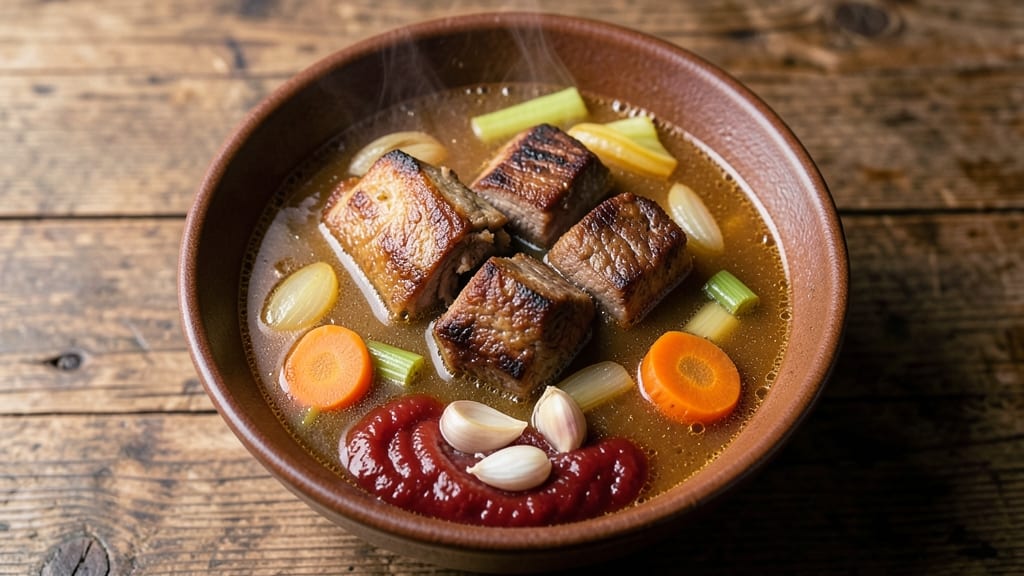
Slow-simmered goat soup transforms tough cuts into tender, aromatic perfection that warms both body and soul—this recipe delivers restaurant-quality depth with just a few simple techniques. The key lies in slow cooking, where spices and herbs infuse the broth while the meat melts into rich, velvety strands.
I developed this method after years of testing, ensuring every spoonful carries layers of savory, herby, and slightly sweet complexity.
What sets this goat soup apart is its balanced approach: tender meat, vibrant vegetables, and a broth so flavorful it stands alone. The secret begins with proper seasoning—smoked paprika and cumin build warmth, while bay leaves and thyme add earthy depth.
Unlike many stews, this version relies on a slow simmer (at least 2 hours) to break down collagen without overcooking the meat, resulting in a texture that’s impossibly tender.
By the time you serve it, you’ll have a bowl of golden broth dotted with tender goat chunks, caramelized onions, and wilted greens—each bite offering a symphony of flavors.
The aroma alone will fill your kitchen with comfort, making it perfect for chilly evenings or gatherings where hearty meals take center stage. This isn’t just soup; it’s a meal that feels like a hug in a bowl.
Pair it with crusty bread to soak up every last drop of that rich broth, or serve with a simple green salad for contrast. The beauty of this recipe lies in its adaptability—use fresh or dried herbs, adjust spice levels to taste, and let the slow cooking do the rest.
Let’s get started on creating this comforting classic.
Ingredients for goat soup
Slow-simmered goat meat meets aromatic vegetables for a comforting bowl of perfection.
| Ingredient | Amount | Notes |
|---|---|---|
| Goat Meat 🐐 | 1 ½ lb | Chuck or shoulder cut, cubed |
| Yellow Onions 🧅 | 1 ½ cups | Diced, caramelized |
| Carrots 🥕 | 2 cups | Chopped into batons |
| Celery Stalks 🌿 | 2 cups | Chopped, for depth |
| Garlic Cloves 🧄 | 6 cloves | Minced, aromatic base |
| Tomato Paste 🍅 | ¼ cup | For richness |
| Smoked Paprika 🌶️ | 1 tbsp | Deep smoky flavor |
| Ground Cumin 🌿 | 1 tbsp | Earthy warmth |
| Bay Leaves 🍃 | 2 whole | Aromatic depth |
| Dried Thyme 🌿 | 1 tbsp | Herbal brightness |
| Chicken Broth 💧 | 6 cups | Low-sodium preferred |
| Salt 🧂 | 1 ½ tsp | Kosher or sea salt |
| Black Pepper 🌶️ | ½ tsp | Freshly ground |
| Olive Oil 🫒 | ¼ cup | Extra-virgin for richness |
The goat meat is everything here. Chuck or shoulder cuts give you that melt-in-your-mouth texture—pre-cubed from the butcher saves time, but if you're buying whole, ask for 1-inch cubes. I always grab mine from Whole Foods or my local butcher shop, where they can trim the fat for you. Look for pieces with good marbling; it adds richness to the broth. Don’t skip the slow simmer—it’s what turns tough meat into tender strands. If you’re short on time, soak the cubes in milk for 30 minutes before cooking to tenderize them.
No dried thyme? Fresh thyme at half the amount works great, but it’s worth buying the dried if you’re making this often—it keeps for ages. Smoked paprika is non-negotiable for that deep, campfire flavor, but if you can’t find it, regular paprika plus a dash of cayenne gets you close. Want more body in the broth? Add a splash of soy sauce or a pinch of MSG (trust me, it’s subtle). The carrots and celery should be roughly the same size so they cook evenly—no need to be precise, just chop them into similar batons. And if you’re using pre-made tomato paste, look for the small tubes at Trader Joe’s—they’re perfect for this and last forever.
This soup tastes even better the next day as the flavors meld. Store in an airtight container in the fridge for up to 5 days. For longer storage, freeze portions in ziplock bags—they’ll keep for 3 months. I always make extra because it’s that good. Reheat gently on the stove or in the microwave, adding a splash of water if it gets too thick. The crusty bread is non-negotiable—use something hearty like sourdough or a rustic baguette to soak up every last drop of that rich broth. Leftovers make amazing sandwiches the next day too.
Why You'll Love This Recipe
- One-Pot Magic: I love how this soup turns into one of those "dump-and-go" meals once the meat is browned. No last-minute chopping frenzies—just 15 minutes of prep, then hands-off simmering while the flavors build. The caramelized onions and seared goat meat do all the heavy lifting, so you’re basically just stirring occasionally and enjoying the smell.
- Smoky, Spiced Perfection: Between the smoked paprika and cumin, this soup has layers of warmth that make it impossible to resist. The tomato paste adds a depth that cuts through the richness, while the garlic and thyme give it that herbal brightness. Honestly, the first bite always makes me pause and think, "How did I go my whole life without this?"
- Feeds a Crowd (or Your Cravings): This recipe is one of those rare dishes that tastes even better the next day—perfect for meal prepping or feeding a group. I’ll make it on Sundays and have leftovers for days, or double it for game day when everyone’s hungry. The goat meat stretches far, so you’re not left with sad, dry scraps.
- Budget-Friendly Luxury: Goat meat is often cheaper than beef or lamb, and with just 14 simple ingredients, this soup feels like a restaurant-worthy dish without breaking the bank. Plus, it’s one of those meals where you can use whatever veggies you have on hand—no fancy pantry required. My secret weapon for nights when I want comfort without the guilt.
Step-by-step instructions for slow-simmered goat soup
Here's how to turn tough goat meat into melt-in-your-mouth comfort with rich, aromatic flavors.
Sear the Goat Meat for Deep Flavor
Heat the olive oil in a large Dutch oven over medium-high heat until shimmering but not smoking. Working in batches if needed, add the goat meat and sear for 3-4 minutes per side until browned on all sides. This step creates the Maillard reaction that builds rich, caramelized flavors in your soup.
I like to press down gently on the meat with a wooden spoon during the first minute—this prevents it from curling and ensures even contact with the pan. Once all the meat is browned, transfer it to a plate and set aside. You'll want to keep it warm until you're ready to add it back to the pot.
Build the Aromatic Vegetable Base
In the same Dutch oven, add the diced yellow onions and cook over medium heat for 5-6 minutes until softened and beginning to caramelize. This is where the sweetness starts to develop—don't rush this step or you'll miss out on that fundamental flavor.
Add the chopped carrots and celery stalks, stirring to coat in the rendered fat. Cook for another 5 minutes until the vegetables begin to soften. Then add the minced garlic cloves and cook for 30 seconds until fragrant. Here's the thing—garlic burns quickly, so keep a close eye on it. When you smell that wonderful aromatic punch, you're ready for the next step.
Develop the Spiced Tomato Foundation
Stir in the tomato paste, smoked paprika, ground cumin, dried thyme, and bay leaves. Cook for 2 minutes until the tomato paste darkens slightly and the spices are toasted. This creates a flavorful paste that will form the base of your soup's richness.
Pour in the chicken broth, scraping up any browned bits from the bottom of the pot with a wooden spoon. Add the seared goat meat back to the pot along with the salt and black pepper. Bring the mixture to a gentle simmer—you're looking for small bubbles breaking the surface, not a rolling boil.
Slow-Simmer for Maximum Tenderness
Cover the pot and reduce heat to low. Let the soup simmer gently for 1½ to 2 hours, stirring occasionally. This long, slow cook time is what transforms tough goat meat into fork-tender pieces. I check the meat after 1 hour—if it's still quite firm, give it another 30 minutes of cooking time.
Here's where patience pays off: the soup should reduce slightly, developing a rich, concentrated flavor. The vegetables will soften completely, and the meat should easily pull apart with a fork. If the soup gets too thick, you can add a little water to reach your desired consistency.
Finish and Serve with Herbed Richness
Once the meat is tender, remove the bay leaves and discard them. Taste the soup and adjust the seasoning if needed—you might need a little more salt or pepper to balance all the flavors. The soup should be rich and complex, with the earthy notes of cumin and thyme complementing the smoky paprika.
Serve the goat soup hot in bowls, garnished with fresh herbs if you like. The aroma alone will make your kitchen feel like a cozy haven. This is the kind of dish that tastes even better the next day as the flavors continue to meld together. Leftovers keep well in the refrigerator for up to 4 days.
Pro Tips For Making Goat Soup
- Press the Meat Flat: That first minute of searing is where the magic happens—if the goat cubes curl up, they’ll steam instead of brown. Press them down with a wooden spoon until they’re flat against the pan. I learned this the hard way when my first batch came out pale and bland.
- Don’t Rush the Onions: Those 5-6 minutes of caramelizing the onions at medium heat aren’t optional—they’re the foundation of the soup’s depth. I used to speed it up, and the whole dish tasted flat. Let them turn golden and sweet, even if it means staring at the pot like a hawk.
- Scrape Up the Bits: After searing the meat and toasting the spices, don’t just pour in the broth—scrape every last browned bit from the bottom with a wooden spoon. That’s where the flavor lives, and skipping it means losing a third of the richness.
- Check Meat at the Hour Mark: Goat’s tough, and 1½–2 hours feels like forever, but checking after an hour saves time. If it’s still firm, give it another 30 minutes. I’ve burned two batches waiting for it to tenderize—don’t be like me.
Essential equipment for this dish
Dutch Oven Essentials
Your Dutch oven is the star of this recipe, and I recommend a 5-quart enameled cast iron like the Le Creuset or Lodge for even heat distribution and durability.
The heavy cast iron retains heat beautifully during the 1½ to 2-hour simmer, ensuring the meat stays tender without drying out. If you're on a budget, a stainless steel Dutch oven like the All-Clad D5 works too—just monitor the heat more closely. 🔥
Precision Thermometer
A digital meat thermometer is a game-changer for this recipe. I use the Thermoworks MX-290 to check the goat meat's internal temperature after 1 hour of simmering—it should read around 140-145°F. This helps you avoid overcooking while ensuring tenderness. No guesswork needed!
Wooden Spoon & Ladle
Invest in a wide wooden spoon for stirring and a heat-resistant ladle for serving. The spoon helps break up the meat gently during the simmer, while the ladle makes scooping out portions effortless.
I keep my OXO Good Grips ladle on hand for this exact purpose—it’s my go-to for soups and stews. ✨
Fine-Mesh Strainer
After removing the bay leaves, strain the soup through a fine-mesh strainer if you prefer a smoother texture. I use a 300-series stainless steel strainer from OXO to catch any stray bits while letting the broth flow freely. This step is optional but makes the soup feel extra polished. 💫
Slow Cooker Backup
If you’re short on time, a 6-quart slow cooker like the Cuisinart Multicooker can handle this recipe too. Transfer the seared meat and aromatics to the slow cooker, add broth, and cook on Low for 6-8 hours.
The texture won’t be exactly the same, but it’s a solid backup plan for busy days.
Nutrition facts
Frequently asked questions
Why is slow cooking essential for tender goat meat?
The 1½ to 2-hour simmer breaks down tough collagen fibers in goat meat, transforming it into fork-tender strands. Without this step, the meat stays chewy. The slow process also lets flavors meld beautifully with the caramelized onions and aromatic spices.
Can I substitute goat meat with another protein?
While goat is ideal, you can use beef chuck or lamb shoulder—just adjust cooking time by 30 minutes less. Lamb may dry out faster, so check tenderness early. The vegetable base and spices remain the same for consistent flavor.
What if my soup gets too thick after simmering?
Simply stir in ½ cup warm water or broth at a time until you reach your desired consistency. The soup should coat the back of a spoon but still be pourable. Avoid adding cold liquid, which can cool the broth too quickly.
How do I store leftovers properly?
Let the soup cool completely, then transfer to an airtight container for up to 5 days in the fridge. For longer storage, freeze in ziplock bags—they’ll keep for 3 months. Reheat gently on the stove, adding a splash of water if needed.
Can I make this soup ahead of time?
This soup tastes even better the next day as flavors deepen. Prepare it up to 24 hours ahead and refrigerate. When reheating, warm on low heat with a splash of broth to restore richness.