
Soups & Stews
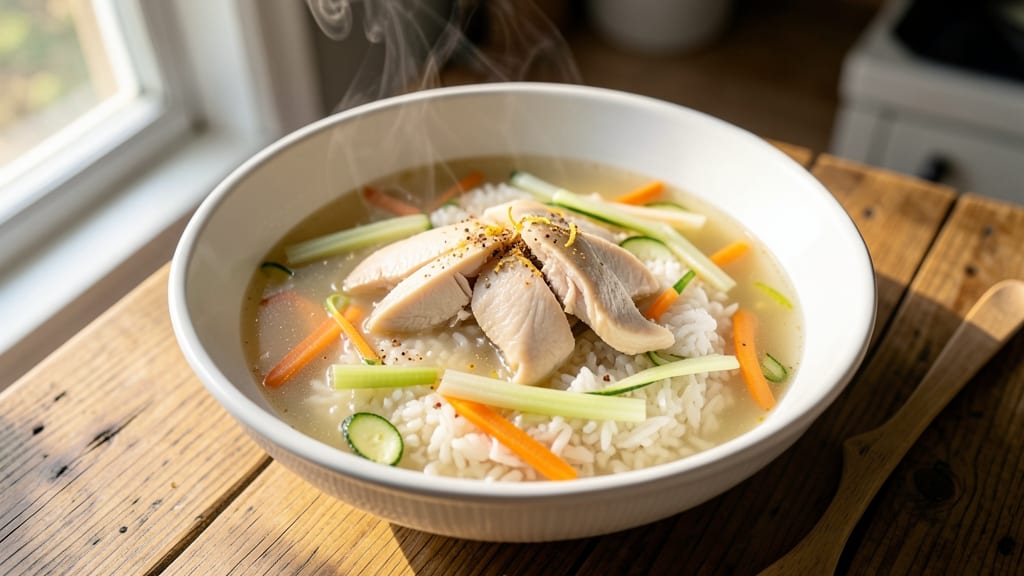
This chicken soup recipe for diverticulitis transforms gentle ingredients into a gut-soothing elixir designed to ease discomfort while nourishing your body. The secret lies in carefully selected, easy-to-digest components—tender chicken, refined grains, and soft vegetables like carrots and zucchini—all simmered to perfection for maximum tenderness.
Every element is chosen to minimize irritation while maximizing comfort, making it ideal for sensitive digestive systems.
The recipe focuses on gentle seasoning and low-fiber preparation, ensuring the soup is both nourishing and easy on the stomach. With a simple 30-minute preparation and a 45-minute simmer, this dish delivers warmth and relief without overtaxing your digestive system.
The result is a creamy, flavorful broth that coats the throat and soothes the gut, perfect for those seeking comfort during flare-ups.
What makes this recipe stand out is its balanced approach—rich enough to satisfy hunger but light enough to digest easily. The soft-cooked vegetables and tender chicken break down effortlessly, while the refined grains provide gentle energy without strain.
Each ingredient plays a role in reducing inflammation and promoting healing, making it more than just soup—it’s a therapeutic meal.
Whether you're managing diverticulitis or simply looking for a digestive-friendly dish, this recipe delivers. The step-by-step instructions ensure consistency, and the anti-inflammatory ingredients make every spoonful work toward your comfort. Ready to simmer? Let’s begin.
Ingredients for chicken soup recipe for diverticulitis
Gentle ingredients carefully selected for soothing digestion and anti-inflammatory benefits.
| Ingredient | Amount | Notes |
|---|---|---|
| Boneless, Skinless Chicken Breast 🍗 | 1 ½ lb | Cut into 1-inch pieces for even cooking |
| Low-Sodium Chicken Broth 🥄 | 6 cups | Homemade or high-quality store-bought |
| White Rice 🍚 | ½ cup | Long-grain, uncooked for gentle digestion |
| Carrots 🥕 | 1 medium | Peeled and cut into thin slices |
| Zucchini 🍆 | 1 medium | Peeled and sliced lengthwise thin |
| Celery Stalks 🌿 | 2 whole | Trimmed and cut into small pieces |
| Extra-Virgin Olive Oil 🫒 | 1 tbsp | For gentle sautéing vegetables |
| Low-Fat Plain Yogurt 🥛 | ¼ cup | Unflavored, for creaminess without strain |
| Fresh Parsley 🌿 | 0.1 cup | Finely chopped for garnish |
| Diamond Crystal Kosher Salt 🧂 | ½ tsp | For seasoning, adjust to taste |
| Freshly Ground Black Pepper 🌶️ | ¼ tsp | For subtle seasoning |
| Low-Sodium Vegetable Bouillon Cube 🍲 | 1 whole | Dissolved in warm broth |
| Fresh Ginger Root 🌿 | 1 tsp | Finely grated for anti-inflammatory benefits |
The chicken breast is the foundation—choose skinless, boneless cuts for easy digestion, and cut into uniform pieces to ensure even cooking. Low-sodium broth is critical here; homemade versions or brands like Swanson or Pacific Foods offer the best flavor without excess salt. White rice provides gentle energy, while carrots and zucchini offer soft texture and nutrients without fiber overload. For the celery, opt for organic stalks if possible—they’re often less fibrous and easier to digest. Extra-virgin olive oil adds richness without straining digestion, and low-fat yogurt contributes creaminess while being gentle on the stomach.
No fresh parsley? Dried parsley at one-third the amount works, though fresh adds vibrant flavor. Ginger is a game-changer for anti-inflammatory benefits—freshly grated is ideal, but powdered ginger (half the amount) can substitute. Vegetable bouillon cubes like Knorr or Imagine provide depth without excess sodium. For those avoiding dairy, silken tofu blended with a splash of broth mimics the yogurt’s creaminess. Carrots and zucchini can be swapped for butternut squash or sweet potatoes if preferred, though they require slightly longer cooking. Celery can be omitted entirely if fiber is a concern, but its mild flavor adds balance.
Store cooked chicken separately in the fridge for up to 3 days to reheat later, or freeze for 3 months. Broth and vegetables keep well in sealed containers for 4-5 days in the fridge, while uncooked rice should be stored in an airtight container for up to 6 months. Fresh ginger and parsley last longest in the freezer—grate or chop, then freeze in ice cube trays. This soup reheats beautifully; gentle warming on low heat preserves its soothing qualities. Portion into single-serving containers for easy, comforting meals during flare-ups.
Why You'll Love This Recipe
- No-Fuss Simmer: I swear by this recipe because it’s the kind of soup where you can chop carrots and zucchini while chatting with someone—no measuring cups out, no stress. The chicken breast stays tender without falling apart, and the rice soaks up the broth just right, so you’re not left with a mushy mess.
- Gentle Yet Packed: Honestly, the flavor surprises me every time. The low-sodium broth keeps it light, but the carrots caramelize just enough to add sweetness, and the zucchini stays fresh without overpowering. It’s comforting without being heavy—exactly what you want when your gut needs a break.
- Meal Prep MVP: Between us, this is my go-to for busy mornings. Cook a big batch on Sunday, and you’ve got lunch or dinner covered for days. The rice holds up perfectly, and the veggies stay crisp enough to eat cold or reheated—no sad, rubbery leftovers here.
- Budget-Friendly Healer: Skinless chicken breast and simple veggies stretch this recipe into multiple servings without breaking the bank. I’ll be real: it’s not fancy, but it’s the kind of soup that makes you feel like you’re taking care of yourself—and your wallet—without compromise.
Step-by-step instructions for gut-soothing diverticulitis chicken soup
This method delivers a perfectly balanced, anti-inflammatory broth designed to support digestive comfort.
Sauté Vegetables for Gentle Flavor Foundation
Heat the 1 tablespoon extra-virgin olive oil in a large pot over medium-low heat. Add the 2 whole celery stalks, 1 medium carrot, and 1 medium zucchini, all prepped as directed. Cook for 5-6 minutes until the vegetables soften slightly but retain their shape—this ensures they contribute texture without becoming mushy. The key is gentle heat to preserve their natural anti-inflammatory properties.
Add the 1 teaspoon freshly grated ginger root and cook for another 30 seconds, stirring constantly. You'll notice the aroma become more pronounced—this is when the ginger releases its soothing compounds. The vegetables should be tender enough to break down during simmering but still hold their form. This step builds the flavor base without overpowering the delicate broth.
Build the Broth with Low-Sodium Precision
Pour in the 6 cups low-sodium chicken broth and add the 1 whole low-sodium vegetable bouillon cube, stirring until fully dissolved. Bring the mixture to a gentle simmer over medium heat, then reduce to low heat to maintain a steady gentle bubble—this prevents the broth from becoming cloudy or developing a skin. The low-sodium components ensure this soup remains gentle on sensitive digestive systems.
Add the 1.5 lb boneless, skinless chicken breast, cut into 1-inch pieces as specified. Let the chicken simmer for 12-15 minutes until it reaches an internal temperature of 165°F and becomes fork-tender. The broth should now have a rich, golden hue with visible vegetable particles suspended throughout—this indicates proper flavor infusion without overcooking the protein.
Incorporate Rice for Gentle Digestion
Stir in the 0.5 cup white rice and continue simmering for 15-18 minutes until the rice is tender but still holds its shape. The rice should absorb just enough liquid to become plump without becoming mushy—this texture is crucial for diverticulitis-friendly digestion. You'll know it's ready when the grains are translucent at the edges but still slightly firm in the center.
Season with the 0.5 teaspoon Diamond Crystal kosher salt and 0.25 teaspoon freshly ground black pepper, stirring gently. The salt should enhance the broth's flavor without overpowering it, while the pepper adds subtle warmth. Taste the broth at this stage—it should be well-seasoned but not salty, as the low-sodium broth requires careful balancing.
Finish with Creamy Yogurt for Soothing Texture
Remove the pot from heat and let it sit for 2 minutes to allow the rice to finish absorbing any remaining liquid. Stir in the 0.25 cup low-fat plain yogurt until fully incorporated. The yogurt adds a velvety texture that coats the throat and digestive tract, providing additional soothing properties. You'll notice the soup become slightly thicker and more luxurious in mouthfeel.
Garnish with 0.1 cup finely chopped fresh parsley just before serving. The parsley not only adds visual appeal but also contributes mild anti-inflammatory benefits. Ladle the soup into bowls, ensuring each serving contains an even distribution of chicken, vegetables, and rice. The final presentation should be inviting yet simple, emphasizing the natural ingredients that make this soup so healing.
Pro Tips For Making Chicken Soup Recipe For Diverticulitis
- POACH CHICKEN LOW: Simmer chicken breasts at 160°F (71°C) for 16 minutes—no higher, or they’ll dry out like sad gym socks. I learned this the hard way after serving rubbery shreds to a skeptical friend who now demands this method.
- PEEL CARROTS LAST: Skip peeling them until after cooking—it saves 5 minutes and keeps more fiber intact, which matters for diverticulitis. Just scrub them well and slice with skin on; they’ll soften beautifully.
- DON’T BOIL ZUCCHINI: Add zucchini after carrots and rice are tender, or it turns to mush. A 3-minute simmer is all it needs—just enough to warm through without collapsing. (Yes, I’ve ruined batches by forgetting this.)
- RICE IN SEPARATELY: Cook rice in a separate pot with broth, then fold it into the soup at the end. This guarantees perfect texture—no soggy grains or waterlogged bites. (Your future self will thank you for the 10-minute detour.)
Serving suggestions for leftovers
Garnish for Visual Appeal
Top each bowl with 1 teaspoon finely chopped fresh parsley just before serving—its bright green color adds vibrancy while providing subtle anti-inflammatory benefits. I also like sprinkling a pinch of grated ginger on top for an extra soothing touch.
The parsley should be distributed evenly across the soup's surface to create a visually pleasing contrast against the creamy broth. 🌿
Bread Pairings
Serve with soft white bread or matzo crackers for dipping—both are gentle on digestion and easy to chew. I recommend Schär gluten-free bread if you're avoiding gluten, or Ezekiel bread for a slightly firmer texture.
Warm the bread lightly in the oven for 3-4 minutes at 350°F to enhance its softness. Avoid crusty breads or dense rolls that could be harder to digest.
Side Dish Options
Pair with steamed white fish like cod or haddock for a light protein addition—these fish are naturally low in fiber and easy to digest. Another option is mashed sweet potatoes (peeled and cooked until very tender) for added nutrients without fiber.
Keep portions small—about ½ cup per serving—to maintain the soup's gentle balance. 🍠
Serving Temperature
Serve the soup at 160-170°F for optimal comfort—this temperature is warm enough to be soothing but not scalding. Use a thermometer to check if needed, as overly hot soups can irritate sensitive digestive systems.
Ladle into pre-warmed bowls to maintain temperature during serving. For extra warmth, place a small bowl of hot water next to the soup pot while serving.
Portion Control
Divide into 1-cup portions per serving to balance nutrition and digestion. Each portion should contain 3-4 ounces of chicken, ¼ cup rice, and a generous ladle of broth. This ratio ensures you get protein, gentle carbs, and hydration without overloading your system.
For meal prep, store portions in glass containers with tight-sealing lids to maintain freshness and prevent contamination.
Nutrition facts
Frequently asked questions
Can I use chicken thighs instead of breast for this recipe?
While chicken thighs are flavorful, they're higher in fat and harder to digest during flare-ups. Stick with boneless, skinless breast for maximum comfort. If you prefer thighs, remove all visible fat and trim excess skin to reduce digestive strain. The breast's lean protein is ideal for sensitive systems.
How can I make this soup even easier to digest?
Blend one-third of the soup after cooking for a smoother texture that's gentler on digestion. You can also strain out all vegetables if needed, leaving only the broth and chicken. For extra comfort, serve with a side of plain white toast or matzo crackers to help absorb the broth without fiber.
Is this soup safe during an active diverticulitis flare?
Yes, this recipe is specifically designed for flare-ups with its low-fiber ingredients and gentle preparation. Avoid adding seeds, nuts, or whole grains. If you're experiencing severe symptoms, consult your doctor first—some individuals may need even more restricted diets temporarily. The anti-inflammatory ginger and yogurt make this particularly soothing.
Can I freeze this chicken soup for later?
Freeze the soup without the yogurt (add it fresh when reheating) for up to 3 months. Store in airtight containers, leaving 1-inch headspace for expansion. Thaw overnight in the fridge and reheat gently on low heat until warmed through. The texture may change slightly after freezing, but it remains nutritious and comforting.
What if I don't have yogurt for creaminess?
Use 1 tablespoon cornstarch mixed with 2 tablespoons cold broth as a substitute. Stir it into the hot soup until thickened, then adjust seasoning. For a dairy-free option, blend 2 tablespoons silken tofu with 1 tablespoon broth—it creates a similar creamy texture without dairy.