
Soups & Stews
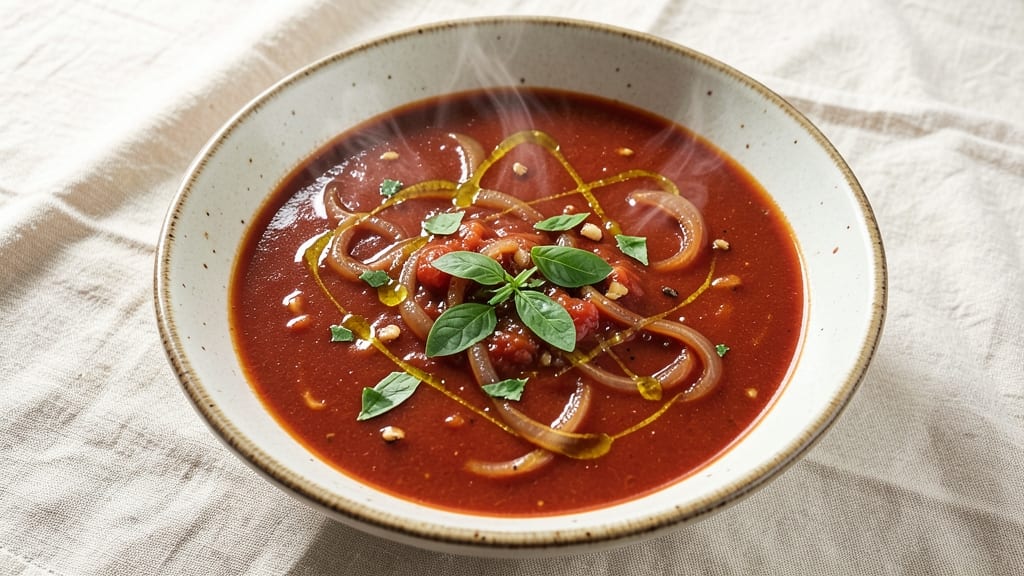
This canned tomato sauce soup recipe proves that turning a humble can into a fragrant, hearty Italian-inspired bowl is one of life’s easiest kitchen triumphs.
This recipe builds on pantry staples—garlic, basil, and broth—to create a deeply savory, herbaceous soup that simmers down to velvety perfection in under 30 minutes.
The beauty lies in its simplicity: no fancy ingredients, no complicated techniques, just layers of flavor developed through slow cooking and fresh herbs at the end.
The foundation begins with sautéing garlic until fragrant but never burned—a critical step that sets the flavor base. From there, canned tomato sauce becomes the star, its acidity mellowing as it simmers with broth and a pinch of salt.
A splash of red wine (optional but recommended) adds depth, while fresh basil brightens the finish. What you end up with is a soup that’s hearty enough for a cold evening but quick enough for a weeknight, where every spoonful delivers that authentic Italian warmth.
This recipe delivers restaurant-quality results with minimal effort, perfect for those nights when you crave comfort food without the fuss. The texture is smooth yet substantial, with just enough body to satisfy, while the basil and garlic create an aromatic experience that feels indulgent.
Serve it as-is for a light meal or add protein like white beans or Italian sausage for extra heartiness. The versatility makes it ideal for meal prep too—simmer a big batch and reheat throughout the week.
What sets this soup apart is how it transforms humble ingredients into something extraordinary through technique rather than complexity. The slow simmer allows flavors to meld, while the final touch of fresh basil ensures brightness that cuts through the richness.
For those with dietary preferences, it’s easily adaptable—vegetarian, vegan, or gluten-free with simple swaps. The key is patience: letting the soup develop its character over time rather than rushing the process.
Ingredients for canned tomato sauce soup
Pantry staples and fresh herbs transform simple canned tomato sauce into restaurant-worthy Italian soup.
| Ingredient | Amount | Notes |
|---|---|---|
| Canned Tomato Sauce 🍅 | 2 cups | San Marzano preferred for sweetness |
| Vegetable Broth 💧 | 4 cups | Low-sodium preferred for balance |
| Garlic Cloves 🧄 | 4 cloves | Minced, never burned |
| Extra-Virgin Olive Oil 🫒 | 2 tbsp | For sautéing garlic |
| Red Wine 🍷 | ½ cup | Dry, bold variety optional |
| Fresh Basil Leaves 🌿 | ¼ cup | Chopped, for finishing |
| Sea Salt 🧂 | 1 tsp | Adjust to taste |
| Black Pepper 🌶️ | ½ tsp | Freshly ground |
| Dried Oregano 🍃 | 1 tsp | Italian preferred |
| White Wine Vinegar 🍋 | 1 tbsp | Brightens acidity |
| Onion 🧅 | 1 whole | Diced, yellow or white |
| Heavy Cream 🥛 | ¼ cup | Optional for richness |
| Parmesan Cheese 🧀 | ¼ cup | Freshly grated, for serving |
The canned tomato sauce is the unsung hero here—San Marzano makes all the difference with its natural sweetness and lower acidity. Most grocery stores carry it near the regular tomato sauce, but if you can't find it, any high-quality canned tomato sauce works. For the broth, low-sodium options prevent over-salting, but you can always adjust later. The garlic needs to be minced finely and sautéed until fragrant but never browned—this sets the entire flavor foundation. Fresh basil is ideal, but dried oregano at half the amount works in a pinch. The onion adds subtle sweetness, so don't skip it even if you're in a hurry.
No red wine? Substitute an extra splash of broth or white wine vinegar—both add acidity to balance the tomatoes. Heavy cream is optional but elevates the soup to creamy perfection. If you're avoiding dairy, coconut milk or extra broth works just as well. For a vegetarian version, simply omit any meat additions. The Parmesan should be freshly grated from a block—pre-grated often contains anti-caking agents that ruin the texture. If you're meal prepping, hold off on adding the basil and Parmesan until serving to keep the colors vibrant and flavors bright.
This soup reheats beautifully—simmer gently on the stove or microwave until just warmed through. It keeps well in the fridge for 5 days, though the flavor deepens after the first night. For longer storage, freeze portions in airtight containers for up to 3 months. The basil and Parmesan should be added fresh when serving, as they lose their vibrancy when reheated. Double the batch and freeze half for those nights when you want Italian comfort without the effort.
Why You'll Love This Recipe
- No-Pantry-Panic Soup: I’ll admit it—I’ve burned dinner three times this week, and this soup saved me. Just grab a can of tomato sauce, some broth, and a few pantry staples, and you’re golden. The red wine? It’s not just for drinking. That ½ cup reduces down to a fragrant, savory base in minutes, and suddenly your kitchen smells like a cozy Italian nonna’s home.
- Chef’s-Kiss Harmony: The way the garlic sizzles in olive oil for just 30 seconds—not a second more—then gets kissed by wine and tomato sauce? That’s the magic. The white wine vinegar cuts through the richness, while the basil at the end makes it taste like summer in a bowl. My picky teenager actually asked for seconds when I served this. (Yes, even on a Tuesday night.)
- Freezer’s Best Kept Secret: This soup gets better the next day, and honestly, it’s my go-to for those nights when I’ve got a full house but no time. Freeze portions in ice cube trays for quick meals—just pop one into a pot and simmer. Budget-friendly? Absolutely. A can of tomato sauce and a bottle of wine? That’s your whole grocery list for this recipe.
- Crowd-Pleaser Magic: Whether it’s a weeknight dinner or a last-minute potluck, this soup never lets you down. Serve it with crusty bread, and suddenly you’ve got a meal that feels fancy but takes less than 30 minutes. The parmesan on top? It’s the little touch that makes people ask for the recipe. My secret weapon for when I need to impress without the stress.
Step-by-step instructions for simmered tomato garlic basil soup
This method transforms simple pantry staples into a rich, aromatic Italian-inspired soup.
Sauté the Aromatics
Heat the 2 tablespoons extra-virgin olive oil in a large pot over medium heat. Add the 1 diced onion and cook for 5 minutes until softened and translucent. Add the 4 minced garlic cloves and stir for 30 seconds until fragrant—don't let it brown, or you'll get bitter flavors.
Here's the thing—sautéing the onion until it's truly soft removes any raw taste, and the garlic should just perfume the oil without coloring it. If your garlic starts to turn golden, reduce the heat slightly and keep stirring. This foundational step builds the soup's depth of flavor, so take your time.
Build the Tomato-Wine Base
Pour in the ½ cup red wine and let it simmer for 2 minutes until reduced by half. This step concentrates the wine's flavor and removes some of its alcohol content. Then, add the 2 cups canned tomato sauce, 4 cups vegetable broth, 1 teaspoon dried oregano, 1 tablespoon white wine vinegar, 1 teaspoon sea salt, and ½ teaspoon black pepper. Stir well to combine all ingredients.
Bring the mixture to a gentle boil, then reduce heat to low-medium and let it simmer uncovered for 20 minutes. You'll notice the soup thickens slightly as the liquid reduces and the flavors meld together. Stir occasionally to prevent sticking, but don't over-stir—this can make the soup cloudy.
Finish with Cream and Fresh Herbs
After 20 minutes, stir in the ¼ cup heavy cream and let the soup simmer for an additional 5 minutes. This creates a velvety texture without overpowering the tomato flavor. Remove the pot from heat and stir in the ¼ cup fresh basil leaves. The basil should brighten the soup with its fresh aroma and vibrant color.
Taste and adjust seasoning if needed—you might want to add a pinch more salt or a splash of vinegar for balance. The soup should be rich but not overly heavy, with a perfect harmony of acidity, sweetness, and herbal notes. If you prefer a thicker consistency, you can simmer uncovered for another 5-10 minutes to reduce further.
Serve with Parmesan
Ladle the soup into bowls and top each serving with ¼ cup parmesan cheese. The parmesan adds a salty, umami richness that complements the tomato and basil flavors. For extra texture, you can also sprinkle with additional fresh basil or a drizzle of olive oil.
This soup tastes best when served immediately while the parmesan is still fresh and the basil retains its vibrant green color. If you need to reheat leftovers, do so gently on the stove over low heat to prevent the cream from separating or the basil from wilting.
Pro Tips For Making Canned Tomato Sauce Soup
- Simmer the Wine Longer: That 2-minute reduction for the ½ cup red wine is non-negotiable—it’s what turns harsh alcohol into silky depth. I used to rush it and wondered why my soup tasted flat. Let it bubble until it’s noticeably reduced by half, or your flavor will feel thin.
- Don’t Burn the Garlic: Those 4 minced garlic cloves should perfume the oil in 30 seconds, not turn golden. I learned this the hard way—once I let them sit too long, and the whole pot tasted bitter. Keep stirring and pull it off heat the second you smell that sweet aroma.
- Salt the Broth Early: Taste the 4 cups vegetable broth before adding it to the pot. Low-sodium is better, but if it’s bland, add a pinch of salt now—you can always adjust later. Skipping this step means you’ll be guessing whether your soup needs more salt at the end.
- Skip the Heavy Cream: That ¼ cup heavy cream is optional, and I often leave it out when I’m in a hurry. The soup still tastes rich, but adding it later lets you control the texture. If you use it, stir it in just before serving so it doesn’t curdle during the final 5-minute simmer.
Troubleshooting great canned tomato sauce soup
Cloudy Soup Fix
If your soup turns cloudy during simmering, it’s usually from over-stirring or adding cold ingredients. The key is to avoid stirring too vigorously once the soup reaches a boil—just stir gently to prevent the tomato solids from breaking down.
If it’s already cloudy, strain it through a fine-mesh sieve into a clean pot, then return it to the stove to finish cooking. This removes excess tomato pulp while keeping the flavor intact. 💡
Overly Thin Soup
When your soup is too thin after simmering, it’s often because the liquid reduced too quickly or you added too much broth. To fix it, remove the pot from heat and let it cool slightly, then whisk in 1-2 tablespoons cornstarch mixed with 2 tablespoons cold water.
Return the soup to low heat and stir constantly until thickened. For a richer texture, stir in 1-2 tablespoons heavy cream or a splash of tomato paste to absorb excess liquid.
Bitter Garlic Flavor
Burnt garlic is the most common culprit behind a bitter soup. If you notice a harsh taste, don’t panic—simmer the soup for an additional 5-10 minutes to mellow the bitterness. Alternatively, add ½ teaspoon sugar or a pinch of cinnamon to balance the flavor.
For a stronger fix, remove the pot from heat and stir in 1 tablespoon fresh lemon juice to cut through the bitterness. Taste as you go—this step is all about trial and error until it tastes right.
Salt Imbalance
If your soup tastes too salty, dilute it by adding ½ cup cold water or low-sodium broth and simmering for 2-3 minutes. For a less drastic fix, add 1-2 tablespoons mashed potato or plain yogurt to absorb the excess salt.
Conversely, if it’s underseasoned, stir in ½ teaspoon sea salt or a splash of white wine vinegar to enhance the acidity and bring out the flavors. Taste frequently—seasoning is a gradual process!
Soggy Basil or Onions
If your fresh basil or onions turn mushy after simmering, it’s because they were added too early or cooked for too long. To salvage it, remove the pot from heat and stir in 1 teaspoon lemon juice or 1 teaspoon vinegar to preserve the texture.
For a fresh touch, garnish with extra basil or thinly sliced onions right before serving. If the soup is already reheated, the texture won’t fully recover, but the garnish will still brighten the dish. 🌿
Nutrition facts
Frequently asked questions
Why does my soup taste bland after simmering?
Blandness often happens when flavors aren't allowed to develop properly. Make sure to simmer the soup uncovered for the full 20 minutes to let the aromatics meld. If it still tastes flat, stir in ½ teaspoon sugar or 1 tablespoon white wine vinegar to brighten the acidity. Taste frequently during cooking—seasoning builds gradually!
Can I skip the red wine in this recipe?
If you don’t have red wine, substitute ½ cup extra vegetable broth or 1 tablespoon white wine vinegar—both add depth without alcohol. The vinegar will enhance the tomato’s natural acidity, while broth keeps the soup’s body intact. Just adjust salt slightly if using broth.
How do I prevent the soup from separating when reheating leftovers?
Reheat gently on the stove over low heat and stir constantly to avoid overheating. If the cream separates, whisk in 1 teaspoon cornstarch mixed with 1 tablespoon cold water to re-emulsify. For extra protection, store the soup without the basil until reheating—add it fresh when serving.
What’s the best way to thicken this soup if it’s too thin?
Simmer uncovered for 5-10 more minutes to reduce naturally. For a quicker fix, whisk in 1-2 tablespoons tomato paste or 1 tablespoon cornstarch dissolved in cold water. Stir until smooth and return to low heat until thickened. Avoid over-thickening—this soup should remain creamy, not paste-like!
Can I make this soup ahead of time?
Yes! It keeps well in the fridge for 5 days, and the flavor actually improves after the first night. For longer storage, freeze portions in airtight containers for up to 3 months. Just add fresh basil and Parmesan when reheating—don’t freeze these ingredients!