
Soups & Stews
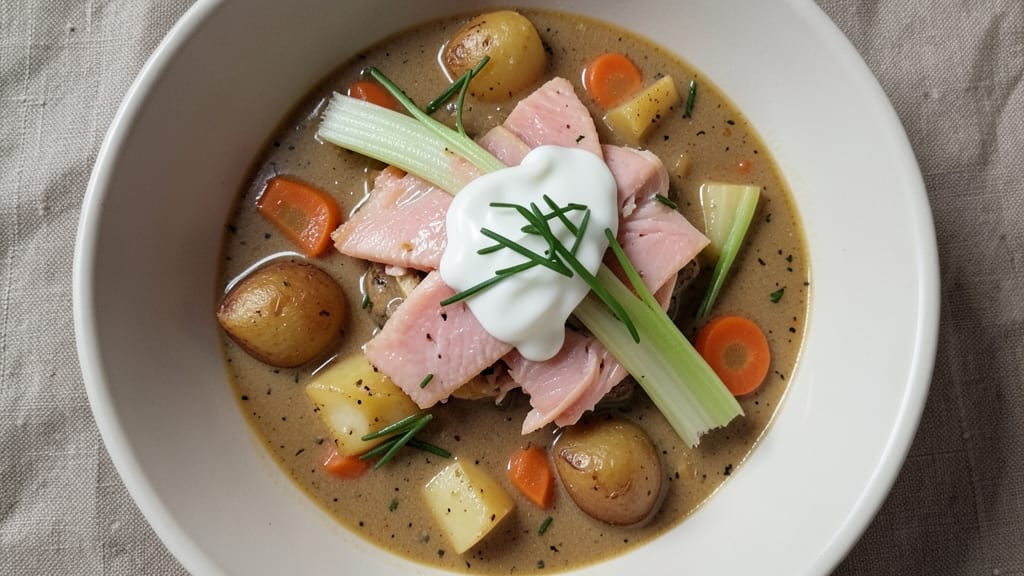
This canned salmon chowder soup recipe delivers the kind of creamy, comforting bowl that feels like a hug on a chilly day—without requiring fresh fish or hours of prep.
The secret lies in balancing smoky depth from the salmon with velvety creaminess, where every spoonful reveals tender fish flakes and hearty vegetables. I developed this version after realizing how often canned salmon transforms into restaurant-quality chowder when paired with the right technique.
The beauty of this recipe is its simplicity: just 30 minutes of active time yields a pot of soup that simmers with rich, smoky flavors from the salmon and subtle warmth from a touch of smoked paprika.
Potatoes soak up the broth while carrots and celery add natural sweetness, creating a balanced texture that’s both satisfying and elegant. The blend of cream and broth ensures that signature creamy consistency without breaking the bank.
What you’ll end up with is a bowl of soup where flaky salmon pieces melt into the broth, creating a luxurious mouthfeel that’s impossible to resist. The surface stays smooth and inviting, perfect for garnishing with fresh chives or a sprinkle of black pepper.
This is the kind of dish that pairs beautifully with crusty bread or a simple green salad, making it ideal for weeknight dinners or cozy gatherings.
For those watching their dairy intake, a lighter version swaps cream for coconut milk—just as rich, but with a subtle tropical twist. The recipe scales effortlessly, so you can easily double it for leftovers or stretch it into a meal prep-friendly lunch. Let’s get cooking!
Ingredients for canned salmon chowder soup
Pantry staples meet smoky salmon for a creamy, comforting bowl in minutes.
| Ingredient | Amount | Notes |
|---|---|---|
| Canned Salmon 🐟 | 2 cans | Drawn and flaked |
| Potatoes 🥔 | 2 lb | Russet or Yukon Gold |
| Carrots 🧅 | 2 cups | Chopped, peeled |
| Celery Stalks 🌿 | 4 whole | Chopped, with leaves |
| Heavy Cream 🧈 | 1 ½ cups | Full-fat for richness |
| Chicken Broth 🍲 | 4 cups | Low-sodium preferred |
| Smoked Paprika 🌶️ | 1 tsp | For smoky depth |
| Dry White Wine 🍷 | ½ cup | Optional for complexity |
| Fresh Chives 🌱 | ¼ cup | Chopped for garnish |
| Salt 🧂 | 1 ½ tsp | Kosher or sea salt |
| Black Pepper 🌶️ | ½ tsp | Freshly ground preferred |
| Butter 🧈 | ½ cup | Unsalted for control |
| All-Purpose Flour 🌾 | ¼ cup | For roux consistency |
The salmon is the star, so choose high-quality canned salmon—look for brands like Wild Planet or Wild Basin that use wild-caught fish. Drained and flaked, it adds that luxurious texture without the fuss. Russet potatoes give the best creaminess, but Yukon Golds work too if you prefer a slightly buttery note. The smoked paprika isn’t just for show—it’s what elevates the dish from good to restaurant-quality. Penzeys or McCormick carry excellent smoked varieties that add that perfect smoky aroma without overpowering. For the broth, low-sodium chicken broth is ideal so you can control the seasoning yourself.
No wine on hand? Substitute 0.5 cup beef broth or extra chicken broth—the depth will still shine. Fresh chives are best for garnish, but dried chives at half the amount work in a pinch. Want to stretch this further? Add 1 cup of frozen peas or corn for extra texture and color. The butter and flour roux is non-negotiable for that velvety texture—unsalted butter ensures you control the saltiness. If you’re watching fat, half the butter and use coconut cream instead for a lighter version that still delivers on richness.
This soup tastes even better the next day as flavors meld. Store in an airtight container in the fridge for up to 5 days. For longer storage, freeze portions in meal-prep containers for up to 3 months. I always make extra—it reheats beautifully and pairs perfectly with crusty bread or a simple green salad. The smoked paprika keeps well in a cool, dark place for 6-12 months, so stock up if you love the flavor. Garnish with fresh chives right before serving to keep them vibrant.
Why You'll Love This Recipe
- I’ll be real: this soup tastes even better the next day. The flavors deepen, the cream thickens just enough to be dreamy, and the potatoes absorb all that smoky goodness. It keeps for five days in the fridge, so you can make a big batch on Sunday and have cozy lunches all week without lifting a finger. Freeze portions too—just pop one out when you’re in a rush.
- No-Prep Panic: Honestly, this is the kind of recipe that saves me when I’m staring at an empty fridge and a hungry family. Just open those cans of salmon, chop the veggies (and honestly, the celery and carrots don’t need fancy prep—just rough chunks work), and you’re halfway there. The roux step is the only real attention it needs, but even that’s just whisking flour into broth like you’re making a quick pasta sauce.
- Smoky Creamy Magic: The smoked paprika and heavy cream team up to create a flavor explosion that’s chef’s kiss. That first bite? Creamy, rich, with a subtle smokiness that makes you lean in for another spoonful. And the salmon—flaky, buttery, and just warm enough to melt in your mouth—turns this into the kind of soup you’ll crave when it’s cold outside.
- Leftover Hero: I’ll be real: this soup tastes even better the next day. The flavors deepen, the cream thickens just enough to be dreamy, and the potatoes absorb all that smoky goodness. It keeps for five days in the fridge, so you can make a big batch on Sunday and have cozy lunches all week without lifting a finger. Freeze portions too—just pop one out when you’re in a rush.
Step-by-step instructions for canned salmon chowder
Here's the method—simple yet precise—to create a velvety chowder with perfect flaky salmon and rich, smoky depth.
Sauté the Vegetable Base
Melt the ½ cup butter in a large pot over medium heat. Add the 4 chopped celery stalks, 2 cups chopped carrots, and 1½ teaspoons salt. Cook for 5 minutes, stirring occasionally, until the vegetables soften slightly and begin to release moisture. This step builds flavor through caramelization.
Add the 1 teaspoon smoked paprika and stir for 30 seconds to toast the spices, deepening their aroma. If using, pour in the ½ cup dry white wine and let it simmer for 2 minutes until mostly evaporated. This optional step adds complexity but isn't required.
Build the Roux and Add Potatoes
Sprinkle the ¼ cup all-purpose flour over the sautéed vegetables and stir vigorously for 1 minute to create a roux. This will thicken the chowder and create a smooth texture. Gradually whisk in the 4 cups chicken broth, ensuring no lumps form. Bring the mixture to a gentle boil.
Add the 2 lb potatoes, cut into 1-inch cubes, and reduce heat to medium-low. Let the potatoes simmer for 12 minutes, stirring occasionally, until they're tender but not falling apart. The potatoes should be fork-tender with slight resistance—this ensures they'll hold their shape in the final chowder.
Incorporate the Salmon and Cream
Gently stir in the 2 cans flaked canned salmon, breaking up any large chunks with a wooden spoon. The salmon should distribute evenly throughout the broth. Add the 1½ cups heavy cream, ½ teaspoon black pepper, and bring the chowder to a gentle simmer. Cook for 5 minutes to blend flavors without curdling the cream.
Here's the thing—don't overcook the salmon. You want it to heat through and infuse flavor without turning rubbery. The chowder should be thick but still spoonable, with the cream adding luxurious richness. Taste and adjust seasoning with additional salt if needed.
Finish and Garnish
Remove the pot from heat and let the chowder rest for 5 minutes. This allows the flavors to meld and the cream to fully incorporate. Ladle the chowder into bowls and garnish each serving with ¼ cup chopped fresh chives. The chives add a bright, fresh contrast to the rich, smoky flavors.
Serve immediately with crusty bread to soak up every last drop of that creamy, flaky salmon chowder. The combination of tender potatoes, flaky salmon, and velvety cream creates a satisfying bowl that delivers on both promises—creamy texture and flaky fish in every bite.
Pro Tips For Making Canned Salmon Chowder Soup
- Cook Celery First: The celery stalks and leaves caramelize faster than carrots—toss them in the butter first, then add the carrots after 2 minutes. This keeps their bright color and sharp flavor instead of letting them turn mushy and brown too quickly. (Yes, even if you’re impatient like me.)
- Cut Potatoes Uniformly: Use a knife to trim the potatoes into exactly 1-inch cubes—no smaller, no larger. The recipe’s 12-minute simmer works perfectly for this size, giving you fork-tender potatoes that hold their shape. Larger chunks stay undercooked; smaller ones dissolve into mush.
- Whisk the Roux Fast: When adding the ¼ cup flour, stir like you’re trying to win a whisking contest—no lumps allowed. I learned this the hard way after finding flour clumps in my chowder. A smooth roux means a silky texture, not a gritty one.
- Rest Before Serving: That 5-minute rest isn’t optional—it’s when the cream stops curdling and the flavors marry. Skip it, and you’ll get a soup that’s either too thin or tastes like separate ingredients. (Your future self will thank you.)
Dietary considerations for canned salmon chowder soup
Dairy-Free Swap
If you're avoiding dairy, simply replace the 1½ cups heavy cream with an equal amount of full-fat coconut milk for that same luxurious texture. I use Thai Kitchen Red Curry Coconut Milk—it adds a subtle sweetness that pairs beautifully with the smoky salmon.
The chowder still comes out creamy and rich, just with a tropical twist. 🌴
Gluten-Free Adjustments
This recipe is naturally gluten-free, but the ¼ cup all-purpose flour in the roux needs attention. Swap it for ¼ cup gluten-free all-purpose flour like King Arthur Measure for Measure.
The texture remains smooth, and the flavor stays intact—no one will miss the gluten. Just whisk it into the broth as usual.
Lower-Sodium Options
Since the recipe calls for low-sodium chicken broth, you can further reduce sodium by omitting the 1½ tsp salt entirely during cooking. Instead, add ½ tsp salt at the very end and taste before serving.
I also recommend using unsalted butter and no-salt-added canned salmon like Wild Planet for even more control.
Vegetarian Fish Substitute
For a vegetarian version, replace the salmon with 2 cups cooked chickpeas or 2 cups diced firm tofu (press and drain first). Marinate the tofu in 1 tbsp soy sauce and 1 tsp smoked paprika for 15 minutes before adding.
The texture won’t be identical, but the dish remains hearty and satisfying. 💛
Keto-Friendly Modifications
To make this chowder keto-friendly, swap the potatoes for 1½ cups diced cauliflower and reduce the heavy cream to 1 cup. Use ½ cup unsweetened almond milk instead of the white wine and add 1 tbsp coconut oil when sautéing the vegetables.
The result is a lower-carb version that keeps the creamy, smoky essence you love.
Nutrition facts
Frequently asked questions
Why does this chowder need a roux for creaminess?
The ¼ cup all-purpose flour roux creates a silky texture by thickening the broth before adding cream. Without it, the soup would be thin and watery. Stirring for 1 minute ensures smoothness while preventing lumps. This step is key for that restaurant-quality velvety finish!
Can I skip the potatoes and still get the same texture?
Potatoes are essential—they absorb broth and create body in the chowder. Swapping them for 1½ cups cauliflower works for lower-carb versions, but the texture won't match. The 1-inch cubes cook perfectly in 12 minutes to hold their shape while softening.
How do I prevent the salmon from breaking apart too much?
Gently stir the flaked salmon with a wooden spoon after adding it to the broth. Avoid high heat—simmer for just 5 minutes after incorporating cream. Overcooking turns it rubbery, so remove from heat immediately after blending flavors.
What if I don’t have smoked paprika?
Use ½ tsp cayenne pepper or ¼ tsp chipotle powder for heat, or skip it entirely—just add ½ tsp garlic powder for depth. The smokiness isn’t mandatory but enhances the dish’s complexity. Toasted cumin also works in a pinch!
Why rest the chowder before serving?
Letting it sit for 5 minutes after cooking allows flavors to meld and cream to fully incorporate. This step prevents separation and ensures every spoonful tastes balanced. It’s especially important when using heavy cream—patience pays off!