
Soups & Stews
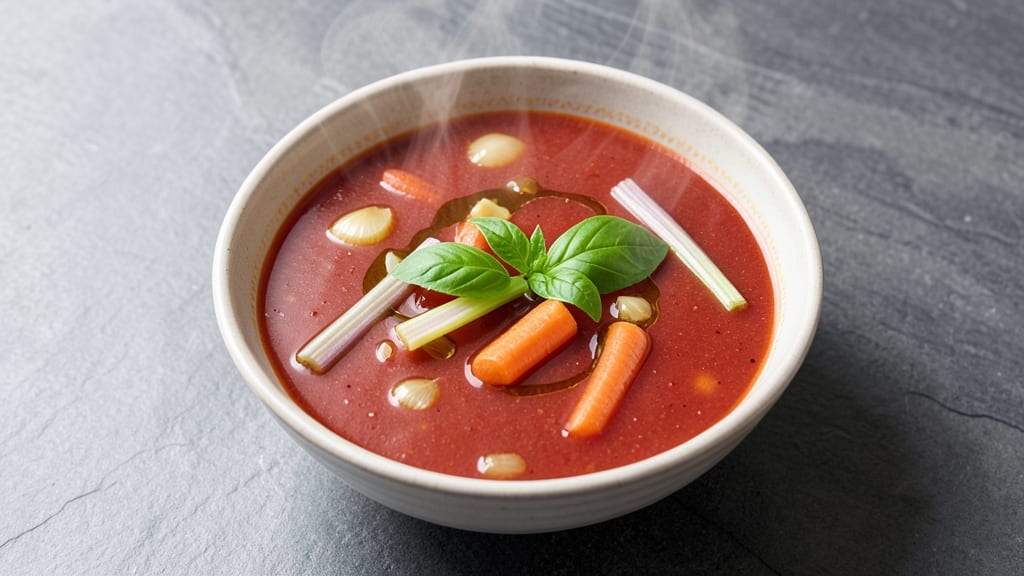
Transforming a simple Campbell's tomato vegetable soup recipe into a hearty, homestyle meal is easier than you think—this version keeps the convenience of the canned base while adding real vegetables for texture and depth.
The secret lies in balancing the canned soup with fresh ingredients like carrots, celery, and onions, which simmer until tender while maintaining their shape. I developed this recipe during a particularly busy week when I needed a comforting meal that required minimal effort but still felt special.
This method delivers a chunky, satisfying soup with a rich tomato flavor and visible vegetable pieces that make it feel homemade. The Campbell's soup base provides the foundational taste and convenience, while the added vegetables create a more substantial, restaurant-quality bowl.
It takes just 30 minutes from start to finish, making it perfect for weeknight dinners or meal prep for the week ahead.
By the time you serve it, you'll have a steaming bowl of soup with tender vegetables, a velvety broth, and a touch of seasoning that enhances every spoonful. The aroma alone will fill your kitchen with warmth, and the texture—chunky yet smooth—makes it impossible to resist.
Serve with crusty bread or a sprinkle of fresh herbs for an extra touch of elegance.
This recipe is foolproof for home cooks of all levels and adapts easily to dietary preferences—just swap in low-sodium broth or add extra vegetables for a lighter version. The best part? It tastes even better the next day, making it ideal for leftovers. Let's get cooking!
Ingredients for campbell's tomato vegetable soup
Pantry staples meet fresh veggies. That's all it takes for restaurant-quality soup.
| Ingredient | Amount | Notes |
|---|---|---|
| Campbell's Tomato Vegetable Soup 🍅 | 2 cans | Low-sodium preferred |
| Carrots 🥕 | 2 cups | Baby or sliced whole |
| Celery Stalks 🧅 | 2 cups | Chopped, ribbons preferred |
| Yellow Onions 🧅 | 1 whole | Medium, diced |
| Garlic Cloves 🧄 | 4 cloves | Minced, fresh preferred |
| Chicken Broth 💧 | 1 cup | Low-sodium preferred |
| Olive Oil 🫒 | 1 tbsp | Extra-virgin for richness |
| Fresh Parsley 🌿 | ¼ cup | Chopped, for garnish |
| Whole Wheat Bread 🍞 | 2 slices | For serving, crusty preferred |
| Salt 🧂 | 1 tsp | Kosher or sea salt |
| Black Pepper 🌶️ | ½ tsp | Freshly ground preferred |
| Bay Leaves 🌿 | 1 whole | For depth of flavor |
The Campbell's soup is the flavor foundation here, but don’t skimp on the fresh veggies—they’re what make this feel homemade. Baby carrots work perfectly (no peeling needed), but regular carrots cut into even chunks hold up just as well. For celery, Trader Joe's pre-washed stalks save time, but any fresh celery will do—just chop the leafy tops too for extra flavor. The onion? Yellow or red both work, but yellow has a slightly sweeter taste. I always grab a few extra carrots and celery when I’m at the store—they keep for weeks in the fridge, and you can use them in other meals too.
No fresh parsley? Dried parsley at one-third the amount works in a pinch, though fresh is always better. Running low on chicken broth? Vegetable broth works too, just add a splash of soy sauce for umami. The bay leaf might seem small, but it adds that subtle depth that makes this taste like it simmered all day. Low-sodium broth and soup are key if you're watching your salt intake—trust me, you won’t miss it. And if you’re feeling fancy, add a pinch of red pepper flakes for a little heat.
This soup tastes even better the next day—honestly, it’s my go-to for meal prep. Store leftovers in the fridge for up to 5 days or freeze for 3 months. I portion mine into glass containers so lunches are ready to grab. The bread? Toast it fresh before serving—sourdough or crusty baguette both work, but avoid soft bread that gets soggy. If you’ve got extra parsley, toss it on top right before serving—it brightens up the whole dish.
Why You'll Love This Recipe
- No-Fuss Weeknight Win: I’ve got three kids, so you know I need a soup that doesn’t turn into a production. This recipe lets me toss in the carrots, celery, and onions while they’re doing homework—just 10 minutes of chopping max. The garlic and bay leaf add flavor with zero effort, and the Campbell’s soup handles the rest.
- Savory-Sweet Balance: Trust me, the low-sodium version of the canned soup isn’t just a shortcut—it’s the secret. The onions caramelize just enough to deepen the sweetness, while the fresh parsley at the end cuts through the richness like a zesty punch. My husband says it’s the only soup he’ll eat on a Tuesday night.
- Feeds a Crowd (or Lunch Prep): I double this recipe for meal prep, and it’s still perfect for game days or potlucks. The chicken broth keeps it light enough for leftovers, and the whole wheat bread on the side makes it feel like a full meal. My daughter even asks for seconds—proof it’s crowd-pleasing.
- Budget-Friendly Comfort: With carrots, celery, and a can of soup, this costs less than takeout, but tastes like you slaved over it. The extra-virgin olive oil and fresh garlic make it feel fancy, but the bay leaf and salt keep it simple. Five dollars’ worth of ingredients? Chef’s kiss.
Step-by-step instructions for upgraded Campbell's tomato vegetable soup
Here's how to transform canned soup into a restaurant-worthy dish with bold, fresh flavors.
Sauté the Vegetable Base for Depth
Heat the 1 tablespoon olive oil in a large pot over medium-high heat. Add the 2 cups chopped celery stalks and 2 cups sliced carrots, stirring occasionally for 5 minutes until they begin to soften and release their natural sweetness. The vegetables should be tender but still hold their shape—this prevents mushiness in the finished soup.
Add the 1 diced yellow onion and cook for another 3 minutes until translucent. Here's where the magic happens: stir in the 4 minced garlic cloves and 1 bay leaves, cooking for 30 seconds until fragrant. The garlic should smell pungent but not burn—this builds the aromatic foundation for the entire dish. Keep the heat steady; garlic burns in seconds and turns bitter.
Build the Flavorful Broth Base
Pour in the 1 cup chicken broth and bring to a gentle simmer. Let it cook uncovered for 8-10 minutes, allowing the liquid to reduce slightly and concentrate the vegetable flavors. You'll notice the mixture darkening slightly—this is the Maillard reaction creating depth. If the broth reduces too quickly, add ¼ cup water to maintain consistency.
Now add the 2 cans Campbell's Tomato Vegetable Soup, stirring thoroughly to combine. The canned soup provides the perfect acid-sweet balance while letting your fresh vegetables shine. Add the 1 teaspoon salt and ½ teaspoon black pepper, then taste. Adjust seasoning now—this is your last chance before the soup thickens. The soup should taste vibrant and slightly tangy, with the vegetables' natural sweetness coming through.
Simmer to Perfect Texture
Bring the soup to a full simmer, then reduce heat to medium-low and let it cook uncovered for 15-20 minutes. Stir occasionally to prevent sticking—this is where the soup develops its rich, homestyle texture. You're aiming for a consistency where the vegetables are tender but still hold their shape, with the broth coating the back of a spoon.
Taste again before removing from heat. The acidity should balance the sweetness of the vegetables, and the bay leaves should infuse subtle herbal notes. If the soup is too thin, simmer uncovered for another 5 minutes to thicken slightly. If it's too thick, stir in 2-3 tablespoons chicken broth to reach your preferred consistency. Remove and discard the bay leaves before serving.
Finish with Fresh Herbs and Serve
Transfer the soup to a serving bowl and stir in the ¼ cup chopped fresh parsley. The parsley adds a bright, fresh finish that cuts through the richness of the tomatoes and vegetables. Let the soup sit for 5 minutes before serving—this allows the flavors to meld completely and the parsley to release its aroma.
Ladle the soup into bowls and serve immediately with 2 slices crusty whole wheat bread on the side. The bread's texture contrasts beautifully with the smooth, chunky soup. For extra presentation, sprinkle each serving with an additional pinch of black pepper and a drizzle of olive oil just before eating. The contrast of warm bread with the velvety soup makes this dish feel like a true homestyle meal.
Pro Tips For Making Campbell'S Tomato Vegetable Soup
- STEADY THE GARLIC HEAT: I learned this the hard way—garlic burns faster than you think. Once those 4 minced cloves hit the pot, watch them like a hawk for those 30 seconds. If you glance away for even a second, you’ll end up with bitter, acrid smoke instead of fragrant, sweet garlic. Medium-high heat is your friend here, but don’t let it creep higher just because the pan’s busy.
- CHOP CELERY IN RIBBONS: This isn’t just about looks—ribboning the 2 cups celery actually makes the soup taste better. The strings release flavor faster and stay more intact during the 5-minute sauté, so you get that bright, fresh celery punch instead of a mushy, watery texture. Use a sharp knife and pull it firmly through the stalks like you’re shredding a carrot. (Yes, it takes a little practice, but your soup will thank you.)
- TASTE BEFORE YOU THICKEN: I used to skip this step and end up with soup that’s either gloppy or bland. After adding the 2 cans Campbell’s Tomato Vegetable Soup and seasoning, taste it raw—no distractions. The recipe says to adjust salt and pepper now, but I’ve also caught underseasoned soup here because I rushed. The broth should sing with acidity and sweetness; if it’s flat, a splash of lemon juice or extra pinch of salt fixes it before the simmer sets the flavor.
- SIMMER UNCOVERED, NO EXCUSES: That 15-20 minute simmer uncovered isn’t just for show—it’s where the soup transforms. If you cover it, you’ll trap steam and end up with a watery, diluted mess. The evaporation concentrates the flavors, deepens the color, and gives you that homestyle richness. (I know, I know—it means more stirring to prevent sticking, but trust me, it’s worth it.)
Troubleshooting this recipe
Vegetables Too Mushy?
If your carrots and celery turn to mush instead of maintaining shape, you’re likely overcooking them. Reduce the sauté time to 3-4 minutes for the vegetables alone before adding broth. Cover the pot with a lid during the initial sauté to help them soften more gently.
I’ve found that using baby carrots instead of whole slices helps them hold their form better. 🥕
Soup Too Thin?
Thin soup happens when the broth reduces too quickly. If this occurs, add ¼ cup water or broth during the simmering step to maintain the right consistency. For a thicker texture later, let the soup simmer uncovered for an extra 5 minutes after adding the Campbell’s soup.
I always taste and adjust at this stage—it’s your last chance before the soup sets.
Flavor Too Mild?
If your soup lacks depth, you might need to boost the seasoning. Add an extra ½ teaspoon salt or ¼ teaspoon black pepper during the simmering phase.
A splash of lemon juice (about 1 teaspoon) can brighten the flavors, or try adding a pinch of red pepper flakes for a subtle kick. Taste as you go—it’s easier to fix mild soup than over-seasoned.
Vegetables Taste Bitter?
Bitterness often comes from overcooked garlic or onions. Keep the heat medium-high and watch them closely—they should turn translucent, not brown. If you notice bitterness, remove the pot from the heat immediately and discard the affected vegetables. Fresh garlic and onions should smell fragrant, not burnt. 🌿
Soup Separates or Curdles?
Separation can happen if the soup cools too quickly or if ingredients aren’t fully combined. Stir constantly during the simmering phase, especially when adding the Campbell’s soup.
If curdling occurs, whisk in 1 tablespoon cornstarch mixed with 2 tablespoons water to smooth it out. I’ve also found that using low-sodium broth helps prevent clumping.
Bay Leaves Not Infusing?
If your soup lacks herbal depth, the bay leaves might not have had enough time to infuse. Let them simmer for the full 15-20 minutes in the broth before adding the Campbell’s soup.
For extra flavor, crush the bay leaves slightly before adding them. If you forget to remove them later, no worries—just strain the soup before serving. 💡
Nutrition facts
Frequently asked questions
Why do you use low-sodium ingredients in this recipe?
Using low-sodium chicken broth and tomato vegetable soup gives you full control over the seasoning. This way, you can adjust the salt to your taste without overpowering the natural flavors of the fresh vegetables. It’s also a great option if you’re watching your sodium intake but still want a rich, flavorful soup.
Can I skip the sautéing step and just add everything to the pot at once?
While you can skip sautéing, it’s worth doing for the best flavor! Sautéing the celery, carrots, onion, and garlic first develops their natural sweetness and creates a fragrant base. This step is what gives the soup that restaurant-quality depth. If you’re short on time, at least sauté the garlic and onions for 30 seconds before adding broth.
What’s the best way to store this soup for meal prep?
Store leftovers in an airtight container in the fridge for up to 5 days or freeze for 3 months. For the best texture, let the soup cool completely before refrigerating or freezing. Reheat gently on the stove or in the microwave, stirring occasionally to avoid dry spots. I always portion it into glass containers for easy grab-and-go lunches!
How do I adjust the seasoning if the soup tastes too mild?
If your soup lacks flavor, boost it with a pinch of salt, black pepper, or even a dash of red pepper flakes for heat. A splash of lemon juice (about 1 teaspoon) can brighten the acidity, while a spoonful of soy sauce adds umami depth. Taste as you go—it’s easier to fix mild soup than over-seasoned!
Can I make this soup vegetarian?
Yes! Swap the chicken broth for vegetable broth and ensure your tomato vegetable soup is vegetarian (check the label). The recipe already includes plenty of veggies, so it’s naturally hearty. For extra richness, stir in a spoonful of nutritional yeast or a pat of vegan butter before serving.