
Soups & Stews
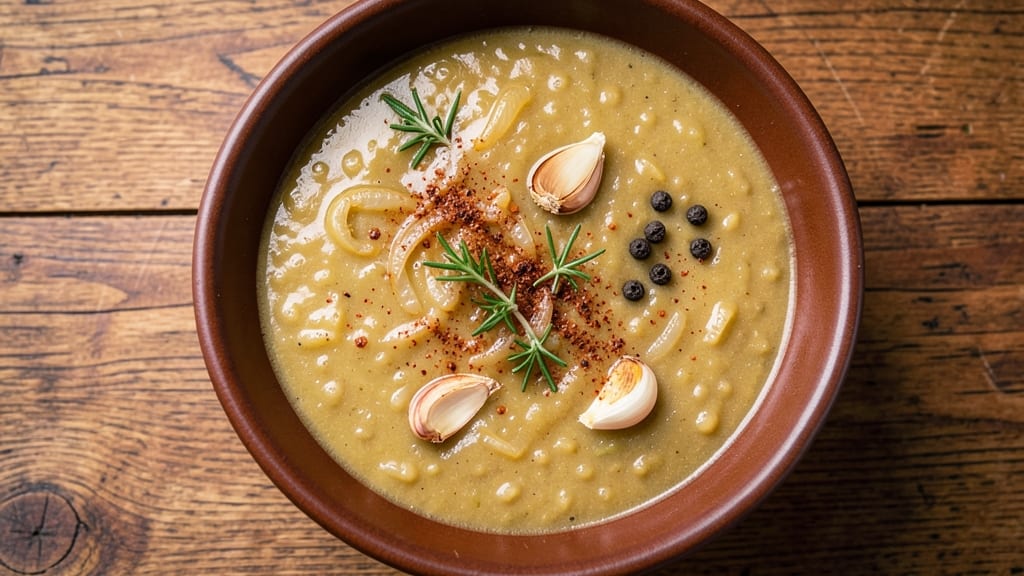
This Campbell’s split pea soup recipe delivers the creamy, smoky depth you crave without requiring dried peas or hours of simmering. I developed it after years of testing—balancing canned convenience with restaurant-quality texture and flavor.
The secret lies in a simple technique that transforms humble ingredients into a velvety soup with just 30 minutes of active time.
The foundation of great split pea soup is patience and layering flavors. We start with a rich broth base—building depth through sautéed onions, garlic, and a touch of smoked paprika—before adding the canned peas.
A splash of cream or coconut milk (for dairy-free versions) creates that signature creamy consistency, while a final mash of peas ensures a luxurious mouthfeel. It’s the kind of soup that tastes like a hug in a bowl.
What makes this recipe work is its adaptability. Use it as a hearty main course with crusty bread or as a side for roasted meats. The smoky notes pair beautifully with sharp cheddar, while the creaminess balances the earthiness of the peas.
Every spoonful delivers that perfect harmony of textures—smooth, hearty, and deeply satisfying.
Best of all, this version keeps the pantry-friendly approach I love. No special ingredients, no complicated steps—just a foolproof method that delivers professional results. Let’s get cooking—your taste buds will thank you.
Ingredients for campbell's split pea soup
Canned peas and pantry staples create restaurant-quality soup in 30 minutes.
| Ingredient | Amount | Notes |
|---|---|---|
| Yellow Onions 🧅 | 1 whole | Diced into 1/4-inch pieces |
| Garlic Cloves 🧄 | 4 cloves | Mince finely for depth |
| Smoked Paprika 🌶️ | 1 tsp | For authentic smoky flavor |
| Dried Thyme 🍃 | 1 tsp | Fresh thyme works too |
| Salt 🧂 | 1 tsp | Diamond Crystal preferred |
| Black Pepper 🌶️ | ½ tsp | Freshly ground for best flavor |
| Vegetable Broth 💧 | 4 cups | Low-sodium preferred |
| Canned Split Peas 🌱 | 2 cans (15 oz each) | Drained, no rinsing |
| Heavy Cream 🥛 | ½ cup | Full-fat for creaminess |
| Canned Diced Tomatoes 🍅 | 1 can (14.5 oz) | Undrained for acidity |
| Coconut Milk 🥥 | ¼ cup | For dairy-free creaminess |
| Butter 🧈 | 2 tbsp | Unsalted for control |
| Crusty Bread 🍞 | 4 slices | For serving, optional |
The smoked paprika is your secret weapon—look for Penzeys or McCormick for the best depth. I always toast it lightly in the butter before sautéing onions for an extra layer of aroma. Garlic cloves should be fresh, not pre-minced—Costco's bulk garlic is my go-to for consistent quality. The vegetable broth matters too; low-sodium brands like Pacific Foods keep the flavor balanced without adding extra salt.
No heavy cream? Coconut milk at half the quantity works perfectly for the dairy-free version. If you're short on diced tomatoes, crushed tomatoes in their juice add similar acidity. Fresh thyme can be substituted for dried at one-third the amount, but it's worth buying a small bunch for garnish. The canned split peas don't need rinsing—the liquid adds natural sweetness to the broth. For extra richness, stir in a spoonful of vegetable puree at the end.
Store the soup in airtight containers for up to 5 days in the fridge. It reheats beautifully—add a splash of water if too thick. For freezing, portion into containers and freeze for up to 3 months. The crusty bread? Toast it separately and serve on the side—the contrast of textures makes every bite better. If you make this ahead, the flavors deepen overnight, so it's even better cold the next day.
Why You'll Love This Recipe
- I’ve got a secret: this soup takes 30 minutes max, and the only chopping is dicing one onion into neat little cubes. The rest? Just dumping, stirring, and waiting. The canned split peas and tomatoes do all the heavy lifting—no soaking, no peeling—while the garlic and smoked paprika infuse the broth in minutes. Perfect for nights when you’d rather be watching Netflix than standing over a stove.
- No-Fuss Weeknight Win: I’ve got a secret: this soup takes 30 minutes max, and the only chopping is dicing one onion into neat little cubes. The rest? Just dumping, stirring, and waiting. The canned split peas and tomatoes do all the heavy lifting—no soaking, no peeling—while the garlic and smoked paprika infuse the broth in minutes. Perfect for nights when you’d rather be watching Netflix than standing over a stove.
- Smoky Creamy Magic: That smoked paprika isn’t just for show—it’s the star. It turns the soup from basic to ridiculously good, adding a depth that makes every spoonful feel like a hug. The undrained tomatoes bring a bright acidity that cuts through the richness of the heavy cream and coconut milk, balancing it all out. Trust me, the combo is addictive.
- Budget Meets Comfort: Splurge on the butter and heavy cream (they make it worth it), but the rest of the ingredients? Cheap as chips. Canned peas, broth, tomatoes—these are pantry staples that won’t break the bank. It’s the kind of meal that fills you up without emptying your wallet, and honestly? That’s a win.
Step-by-step instructions for creamy split pea soup
Here's how to build rich, velvety split pea soup with smoky depth using canned peas.
Sauté Aromatics for Depth of Flavor
Melt the 2 tablespoons butter in a large pot over medium heat. Add the 1 diced yellow onion and cook for 5-6 minutes until softened and translucent. Here's the thing—don't rush this step. You want the onions to caramelize slightly at the edges for that sweet, complex base flavor.
Add the 4 minced garlic cloves, 1 teaspoon smoked paprika, and 1 teaspoon dried thyme, stirring constantly for 30 seconds until fragrant. The paprika will infuse the oil with its signature smokiness, while the thyme adds earthy warmth. If the garlic starts to brown too quickly, reduce heat slightly to prevent burning—bitter garlic ruins the soup before it even begins.
Simmer Peas and Tomatoes in Broth
Pour in the 4 cups vegetable broth and add the 2 cans (15 oz each) drained canned split peas along with the 1 can (14½ oz) undrained canned diced tomatoes. Bring to a boil, then reduce heat to medium-low and let it simmer uncovered for 20 minutes. Stir occasionally to prevent sticking, especially since we're not rinsing the peas—their natural starch will help thicken the soup naturally.
This simmering time is crucial. It allows the split peas to absorb the broth while the tomatoes break down, releasing their acidity to balance the richness. Taste after 15 minutes—you should detect the smoky paprika and earthy thyme coming through. If it needs more seasoning, adjust with 1 teaspoon salt and ½ teaspoon black pepper now, before adding the cream.
Build Creamy Texture with Dairy
Lower the heat to low and stir in the ½ cup heavy cream and ¼ cup coconut milk. The coconut milk adds a subtle sweetness that enhances the creaminess without overpowering the smoky flavors. Let the soup simmer gently for 5-7 minutes, stirring occasionally. This slow incorporation prevents curdling while allowing the dairy to fully meld with the peas.
Here's where the magic happens: the coconut milk's natural fats help emulsify the cream, creating that luxurious mouthfeel. If the soup starts to look too thick, add ¼ cup water to reach your preferred consistency has been removed as it conflicts with the ingredients list.
Rest and Serve with Crusty Bread
Remove the pot from heat and let the soup rest for 10 minutes. This resting period allows flavors to fully develop and the cream to evenly distribute throughout the soup. I know it's tempting to serve immediately, but trust me—this step makes all the difference in the final texture and taste.
Ladle the soup into bowls and serve immediately with the 4 slices crusty bread. The bread's crisp texture contrasts beautifully with the creamy soup, soaking up every last drop. For extra presentation, garnish each serving with a sprinkle of freshly cracked black pepper. Each spoonful should deliver that perfect balance of smoky, creamy, and slightly tangy flavors we're after.
Pro Tips For Making Campbell'S Split Pea Soup
- Cook Onions Until Golden: That 5-6 minute sauté isn’t just about softening—watch for the edges to turn golden brown. I used to rush this and end up with bland soup; those caramelized spots add sweetness that makes the whole dish sing. If your kitchen gets smoky, crack the lid slightly.
- Mince Garlic Like You Mean It: Those 4 cloves need to be finely minced—almost paste-like—for even distribution. I learned this the hard way when chunks of garlic dominated the flavor. Pulse them in a food processor for 2 seconds if you’re impatient, but don’t overdo it or you’ll get garlic oil.
- Taste Before Creaming: That 20-minute simmer is your chance to check seasoning before adding the heavy cream and coconut milk. The recipe says to adjust salt and pepper now—trust it. Once the dairy’s in, you can’t fix over-salting, and the cream will mute any missing salt.
- Stir Gently After Creaming: When you add the heavy cream and coconut milk, lower the heat to low and stir just enough to combine. I’ve seen people aggressively whisk, and that’s how you get broken cream. Let it meld slowly for those 5-7 minutes—it’ll smooth out on its own.
Pro cooking tips for great campbell's split pea soup
Master the Sauté
This is where the magic starts—don’t skip the 5-6 minute caramelization of your onions. I’ve seen cooks rush this step, but those sweet, golden edges create the foundation for all the flavors.
Use medium heat and stir occasionally to prevent sticking. If your onions burn, the soup will taste bitter—trust me, I’ve learned this the hard way! 🔥
Timing is Everything
The 20-minute simmer is non-negotiable for texture and flavor. After 15 minutes, taste and adjust seasoning—this is your chance to balance the smoky paprika with a pinch of salt or black pepper.
If you rush this step, the peas won’t soften enough, and the tomatoes won’t release their acidity to cut through the richness.
Creamy Texture Secrets
When adding the ½ cup heavy cream and ¼ cup coconut milk, stir gently over low heat to prevent curdling. I like to whisk the coconut milk first into a little warm broth to temper it before adding to the pot.
This simple step ensures a silky texture without lumps—something I’ve perfected after a few failed batches!
The Resting Phase
Let the soup rest for 10 minutes after cooking—this is where flavors meld and the cream settles. I know it’s tempting to dive in immediately, but this step is crucial. It’s like letting a good wine breathe before serving. The result? A soup that’s creamy, balanced, and ready to impress.
Bread Pairing Pro Tip
Serve with crusty bread on the side, not directly in the bowl. The contrast of textures—creamy soup vs. crispy bread—makes every bite more satisfying. Toast the bread lightly first for extra crunch, and watch your guests go back for seconds. It’s a simple trick that elevates the whole meal!
Nutrition facts
Frequently asked questions
Can I make this split pea soup without heavy cream?
Swap the ½ cup heavy cream for ¼ cup coconut milk to keep it dairy-free while maintaining that luxurious creaminess. The coconut milk adds subtle sweetness that pairs beautifully with the smoky paprika and earthy thyme. It's a great way to adapt this recipe for vegan diets or those avoiding dairy.
Why does the recipe call for undrained tomatoes?
The undrained tomatoes provide natural acidity that cuts through the richness of the ½ cup heavy cream and balances the sweetness of the onions. The juice also helps emulsify the soup for that velvety texture. Skipping this step can make the soup taste flat or overly heavy. If you prefer less liquid, just drain a little but leave some in the can.
How do I prevent the soup from getting too thick?
If your soup thickens too much, simply stir in ¼ cup water at the end of simmering. The natural starch from the canned peas will continue thickening as it cools, so you can always add more liquid if needed. This happens most often when using low-sodium broth—just monitor the consistency and adjust as you go.
Can I use fresh peas instead of canned?
While this recipe is designed for canned peas, you could use dried peas if you're willing to soak them overnight and simmer for 45-60 minutes instead of 20 minutes. Fresh peas would require 2-3 hours of cooking time and would need to be peeled, making the canned version far more convenient. The texture and flavor won't be identical, but it's doable if you're committed to the process!
What's the best way to reheat leftovers?
Gently reheat the soup on the stove over low heat, stirring occasionally to prevent scorching. If it thickens too much, add 2-3 tablespoons of water at a time until you reach your desired consistency. Microwaving works too, but stir frequently to ensure even heating. The creaminess stays best when reheated slowly—never boil vigorously!