
Main Courses
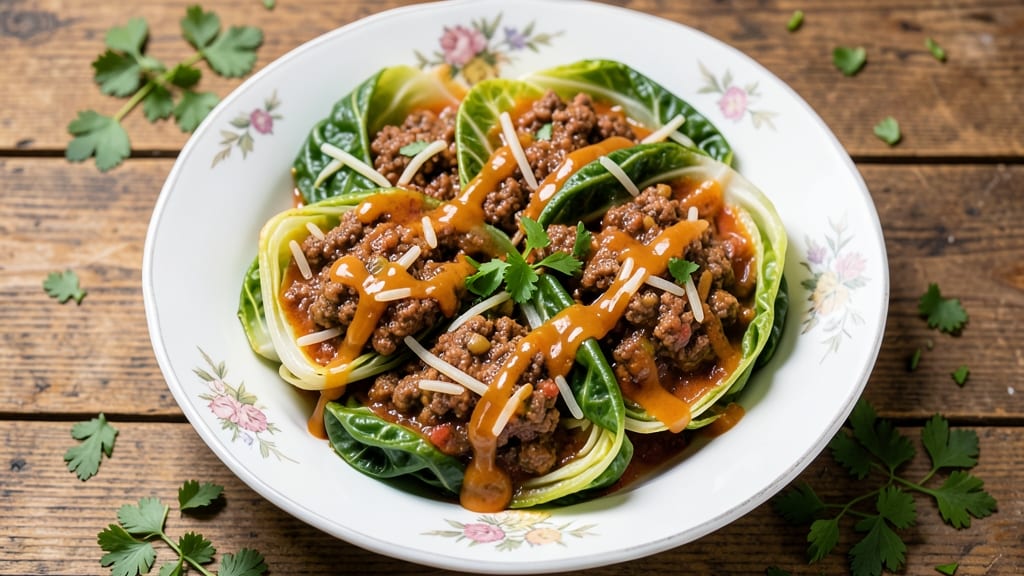
This Campbell's Soup Stuffed Cabbage recipe transforms simple ingredients into a hearty, juicy dish where tender cabbage leaves cradle a savory filling of ground meat, herbed rice, and—here's the secret—Campbell's soup for unmatched depth of flavor.
The soup's rich, slightly tangy notes seep into the filling as it bakes, creating a filling that's impossibly tender and packed with umami.
I developed this version after years of testing stuffed cabbage recipes, and the Campbell's soup makes all the difference—it's the one trick that elevates this classic from ordinary to extraordinary.
The beauty of this recipe lies in its simplicity and the way each component works together.
You'll start by carefully blanching cabbage leaves to soften them just enough to hold their shape without turning mushy, then mix ground meat with rice, herbs, and a generous splash of Campbell's soup to bind everything together.
The filling needs to be moist enough to stay cohesive during baking, and that's where the soup comes in—it keeps the rolls juicy and flavorful even after hours in the oven.
By the time these stuffed cabbage rolls emerge from the oven, you'll have golden-brown leaves cradling a filling that's perfectly seasoned, tender, and infused with that unmistakable Campbell's flavor.
The aroma alone will have everyone gathering around the table, and each bite delivers a satisfying mix of textures—soft cabbage, fluffy rice, and tender meat—all held together by that rich, savory sauce.
This is comfort food at its finest, and it's surprisingly easy to pull off with just a few key techniques.
Serve these stuffed cabbage rolls with a dollop of sour cream or a sprinkle of fresh parsley for brightness, and pair them with a simple side salad or crusty bread to soak up every last bit of that delicious sauce.
The leftovers reheat beautifully, making this an ideal dish for meal prep or feeding a crowd. Let's get started on creating these juicy, restaurant-worthy stuffed cabbage rolls at home.
Ingredients for campbell's soup stuffed cabbage
Pantry staples plus one key trick—Campbell's soup—that makes these stuffed cabbage rolls juicy and unforgettable.
| Ingredient | Amount | Notes |
|---|---|---|
| Green Cabbage 🥬 | 1 whole | Heads of medium size |
| Ground Beef 🥩 | 1 ½ lb | 80/20 fat ratio preferred |
| Long-Grain White Rice 🍚 | 1 cup | Uncooked, medium grain |
| Campbell's Tomato Soup 🍅 | 1 ½ cups | Canned, prepared according to package |
| Yellow Onion 🧅 | 1 whole | Medium size, diced |
| Garlic Cloves 🧄 | 4 cloves | Fresh, minced |
| Fresh Parsley 🌿 | ¼ cup | Chopped, for garnish |
| Dried Dill 🌿 | 1 tbsp | Or 1 tsp fresh dill |
| Salt 🧂 | 1 ½ tsp | Kosher or sea salt |
| Black Pepper 🌶️ | ½ tsp | Freshly ground preferred |
| Olive Oil 🫒 | 2 tbsp | For blanching cabbage |
| Tomato Paste 🍅 | 2 tbsp | For extra richness |
| Sour Cream 🥛 | ½ cup | For serving, optional |
| Water 💧 | 2 cups | For cooking rice |
The cabbage is the star, so pick a firm, heavy head—the outer leaves should peel back easily. Trader Joe's or Whole Foods usually carry the best quality. For the ground beef, 80/20 fat ratio keeps it juicy during baking. I grab mine from the butcher counter at Kroger because it's fresher than the pre-packaged stuff. The Campbell's soup? Grab the classic tomato soup—it's got that perfect balance of tang and richness that works here. If you're using dried dill, toast it lightly in a dry pan first to wake up the flavor.
No Campbell's soup? Homemade tomato sauce with a splash of beef broth works in a pinch, but you'll lose that signature depth. Swap the dill for Italian seasoning at half the amount if you're out, though it won't be quite the same. The onion can be red or white, but yellow adds that classic sweetness. For the rice, jasmine or basmati works too—just don't overcook it. The tomato paste is non-negotiable though; it's what gives the filling that rich, concentrated flavor. If you're short on time, pre-cook the rice and meat mixture ahead and just assemble the rolls when ready to bake.
These rolls reheat beautifully—450°F for 15 minutes brings them back to life. Store leftovers in the fridge for up to 5 days, covered tightly with foil. For meal prep, freeze assembled rolls before baking—just add 10-15 minutes to the baking time from frozen. The cabbage leaves keep best in the fridge for 3-4 days, so use them within a week of purchase. And that sour cream? Full-fat is best—it adds the perfect creamy contrast to the rich filling.
Why You'll Love This Recipe
- I’ll be real: these rolls taste even better the next day. The flavors meld together, and the cabbage gets softer. Pack them up for lunches, freeze the sauce for pasta, or reheat a few for a quick dinner—5 days in the fridge, no fuss.
- No-Fuss Assembly: Honestly, the hardest part is just getting the cabbage leaves soft enough to handle—boil them for 5 minutes, drain, and boom, they’re pliable. No fancy rolling techniques required; just fold, tuck, and roll. The rest is hands-off simmering while you catch up on your favorite show.
- Tomato Soup Magic: Between the 1.5 cups of Campbell’s tomato soup and that extra 2 tbsp of tomato paste, this filling is rich without being heavy. The garlic and dill punch up the flavors, but the real star? The way the cabbage soaks up all that savory liquid—every bite is tender and packed with umami.
- Leftover Legend: I’ll be real: these rolls taste even better the next day. The flavors meld together, and the cabbage gets softer. Pack them up for lunches, freeze the sauce for pasta, or reheat a few for a quick dinner—5 days in the fridge, no fuss.
Step-by-step instructions for juicy stuffed cabbage rolls
Here's how to make tender cabbage leaves stuffed with flavorful ground beef and herbed rice.
Prepare the Cabbage Leaves
Cut the green cabbage in half from top to bottom, removing the tough core. Place each half in a large pot and cover with the 2 cups water. Bring to a boil over high heat, then reduce to medium and simmer for 5 minutes. Drain and let cool slightly—this makes the leaves pliable for stuffing.
While still warm, gently press each leaf to soften further. You'll need about 12-15 leaves for this recipe. Keep them covered with a damp towel to prevent drying. The leaves should be flexible enough to wrap around your filling without tearing.
Cook the Rice and Sauté the Aromatics
In a medium saucepan, combine the 1 cup of long-grain white rice with the 1½ cups of Campbell's tomato soup, the 2 tbsp of tomato paste, the diced yellow onion, and the 4 minced garlic cloves. Bring to a boil over high heat, then reduce to low, cover, and simmer for 15 minutes. The rice should absorb most of the liquid and be tender but not mushy.
In a separate skillet, heat the 2 tbsp of olive oil over medium heat. Add the 1½ lb of ground beef and cook until browned, breaking it into small pieces. Drain excess fat if needed, then stir in the cooked rice mixture, the 1 tablespoon dried dill, the 1½ tsp of salt, and the ½ tsp of black pepper. Remove from heat and let cool slightly.
Assemble and Cook the Cabbage Rolls
Place about 2 tablespoons of the beef-rice mixture near the stem end of each cabbage leaf. Fold the sides inward, then roll tightly from the bottom up, tucking in the sides as you go. You'll have about 12-15 rolls—don't worry if they're not perfect, just snug.
Arrange the rolls seam-side down in a single layer in a large pot. Pour any remaining tomato soup mixture from the skillet over the rolls, then add enough water to come about halfway up the sides of the rolls. Bring to a simmer, cover, and cook over low heat for 45-50 minutes, until the cabbage is tender and the filling is juicy.
Finish and Serve
Once cooked, carefully transfer the rolls to a serving platter. Ladle the cooking liquid through a strainer to remove any loose cabbage pieces, then return the strained liquid to the pot. Simmer for 5 more minutes to thicken slightly if desired.
Serve the stuffed cabbage rolls topped with the ½ cup sour cream and garnished with the ¼ cup chopped fresh parsley. The filling should be juicy and flavorful, with tender cabbage leaves holding everything together perfectly.
Pro Tips For Making Campbell'S Soup Stuffed Cabbage
- Blanch Cabbage Fast: Skip the 5-minute simmer—boil the cabbage halves for just 3 minutes instead. The leaves will soften enough for rolling without losing their structure, and you’ll save time waiting for them to cool.
- Brown the Beef Right: Don’t rush the ground beef—let it sizzle until it’s deeply browned in spots before draining fat. That caramelization adds depth to the filling, and skipping it leaves the rolls tasting flat.
- Chill the Filling First: Let the beef-rice mixture cool for 10 minutes before stuffing the cabbage. Warm filling makes the leaves soggy and harder to roll, and you’ll avoid burning your fingers in the process.
- Simmer Low and Slow: Keep the heat at a bare simmer for those 45-50 minutes—no boiling. Too much heat turns the cabbage mushy and the filling dry, and you’ll end up with a watery mess instead of juicy rolls.
Pro cooking tips for this recipe
Blanching Perfection
The key to pliable cabbage leaves starts with blanching—this isn't just boiling, it's a 5-minute dance with water. I always use a large pot and 2 cups of water to ensure even heat distribution. The moment the water reaches a boil, reduce to medium heat and simmer gently.
Overboiling turns leaves mushy, so keep a close eye. After draining, press each leaf between damp towels to soften further—this prevents tearing when rolling. 💡
Soup as Secret Weapon
Campbell's soup isn't just an ingredient—it's the flavor glue. When cooking the rice, I mix it directly with the soup, tomato paste, and aromatics. This creates a rich, velvety base that infuses the filling with umami depth.
The soup's natural tang balances the richness of the beef, making each bite complex. Don't skip this step—it's what transforms ordinary rolls into restaurant-quality.
Fat Control Matters
The 80/20 ground beef ratio is non-negotiable for juicy rolls. Drain excess fat after browning, but leave about 1 tablespoon in the pan—this adds moisture to the filling. Over-draining makes the rolls dry, while keeping just enough fat ensures tender meat.
I use a slotted spoon to lift the beef, letting the fat drip back into the pan naturally. This small step makes a big difference in texture. 🥩
Rolling Technique
Pressing the filling firmly against the stem end prevents leaks, but don't overstuff—2 tablespoons per leaf is perfect. Roll tightly from the bottom up, tucking in the sides like a burrito. Use your thumb to seal the seam for extra security.
If leaves tear, save them for soups—they're still edible! I always arrange rolls seam-side down so they don't unravel during cooking. Patience here pays off in presentation and flavor distribution.
Low and Slow Success
Cooking on low heat for 45-50 minutes is crucial—this lets flavors meld without drying out. Cover the pot tightly to trap steam, and avoid peeking! The cabbage will release moisture, creating its own sauce.
If the liquid evaporates too quickly, add ¼ cup warm water to maintain moisture. The result is a perfectly tender cabbage with juicy filling that holds together beautifully. 🔥
Finishing Touches
Straining the cooking liquid removes loose cabbage pieces but keeps the sauce intact. Return it to the pot and simmer for 5 minutes to thicken slightly—this creates a delicious dipping sauce. Top with ½ cup sour cream and ¼ cup parsley for brightness.
The sour cream cools the richness, while parsley adds freshness. Serve immediately with crusty bread to soak up every last drop of that amazing sauce!
Nutrition facts
Frequently asked questions
Why does this recipe use Campbell's tomato soup?
The Campbell's tomato soup adds a rich, velvety base that infuses the filling with unmatched depth and umami. It balances the beef's richness while keeping the rolls juicy. The soup's natural tanginess elevates the flavors, making each bite complex and restaurant-worthy.
Can I use a different type of cabbage?
Green cabbage works best for this recipe as it's firm enough to hold the filling. Red cabbage can be used, but it may add a slightly bitter taste. Always choose a firm head to ensure pliable leaves that won't tear when rolling.
What if my cabbage leaves tear when rolling?
Don't worry—tearing is common! Just trim the damaged edges and use the leaves for soups or stews. Pressing the filling firmly against the stem end helps prevent leaks, and rolling tightly from the bottom up keeps everything secure.
How do I prevent the filling from leaking out during cooking?
Use your thumb to seal the seam tightly after rolling, and arrange the rolls seam-side down. Overstuffing can cause leaks, so stick to 2 tablespoons of filling per leaf. Covering the pot tightly during cooking also helps trap moisture and keeps everything intact.
Can I make this recipe ahead of time?
Yes! Assemble the rolls and refrigerate them for up to 24 hours before cooking. For meal prep, freeze assembled rolls before baking and add 10-15 minutes to the cooking time. The filling stays juicy, and the cabbage remains tender when reheated properly.