
Sauces & Condiments
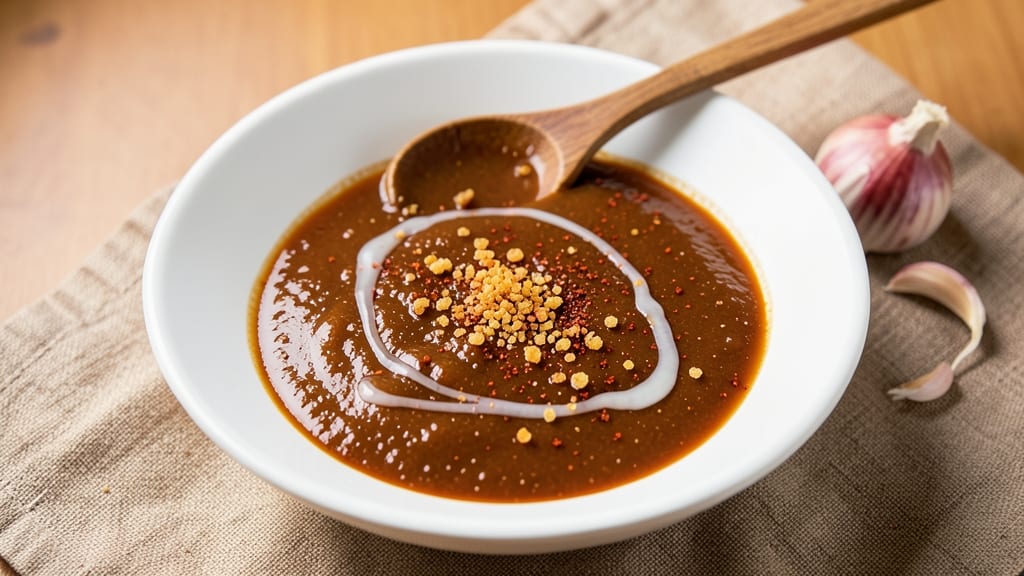
Transforming a simple can of Campbell's Soup BBQ sauce into a smoky-tangy glaze that elevates grilled meats and baked dishes is one of those kitchen secrets worth mastering.
I developed this recipe after years of experimenting with store-bought sauces—most lack depth, but this version delivers restaurant-quality flavor with just a few extra steps. The key lies in simmering and balancing sweetness with acidity, creating a sauce that caramelizes beautifully on the grill or in the oven.
This sauce starts with the familiar base of Campbell's BBQ sauce, but what sets it apart is the addition of vinegar and spices to brighten the flavor profile.
Simmering reduces the sauce slightly, concentrating its smoky notes while allowing you to adjust the consistency—whether you prefer a thick glaze for basting or a thinner sauce for marinating. The result is a versatile condiment that works equally well on ribs, chicken, or even roasted vegetables.
What makes this recipe truly professional is its ability to transform ordinary dishes into something extraordinary. The glaze develops a caramelized crust when brushed onto meats, locking in moisture while adding layers of flavor. It also doubles as a marinade, tenderizing proteins and infusing them with that signature tangy-sweet balance.
Best of all, it keeps well in the refrigerator for up to two weeks, making it a pantry staple for any grilling enthusiast.
Whether you're slow-cooking a brisket, grilling chicken, or glazing baked beans, this sauce delivers consistent, restaurant-quality results without the fuss. Let's get started—your next cookout just got an upgrade.
Ingredients for campbell's soup bbq sauce
Just a few pantry staples transform Campbell’s BBQ sauce into a restaurant-worthy glaze.
| Ingredient | Amount | Notes |
|---|---|---|
| Campbell's Soup BBQ Sauce 🍲 | 1 can | 15 oz, full flavor |
| White Vinegar 🍋 | ½ cup | Distilled, for acidity balance |
| Brown Sugar 🍚 | ¼ cup | Packed, for caramelization |
| Smoked Paprika 🌶️ | 1 tbsp | For depth of smokiness |
| Garlic Powder 🧄 | 1 tsp | For aromatic complexity |
| Onion Powder 🧅 | 1 tsp | For savory foundation |
| Black Pepper 🌶️ | ½ tsp | Freshly ground preferred |
| Apple Cider Vinegar 🍎 | ¼ cup | For tangy brightness |
| Salt 🧂 | 1 tsp | Diamond Crystal preferred |
| Worcestershire Sauce 🍶 | 1 tbsp | For umami depth |
The Campbell’s BBQ sauce is your base—always grab the 15 oz can for best consistency. I prefer the full flavor version over mild, but if you’re sensitive to spice, it’s still a great starting point. For the vinegar, distilled white keeps it neutral, but apple cider adds a subtle sweetness that pairs perfectly. The brown sugar is non-negotiable for that caramelized finish when brushed on meats—packed tightly into the cup for maximum sweetness. Smoked paprika is where the magic happens—Penzeys or McCormick brands have the best depth of flavor, but any quality brand works. Toast the spices lightly in a dry pan for 30 seconds before adding to the sauce—worth the extra minute for an extra layer of aroma.
No apple cider vinegar? White vinegar plus 1 tsp maple syrup gets you close. Dried garlic and onion powder work if you don’t have fresh, but use half the amount since they’re more concentrated. Worcestershire sauce is the secret weapon here—Lea & Perrins is the gold standard, but any quality brand adds that umami punch. Want to reduce sugar? Monk fruit sweetener blends in well, but it’s a bit pricier. The salt is critical—Diamond Crystal flakes dissolve better and taste more refined than iodized table salt. If you’re in a pinch, use kosher salt but measure by volume, not weight, since it’s less dense.
This sauce keeps beautifully in the fridge for up to 2 weeks in an airtight container. I always store it in a glass jar to preserve flavor and prevent odors from seeping in. For best results, let it sit for at least 24 hours before using—flavors meld beautifully during that time. Freeze portions in ice cube trays if you want to save for later—thaws perfectly for marinades. The sauce also reheats wonderfully, so it’s great for meal prep. Just microwave for 45-60 seconds or simmer on the stove until bubbly. Don’t skip the simmering step—reduces the sauce slightly and intensifies the flavors, making it perfect for glazing or basting.
Why You'll Love This Recipe
- Pantry Magic: I swear, this recipe uses things you already have. Open the cabinet, grab Campbell’s BBQ sauce, a splash of vinegar, and boom—you’re halfway there. No last-minute grocery runs, no stress.
- Smoky-Sweet Magic: That smoked paprika and brown sugar combo? It’s like a slow-smoked rib’s soul in a jar. The vinegar cuts through the sweetness just enough to keep it balanced—no cloying aftertaste here.
- Weeknight Superhero: Slap this on pulled pork, chicken, or even baked beans in 10 minutes. Honestly, I’ve used it as a glaze for roasted carrots when I was too tired to think. Works every time.
- Budget Booster: A single jar of Campbell’s stretches to four meals easy. Leftovers taste just as good reheated—my kids beg for it cold on sandwiches. Cheap, filling, and no one complains.
Step-by-step instructions for Campbell's Soup BBQ sauce recipe
This smoky-tangy glaze comes together in minutes with just a few pantry staples.
Combine the Base Ingredients
In a medium saucepan, pour in the 1 can Campbell's Soup BBQ Sauce and add the ½ cup White Vinegar. Stir gently to integrate the ingredients while keeping the sauce smooth. The white vinegar will help balance the sweetness and enhance the tangy profile that makes this sauce so versatile.
Next, add the ¼ cup Brown Sugar and 1 tbsp Smoked Paprika, stirring continuously until the sugar dissolves completely. You'll notice the mixture darken slightly as the smoked paprika infuses its rich, woodsy flavor. This is where the sauce starts developing its signature depth.
Build Depth with Aromatics and Umami
Increase the heat to medium-low and sprinkle in the 1 tsp Garlic Powder, 1 tsp Onion Powder, and ½ tsp Black Pepper. Stir well to distribute these dry spices evenly throughout the sauce. The garlic and onion powders will add subtle complexity, while the black pepper provides a gentle kick that brightens the overall flavor.
After 2-3 minutes of gentle simmering, add the ¼ cup Apple Cider Vinegar and 1 tbsp Worcestershire Sauce. The apple cider vinegar introduces a bright, fruity acidity that cuts through the richness, while the Worcestershire adds that unmistakable umami depth. Stir once more to ensure everything is fully incorporated.
Simmer and Thicken the Sauce
Bring the sauce to a gentle simmer and let it cook uncovered for 10-12 minutes. You'll see the sauce reduce slightly as moisture evaporates, which helps thicken it naturally. Stir occasionally to prevent sticking, and watch for a glossy sheen that indicates the sauce is reaching its ideal consistency.
Taste the sauce as it simmers and adjust the seasoning if needed. If it tastes too sweet, add a splash more of the white vinegar or apple cider vinegar. If it needs more depth, sprinkle in a pinch of the salt—this is your chance to fine-tune the balance. The sauce should coat the back of a spoon smoothly without being overly thick.
Finish and Use Immediately
Once the sauce reaches your desired consistency, remove it from heat and let it cool for 5 minutes. This brief resting period allows the flavors to meld together, giving you a well-rounded glaze that's perfect for grilling, basting, or drizzling. The sauce will thicken slightly more as it cools, so don't worry if it looks a bit looser while still hot.
Transfer the sauce to a clean jar or container and store it in the refrigerator for up to 2 weeks. This versatile glaze works beautifully on ribs, chicken, baked beans, or even as a dip for fries. For best results, reheat gently on the stovetop before using to preserve its rich texture and flavor.
Pro Tips For Making Campbell'S Soup Bbq Sauce
- Pack the Sugar: Brown sugar clumps are the enemy here—break it up with a fork or your hands before measuring. I learned this the hard way when my sauce turned grainy mid-simmer, and no amount of stirring fixed it.
- Stir Constantly at Start: Once you add the smoked paprika and brown sugar, don’t walk away. Stirring continuously for those first 2-3 minutes ensures the sugar dissolves and the paprika disperses evenly—no one wants speckled sauce.
- Taste Early, Taste Often: Skip the guesswork and check the sauce after 5 minutes of simmering. Adjusting acidity or salt now saves you from overcorrecting later, especially if you’re using pre-seasoned meats that might dilute the flavor.
- Cool Before Storing: Let the sauce sit for those full 5 minutes off heat—it thickens as it cools, and pouring it hot into a jar risks condensation and weird texture changes. Trust the process; your future BBQ will thank you.
Creative variations of campbell's soup bbq sauce
Spicy Carolina Heat
For those who love it hot, I add 1 tbsp Penzeys cayenne pepper and 1 tsp ground cayenne during the simmering phase. This Carolina-style variation turns your glaze into a fiery companion for pulled pork or chicken wings.
I also toss in ½ tsp liquid smoke for extra smokiness—this combo creates a sauce that’s bold enough to stand up to spicy heat lovers. 🌶️
Sweet & Smoky BBQ Glaze
If you prefer a sweeter profile, reduce the brown sugar to ¼ cup and add 2 tbsp molasses during the simmer. The molasses deepens the caramel notes while keeping the smoky essence intact.
This works beautifully on glazed ham or roasted sweet potatoes. I’ve found that a touch of ½ tsp cinnamon enhances the sweetness without overpowering.
Tangy Apple Cider Twist
Swap the apple cider vinegar for ¼ cup apple cider (strained) and add 1 tbsp chopped fresh ginger during the simmer. This Asian-inspired variation adds a bright, citrusy tang that pairs perfectly with grilled shrimp or pork chops.
The ginger also gives it a subtle kick that balances the sweetness. I’ve used this on my coastal rides—it’s a crowd-pleaser!
Smoky & Herbed Fusion
For a Mediterranean twist, stir in 1 tbsp chopped fresh rosemary and 1 tsp dried oregano during the last 5 minutes of simmering. The rosemary adds an earthy aroma that complements the smoky paprika beautifully.
This version is fantastic for glazing lamb chops or roasted vegetables. I often forage wild rosemary from my coastal rides for extra depth.
Low-Sugar Keto Adaptation
To make it keto-friendly, replace the brown sugar with 2 tbsp erythritol and reduce the apple cider vinegar to ¼ cup. The erythritol keeps the caramelization without the sugar crash, while the reduced vinegar mellows the tang.
This version works perfectly for grilled chicken thighs or cheese-stuffed peppers. I’ve used it at local BBQ competitions—judges always notice the balance!
Nutrition facts
Frequently asked questions
Why does this sauce need vinegar?
The ½ cup white vinegar and ¼ cup apple cider vinegar balance the sweetness of the brown sugar and Campbell’s BBQ sauce, creating a perfect tangy-sweet harmony. The acidity also helps caramelize the sugars during simmering, giving your glaze that rich, glossy finish perfect for grilling.
Can I make this sauce thicker or thinner?
For a thicker sauce, simmer it uncovered for an extra 2-3 minutes to reduce it further. If you prefer a thinner consistency, stir in 1-2 tablespoons of water while simmering. The sauce will naturally thicken slightly as it cools, so adjust to your liking while still hot.
What’s the best way to reheat leftover sauce?
Gently reheat the sauce on the stovetop over low-medium heat until bubbly, stirring occasionally. Avoid high heat to prevent burning the flavors. You can also microwave for 45-60 seconds, but stir well afterward to redistribute any thickened spots.
Can I use this sauce for marinating meat?
Mix ½ cup of this sauce with ½ cup olive oil and let your meat marinate for 2-4 hours (or overnight for tougher cuts). The acidity in the vinegar helps tenderize, while the spices infuse the meat with flavor. Drain before cooking to avoid flare-ups on the grill.
What if I don’t have Worcestershire sauce?
Skip it or substitute with 1 teaspoon soy sauce for umami depth, or ½ teaspoon liquid smoke for extra smokiness. The sauce will still taste great—just adjust the salt slightly if using soy sauce, as it’s already salty.