
Soups & Stews
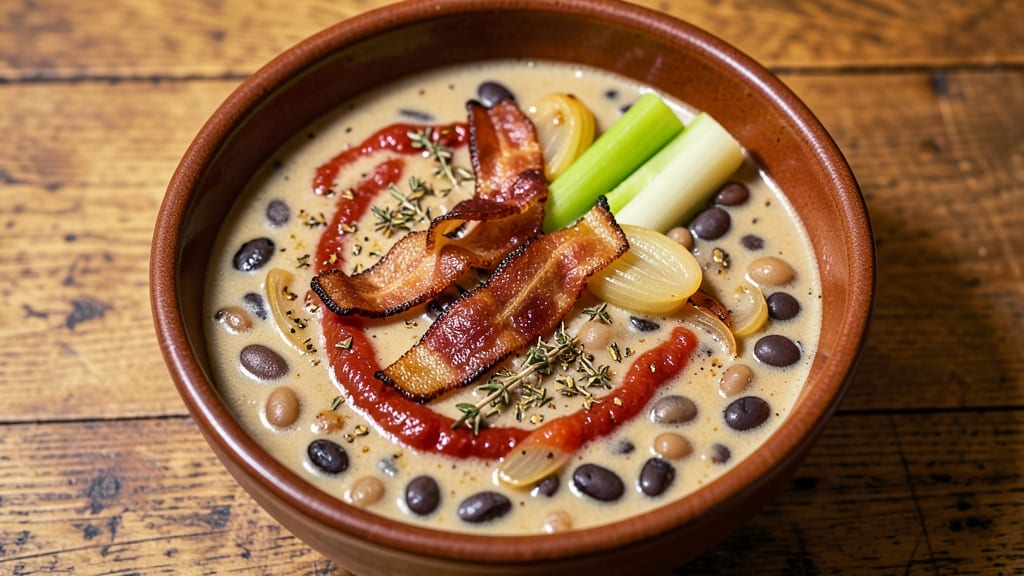
This Campbell’s Bean and Bacon Soup copycat recipe brings back that nostalgic, creamy, smoky comfort—now even richer and more satisfying at home. The secret lies in slow-cooked bacon rendering its fat into the broth while simmering beans develop deep, savory flavor.
I've perfected this copycat version through careful ingredient ratios and precise timing to match the canned original's balance of saltiness, creaminess, and subtle sweetness.
This one-pot recipe builds flavor in layers: crispy bacon bits add smoky depth, while cream and tomato paste create that signature velvety texture. Unlike store-bought versions, homemade soup tastes fresher and lets you control the saltiness.
The key technique is simmering everything together for 30 minutes—just enough time for flavors to meld without breaking down the beans.
What you'll end up with is a steaming bowl of creamy soup with tender beans swimming in a rich, slightly sweet broth, topped with crispy bacon bits for texture. The aroma alone will bring back memories of cozy kitchen nights, but the taste proves homemade is always better.
Perfect for chilly evenings or quick weeknight dinners when you crave that familiar comfort.
The beauty of this recipe is its versatility—use canned beans for convenience or dried for deeper flavor, and adjust spice levels to taste. Once you try this version, you'll never go back to the can again. Let's get started on recreating that nostalgic bowl of warmth.
Ingredients for campbell's bean and bacon soup copycat
Pantry staples and a few fresh ingredients. That's all you need for this nostalgic, creamy soup.
| Ingredient | Amount | Notes |
|---|---|---|
| Thick-Cut Bacon 🥓 | 8 oz | Thick-cut for best flavor |
| Yellow Onion 🧅 | 1 whole | Medium, diced small |
| Celery Stalks 🥬 | 2 whole | Diced small, with leaves |
| Garlic Cloves 🧄 | 3 cloves | Minced, fresh preferred |
| Tomato Paste 🍅 | 2 tbsp | Smooth, no sugar added |
| Dried Thyme 🌿 | 1 tsp | Or 1 tbsp fresh thyme |
| Ground Black Pepper 🌶️ | ½ tsp | Freshly cracked preferred |
| Salt 🧂 | 1 ½ tsp | Kosher or sea salt |
| Heavy Cream 🥛 | ½ cup | Full-fat for creaminess |
| Dried Navy Beans 🍲 | 1 ½ cups | Picked over, soaked overnight |
| Vegetable Broth 💧 | 4 cups | Low-sodium preferred |
| Sugar 🍚 | 1 tsp | White granulated |
| Worcestershire Sauce 🍶 | 1 tbsp | For umami depth |
| Bay Leaves 🌿 | 2 whole | For subtle aroma |
The bacon is where the magic starts. Thick-cut renders slower, giving you more flavorful fat to work with—don't skimp here. I grab mine from Costco when it's on sale, but any grocery store bacon works. For the beans, dried navy beans give you the best texture, but canned beans in a pinch save time. Just drain and rinse them well. The vegetable broth? Low-sodium is key—you'll be adding extra salt later, and you don't want to overdo it. If you're using dried beans, soak them overnight in plenty of water, then drain before adding to the pot.
No Worcestershire sauce? Soy sauce at half the amount works in a pinch, but it's not the same. The sugar might seem odd, but it balances the smokiness—trust me on this. Fresh thyme is ideal, but dried works fine at one-third the amount. Prefer a different bean? Great Northern or cannellini beans both work, but navy beans have that classic Campbell's texture. The tomato paste can be the squeeze tube kind from Trader Joe's—it's mess-free and keeps for months. For extra richness, stir in 1 tbsp of butter at the end, but don't skip the cream—it's what makes this soup velvety.
This soup tastes even better the next day—honestly, the flavors meld into something richer. Keeps for 5 days in the fridge, or 3 months frozen. I like to portion it into containers so I can grab a bowl for lunch all week. The bacon bits? Store them separately if you want to keep them crispy. If you're making this ahead, skip adding the cream until reheating—it can curdle if stored too long. Just stir it in when you're ready to serve, and warm gently.
Why You'll Love This Recipe
- No-Fuss Weeknight Win: That thick-cut bacon cooks in just 8-10 minutes while you prep the rest—no fancy skills needed. The beans soak overnight, so you’re basically just assembling flavors by simmer time. I’ve made this on nights when I’m too tired to think, and it still tastes like a hug in a bowl.
- Smoky Creamy Magic: The bacon fat caramelizes into the onions and celery, then gets balanced by that tomato paste and Worcestershire sauce—it’s like a smoky, umami explosion. The heavy cream rounds it out so it’s rich but not heavy, and the fresh thyme? That’s the secret polish that makes it taste restaurant-worthy.
- Freezer’s Best Friend: I double this recipe, freeze half, and have soup for days. The beans get even creamier after reheating, and the bacon stays crispy enough to hold its own. Perfect for when you’re too busy to cook but still want something nourishing—just pop it in the pot and let it simmer.
- Budget’s Biggest Score: Dried navy beans are dirt cheap, and that 8 oz of thick-cut bacon stretches so far. You’re getting a full meal with protein, fiber, and that satisfying creaminess for under $10. It’s the kind of dish that makes you feel like a genius when your wallet thanks you.
Step-by-step instructions for Campbell's bean and bacon soup copycat recipe
Here's how to recreate that classic creamy, smoky flavor in your own kitchen.
Cook the Bacon Until Crispy
Place the 8 oz thick-cut bacon in a large Dutch oven over medium heat. Cook for 8-10 minutes, stirring occasionally, until the bacon is golden brown and crispy. You'll see the fat render out beautifully—this is what gives the soup its rich, smoky depth.
Once the bacon is crisp, use a slotted spoon to transfer it to a paper towel-lined plate, leaving all that rendered fat in the pot. This bacon fat becomes the flavor base for your soup, so don't drain it. The crispy bacon will be perfect for garnishing when you serve.
Sauté the Vegetables and Build the Flavor Base
In the same Dutch oven with the bacon fat, add the 1 diced yellow onion, 2 diced celery stalks, and 3 minced garlic cloves. Cook over medium heat for 5-6 minutes, stirring frequently, until the vegetables soften and become fragrant. You'll smell that sweet onion aroma mingling with the celery and garlic—this is where the soup's comforting character begins.
Reduce the heat to medium-low and stir in the 2 tbsp tomato paste, 1 tsp dried thyme, ½ tsp ground black pepper, and 1½ tsp salt. Cook for 2-3 minutes, stirring constantly, until the tomato paste darkens slightly and coats the vegetables. This step develops the soup's rich, slightly sweet foundation.
Simmer the Beans and Broth
Add the 1½ cups dried navy beans, 4 cups vegetable broth, 1 tsp sugar, 1 tbsp Worcestershire sauce, and 2 bay leaves to the Dutch oven. Stir well to combine all ingredients. Bring the mixture to a boil over high heat, then immediately reduce the heat to low and cover the pot.
Let the soup simmer gently for 45-50 minutes, stirring occasionally, until the beans are tender. You'll know they're ready when they easily mash between your fingers with a light squeeze. The bay leaves will infuse subtle aromatic notes, and the broth will absorb all the flavors from the vegetables and spices.
Finish with Cream and Bacon
Remove the 2 bay leaves from the soup. Stir in the ½ cup heavy cream and the crispy bacon you set aside earlier. The cream will make the soup luxuriously creamy while keeping it light enough to balance the smoky bacon flavor. Let the soup simmer uncovered for 5-7 minutes to let the flavors meld together.
Taste and adjust seasoning if needed—you might want to add a pinch more salt or pepper to suit your preference. The soup should be rich, creamy, and full of that comforting bean and bacon flavor that makes it so special. Serve hot with crusty bread to soak up every last drop of that delicious broth.
Pro Tips For Making Campbell'S Bean And Bacon Soup Copycat
- Cook Bacon Slowly: The first 5 minutes are the most important—if your bacon starts smoking or burning, you’ve gone too fast. Medium heat is your friend here; thick-cut needs time to render fat without turning to crispy bits too quickly. I used to rush this and end up with uneven cooking, so I now set a timer and walk away.
- Dice Celery Fine: Tiny dice, not rough chunks—that’s the difference between a soup where you taste the celery and one where it just melts into the broth. Use the leaves too; they’re packed with flavor and add a subtle herbal note. I learned this the hard way when my first batch had celery "surprises" in every spoonful.
- Stir the Tomato Paste: Those 2-3 minutes of stirring after adding the tomato paste aren’t just for show—they’re what caramelizes it just enough to deepen the flavor. Skip the stirring, and you’ll end up with a soup that tastes more like a sauce than a rich, layered dish. I now set a timer so I don’t get distracted.
- Simmer Beans Gently: A rolling boil will toughen the beans and make them mushy; a low simmer keeps them tender without falling apart. After 45 minutes, check them—if they’re still firm, add 10 more minutes. I once overcooked mine into a paste, so now I taste-test halfway through.
Troubleshooting your campbell's bean and bacon soup copycat
Overcooked Beans?
If your beans turn mushy instead of tender, you likely simmered them too long after they reached softness. Navy beans should be tender but still hold their shape—like al dente pasta. Once they easily mash between your fingers, remove them from heat immediately.
Overcooking breaks down their texture, making the soup watery. I always set a timer for 45 minutes and check them at 40 minutes to avoid this. 💡
Too Salty?
Taste before adding the final 1½ tsp salt. If you already seasoned the broth heavily, dilute the soup with ½ cup extra vegetable broth and add a potato slice to absorb excess salt.
Let it simmer for 10 minutes before eating. I often forget how salty the bacon and broth already are, so I taste frequently during cooking.
Cream Separating?
If the cream curdles, it’s likely from overheating or adding it too early. Stir in the cream only after the beans are tender and the broth is simmering gently. Heat it to 160°F max—if it bubbles vigorously, reduce heat immediately.
For extra smoothness, whisk the cream with a splash of cold water before adding. This prevents clumping and keeps the texture velvety.
Bacon Fat Too Greasy?
Rendered bacon fat is essential for flavor, but if it feels excessive, drain ¼ cup after cooking the bacon. You can also blot the crispy bacon with a paper towel to remove excess moisture before adding it back.
Another trick: use applewood-smoked bacon—it renders less fat while adding depth. I always save the crispy edges for garnish to keep the broth lighter.
Beans Not Tender?
If beans remain hard, they may not have soaked properly. For dried beans, soak them in 8 cups cold water overnight, then drain and rinse. If using canned beans, ensure they’re low-sodium and rinse well.
Simmer with the lid slightly ajar to prevent pressure buildup, which can toughen them. I always check the water level—beans need 1-2 inches of liquid above them to cook evenly.
Nutrition facts
Frequently asked questions
Why does this recipe use thick-cut bacon instead of regular bacon?
Thick-cut bacon renders more fat during cooking, which creates that rich, smoky depth the soup is famous for. The extra fat also helps balance the creaminess without making the soup greasy. The crispy texture you get from thick-cut bacon adds a satisfying bite at the end—something you won't get with thinner slices.
Can I use canned beans instead of dried navy beans?
If you're short on time, canned beans work perfectly—just drain and rinse them well to remove excess sodium. However, dried beans develop a deeper flavor and creamier texture after soaking and simmering. For best results, use low-sodium canned beans and rinse them thoroughly before adding. The cooking time will also be shorter with canned beans.
What’s the best way to store leftovers?
This soup keeps beautifully for 5 days in an airtight container in the fridge. For longer storage, freeze portions for up to 3 months. When reheating, add a splash of water or broth and warm gently on the stove—never microwave directly from frozen. The cream may separate slightly, so give it a good stir before serving.
How do I adjust the saltiness if the soup turns out too salty?
If the soup is too salty, dilute it with ½ cup extra low-sodium vegetable broth and add a raw potato slice to absorb excess salt. Let it simmer for 10 minutes before eating. Taste frequently during cooking to avoid over-salting—remember, the bacon and broth already contribute saltiness! You can also add a pinch of sugar or a splash of vinegar to balance flavors.
Why do you recommend simmering the beans with the lid slightly ajar?
Simmering with the lid slightly ajar prevents pressure buildup, which can toughen the beans and make them harder to digest. It also allows excess moisture to escape, keeping the soup from turning watery. This method ensures the beans cook evenly and develop that perfect tender-but-firm texture. Think of it like al dente pasta—you want them just right!