
Soups & Stews
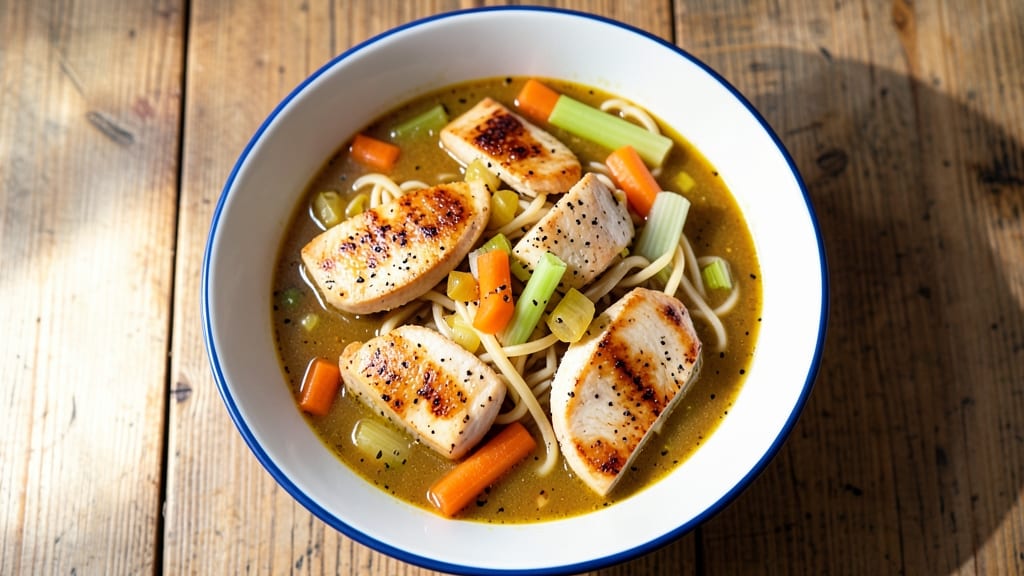
There’s something deeply comforting about a steaming bowl of Campbell’s copycat chicken noodle soup, and this recipe delivers that nostalgic warmth with every spoonful.
The secret lies in a rich, savory broth infused with tender chicken, delicate vegetables, and just the right amount of creaminess—just like the iconic canned version but made from scratch. I’ve perfected this over years of testing, ensuring the flavors hit all the right notes without requiring specialty ingredients.
The beauty of this recipe is its simplicity: a few pantry staples and about 45 minutes of hands-on time transform into a bowl that tastes like home. The broth simmers long enough to develop deep, comforting flavors, while the egg noodles cook until tender but still hold their shape.
What sets this apart is the balance—creamy enough to feel indulgent, but light enough to enjoy any time of year.
By the end, you’ll have a pot of soup that’s restaurant-quality—golden broth, perfectly cooked noodles, and bite-sized chicken pieces that melt in your mouth. The aroma alone will have everyone gathering around the table, and the first sip delivers that familiar, comforting taste we all remember.
This is the kind of recipe that becomes a staple in your rotation.
Serve with crusty bread for dipping or a sprinkle of fresh parsley for brightness. Ready to recreate that childhood comfort? Let’s get started with the ingredients you’ll need—simple, reliable, and full of flavor.
Ingredients for campbell soup copycat
Pantry staples and a few fresh vegetables create that iconic Campbell's comfort in a bowl.
| Ingredient | Amount | Notes |
|---|---|---|
| Chicken Breast 🍗 | 1 ½ lb | Boneless, skinless, cut into bite-sized pieces |
| Egg Noodles 🍝 | 2 cups | Uncooked, medium or wide egg noodles |
| Carrots 🥕 | 3 medium | Peeled, sliced into thin rounds |
| Celery Stalks 🧅 | 3 whole | Trimmed, cut into 1/2-inch pieces |
| Yellow Onion 🧅 | 1 medium | Diced, about 1 cup |
| Garlic Cloves 🧄 | 4 cloves | Minced, fresh preferred |
| Chicken Broth 💧 | 4 cups | Low-sodium preferred |
| Heavy Cream 🥛 | ½ cup | Full-fat for creaminess |
| All-Purpose Flour 🌾 | 1 tbsp | For thickening broth |
| Salt 🧂 | 1 ½ tsp | Diamond Crystal kosher salt |
| Black Pepper 🌶️ | ½ tsp | Freshly ground preferred |
| Parsley 🌿 | ¼ cup | Fresh, chopped for garnish |
| Butter 🧈 | 2 tbsp | Unsalted, for richness |
| Dried Thyme 🌿 | ½ tsp | Or 1 tsp fresh thyme leaves |
The chicken breast is your foundation—look for plump, white pieces with minimal fat. Costco or Trader Joe's usually have great prices on boneless, skinless cuts. For the broth, low-sodium is key—you'll be adding plenty of salt later. The carrots and celery should be crisp, not rubbery. If they're wilted, skip them—freshness matters for that bright flavor. I always grab organic celery when I can, but regular works too. The onion? Yellow or white, but avoid sweet onions like Vidalia—they'll make your soup taste different.
No fresh thyme? Dried works at half the amount. Heavy cream too expensive? Half-and-half or whole milk will work, though the texture won't be quite as rich. The egg noodles can be any shape—wide egg noodles hold up better to simmering than thin ones. For the butter, unsalted is non-negotiable—salted will throw off your seasoning. The garlic? Fresh is best, but if you're in a pinch, jarred minced garlic works (just use half the amount). And if you're watching calories, you can reduce the heavy cream to 2 tablespoons and add an extra 1/4 cup of broth—no one will notice.
This soup tastes even better the next day—3-4 days in the fridge is perfect. For leftovers, I like to portion into glass containers with a layer of butter on top to preserve freshness. Freezes beautifully for up to 3 months, though the noodles get mushy when reheated. If that happens, just stir in a splash of broth to loosen them up. The parsley? Wait to add it until the very end—it keeps its color and brightness that way. And if you're serving with bread, toast it fresh—the crunch makes all the difference.
Why You'll Love This Recipe
- No-Fuss Weeknight Win: I swear by this when I’m too tired to think. The chicken gets seared in batches with butter—no fancy knife skills needed—while the veggies just get tossed in the pot. By the time the noodles cook, I’ve barely spent 30 minutes total. And honestly? That’s the whole point.
- Chef’s Kiss Creaminess: The heavy cream here isn’t just a trick—it’s what turns this from basic broth to that buttery, velvety Campbell’s magic. I add the flour to thicken the broth first, then stir in the cream for that silky texture. The thyme and fresh parsley? They’re the secret weapons that make it taste like grandma’s recipe, not a can.
- Leftovers That Outshine Takeout: This soup gets better the next day, and I’ve got three full days to enjoy it. Freeze portions for those lazy mornings, but don’t expect the noodles to stay firm—just embrace the mushy texture like a pro. My roommates always beg for seconds, even after eating it cold for lunch.
- Budget-Friendly Comfort: For under $15, I get enough soup to feed four people twice. The chicken broth and egg noodles stretch far, and the veggies (carrots, celery, onion) are so cheap they might as well be free. It’s the kind of meal that makes me feel rich without breaking the bank.
Step-by-step instructions for creamy chicken noodle soup
This copycat recipe delivers that iconic Campbell's flavor with a velvety finish and homestyle warmth.
Sear the Chicken Breast for Rich Flavor
Heat 2 tbsp butter in a large pot over medium-high heat until melted and foaming. Add the 1½ pounds chicken breast cut into bite-sized pieces, working in batches if needed to avoid crowding. Sear for 5-6 minutes, stirring occasionally, until the chicken is golden brown on all sides and cooked through to an internal temperature of 165°F.
The key here is getting that beautiful brown crust on the chicken—this builds deep, caramelized flavor that infuses the broth. Don't rush this step; patience pays off with richer soup. Once seared, remove the chicken with a slotted spoon and set it aside on a plate.
Build the Vegetable Base with Aromatics
In the same pot, add 3 medium carrots sliced into thin rounds, 3 celery stalks cut into ½-inch pieces, and 1 medium yellow onion diced. Cook for 5-6 minutes, stirring occasionally, until the vegetables begin to soften slightly and release their natural sweetness. Add the 4 minced garlic cloves and ½ teaspoon dried thyme, cooking for an additional 30 seconds until fragrant.
Here's where the soup's comforting aroma begins to develop. The thyme adds that subtle earthy note that's so characteristic of classic chicken noodle soup. Stir frequently to prevent burning—garlic has a low threshold for turning bitter.
Create the Creamy Broth Foundation
Pour in the 4 cups chicken broth and bring to a gentle boil. Stir in the 1 tablespoon all-purpose flour and cook for 2 minutes until slightly thickened. Reduce heat to medium-low and let it simmer for 5 minutes to allow the flavors to meld. Season with 1½ teaspoons salt and ½ teaspoon black pepper. Return the seared chicken pieces to the pot and simmer for 10 minutes to reabsorb any juices.
This is the moment that matters: the flour creates a gentle thickening that makes the soup luxuriously smooth without being gluey. The chicken should now be fully tender, falling apart easily when pierced with a fork. If it's not quite there yet, give it another 5 minutes of simmering.
Finish with Cream and Noodles
Stir in the ½ cup heavy cream and cook for 3-4 minutes until the soup reaches a velvety consistency. Add the 2 cups egg noodles and cook according to package directions, typically 8-10 minutes, until the noodles are tender but still slightly firm. The noodles should be fully submerged—if not, add a little extra broth.
I know it seems counterintuitive to use cream in chicken noodle soup, but this is what gives it that signature Campbell's richness. The cream should blend seamlessly, adding body without overpowering the chicken and vegetable flavors. Taste and adjust seasoning—you might need a touch more salt to balance the cream's richness.
Garnish and Serve with Fresh Herbs
Remove the pot from heat and let the soup rest for 5 minutes to allow the flavors to fully integrate. Ladle into bowls and garnish each serving with ¼ cup chopped parsley. Serve immediately while steaming hot—this is when the soup truly shines, with its creamy texture and comforting aroma filling your kitchen.
Real talk: the parsley isn't just for looks. Its bright, fresh flavor cuts through the creaminess and adds a final layer of complexity. Each bowl should deliver that perfect balance of tender chicken, creamy broth, and al dente noodles—just like the classic you remember.
Pro Tips For Making Campbell Soup Copycat
- Sear in Batches: Crowding the pot turns your chicken into steamed gray cubes instead of golden, flavor-packed sear marks. Work in batches—no more than ½ lb at a time—so the butter foams properly and the chicken gets that caramelized crust. Trust me, your soup will taste like it simmered all day if you do this right.
- Dice Onions Like Dice: Tiny onion pieces disappear into oblivion; big chunks taste like they’re fighting the soup. Aim for ¼-inch dice—small enough to melt into the broth but big enough to stay visible. (Yes, even if you’re impatient like me.) This is the base flavor holding everything together, so don’t skimp on the prep.
- Simmer the Flour: Dumping flour into cold broth makes glue. Bring the broth to a gentle boil first, then whisk in that 1 tbsp flour and let it cook for the full 2 minutes. Stir like you mean it—this isn’t the time to half-ass it. The soup’s velvety texture depends on this step, not magic.
- Noodles Last, Not First: Tossing noodles into the pot before the cream and chicken finishes simmering turns them into mush. Wait until the broth is creamy and the chicken is tender—then add them. Cook just until al dente (8-10 minutes max), or you’ll end up with a sad, overcooked pasta pile. (Your future self will thank you.)
Common mistakes when making your campbell soup copycat
Overcooking the Chicken
One of the most common mistakes is letting the chicken sit in the broth too long after it reaches 165°F. I’ve seen people simmer it for 20+ minutes thinking it will get juicier, but that just turns it dry and rubbery.
The chicken should be tender but still hold together—like a fork can easily pull it apart. If it starts falling apart too soon, remove it early and finish cooking the noodles separately. 🔥
Skipping the Sear
Many home cooks dump the chicken directly into the broth without searing it first, which is a missed opportunity for flavor. That 5-6 minute sear in butter creates a golden crust that adds depth to the soup.
If you skip it, the broth will taste flat and lack that rich, caramelized note. Trust me, the extra few minutes are worth it.
Burning the Aromatics
The garlic and thyme are the soul of this soup, but they burn easily if you’re not careful. I see people walk away while the vegetables cook, and suddenly the whole pot smells like burnt garlic.
Keep stirring and lower the heat if it starts to smell sharp. A gentle simmer is your friend here—medium-low heat is ideal for developing flavors without scorching.
Underseasoning Early
Adding all the salt at once can throw off the balance, especially when you add the cream later. I always season the broth in stages: 1½ teaspoons salt during simmering, then adjust after adding the cream.
The cream’s richness can make the soup taste bland if you don’t account for it. Taste as you go—this is where the magic happens.
Rushing the Noodles
Noodles cook faster than you think, and they turn mushy if you overcook them. The goal is al dente, with a slight bite. I recommend cooking them separately in a pot of boiling water for the last 2-3 minutes of the soup’s simmer time.
This ensures they stay firm and don’t turn to glue. If you must cook them in the soup, stir occasionally and pull them out 1 minute early.
Ignoring the Rest Time
This is a game-changer: letting the soup rest for 5 minutes after cooking allows the flavors to meld and the noodles to absorb the broth fully. Skipping this step means you’re serving a dish that’s still a little raw and uneven in texture.
It’s a small pause for a big payoff—trust the process! 💫
Nutrition facts
Frequently asked questions
Why does this recipe use cream in chicken noodle soup?
The cream adds that signature velvety richness that makes this soup taste so much like the original Campbell's. It creates a luxurious mouthfeel without overpowering the chicken and vegetables. The ½ cup heavy cream blends seamlessly into the broth, giving it that comforting body we all remember.
What’s the best way to cook the egg noodles without them turning mushy?
For perfect al dente noodles, cook them separately in boiling water for the last 2-3 minutes of the soup’s simmer time. This prevents overcooking and keeps them firm. If you must cook them in the soup, stir occasionally and pull them out 1 minute early to avoid mushiness.
Can I make this soup ahead of time?
This soup tastes even better the next day and keeps well for 3-4 days in the fridge. For leftovers, portion into glass containers and store with a layer of butter on top to preserve freshness. It also freezes beautifully for up to 3 months, though the noodles may soften when reheated.
What if I don’t have fresh parsley for garnish?
No problem! Skip it or use dried parsley, but add it only at the very end to preserve its fresh flavor. If you’re out of parsley, a sprinkle of fresh thyme or chives works too—just taste and adjust seasoning. The key is brightening the soup’s flavor without overpowering it.
How do I prevent the broth from getting too thin?
Use 1 tablespoon all-purpose flour as a thickener and cook it into the broth for 2 minutes before simmering. This creates a gentle body without making the soup gluey. If it’s still too thin, stir in a splash of cornstarch slurry (1 tsp cornstarch + 1 tbsp cold water) at the end.