
Soups & Stews
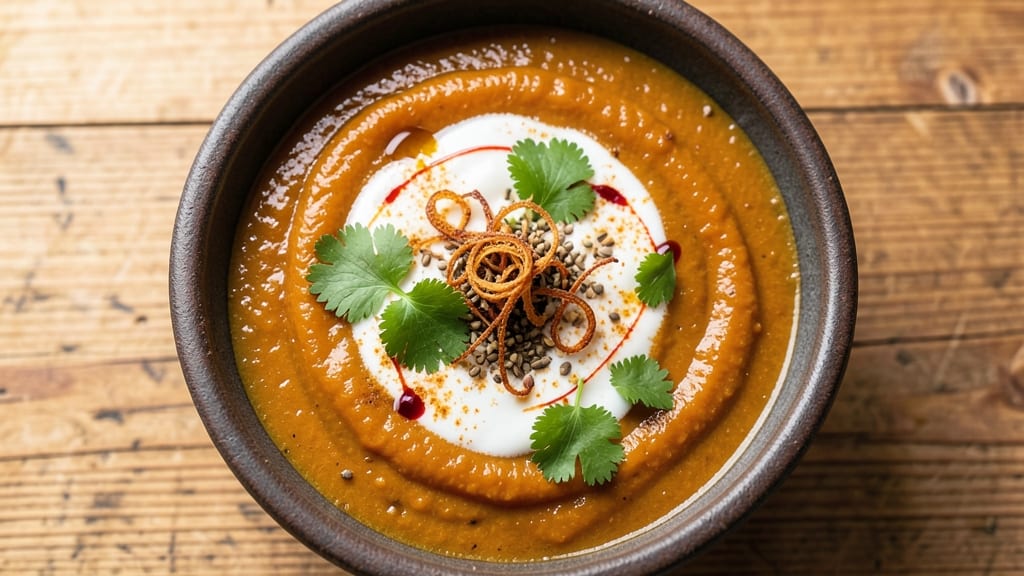
This Boma butternut squash soup brings bold South African flavors to your kitchen with roasted squash and a toasted spice crunch that transforms ordinary soup into something extraordinary.
The secret lies in slow-roasting the squash until caramelized, then blending it with aromatic spices like curry powder and chili for depth that lingers. I developed this recipe after craving the warm, spiced comfort of Boma cuisine—where every spoonful delivers layers of texture and warmth.
The foundation of this soup is roasted butternut squash, which adds natural sweetness and rich flavor without overpowering the spices. Toasted cumin, coriander, and a pinch of cayenne create a fragrant base, while coconut milk adds creamy richness that balances the heat.
The key technique? Roasting the squash first—this caramelizes the edges and intensifies the flavor, making every bite more satisfying than store-bought versions.
What makes this recipe stand out is the toasted spice crunch on top—a mix of cumin seeds, coriander, and chili flakes that adds texture and aroma with every spoonful. The soup is velvety yet hearty, with just the right balance of sweetness from the squash and warmth from the spices.
Serve it with crusty bread or a sprinkle of fresh cilantro for a finishing touch that elevates the dish to restaurant-quality.
Perfect for cozy nights or gathering friends, this soup is foolproof and ready in under an hour. The roasting process can be done ahead of time, making it ideal for meal prep.
Whether you're introducing South African flavors to your table or simply craving a comforting bowl of soup, this recipe delivers depth, warmth, and a touch of adventure in every spoonful.
Ingredients for boma butternut squash soup
Roasted squash, toasted spices, and velvety coconut milk create this restaurant-worthy Boma-inspired soup.
| Ingredient | Amount | Notes |
|---|---|---|
| Butternut Squash 🎃 | 2 lb | Peeled, cubed, 1-inch pieces |
| Coconut Milk 🥥 | 2 cups | Full-fat canned, unsweetened |
| Curry Powder 🌶️ | 1 ½ tbsp | Mild or medium heat preferred |
| Ground Cumin 🌿 | 1 tbsp | Toasted for deeper aroma |
| Ground Coriander 🌿 | 1 tbsp | Freshly ground preferred |
| Cayenne Pepper 🔥 | ½ tsp | Adjust for heat preference |
| Garlic Cloves 🧄 | 4 cloves | Peeled, roughly chopped |
| Yellow Onion 🧅 | 1 whole | Medium, chopped |
| Vegetable Broth 💧 | 4 cups | Low-sodium preferred |
| Cumin Seeds 🌿 | 1 tbsp | Toasted for spice crunch |
| Ground Coriander Seeds 🌿 | 1 tbsp | Toasted for crunch |
| Chili Flakes 🔥 | 1 tsp | For garnish |
| Fresh Cilantro 🌿 | ¼ cup | Chopped, for garnish |
| Olive Oil 🫒 | 2 tbsp | Extra-virgin for roasting |
| Salt 🧂 | 1 tsp | Kosher or sea salt |
| Black Pepper 🌶️ | ½ tsp | Freshly ground |
The butternut squash is the heart of this dish, so choose a firm, heavy squash with smooth skin—the smaller, the sweeter. I always grab mine from Whole Foods or the organic section at Trader Joe's, where they're consistently fresh. For best flavor, roast the squash until caramelized—1-inch cubes take about 35-40 minutes at 400°F. The deeper the roast, the richer the flavor. If you're short on time, a microwave steam-bag works in a pinch, but roasting is worth it for that caramelized edge. For the coconut milk, full-fat canned is non-negotiable—light versions won't give the same creamy richness.
No curry powder? Mix 1 tsp each of turmeric, ginger, and fenugreek for a close approximation. Running out of cumin seeds? Ground cumin works at double the amount, but toasting whole seeds first adds that essential crunch. The vegetable broth can be swapped for homemade chicken or turkey broth if you're not strict about vegetarian options, but the low-sodium kind is key—you don't want to over-salt the soup. For the toasted spice crunch, toast the cumin and coriander seeds in a dry pan for 1-2 minutes until fragrant, then grind them fresh. Pre-ground spices just won't have the same impact. The garlic and onion are simple but crucial—they form the aromatic base that ties everything together.
This soup tastes even better the next day as the flavors meld together, so make a double batch if you can. Store it in airtight containers in the fridge for up to 5 days, or freeze portions for 3 months. The toasted spice crunch keeps its texture for about 2 weeks in a sealed jar if stored in a cool, dark place. For meal prep, roast the squash ahead of time and store it separately—just add it to the pot when you're ready to blend. The garnish of fresh cilantro and chili flakes should always be added fresh before serving, though—nothing beats that bright, herbal finish.
Why You'll Love This Recipe
- One-Pot Magic: I swear by this recipe—just roast the squash, blend it with coconut milk, and toss in those warm spices. No extra pots, no fuss, and honestly? It feels like you’re feeding a crowd without the stress.
- Warm Spice Hug: That curry-cumin-corriander trio? It’s like a cozy blanket for your mouth. The coconut milk smooths it out, but the spices still sing—earthy, slightly sweet, and just spicy enough to linger.
- Meal Prep MVP: Between us, this soup begs to be made in bulk. The flavors deepen overnight, and reheating it is zero effort. I freeze portions too—just thaw and warm, perfect for lazy mornings or unexpected guests.
- Budget Comfort: Butternut squash and coconut milk stretch this into a whole meal for less than takeout. I’ll be real: my grocery bill stays sane, and my family never complains. (Yes, even on a Tuesday night.)
Step-by-step instructions for Boma butternut squash soup
This method delivers deep roasted squash flavor with a toasted spice crunch that elevates every spoonful.
Roast the Butternut Squash and Toast the Spices
Preheat your oven to 400°F. Toss the 2 lb butternut squash with 2 tbsp olive oil, 1 tsp salt, and 0.5 tsp black pepper on a large baking sheet. Spread the pieces in a single layer, ensuring they don't overlap. Roast for 30-35 minutes until the squash is tender when pierced with a fork and the edges are caramelized.
While the squash roasts, toast the 1 tbsp cumin seeds and 1 tbsp ground coriander seeds in a dry skillet over medium heat for 2-3 minutes until fragrant and lightly golden. Immediately transfer to a plate to cool—this preserves their fresh, nutty aroma. The toasted seeds will add a delightful crunch to your finished soup.
Build the Flavor Base with Aromatics
Heat 1 tbsp olive oil in a large pot over medium heat. Add the 1 whole yellow onion and 4 cloves garlic cloves, cooking for 5-6 minutes until the onion is translucent and the garlic is golden. You'll notice the kitchen fills with an inviting, aromatic steam—this is your signal to proceed.
Add 1.5 tbsp curry powder, 1 tbsp ground cumin, and 1 tbsp ground coriander to the pot. Stir continuously for 30 seconds to toast the spices and release their essential oils. This step develops the complex, warm flavors that define Boma-style cooking. If you smell any burning, reduce the heat slightly—you want the spices to sing, not scorch.
Simmer the Soup with Roasted Squash
Add the roasted butternut squash to the pot along with 4 cups vegetable broth and 0.5 tsp cayenne pepper. Bring to a gentle boil, then reduce heat to medium-low and simmer uncovered for 15-20 minutes until the squash is completely tender and the flavors meld together.
Use an immersion blender to purée the soup directly in the pot until completely smooth. For a chunkier texture, leave about 1/3 of the squash unblended. The soup should be velvety but still have body—if it's too thick, whisk in 2-4 tbsp water or broth to reach your preferred consistency. This is where the roasted squash's natural sweetness truly shines.
Finish with Coconut Milk and Garnishes
Remove the pot from heat and stir in the 2 cups coconut milk until fully incorporated. The soup will lighten in color and develop a luxurious creaminess. Taste and adjust seasoning with additional salt or black pepper as needed—remember, the toasted spices already contribute significant flavor.
Ladle the soup into bowls and garnish each serving with a sprinkle of toasted cumin seeds, ground coriander seeds, and 0.25 cup fresh cilantro. Add a final touch of chili flakes for a subtle heat that complements the rich, spiced profile. The contrast between the smooth soup and the crunchy garnishes creates an irresistible textural experience.
Pro Tips For Making Boma Butternut Squash Soup
- ROAST THE SQUASH FIRST: I learned this the hard way—raw butternut squash in coconut milk turns to mush. Roast it at 400°F (200°C) for 25-30 minutes until tender and caramelized, then scoop out the flesh. The flavor deepens, and the soup stays creamy without breaking.
- TOAST THE SPICES: Skip the dry toast, and your curry powder, cumin, and coriander will taste flat. Heat them in a dry pan for 30 seconds until fragrant—just until you smell warmth, not smoke. This wakes up their oils and cuts through the coconut milk’s richness.
- STRAIN THE COCONUT MILK: Store-bought coconut milk leaves a gritty texture that ruins the silkiness of this soup. Strain it through a fine-mesh sieve or cheesecloth before adding it to the pot. Yes, it takes 2 minutes, but the result is worth it—smooth as silk, not chalky.
- ADD THE COCONUT MILK LAST: I used to dump it in early, and the soup would split or turn greasy. Instead, simmer the roasted squash, spices, and broth until thickened, then whisk in the coconut milk off the heat. The heat-sensitive fats stay stable, and the soup stays luscious.
Common mistakes when making perfect results
Over-Roasting Squash
Roasting butternut squash too long turns it mushy and bitter—aim for tender flesh with caramelized edges. I’ve ruined a batch by leaving it in at 400°F for 45+ minutes, which made the soup taste overly sweet and lose its natural balance.
Check doneness by piercing with a fork; it should slide in easily but still hold its shape. If you’re unsure, start checking at 30 minutes—this soup’s soul depends on that perfect roast. 🎃
Skipping Spice Toasting
Toasting spices is non-negotiable for Boma flavors—ground spices lack the depth of freshly toasted seeds. I once made this soup without toasting the cumin and coriander, and the result was bland.
Always toast 1 tbsp cumin seeds and 1 tbsp coriander seeds in a dry pan for 2-3 minutes until fragrant. Skip this step, and you’ll miss the nutty crunch that makes this soup special. The aroma alone transforms the dish!
Under-Simmering Broth
Rushing the simmer phase means underdeveloped flavors. I’ve seen recipes where people skip the 15-20 minute simmer, but that’s where the magic happens—the spices meld with the squash’s natural sweetness. Simmer uncovered to let excess moisture evaporate, concentrating the flavors.
If you’re short on time, at least simmer for 10 minutes, but don’t rush it. Patience here makes all the difference. ⏳
Over-Blending the Soup
Blending until completely smooth can make the soup taste flat. I’ve done this before, and the result was a heavy, one-dimensional broth. Leave about 1/3 of the squash unblended for texture, or blend just until creamy.
The roasted squash’s natural sweetness needs contrast—chunky bits add body and prevent the coconut milk from making it too rich. Trust me, a slightly textured soup is always better. 🥄
Adding Coconut Milk Too Early
Stirring in coconut milk before simmering can curdle the soup, creating a grainy texture. I learned this the hard way! Always add the 2 cups coconut milk off the heat after simmering. The heat from the broth will gently incorporate it, creating a velvety finish without breaking.
If you’re worried about curdling, whisk the coconut milk into a cold bowl first, then slowly fold it in. 🥥
Neglecting the Garnish
The toasted spice crunch isn’t just decoration—it’s essential for texture and aroma. I’ve served this soup without the garnish, and it felt incomplete. Always top each bowl with toasted cumin seeds, ground coriander seeds, and fresh cilantro.
The contrast between the smooth soup and the crunchy garnish is what makes this dish restaurant-worthy. Don’t skip it—it’s the final touch that elevates everything! 🌿
Nutrition facts
Frequently asked questions
Can I make this soup without coconut milk?
The coconut milk adds rich creaminess that balances the spices, but you can substitute 1 cup heavy cream or 1 cup Greek yogurt for a similar texture. For a dairy-free option, use 1 cup cashew cream (blend soaked cashews with water) or an extra ½ cup vegetable broth to maintain consistency. The flavor will be lighter but still delicious!
How do I adjust the spice level for kids or sensitive eaters?
Reduce the cayenne pepper to ¼ tsp or omit it entirely, and use mild curry powder instead of medium. For extra mildness, toast ½ tsp cumin seeds instead of the full 1 tbsp. The soup will still have warm, aromatic flavors without the heat. Always taste as you go!
Can I use frozen butternut squash instead of fresh?
Frozen squash works in a pinch, but fresh is ideal for the best texture and flavor. If using frozen, thaw and drain it thoroughly, then roast as directed. The soup will still be flavorful, but you may need to add 1-2 extra minutes of simmering to fully cook the squash. For maximum depth, fresh squash is worth seeking out!
What’s the best way to reheat leftovers?
Reheat gently on the stovetop over low heat with a splash of water or broth to prevent scorching. Stir frequently to maintain smoothness. Avoid microwaving—it can make the soup watery and dull the flavors. For best results, reheat just until warm, then garnish fresh with toasted spices and cilantro to restore that restaurant-quality finish!
Why does my soup taste bitter?
Bitterness usually comes from over-roasting the squash or burning the spices. Check your roasting time—30-35 minutes at 400°F should yield tender, caramelized squash. If the spices burned, reduce heat next time and toast them for only 2-3 minutes. A pinch of salt or a splash of lemon juice can also help balance the flavor.