
Soups & Stews
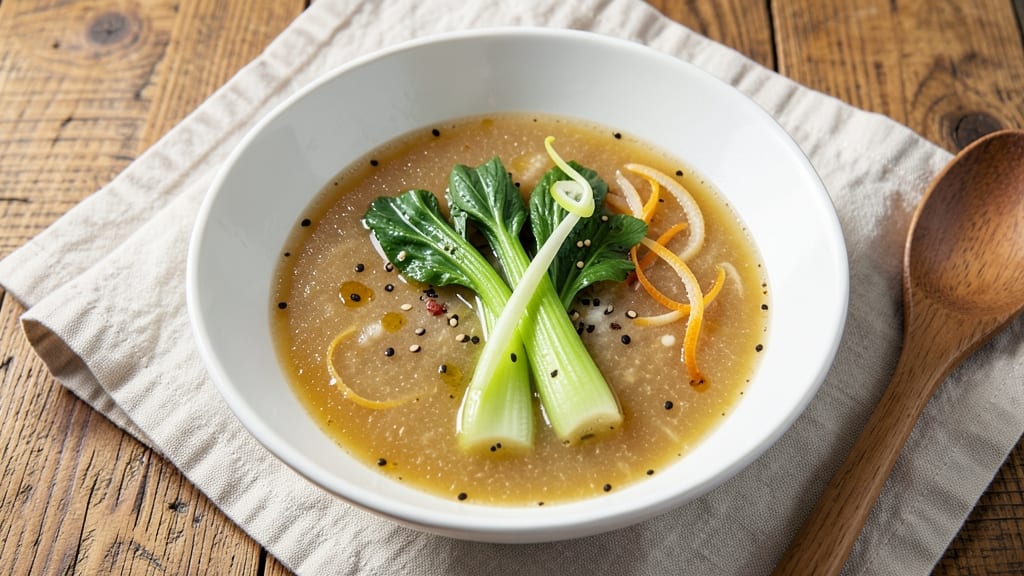
This bok choy miso soup recipe delivers the perfect balance of umami depth and silky texture in every spoonful. The secret lies in a rich dashi broth infused with white miso paste, creating a velvety foundation that transforms simple bok choy into a restaurant-worthy dish.
I've perfected this recipe to highlight traditional techniques while offering modern shortcuts for home cooks.
The beauty of this soup comes from its simplicity and versatility—whether you use homemade dashi or store-bought vegetable broth, the result is a harmonious blend of savory, slightly sweet, and briny flavors.
The bok choy wilts just enough to release its natural sweetness while maintaining a satisfying bite, and the miso paste adds that unmistakable umami richness that makes this dish so addictive.
What sets this recipe apart is the attention to texture and presentation. The silky broth clings to each leaf of bok choy, while the optional garnish of scallions and sesame seeds adds a fresh, aromatic finish.
It's a dish that feels both comforting and refined, perfect for a light lunch or a cozy dinner when you crave something nourishing yet elegant.
Ready in under 30 minutes, this soup is foolproof yet impressive enough to serve to guests. The key steps—building the broth, sautéing the greens, and blending the miso—come together seamlessly, ensuring a result that's always balanced and satisfying. Let's get started on creating this umami-packed masterpiece.
Ingredients for bok choy miso soup
A symphony of umami and freshness—these ingredients craft a restaurant-worthy soup with minimal effort.
| Ingredient | Amount | Notes |
|---|---|---|
| Bok Choy 🥬 | 1 lb | Baby or full-size, trimmed |
| White Miso Paste 🧈 | ¼ cup | High-quality, unsweetened |
| Vegetable Broth 💧 | 4 cups | Homemade or store-bought |
| Dashi Granules 🍜 | 1 tbsp | Or 1 packet dashi powder |
| Fresh Ginger 🧅 | 1 tbsp | Finely grated, peeled |
| Sesame Oil 🫒 | 1 tsp | Toasted, for aroma |
| Green Onions 🧅 | 3 whole | Thinly sliced, for garnish |
| Toasted Sesame Seeds 🌰 | 1 tbsp | For garnish, optional |
| Rice Vinegar 🍶 | 1 tbsp | White or seasoned |
| Soy Sauce 🥢 | 1 tbsp | Low-sodium preferred |
| Garlic Cloves 🧄 | 3 cloves | Minced, for depth |
| Extra-Virgin Olive Oil 🫒 | 1 tsp | For sautéing greens |
| Diamond Crystal Kosher Salt 🧂 | ½ tsp | For seasoning |
| Freshly Ground Black Pepper 🌶️ | ¼ tsp | For finishing |
The miso paste is the heart of this dish, so invest in a high-quality white miso—brands like Hodo or Miso Master deliver the most authentic umami. For the broth, homemade dashi elevates the flavor, but Pacific Foods or Kikkoman vegetable broth works beautifully as a shortcut. Bok choy should be vibrant green with crisp stems; avoid wilted leaves. Fresh ginger and garlic are non-negotiable for depth—organic ginger from the produce section at Whole Foods or Trader Joe's adds the brightest flavor. If using dashi granules, dissolve them in hot water first for a smoother texture.
No miso paste? White soy sauce at half the amount provides a similar umami base, though the texture will differ. Substitute vegetable broth with low-sodium chicken broth (check for vegetarian certification) if needed, but reduce the salt in the final seasoning. Fresh ginger too spicy? Substitute with 0.5 tsp ground ginger, though it lacks the same complexity. For a deeper flavor without extra ingredients, toast the sesame seeds and oil together for 30 seconds in a dry pan before adding to the soup. The bok choy can be swapped for spinach or napa cabbage, though the texture and sweetness will vary.
This soup tastes even better the next day as flavors meld. Store in an airtight container in the fridge for up to 4 days, or freeze for 3 months in portioned containers. To reheat, warm gently on the stove with a splash of water to restore silkiness. For meal prep, double the broth and keep the greens separate until reheating—this preserves their vibrant color. Garnishes like sesame seeds and green onions can be added fresh just before serving to maintain their crispness.
Why You'll Love This Recipe
- Five-Ingredient Magic: I swear, this soup is a lifesaver when I’m too tired to chop much. Just slice the bok choy in half (no need to wash those leaves—just wipe the stems), toss in the miso and dashi, and let the broth do the work. That’s it.
- Umami Bomb: Between us, white miso and dashi granules are a flavor powerhouse. The soup starts with a deep, savory base, then the bok choy wilts into tender, slightly crisp edges—like a hug for your taste buds. Add a thumb of fresh ginger for that zingy kick that makes it ridiculously good.
- Lunchbox Hero: I make a big pot on Sundays and stash it in the fridge for quick lunches all week. The bok choy stays crisp enough to eat raw if I’m lazy, or I toss it straight into the soup—hot or cold, it’s always a win. (Yes, even on a Tuesday night.)
- Budget Meal, Big Payoff: Vegetable broth and miso stretch this into four servings for pennies. The dashi granules add that extra depth without breaking the bank, and bok choy is cheaper than spinach but just as satisfying. Leftovers? They taste even better the next day—proof it’s a keeper.
Step-by-step instructions for bok choy miso soup
A balanced approach to umami depth and silky texture—where miso meets bok choy in perfect harmony.
Prepare the Miso-Dashi Base
In a medium saucepan, combine the 4 cups vegetable broth with the 1 tablespoon dashi granules. Bring to a gentle simmer over medium heat, then reduce heat to low and stir in the 0.25 cup white miso paste until fully dissolved. This step is critical—simmering too vigorously can break down the delicate miso compounds, so maintain a barely perceptible bubble just below the surface.
Next, whisk in the 1 tablespoon finely grated fresh ginger and 1 tablespoon soy sauce. The ginger will infuse its bright, zesty notes while the soy sauce adds depth. Let the mixture steep for 5 minutes—this allows the flavors to meld without developing bitterness. The broth should now have a rich, golden hue and carry a complex aroma of fermented umami with citrusy brightness.
Sauté the Bok Choy
While the broth simmers, heat the 1 teaspoon extra-virgin olive oil in a separate skillet over medium-high heat. Add the 1 pound bok choy, cut into 1-inch pieces, and stir-fry for 3-4 minutes until the edges begin to soften but still retain a vibrant green center. The key here is to blanch rather than fully cook the greens—they'll finish in the broth.
Remove the bok choy from the skillet and set aside. To the same skillet, add the 3 minced garlic cloves and sauté for 30 seconds until fragrant. Immediately pour this garlic-infused oil into the miso broth, stirring well to distribute the aromatic compounds. This infusion elevates the soup's complexity, creating a layered flavor profile that starts with the earthy garlic and builds to the fermented richness of the miso.
Finish and Garnish
Return the bok choy to the broth and simmer gently for 4-5 minutes until the greens are tender but still hold their shape. The soup should now have a velvety texture with the bok choy's crisp-tender bite cutting through the smooth broth. Season with the 0.5 teaspoon diamond crystal kosher salt and 0.25 teaspoon freshly ground black pepper, adjusting to taste—this balances the umami with a subtle sharpness.
Remove from heat and stir in the 1 tablespoon rice vinegar and 1 teaspoon sesame oil. The vinegar brightens the dish while the sesame oil adds a nutty aroma. Ladle into bowls and garnish with thinly sliced green onions and 1 tablespoon toasted sesame seeds for texture and visual contrast. The finished soup should have a glossy sheen, with the greens floating just below the surface and the aroma of toasted seeds wafting upward.
Pro Tips For Making Bok Choy Miso Soup
- Bloom the Miso: Whisk the white miso paste into the broth first—before adding anything else—and let it sit for 30 seconds. I used to dump it in at the end, and the soup always tasted thin and one-note. This step lets the umami really wake up, especially when paired with dashi granules (they need that time to dissolve properly too).
- Trim the Ginger Right: Use a peeler to take off just the outer layer of fresh ginger—no need to chop the whole knob. Thin slices (about 1/8-inch) are enough, and they’ll infuse the broth without overpowering. I learned this the hard way when I minced too much and ended up with a soup that tasted like a sauna.
- Don’t Boil the Bok Choy: Add the bok choy stems last and cook for no more than 2 minutes—just until they’re tender-crisp. Overcooking turns them rubbery, and the leaves turn to mush. If your broth is simmering too hard, lower the heat to a gentle bubble. Trust me, the texture makes all the difference.
- Toast the Dashi First: Sprinkle the dashi granules into a dry pan over medium heat for 30 seconds until fragrant—then add the broth. This banishes that "instant powder" aftertaste and deepens the flavor. Sounds weird, but it works: the granules caramelize just enough to add complexity without effort.
Serving suggestions for this dish
Bowl Presentation
Serve your bok choy miso soup in warm stoneware bowls—the natural earthy tones complement the vibrant greens beautifully. I love using deep, wide bowls (like Corelle Stoneware) to showcase the soup's glossy texture.
Arrange the bok choy leaves slightly off-center for an organic, restaurant-style presentation. A drizzle of toasted sesame oil along the edge adds visual appeal and enhances aroma. 🥣
Crunchy Toppings
Add texture contrast with crispy toppings that cut through the silky broth. Try thinly sliced scallions for freshness or crispy fried shallots (about 1 tbsp) for a sweet, caramelized crunch.
For extra protein, sprinkle with toasted edamame or crumbled soft tofu before serving. These toppings should be added just before eating to maintain their crispness.
Bread Pairings
Pair your soup with warm, chewy bread to soak up every last drop of broth. Japanese milk bread or steamed buns are perfect choices—their soft texture contrasts beautifully with the soup's hearty flavors.
For a savory option, serve with garlic naan or sesame seed crackers. I like keeping a small basket of toasted baguette slices on the table for easy grabbing.
Drink Complements
Balance the soup's umami richness with light, crisp beverages. A green tea like Sencha or Jasmine tea enhances the dish's freshness without overpowering it. For alcohol pairings, try a dry Riesling (its acidity cuts through the fat) or a light Japanese sake like Junmai Ginjo.
Sparkling water with a squeeze of yuzu also works wonderfully for a non-alcoholic option. 🍵
Seasonal Garnishes
Adjust your garnishes based on the season. In spring, add thinly sliced radishes for peppery bite. In fall, top with toasted pumpkin seeds and cilantro for earthy warmth. Winter calls for crispy fried onions and shredded nori to add depth.
These seasonal touches keep the dish feeling fresh year-round while maintaining its balanced flavors.
Meal Progression
Turn this soup into a complete meal by adding light proteins or starches. A side of steamed jasmine rice or udon noodles makes it heartier. For extra substance, serve with miso-glazed tofu or grilled shrimp.
I often prepare a small cucumber salad with rice vinegar dressing to provide a refreshing contrast to the rich soup. This progression ensures every bite feels satisfying and intentional. ✨
Nutrition facts
Frequently asked questions
Can I substitute regular soy sauce for miso paste?
While you can use white soy sauce in a pinch, it won't provide the same depth of umami flavor. For the best results, use 0.125 cup white soy sauce plus 0.125 cup vegetable broth to mimic the miso's texture and richness. The dish will taste different but still delicious—just less complex.
How do I prevent the bok choy from turning mushy?
Cook the bok choy just until tender-crisp—about 4-5 minutes in the broth. Start with slightly undercooked greens (they'll finish in the broth) and remove from heat immediately after they're done. Overcooking releases water, making them limp. For extra firmness, blanch the bok choy first for 1 minute before adding to the soup.
What's the difference between white and red miso?
White miso is fermented for 3-6 months, creating a sweeter, milder flavor perfect for soups. Red miso (fermented 1-2 years) is saltier and more robust, ideal for marinades or stews. For this recipe, white miso delivers the delicate umami balance that complements bok choy's natural sweetness.
Can I make this soup ahead of time?
Prepare the broth (without bok choy) up to 3 days ahead and store in an airtight container. Reheat gently, then add fresh bok choy and garnishes just before serving. For longer storage, freeze the broth for up to 3 months. The miso and dashi flavors actually improve with time, deepening the umami.
Why does my miso soup taste bitter?
Bitterness usually comes from over-simmering the miso or using low-quality paste. Keep the broth at a gentle simmer (low heat) and never boil. For extra insurance, use high-quality white miso and reduce the ginger slightly (try 0.5 tbsp instead). A splash of rice vinegar at the end can also brighten the flavor.